
Rubber Fenders vs. Other Types of Marine Fenders: How to Choose the Right Type
Marine fenders are designed to absorb the kinetic energy generated upon a vessel colliding with a port structure. Basically marine fenders are used to shield vessels and port infrastructure from damage. Among the various types of marine fenders available, rubber fenders are the most widely used due to their durability and excellent energy absorption. However, other types of fenders, such as foam fenders, pneumatic fenders, and wooden fenders, also play important roles in specific applications. Therefore, understanding the differences between rubber fenders and other types of marine fenders can assist port authorities, ship owners, and marine engineers in deciding on the most appropriate marine fenders for their projects.
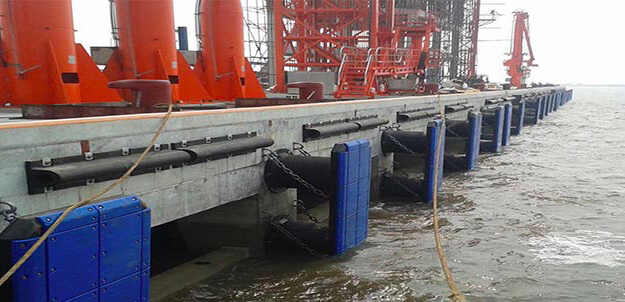
Table of Contents
Understanding Rubber Fenders
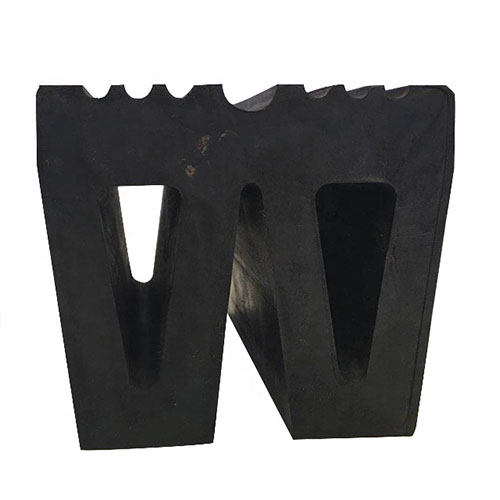
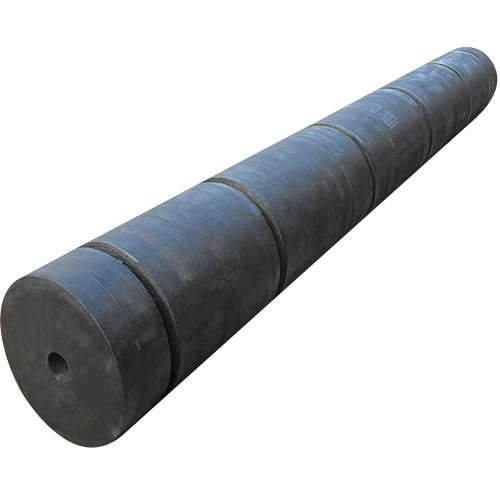
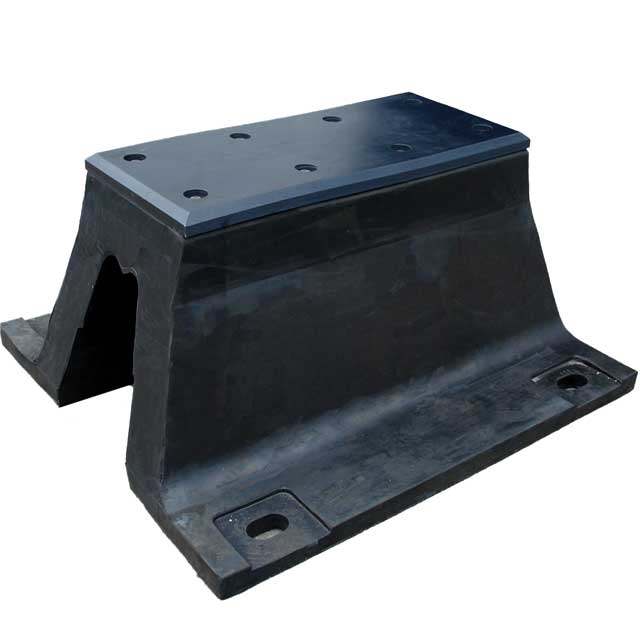
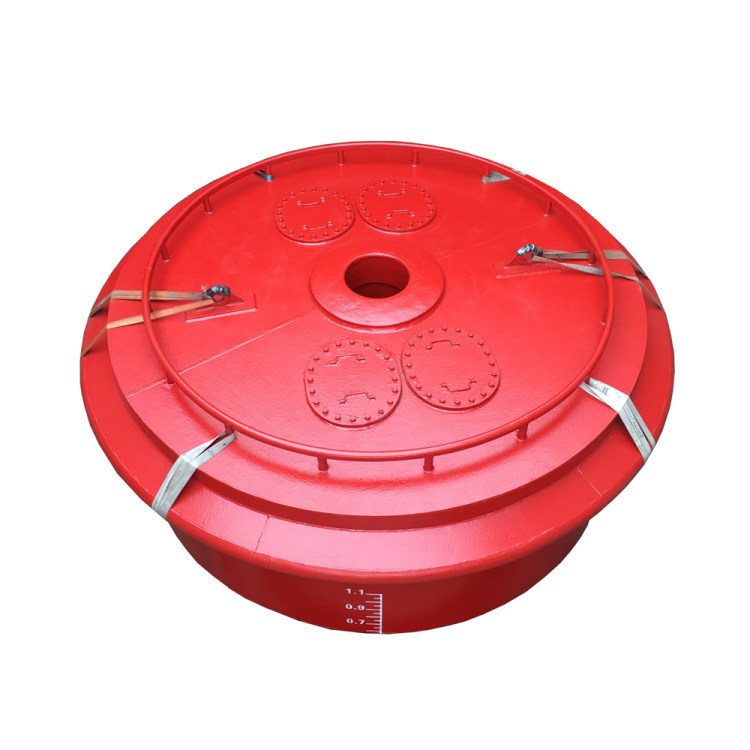
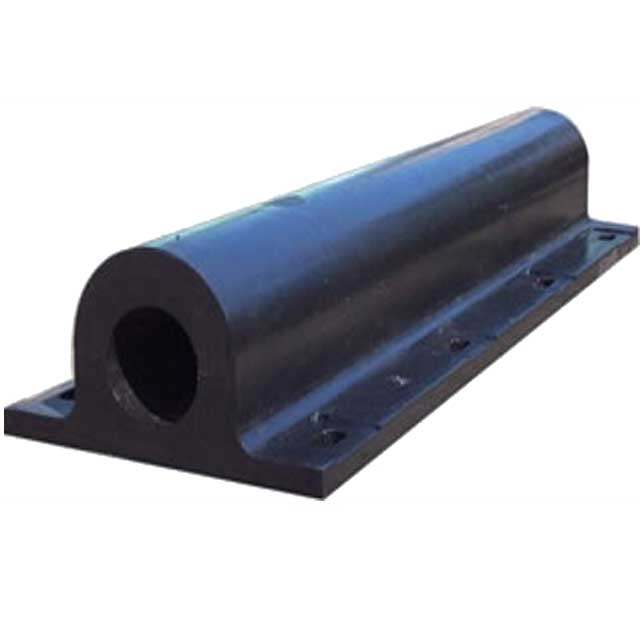
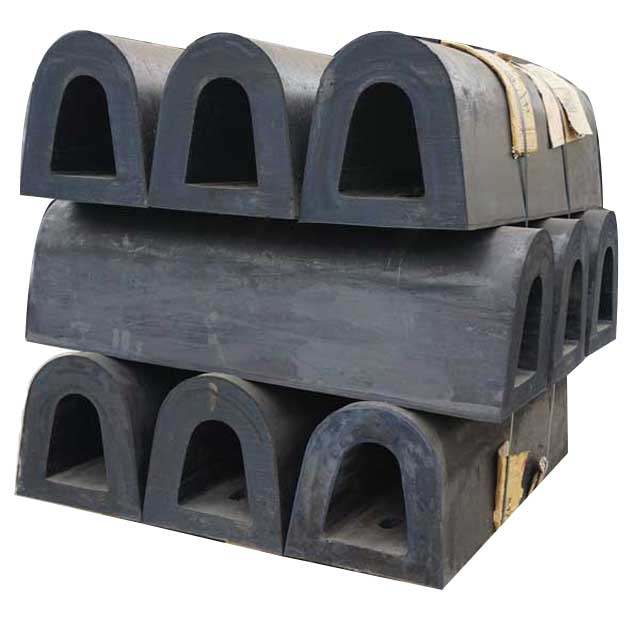
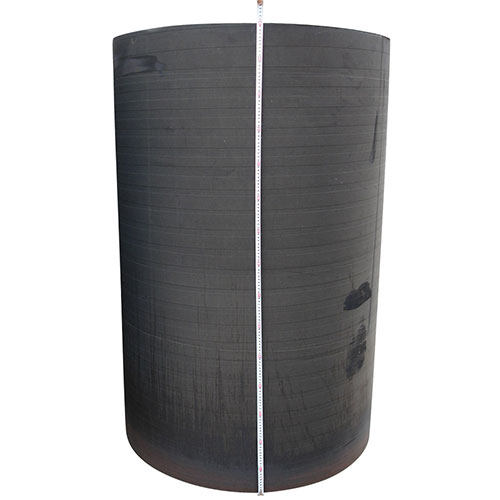
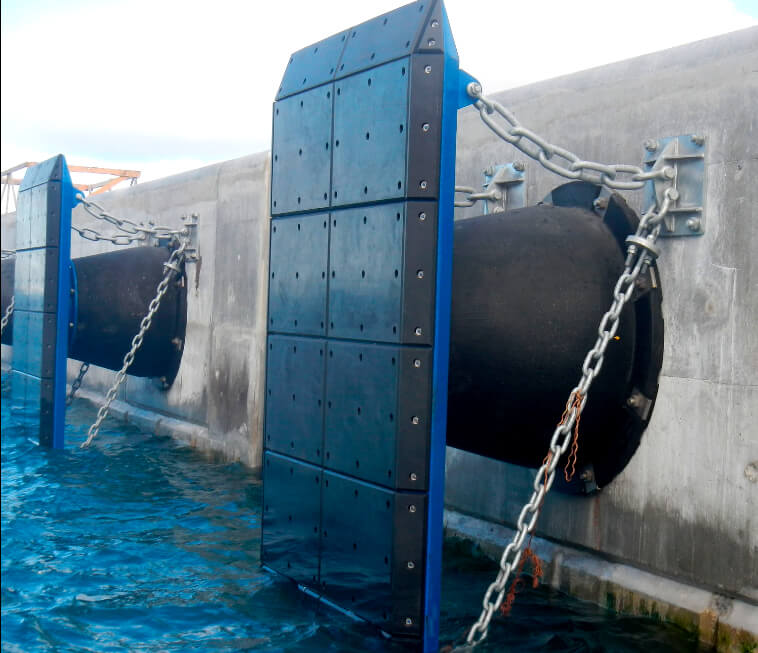
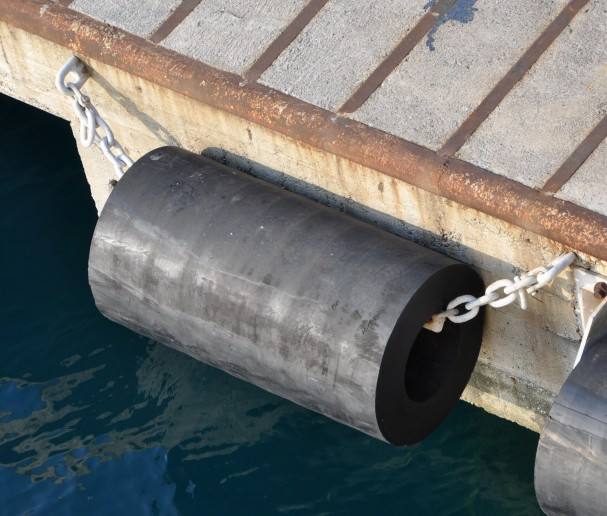
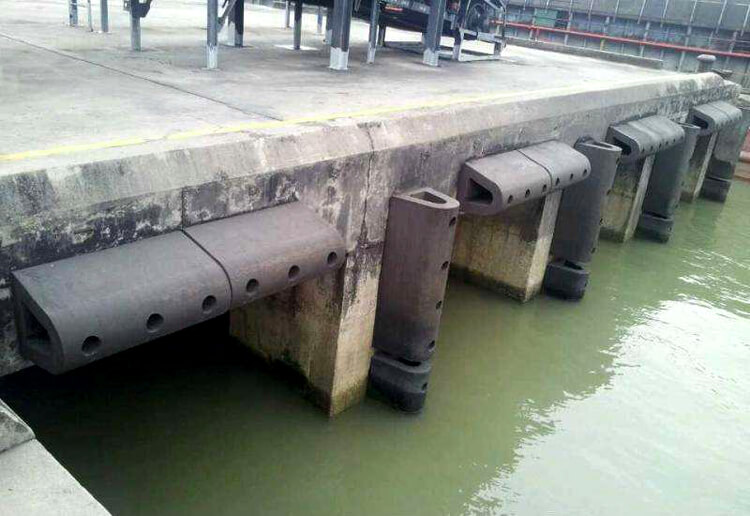
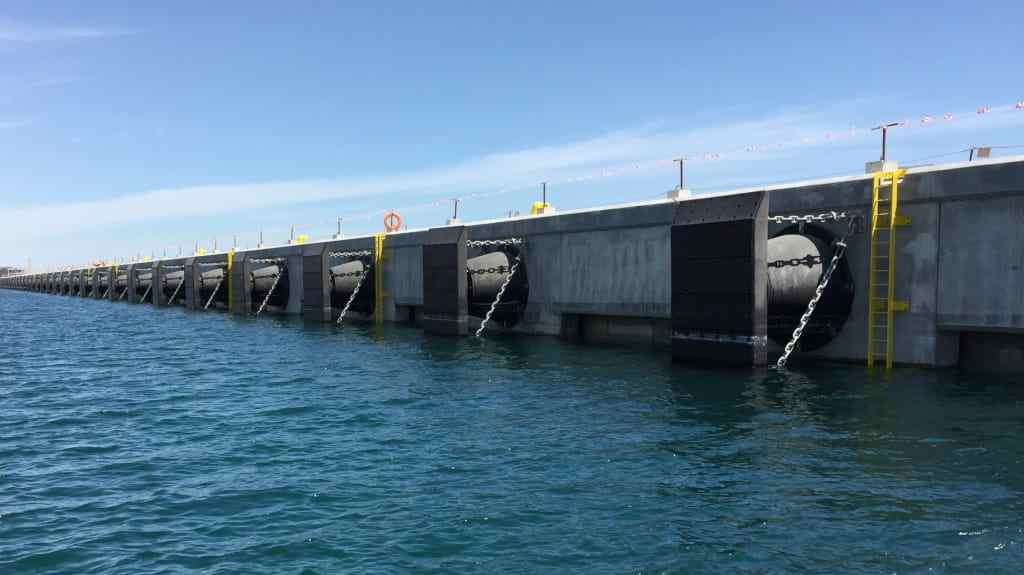
Rubber fenders are manufactured from specially formulated rubber compounds designed to absorb impact energy efficiently. They are commonly installed on docks, wharves, jetties, and vessels. Rubber fenders are available in various designs, including cylindrical type fender, cone fender, arch fender, and cell type fender, allowing them to meet different performance requirements.
Advantages
- Energy Absorption Capability: Rubber fenders are specifically made to absorb the great extent of energy in the event of berthing and send less reaction force to affect either vessels or any structure aboard the wall.
- Strength and Durability: The alloying of rubber with quality fills allows the fenders to be resistant to abrasion, saltwater, UV, and adverse climatic conditions, allowing them to operate over a long period of time.
- Low Maintenance: Rubber fenders have little or no specific maintenance requirements when they have been appropriately installed. On those grounds, these bring minimal operational overruns for port operators, correspondingly.
- Design Flexibility: Rubber fenders can be achieved through shaping parts and sizes to suit respective marine requirements, from tonnage and speeds to specific pier plans.
- Cost-Effective Long-Term Solution: Even if the initial costs are high, rubber fenders provide the port operator with great advantages due to the service life and dependability arising from the initial investment.
Limitations
- Limited Mobility: Rubber fenders are typically mounted as fixed structures on docks or quay walls, which gives them considerably lesser flexibility than floating fenders are used for ship-to-ship operations.
- Performance Depends on Proper Design: If the fender type, size or installation techniques are not correctly matched for a particular ship and berth configuration in terms of its forces, the fender performance is hindered.
- Potential Aging Over Time: Prolonged exposure to the harsh marine environment causes gradual hardening or aging of the rubber, with continued usage consequently prompting periodic repair and renewal.
- Not Ideal for Some Offshore Operations: While pneumatic or foam fenders are preferred for offshore transfer operations or situations where floating protection is requisite to achieve operational flexibility.
Applications
- Commercial Ports and Harbors: To resist the standard stresses of berthing ships and quay walls primarily at container terminals, ore berths, and general cargo ports.
- Oil and Gas Terminals: Advances in rubber materials have made them capable of withstanding immense energy very effectively under the impact forces as tankers approach the berthing point in petroleum terminals, securing those fenders with heavy load.
- Shipyards and Dry Docks: Rubber fenders serve as an essential protective medium for the ships and the dock structure itself, for maintenance, repair, or construction purposes.
- Ferry Terminals and Passenger Ports: The nearly daily use of fenders in the process of berthing at ferry terminals bears a heavy load into rubber striking against the steel; therefore, the cushioning harbor facilities must withstand numerous sins of impact.
- Naval Bases and Maritime Facilities: Military Ports and maritime infrastructure have a need of rubber fenders so that safe docking and operation of the ships can be assured.
Understanding Other Types of Marine Fenders
This chart highlights the common alternatives to rubber fenders, each designed to meet specific operational requirements such as floating protection, low friction contact, or cost-effective solutions for smaller ports.
| Fender Type | Main Structure | Advantages | Typical Applications |
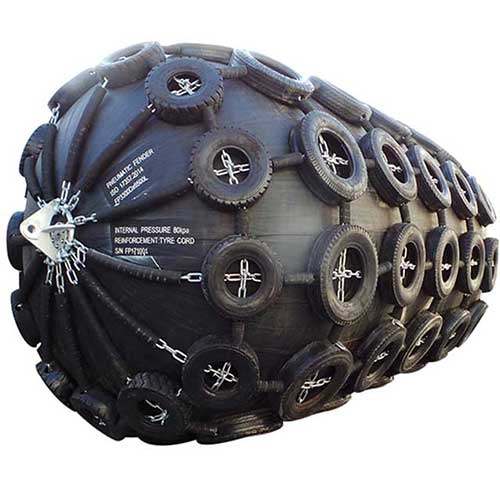
| Pneumatic Fenders | Air-filled rubber structure | High energy absorption, low reaction force, suitable for large vessels | Ship-to-ship transfers, oil and gas terminals, offshore operations |
| Foam-Filled Fenders | Closed-cell foam core with polyurethane skin | Lightweight, durable, low maintenance | Naval operations, cruise terminals, floating docks |
| Wooden Fenders | Hardwood timber structures | Low initial cost, simple installation | Small harbors, fishing ports, marinas |
| Plastic / UHMW-PE Fenders | Ultra-high molecular weight polyethylene surfaces | High abrasion resistance, smooth vessel contact | Container terminals, ferry docks |
| Composite Fenders | Combination of rubber, steel, and composite materials | Customizable design, enhanced durability | Large commercial ports, specialized berths |
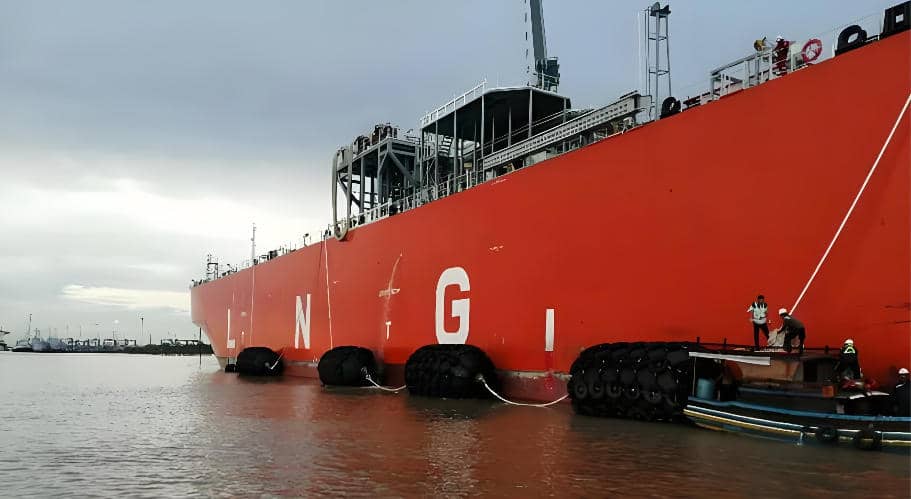
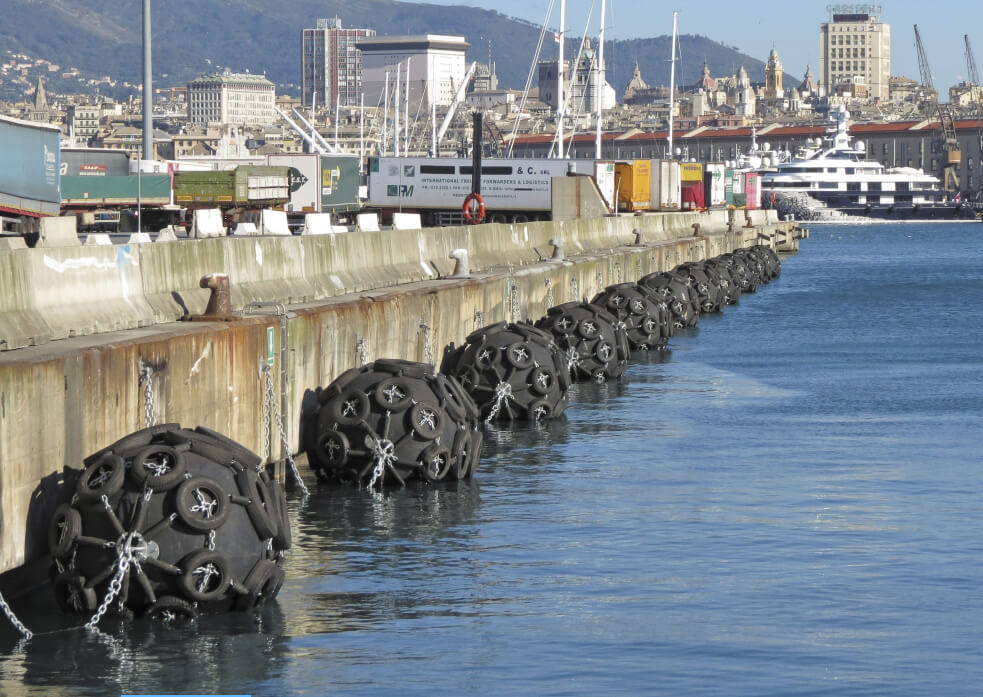
| Pneumatic Net-Type Fenders | Pneumatic fenders with chain and tire net protection | Increased durability in harsh conditions | Large tankers, LNG carriers, offshore mooring |
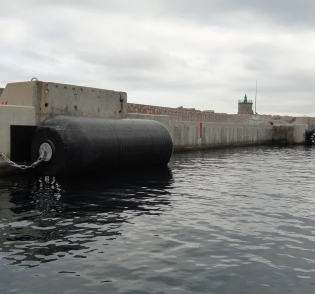
Key Differences Between Rubber Fenders and Other Marine Fender Types
| Comparison Aspect | Rubber Fenders | Other Marine Fender Types (Foam, Pneumatic, Composite, etc.) |
| Material Composition | Made primarily from high-strength rubber compounds designed for durability and elasticity. | Made from various materials such as foam cores, pneumatic rubber structures, plastics, or composite materials. |
| Energy Absorption | Excellent energy absorption due to rubber elasticity, especially in heavy-duty berthing. | Varies by type; foam and pneumatic fenders provide good absorption but may behave differently under extreme loads. |
| Durability | Highly resistant to abrasion, weather, and repeated compression, making them suitable for long-term use. | Some types offer good durability, but others may be more vulnerable to punctures, wear, or environmental degradation. |
| Maintenance Requirements | Generally low maintenance with long service life once installed. | Maintenance varies; pneumatic fenders require pressure monitoring, while foam fenders may require surface inspection. |
| Installation | Often permanently mounted on docks, quay walls, or ship hulls. | Some are portable or temporary, such as pneumatic or floating fenders used for ship-to-ship transfers. |
| Adaptability | Best suited for fixed port infrastructure and high-impact berthing environments. | More flexible for temporary operations, offshore transfers, or specialized berthing situations. |
| Cost Structure | Higher initial installation cost but cost-effective over long operational lifespans. | Costs vary widely depending on design; some have lower upfront costs but higher maintenance needs. |
| Structural Stability | Maintains consistent performance under repeated compression cycles. | Performance may vary depending on inflation pressure, foam density, or structural design. |
Key Factors to Consider for Choosing Between Rubber Fenders and Other Types of Marine Fenders
Choosing the most appropriate type of marine fender is fairly crucial in ensuring truly safe and trouble-free berthing operations. Different marine fenders offer differing performance characteristics. Therefore, before venturing into discussions regarding the comparison between rubber fenders and other marine fenders, quite a thoughtful study of various technical, operational, and economic factors should be made.
1. Vessel Size and Berthing Energy
The vessel size and kinetic energy at berthing are critical factors for selecting marine fender type. During construction, one should consider that the docks/berths will be utilized by ship vessels with various intended tasks. This duty can be determined by the energy developed during the forcing action transferred by an impacting ship. Heavy container ships, bulk carriers, and tankers will make for significantly high berthing forces.
In many ports handling large ships, rubber fenders are often selected due to their strong energy, while pneumatic fenders are better suited for handling very large ships and ship-to-ship transfers: they spread the impact load over a big contact area and offer lower reaction forces.
2. Types of Berthing Structures
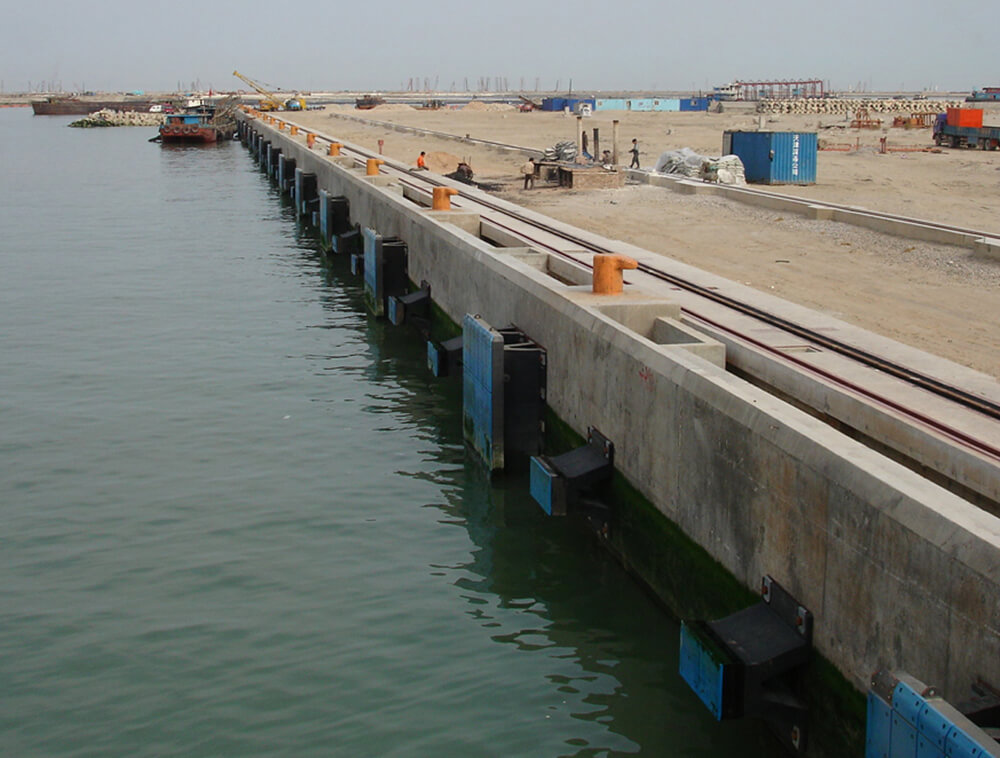
The design of the docking infrastructure plays a role in the type of fender chosen. Fixed structures such as quay walls, piers, and jetties usually use rubber fenders since they can be fastened in place and are meant to be durable from any kind of damage over a long period.
On the contrary, operations like floating platforms, offshore structures or temporary berthing places may require floating fender systems. Air-filled and foam-filled fenders, as the case may be, are usual in such cases precisely due to their portability and adaptability.
3. Berthing Frequency and Operational Intensity
Ports of high velocity traffic require fendering systems capable of accepting regular hits without any kind of detrimental consequences to their performance.
In contrast, pneumatic and foam-filled fenders offer good environmental resistance although their performance as such depends on proper maintenance, especially under extreme offshore conditions.
4. Environmental Conditions
The rubber fenders are easy to set up on stationary structures-everything else is just about maintenance, small amount of it, that their condition might appeal. Pneumatic fenders need occasional internal air pressure monitoring to maintain control. Wooden fenders may need complete renewal for requirements such as wear, decay, or the wrath of the marine animals.
Marine environments can vary significantly depending on location. Factors such as strong currents, wave activity, temperature fluctuations, and exposure to sunlight can influence fender performance.
Rubber fenders are designed to resist harsh marine environments, including seawater corrosion and ultraviolet radiation. Foam-filled and pneumatic fenders also offer good environmental resistance, but their performance may depend on proper maintenance, especially in extreme offshore conditions.
5. Installation and Maintenance Requirements
Installation complexity and ongoing maintenance costs are also important considerations for port operators.
Rubber fenders are generally easy to install on fixed structures and require relatively little maintenance over their service life. Pneumatic fenders, however, require periodic monitoring of internal air pressure to ensure optimal performance. Wooden fenders may require regular replacement due to wear, rot, or marine organism damage.
6. Operational Flexibility
In certain marine activities, there is a need for flexible or movable fender mechanisms. Examples are ship-to-ship cargo transfers, offshore oil terminals, and emergency docking points-floating panels.
Pneumatic or foam fenders provide far more operational flexibility than the fixed system of rubber fenders.
7. Cost and Lifecycle Value
In comparing prices, one must look not only at the cost of the purchase itself but at expenses in operation over the life of the fender. Rubber fenders would traditionally represent a fine compromise between performance, durability, and life span cost.”
While some other fender designs could have lower costings that are subject to fewer alternatives or specialized fender performance on initial costings, some of these fender types prove to be more maintenance-prone and have a shorter service life that finally turns out to be a step up in total costs.
Summary
- As they are known for their strength, reliability, and cost-effectiveness, consequently, this is why the availability of rubber fenders makes them a popular choice for many ports.
- Other types of marine fenders, such as foam fenders, pneumatic fenders, and wooden fenders, may be better suited for specialized applications such as offshore operations and ship-to-ship transfers.
Final Thoughts
A good analysis must be conducted based on vessel design, port infrastructure, operational frequency, and environmental conditions, etc, which will help marine engineers and port operators choose the most effective solution between rubber fenders and other marine fender types to berth the vessels safely and efficiently.