

Pneumatic vs. Solid Rubber Fenders: How to Make a Choice
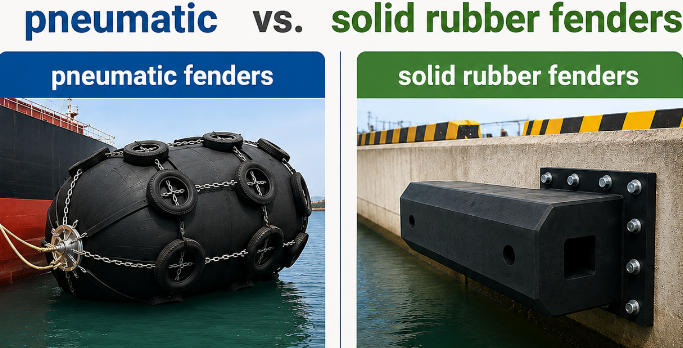
In marine berthing and docking operations, rubber fenders are a essential in protecting vessels and port structures from impact damage. Among the most used types are pneumatic fenders and solid rubber fenders. While both provide the same basic purpose , taking in kinetic energy during ship-to-ship or ship-to-quay contact, their design and performance traits, and even their ideal use cases are quite different. Knowing how they contrast is necessary so you can pick the proper rubber fender, for each specific operating environment, vessel configuration, and the safety rules involved.
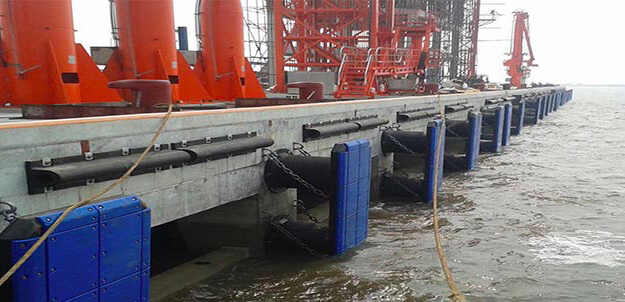
Table of Contents
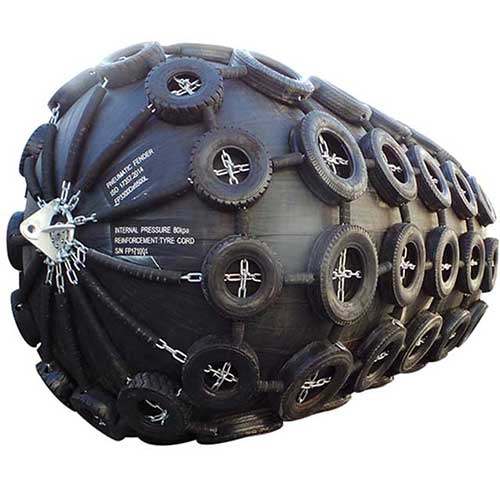
Understanding Pneumatic Rubber Fenders
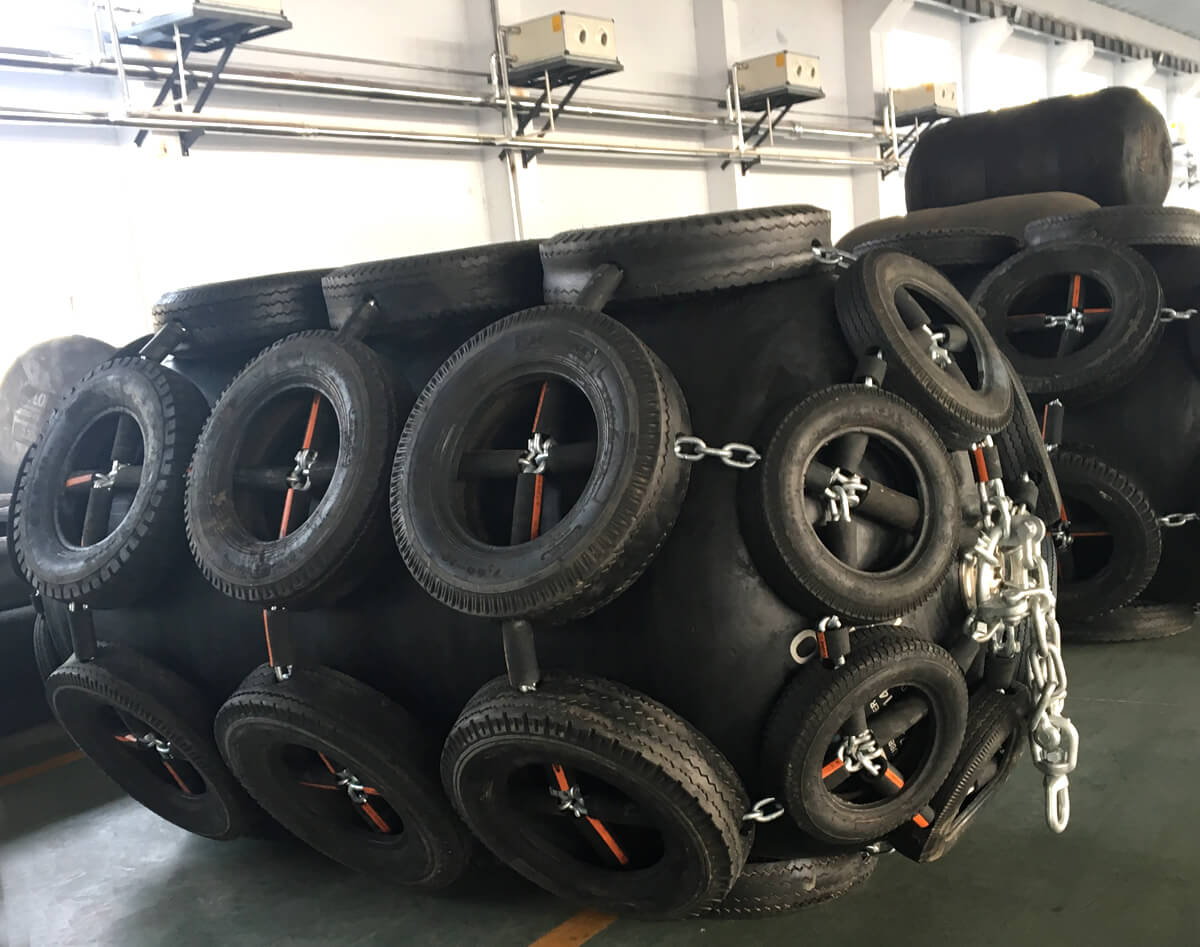
Pneumatic rubber fenders are basically floating marine fender setups that are filled with compressed air and wrapped in a reinforced rubber shell, and yes it helps that the outer layer takes the first hit. They are often used in ship to ship operations as well as ship to dock berthing, because they deliver steady, high efficiency energy soaking while keeping impact loads lower on the vessel hulls and other marine structures.
How They Work
The main working idea comes from air compression. When a vessel touches the fender, the external rubber skin bends and the inside air chamber gets compressed. That compression eats up the kinetic energy and it lowers the collision force that would otherwise travel into the vessel and the docking structure. The fender performance really relies on internal air pressure, reinforcement layers, and the overall physical dimensions, if one of these changes the result changes too. Usually, higher pressure leads to more energy absorption ability.
Advantages
- High Energy Absorption Efficiency: They can take in big chunks of impact energy while still keeping reaction forces fairly low , which helps reduce stress on the ship hulls and the port structures.
- Low Reaction Force: The gradual compression of air makes the impact forces travel out and spread more evenly, so structural damage stays minimized.
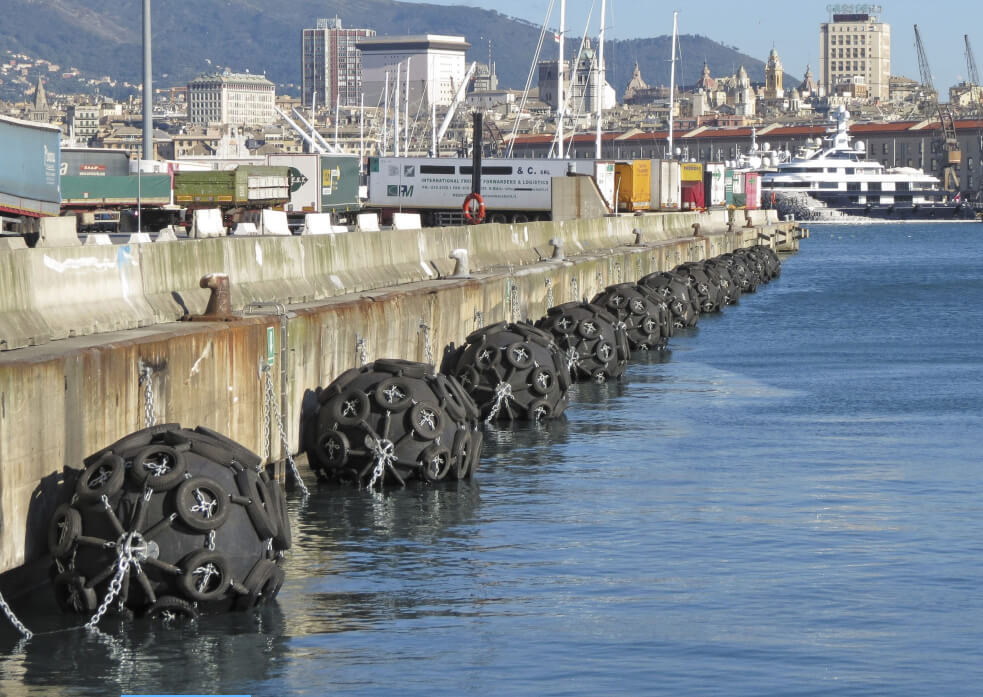
- Excellent Adaptability to Tidal Changes: Since they are floating devices , they go up and down with the water levels, keeping protection steady without needing any extra adjustments.
- Wide Range of Applications: They work well for ship-to-ship transfers, LNG terminals, oil terminals, and big commercial ports.
- Easy Deployment and Mobility: They can be quickly installed, repositioned, or removed, making them ideal for temporary or emergency berthing operations.
- Large Contact Area: The cylindrical shape helps spread pressure across a broader surface, improving protection efficiency overall.
Limitations
- Risk of Puncture or Air Leakage: The air-filled setup can be harmed by pointed objects or intense mechanical hits, and then you will see a drop in overall performance maybe not instantly but later.
- Regular Maintenance Requirements: Routine upkeep needs attention, yes, because you want it to stay reliable
- Higher Inspection Frequency: Inside pressure has to be watched and kept in range so the system can work as intended.
- Performance Depends on Proper Inflation: Incorrect air pressure can significantly reduce energy absorption capability.
- Wear in Harsh Environments: Continuous friction against rough surfaces may accelerate surface degradation compared to solid rubber fenders.
- Lower Structural Rigidity Compared to Solid Fenders: They may deform more under sustained or uneven loading conditions
Understanding Solid Rubber Fenders
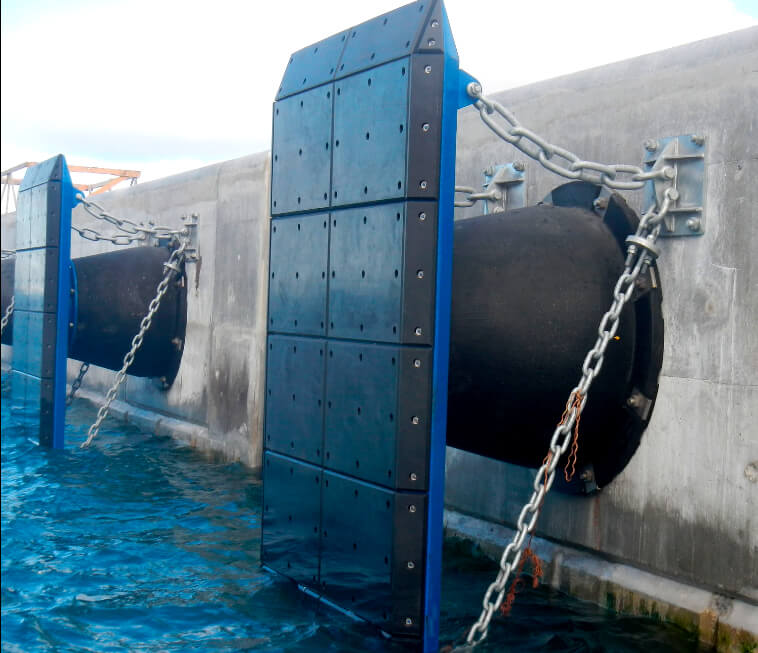
Solid rubber fenders do their job by compressing and deforming when a vessel touches them. The rubber absorbs kinetic energy first, then it slowly comes back to its original form after the contacting force is removed.
Their results depend on rubber hardness, fender geometry, which can be cylindrical, cone , arch , or cell styles, and also on the mounting setup. Since there is no internal air cavity, energy dissipation happens only through material elasticity and the overall structural design.
Advantages
- High Durability: They’re resistant to abrasion, impact, and really harsh environmental conditions, so they end up being good for long term use.
- Low Maintenance Requirements: No air pressure monitoring or inflation systems are required, which cuts down the ongoing effort needed.
- Simple and Robust Structure: Their solid build removes the worries about puncture, seepage, or sudden failure.
- Cost-Effective for Long-Term Use: With reduced upkeep and a long service life, they tend to be more economical later on.
- Stable Performance Under Repeated Impact: They stay consistent during frequent berthing operations.
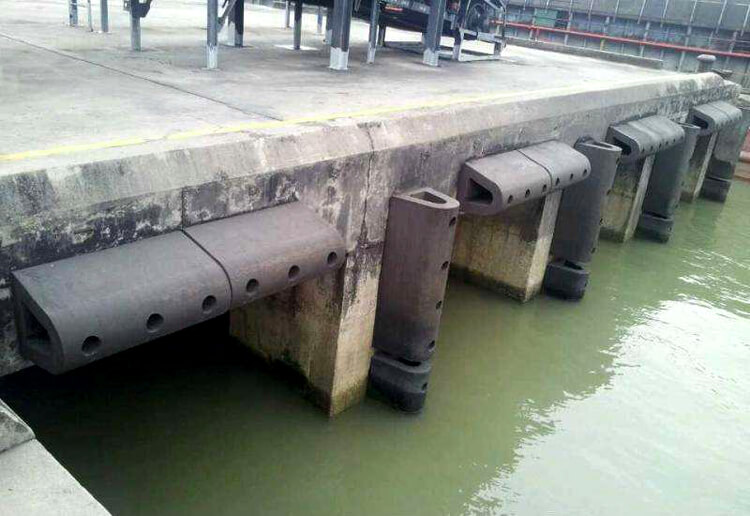
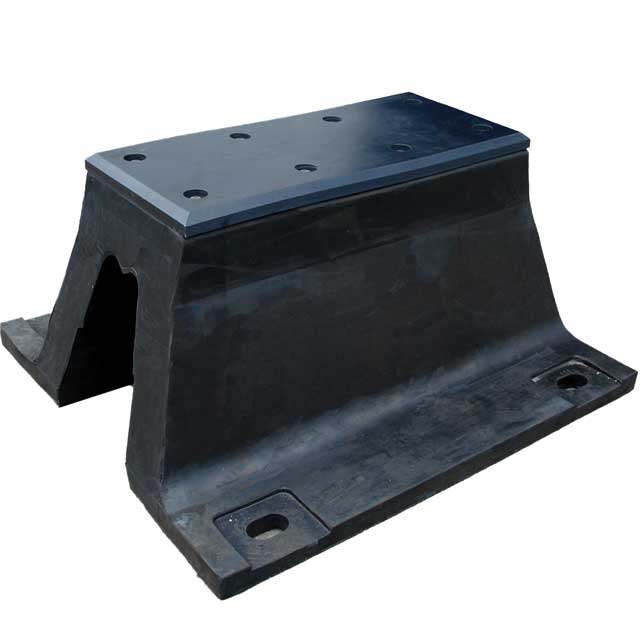
- Wide Range of Design Options: You can get them in different forms and arrangements, like D type, cone type, cylindrical, arch, etc, depending on the application.
Limitations
- Higher Reaction Force: Compared to pneumatic fenders, they usually produce greater reaction forces during impact, so they may move more stress to the vessel hull.
- Lower Energy Absorption Efficiency: They generally take in less energy per unit size than pneumatic systems.
- Less Adaptability to Large Vessel Movements: They do not float or ease into tidal changes, so they are less flexible in shifting conditions.
- Permanent Installation Requirement: Once they are put in place, they stay fixed and are not easily moved to another spot
- Material Aging Over Time: With time, exposure to UV, ozone, and seawater can make the rubber performance stiffen or weaken gradually.
- Size Limitations for Extreme Impacts: When dealing with very large vessels or hard docking events, they may need bigger pieces, or more than one unit, to get adequate protection.
Key Differences Between Pneumatic and Solid Rubber Fenders
| Aspect | Pneumatic Rubber Fenders | Solid Rubber Fenders |
| Structure | Air-filled rubber body with internal pressure | Fully solid molded rubber |
| Energy Absorption Mechanism | Absorbs energy through air compression | Absorbs energy through rubber deformation |
| Reaction Force | Low reaction force | Higher reaction force |
| Energy Absorption Capacity | Very high | Moderate |
| Adaptability to Tides | Excellent (floating design adjusts automatically) | Limited (fixed position) |
| Installation Type | Floating, temporary or semi-permanent use | Fixed, permanently installed |
| Maintenance Requirement | Requires pressure monitoring and inspection | Minimal maintenance required |
| Risk Factors | Risk of puncture or air leakage | No risk of leakage; possible rubber aging |
| Durability | Good, but sensitive to damage | Very high durability in harsh environments |
| Mobility | Easy to relocate and deploy | Not easily movable after installation |
| Cost Consideration | Higher maintenance cost, flexible usage | Lower long-term maintenance cost |
| Performance Stability | Depends on correct inflation pressure | Stable and consistent over time |
Key Factors to Consider for Choosing Between Pneumatic and Solid Rubber Fenders
Choosing between pneumatic and solid rubber fenders really is a technical call that hits vessel safety, what the port can take , how much maintenance shows up and the long term operational cost. The actual selection should be led by a plain understanding of the real working needs, not by broad assumptions or what “usually” happens.
1. Vessel Size and Berthing Energy Requirements
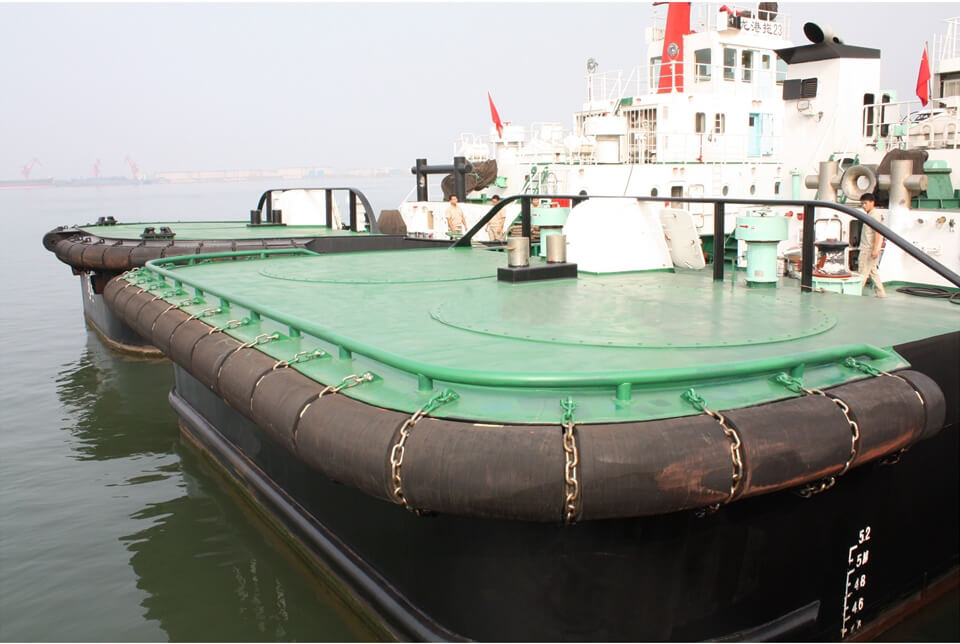
A key point is the size of the vessels you plan to berth, plus the berthing energy involved. Big ships, like tankers, LNG carriers, and bulk cargo vessels create much larger impact loads during docking. In those cases pneumatic fenders are often considered the better path because they soak up major energy amounts, while keeping comparatively low reaction forces against the hull.
Solid rubber fenders, while usually dependable, tend to be more fitting for smaller vessels or for moderate collision energy. If you push them into high-energy situations, they might need more than one unit, or a bigger setup overall, so you end up with protection levels that feel comparable.
2. Berthing Environment and Operational Conditions
What happens in the port, or around the docking bay, matters a lot when you pick the right fender type. Pneumatic fenders are especially useful where tides change noticeably, or where wave action is more prominent, because they float and naturally adapt to water level shifts. For that reason, they can be a strong choice for offshore work, ship-to-ship transfers, and deep-water terminal operations.
Solid rubber fenders are usually better for steadier, fixed berths like marinas, ferry terminals, and industrial docks, where the water level shifts are limited and vessel motion remains predictable. Since they are fixed in place, the response stays steady in controlled conditions, and the results are often easier to plan.
3. Energy Absorption and Reaction Force Balance
A big point is how well energy gets taken in vs. how much reaction force ends up pushing back. Pneumatic fenders are made to soak up quite high amounts of kinetic energy, while keeping the reaction forces relatively low. that helps cut down structural stress for both vessels as well as the quay walls. Because of this they fit very well when hull protection is the main goal, and you want less strain on the infrastructure around it.
Solid rubber fenders tend to create higher reaction forces though, and in return they can offer steadier, more predictable behavior during repeated contacts. that stability can be helpful in ports where berthing happens often, with daily or routine maneuvers, and where maximum energy absorption is not the headline requirement.
4. Installation Flexibility and Port Operations
Operational flexibility is also a important factor. Pneumatic fenders provide a high degree of mobility, meaning the rubber fenders can be deployed quickly, repositioned or even pulled off when operational needs change, which is useful in real life. This adaptability is especially valuable in temporary berthing situations, or in ports that service many different vessel types and they do not follow a single predictable pattern.
Solid rubber fenders, on the other hand are more like fixed installations. So yes , they are permanently installed structures and while that reduces flexibility it gives a stable and long lasting solution for berths meant for dedicated use, where the flow of vessels stays rather consistent across the years.
5. Maintenance Requirements and Lifecycle Considerations
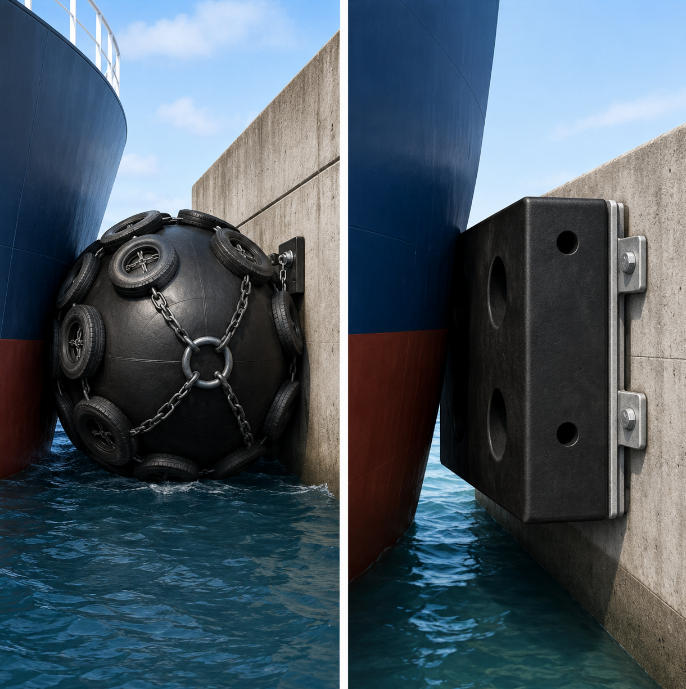
The expectations for maintenance of rubber fenders are different enough between the two systems that it matters. Pneumatic fenders need regular checks, such as internal air pressure, the surface condition, and also valve integrity. If pressure drops, or if there is any damage, performance can be affected right away so routine monitoring is essential.
Solid rubber fenders need far less active maintenance. Once they are installed, they usually need only a periodic check for wear, deformation, or environmental aging. This approach looks good for many ports that want to reduce operational downtime and keep maintenance effort less complicated.
6. Durability and Environmental Exposure
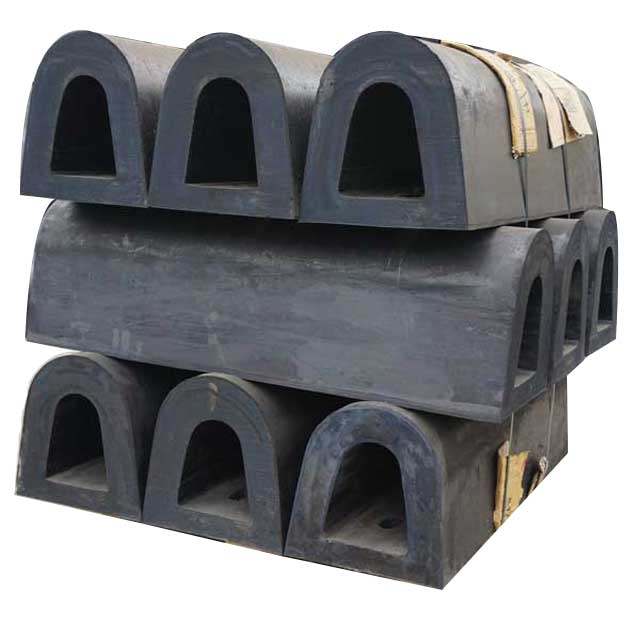
Another deciding factor is environmental resilience. Solid rubber fenders are very resistant to abrasion, UV exposure, and ongoing outdoor stress, so they fit well for permanent placements in rough marine settings.
Pneumatic fenders, even though they are built strongly, can be more vulnerable to sharp impacts, punctures, and uneven handling practices. That said they tend to work well when operations are managed in a careful way, with clear procedures in place.
7. Cost and Long-Term Operational Strategy
When you look at costs, you should take into account more than the first investment, and also what happens later with operational expenses. For pneumatic rubber fenders, the upkeep might get higher, and the handling can be more demanding, since their operating requirements pull more attention. At the same time though, they provide better flexibility and overall performance, especially in high-energy applications.
Solid rubber fenders usually end up with a lower lifecycle cost because they last longer, and they need much less maintenance. That makes them a better value for fixed, repetitive berthing operations where the conditions do not really change much over time.
Summary
- Pneumatic rubber fenders prioritize flexibility, high energy absorption, and adaptability, making them suitable for large-scale and variable marine operations.
- Solid rubber fenders emphasize durability, stability and low maintenance, making them ideal for fixed infrastructure and frequent berthing scenarios.
Final Thoughts
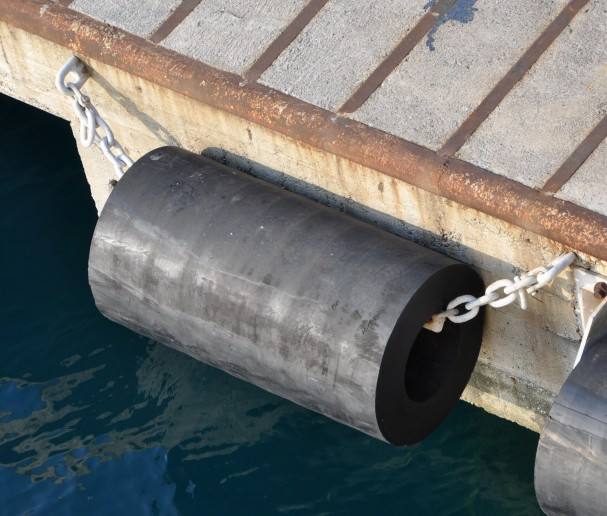
Both pneumatic and solid rubber fenders are important for marine safety systems. They are not really straight up replacements for one another, more like pairings that work in different situations. A good port or marine facility may include both types, so you get better protection, smoother efficiency, and better cost-effectiveness across the different docking scenarios that happen day to day.