

How to Maintain Marine Seats Properly
Marine seats are put through some of the harshest conditions any seating system sees. There is constant vibration, saltwater spray, UV radiation, and the steady back-and-forth temperature changes, too, and all of that speeds up wear and tear. Proper maintenance of marine seats is not just about looking nice; it directly supports safety, comfort, and the ability to operate reliably on vessels anywhere from smaller leisure boats to fully commercial ships.
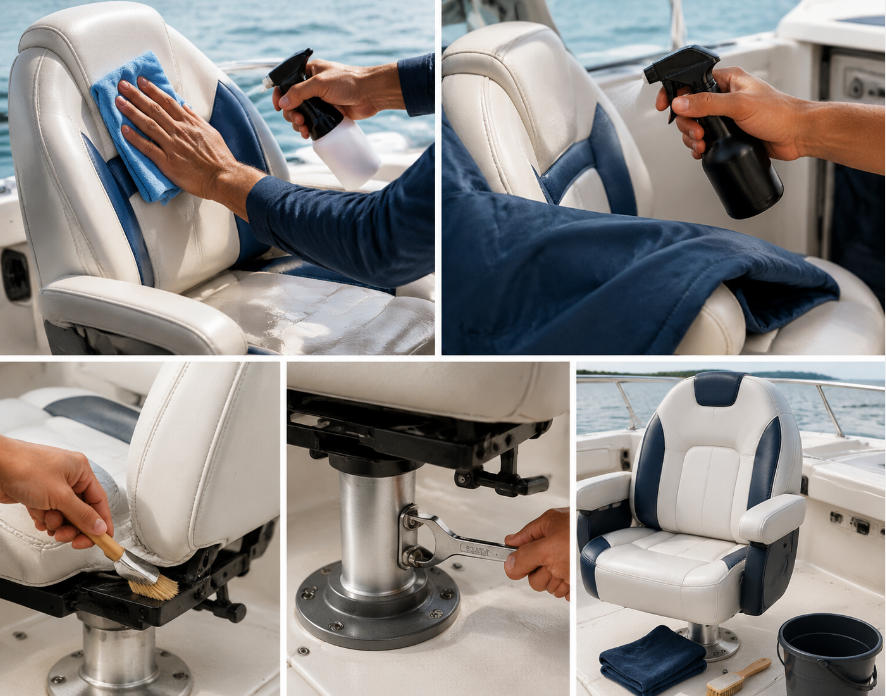
Table of Contents
Key Methods Used for Maintaining Marine Seats
1. Regular Cleaning to Prevent Salt and Dirt Damage
Salt is among the most aggressive factors tied to marine seat materials. When salt crystals build up, they pull in moisture and slowly break down fabrics, seam lines, and even metal parts.
Routine cleaning should mean wiping down the seats with fresh water after every trip, especially if you operate in seawater environments. For the deeper clean, use mild, non-abrasive soap mixtures, that are safe for marine-grade vinyl or leather. Avoid harsh detergents, since they can strip protective layers and end up speeding up cracking.
Drying matters just as much. Let the seats air dry fully before you put any covers back on. If moisture stays trapped it can trigger mildew and later on cause unpleasant odors.
2. Protecting Against UV Exposure
Sunlight exposure is another major cause of marine seat deterioration. UV rays can fade colors, harden materials, and weaken structural integrity over time.
| Aspect | Recommended Practice | Why It Important |
| UV-resistant covers | Use marine-grade, UV-blocking seat covers when not in use | Blocks direct sunlight and reduces material degradation |
| Parking / storage location | Keep vessel or seats in shaded or covered areas | Minimizes continuous sun exposure |
| UV-protectant sprays | Apply UV-inhibiting conditioners periodically | Maintains flexibility and slows fading/cracking |
| Cleaning routine | Clean before applying UV protection products | Ensures better absorption and effectiveness |
| Material selection awareness | Use UV-resistant marine vinyl or fabrics when replacing seats | Provides built-in long-term resistance |
| Rotation of exposure | Shift or reposition seats if possible | Reduces uneven fading and wear |
| Window and canopy use | Install shades, canopies, or tinted enclosures | Reduces direct UV intensity inside cabins |
| Regular inspection | Check for early signs of fading or cracking | Allows early intervention before severe damage |
| Seasonal protection | Increase UV protection during summer months | UV intensity is highest in peak seasons |
| Combined protection strategy | Use covers + sprays + shading together | Provides layered defense against UV damage |
3. Inspecting Structural Components Regularly
Beyond the surface materials, marine seats depend on internal parts such as frames, mounting brackets, hinges, and shock-absorbing systems. Those parts take constant vibration and ongoing stress.
Regular inspections should zero in on loose bolts, corrosion on metal pieces, and also any signs of wobbling or instability when the seat is being used. Re-tightening the fittings, and swapping out corroded hardware early can help avoid bigger malfunctions, which might later compromise passenger safety.
4. Preventing Mold and Mildew Growth
Marine environments are naturally humid, so seats end up being extra prone to biological growth. Mold and mildew do more than just bruise the materials, they also create health concerns and leave behind those stubborn odors.
To reduce this risk, keep airflow moving around the cabin or seating zone. After the seat gets hit by rain or spray, dry it thoroughly, no shortcuts. If you operate in tropical areas, or anywhere humidity stays high, use anti-mildew treatments on a periodic schedule.
5. Caring for Shock-Absorbing and Adjustable Mechanisms
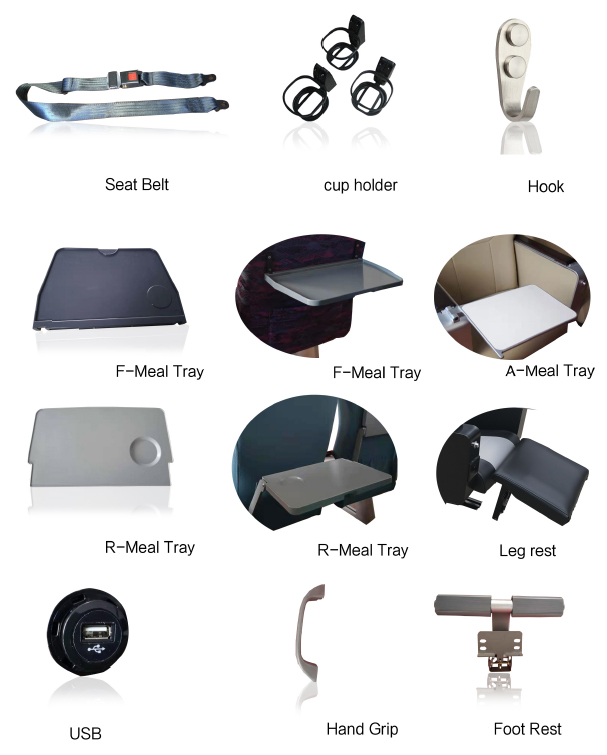
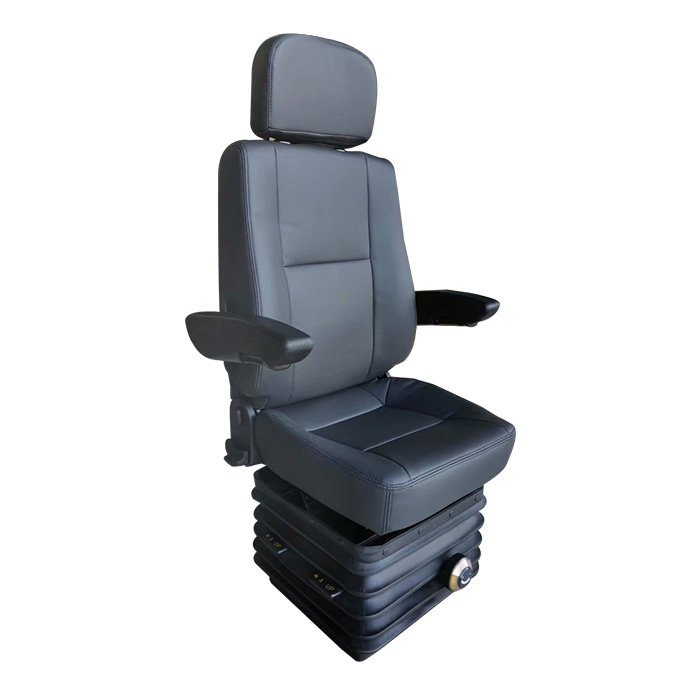
Suspension shock absorbing chairs are designed to provide comfort while you are navigating in choppy water. These mechanisms do need regular lubrication and periodic functional checks; I mean, you really have to keep an eye on them.
Use lubricants that match what the manufacturer approves, so the moving parts stay smooth and consistent. Do not apply too much lubricant, because extra grease can draw in dust and debris. If you notice stiffness or irregular movement, then servicing needs to happen promptly; otherwise, you risk long-term mechanical failure.
6. Repairing Minor Damage Early
Small cracks, loose stitching, or minor tears in the upholstery might look unimportant at first, but under marine conditions they can escalate quickly. Water getting in through damaged spots can speed up internal breakdown.
Fix the minor issues early with marine-grade repair kits, or go with professional services if you prefer. Doing this can extend the seat lifespan a lot and it can also reduce long-term replacement costs.
7. Seasonal Maintenance and Storage Practices
For boats that are not used year-round, proper storage is essential.
| Aspect | Best Practice | Function |
| Cleaning before storage | Thoroughly wash with fresh water and mild soap | Removes salt, dirt, and contaminants that cause corrosion and fabric degradation |
| Drying | Ensure complete air drying before covering | Prevents mold, mildew, and odor formation |
| Covering material | Use breathable marine-grade covers | Allows moisture to escape while protecting from dust |
| Storage location | Keep in a cool, dry, shaded area | Reduces UV exposure and moisture buildup |
| Ventilation | Maintain airflow around stored seats | Prevents condensation and microbial growth |
| Positioning | Store seats in upright or manufacturer-recommended position | Avoids deformation and pressure damage |
| Hardware protection | Apply anti-corrosion treatment to metal parts | Prevents rust on frames, brackets, and fasteners |
| Cushion care | Avoid compressing foam for long periods | Maintains original shape and comfort |
| Periodic inspection | Check every few weeks during storage | Early detection of mold, pests, or corrosion |
| Environmental control | Use dehumidifiers in enclosed storage spaces | Keeps humidity levels stable |
Types of Marine Seats with Different Maintenance Practices
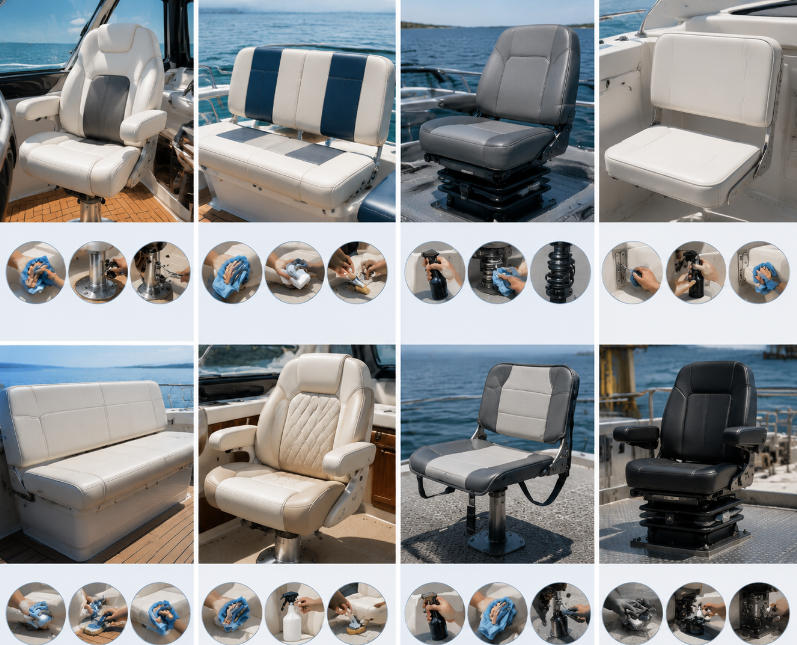
The following chart provides specific maintenance practices for different types of marine seats and chairs.
| Type of Marine Seat | Typical Use | Key Features | Maintenance Practices |
| Helm Seat (Operator Seat) | Steering/control stations on boats and ships | Adjustable height, swivel base, shock absorption, ergonomic support | Regular lubrication of moving parts, inspection of mounting bolts, UV protection, frequent cleaning of controls |
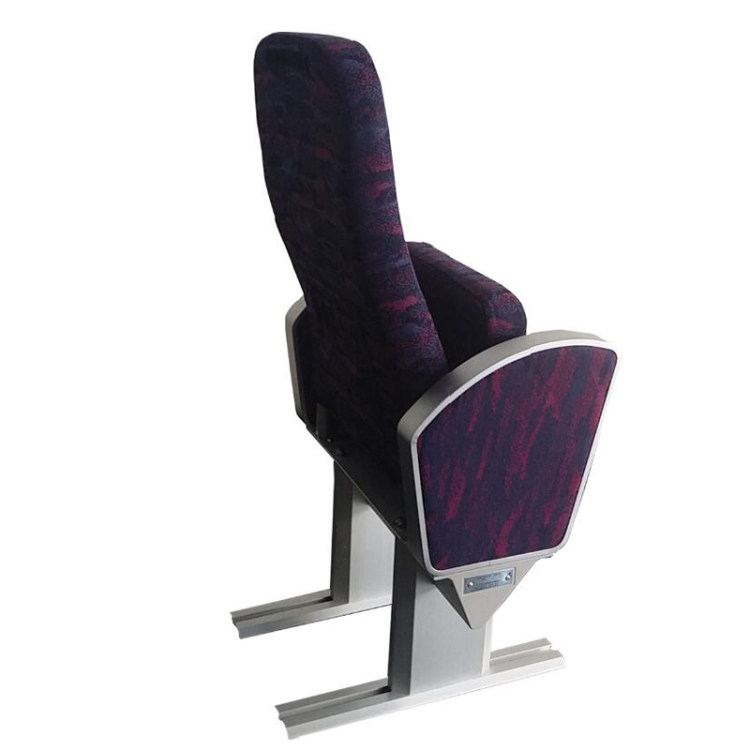
| Passenger Seat | Recreational and commercial passenger areas | Fixed structure, cushioned seating, high comfort design | Routine cleaning, UV protection, mold prevention, periodic fabric inspection |
| Suspension Seat | High-speed boats, rough water operations | Shock-absorbing suspension system, vibration reduction | Lubricate suspension system, check shock absorbers, tighten structural components |
| Foldable Seat | Small boats, space-limited vessels | Space-saving design, foldable frame | Check folding hinges, prevent rust, avoid overloading, clean joints regularly |
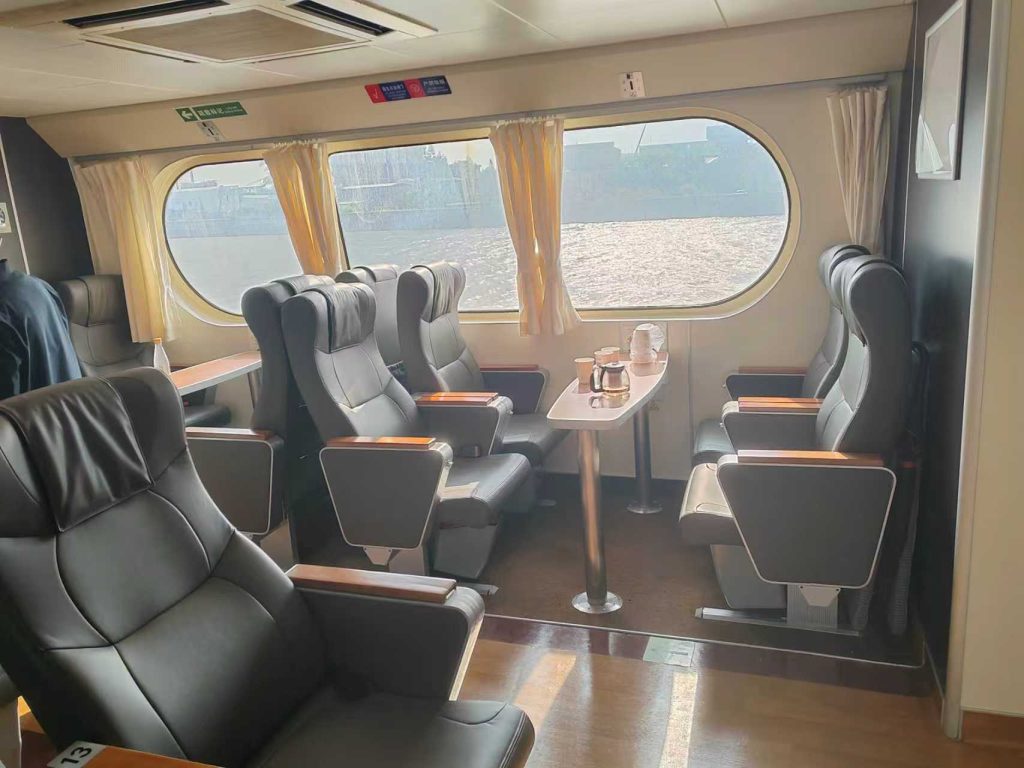
| Bench Seat | Ferry boats, workboats, larger vessels | Long continuous seating, durable frame | Clean the entire surface regularly, inspect support structure, ensure drainage of water |
| Captain Chair Seat | Premium vessels and yachts | High-end materials, enhanced comfort, multi-adjustment functions | Use specialized upholstery cleaners, UV protection, detailed mechanical inspection |
| Folding Fishing Seat | Recreational fishing boats | Lightweight, portable, water-resistant materials | Rinse after saltwater exposure, dry thoroughly, inspect folding joints |
| Offshore Work Seat | Industrial and offshore vessels | Heavy-duty construction, reinforced frame | Frequent inspection of corrosion, heavy-duty lubrication, strict cleaning schedule |
Common Mistakes in the Maintenance of Marine Seats and How to Avoid Them
| Common Mistake | What Happens | How to Avoid It | Best Practice |
| Using harsh chemical cleaners | Damages vinyl, leather coating, and stitching | Avoid bleach, strong solvents, or abrasive detergents | Use mild soap and marine-approved cleaners |
| Ignoring salt residue | Causes corrosion, stiffness, and material breakdown | Rinse seats with fresh water after every use | Routine post-trip rinsing |
| Storing seats while damp | Leads to mold, mildew, and odor | Always dry seats completely before storage | Air-dry in ventilated areas |
| Using airtight plastic covers | Traps moisture and accelerates mildew growth | Use breathable marine-grade covers | Allow airflow during storage |
| Overexposure to sunlight | Fading, cracking, and hardening of materials | Use UV covers and park in shaded areas | Apply UV-protectant sprays regularly |
| Neglecting metal parts | Rust on frames, bolts, and hinges | Inspect and apply anti-corrosion treatment | Routine hardware maintenance |
| Skipping regular inspections | Small issues grow into costly damage | Set scheduled inspection intervals | Monthly or seasonal checks |
| Over-lubricating mechanisms | Attracts dust and causes clogging | Apply lubricant sparingly and correctly | Use manufacturer-recommended lubricants |
| Improper storage stacking | Deforms cushions and structure | Store seats upright without heavy loads | Follow manufacturer storage guidelines |
| Delaying minor repairs | Small cracks become major failures | Repair tears, stitching, and cracks immediately | Use marine-grade repair kits early |
| Poor ventilation in storage | Encourages condensation and mold growth | Ensure airflow in storage space | Use dehumidifiers if needed |
| Using seats continuously without maintenance | Accelerates wear and reduces lifespan | Implement routine maintenance schedule | Combine cleaning, inspection, and protection |
Summary
Keeping marine seating in good condition is a continuous process, with cleaning added to protection, plus regular inspections, and then quick repairs when needed. If vessel owners stick to one steady maintenance routine, they can extend the service life of their seating systems a lot, keep the onboard comfort higher, and also make sure passenger safety stays solid in harsh marine conditions.