

Single Bitt vs. Double Bitt Mooring Bollards: How to Choose the Right Type
Mooring bollards are key fittings on marine decks. They hold ships, boats, and offshore units in place at docks, quays, and terminals. With dependable points for mooring ropes and lines, bollards support vessel control during docking and cargo work.
Two common types are single bitt mooring bollards and double bitt mooring bollards. Although both serve the same basic purpose, their structures, load capacities, rope arrangements, and suitable applications differ significantly. The right choice often depends on vessel size, mooring needs, local port conditions, and operational demands.

Understanding Single Bitt Mooring Bollards
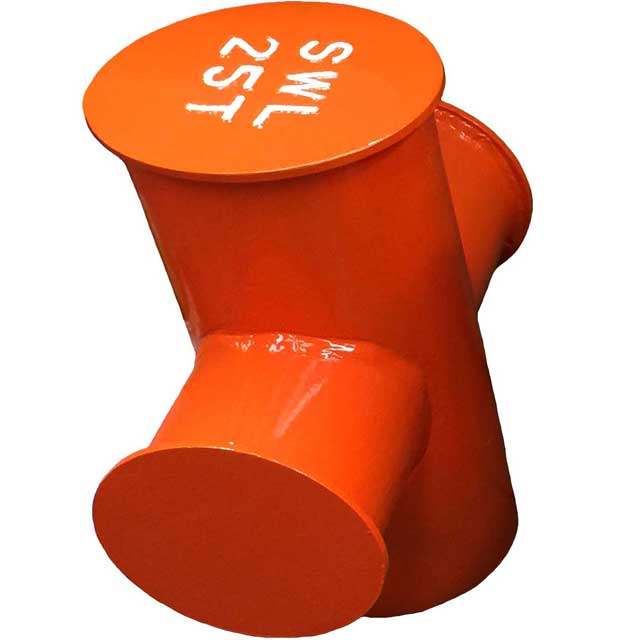
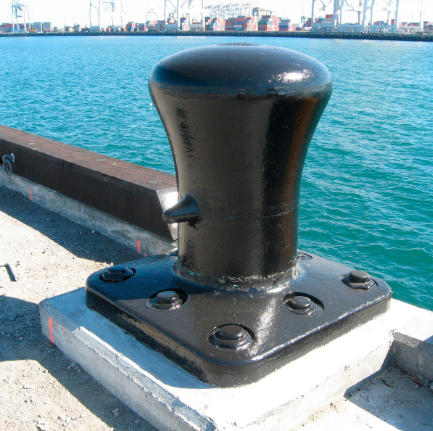
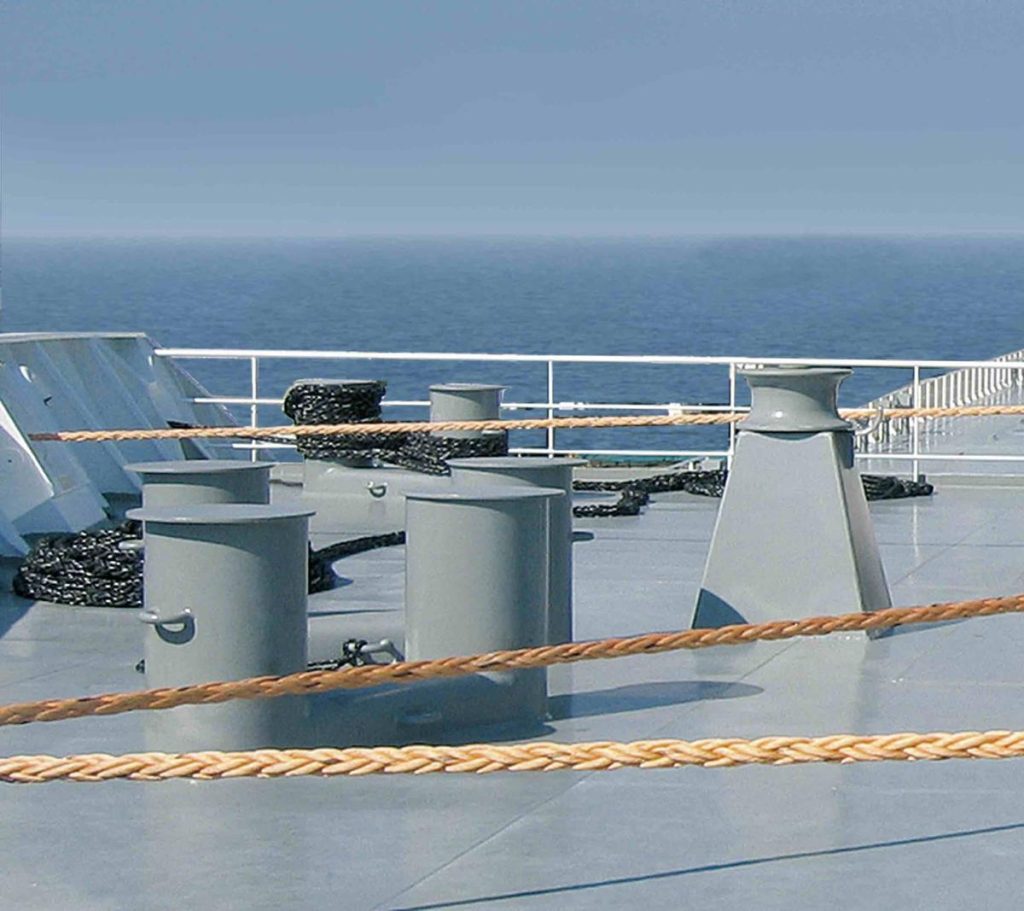
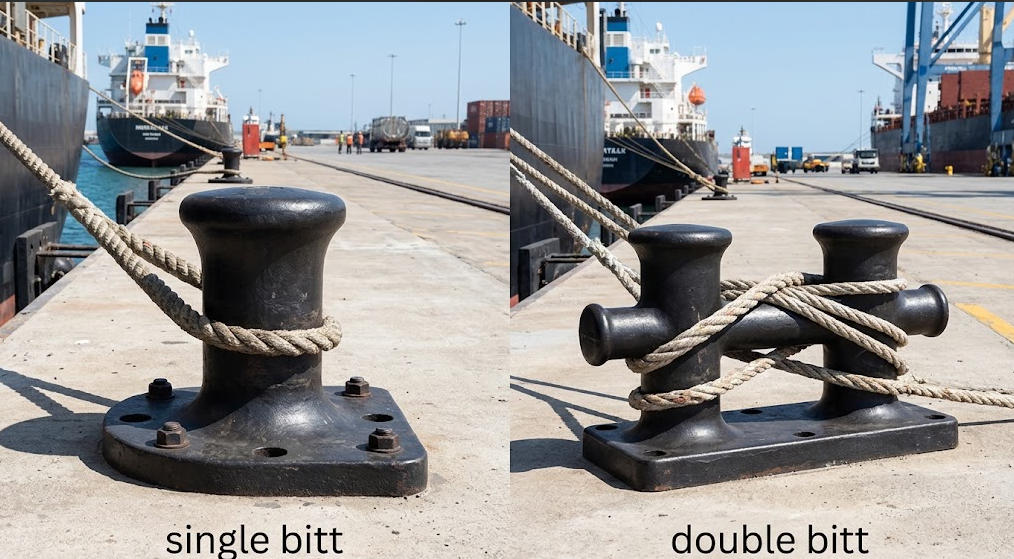
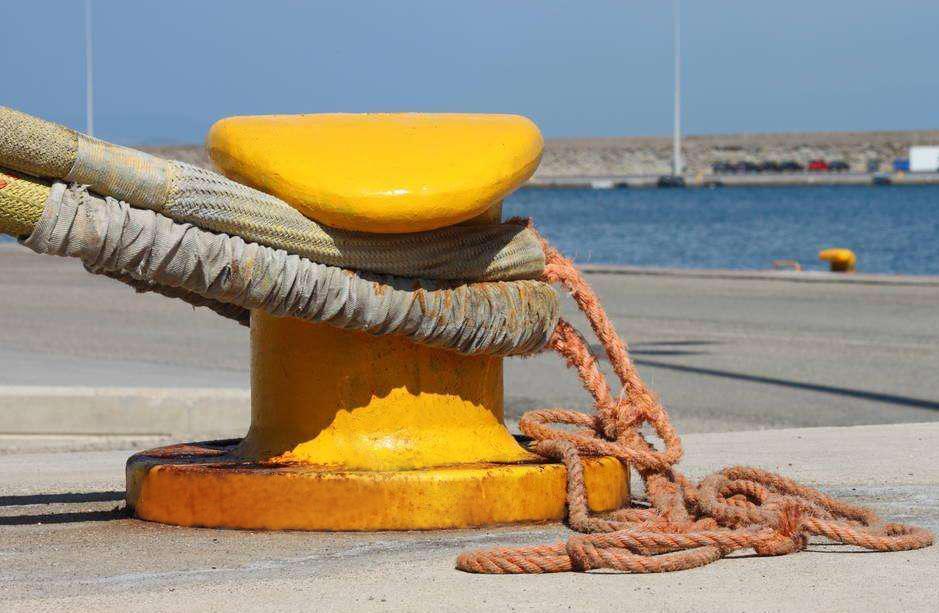
A single bitt bollard has one upright post on a heavy base. Crews use it to secure vessels with mooring ropes. The rope wraps around the bitt, which forms a firm tie between the boat and the dock.
These bollards are popular where space is tight and mooring loads are not extreme. You often see them at marinas, smaller ports, and docks that handle small to mid-sized vessels.
Advantages
- Simple and Compact Design: The one-post design is easy to make, fit, and use. It also works well where there is not much room for installation.
- Easy Rope Handling: Crews can attach and release mooring lines quickly because the rope has one clear securing point.
- Cost-Effective Solution: Compared with larger designs, single bitt bollards use less material and need simpler setup. That makes them a practical option for lighter duty use.
- Wide Range of Applications: Single bitt bollards can be found in fishing harbors, marinas, small ports, and workboat areas. They fit places where very high mooring forces are not expected.
Limitations
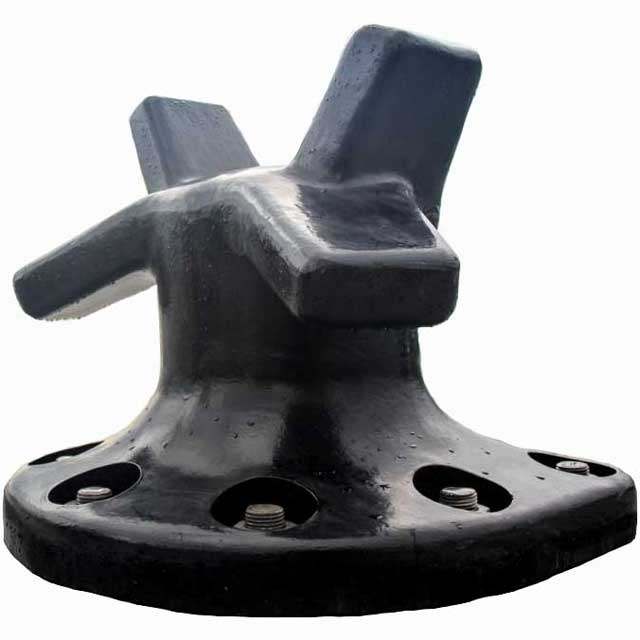
- Lower Load Capacity: For big vessels or very strong mooring forces, a single bitt may not be enough. In rough marine weather, a stronger bollard style may be needed.
- Less Flexibility for Multiple Mooring Lines: A single bitt design offers less room for arranging several ropes or handling complex mooring patterns than a double bitt unit.
- Higher Dependence on Foundation Strength: The deck or quay structure still matters a lot. Installation must be done correctly so mooring forces transfer safely.
- Not Ideal for Harsh Heavy-duty Use: These are usually for moderate needs, not for large commercial terminals, offshore plants, or places with severe conditions.
Applications
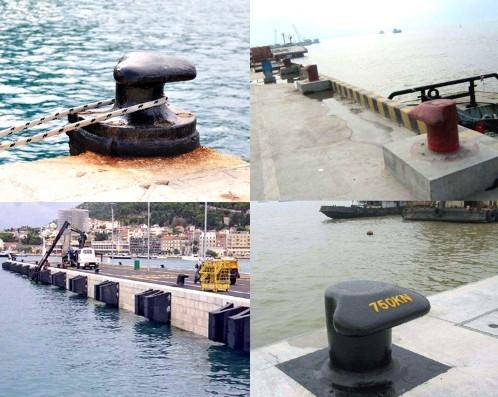
Single bitt mooring bollards are commonly used in marinas, small ports, fishing docks, pontoons, and workboat berths. They provide a practical solution for vessels that require reliable but moderate mooring support.
Understanding Double Bitt Mooring Bollards
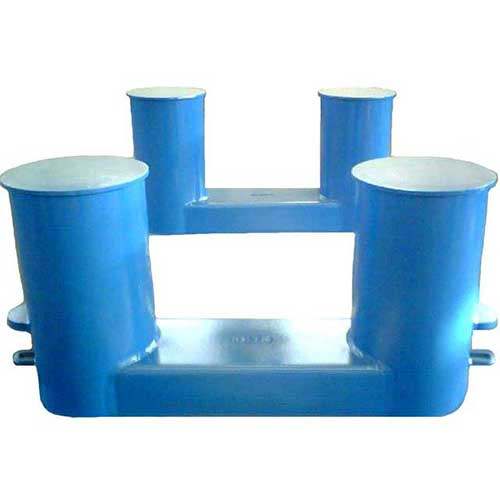
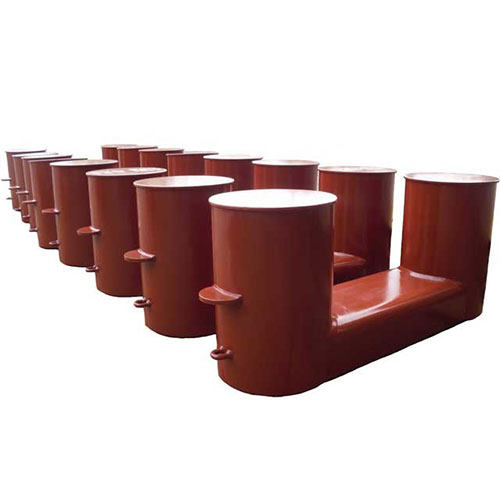
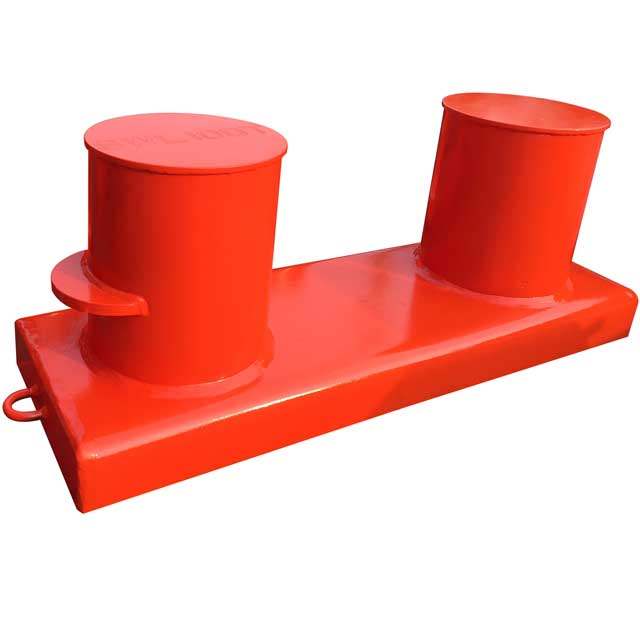
A double bitt bollard is a marine fitting with two vertical posts mounted on a strong base, designed to secure vessels using mooring ropes. The two-bitt structure provides more options for rope arrangement and helps handle higher mooring forces caused by vessel movement, wind, waves, and currents.
Double bitt mooring bollards are commonly used in ports, shipyards, terminals, and offshore facilities where reliable and heavy-duty mooring performance is required.
Advantages
- Higher Load Capacity: The double-post design provides strong support for larger vessels and high-load mooring operations. It is suitable for cargo ships, container vessels, and offshore applications where greater holding strength is needed.
- Flexible Rope Arrangement: With two bitts available, operators can arrange multiple mooring lines more easily. This improves flexibility when handling different vessel sizes and changing mooring conditions.
- Improved Mooring Stability: Double bitt marine bollards help maintain vessel position by providing secure attachment points for mooring ropes. They are effective in environments affected by strong currents, wind, or wave movement.
- Suitable for Heavy-Duty Applications: These bollards are widely used in commercial ports, shipyards, and industrial terminals due to their durability and ability to withstand demanding marine conditions.
Limitations
- Requires More Installation Space: The two-post structure occupies more area than a single bitt bollard, making it less suitable for small docks or areas with limited space.
- Higher Cost: Double bitt bollards require more materials and stronger supporting structures, which can increase manufacturing and installation costs.
- More Complex Installation: Because they handle higher loads, double bitt bollards require proper foundation design and accurate installation to ensure safe operation.
- Not Always Suitable for Light-Duty Use: For small vessels or low-load applications, a double bitt bollard may provide more capacity than necessary compared with simpler designs.
Applications
Double bitt mooring bollards are commonly installed in container terminals, cargo docks, shipyards, offshore platforms, and large vessel berthing areas. They are preferred where strong load resistance, flexible rope handling, and long-term reliability are required.
Key Comparison Between Single Bitt and Double Bitt Mooring Bollards
| Comparison Factor | Single Bitt Mooring Bollards | Double Bitt Mooring Bollards |
| Structure | Consists of one vertical bitt mounted on a base | Consists of two vertical bitts mounted on a shared base |
| Design Purpose | Designed for basic and moderate mooring operations | Designed for heavy-duty and complex mooring operations |
| Load Capacity | Suitable for low to medium mooring loads | Suitable for higher mooring loads and larger vessels |
| Rope Arrangement | Provides a simple rope securing point | Allows more flexible arrangements for multiple mooring lines |
| Operation | Simple and easy for routine mooring tasks | Offers greater flexibility for demanding mooring operations |
| Vessel Applications | Small boats, fishing vessels, workboats, and small commercial vessels | Cargo ships, container vessels, tankers, and offshore vessels |
| Mooring Stability | Provides reliable stability for moderate conditions | Provides improved stability under higher loads and harsh conditions |
| Cost | Lower manufacturing and installation costs | Higher costs due to additional materials and stronger construction |
| Installation Requirements | Easier installation with simpler foundation requirements | Requires stronger foundations and more detailed engineering |
| Maintenance | Easier inspection and maintenance due to simple design | Requires regular inspection due to larger structure and higher loads |
| Space Efficiency | Excellent for limited deck or quay space | Less space-efficient but provides better performance |
| Flexibility | Limited flexibility for multiple rope configurations | Higher flexibility for different vessel sizes and mooring conditions |
Key Factors to Consider for Choosing Between Single Bitt and Double Bitt Mooring Bollards
1. Vessel Size and Mooring Load Requirements
Vessel size and mooring load are key when choosing a bollard. Bigger ships create higher forces. These come from wind, waves, currents, and the way the vessel moves in berth.
Single bitt bollards are common on small to medium vessels. They are used when mooring loads are moderate. Double bitt bollards are usually chosen for larger commercial ships. This includes container ships, tankers, and offshore vessels that need higher load capacity.
The safe working load of the bollard should match the mooring forces expected. This helps the system perform as intended.
2. Mooring Line Quantity and Arrangement
The count of mooring ropes and how they are set up can change what bollards are picked. When there are fewer lines, single bitt bollards can be enough. They give one clear place to hook the ropes.
Double bitt bollards add more options. With two posts, crews can spread ropes in more than one pattern. This helps in ports where vessel sizes differ and moorings are not the same each time.
3. Installation Space Availability
Space on deck or quay matters too. Single bitt bollards take less room. They fit better on small docks, tight platforms, and sites with limited layout options.
Double bitt bollards need more clearance because of the two-post layout. Even so, the extra space can make rope handling easier. It can also help for heavy-duty work.
4. Environmental Conditions
Ocean settings can raise mooring loads. Wind, waves, tides, currents, and storms can add force to both the vessel and the mooring system.
In calmer water and steady operating conditions, single bitt bollards may work well. When conditions are harsher, double bitt bollards are often chosen. They tend to handle more load and stay steadier.
5. Port and Operational Requirements
The kind of marine facility also guides the choice. Smaller marinas, fishing harbors, and workboat docks often favor straightforward, lower-cost solutions. In those cases, single bitt bollards fit the need.
Bigger commercial terminals, shipyards, and offshore sites deal with larger ships and tougher routines. Double bitt marine mooring bollards can be a better match there. They can offer more flexibility and durability.
6. Material and Corrosion Resistance
Marine mooring bollards sit in seawater and humidity. Weather changes also keep affecting them. Because of that, material choice and corrosion control matter for long service life.
Single and double bitt bollards should use tough marine-grade materials. Ductile iron, cast steel, or similar options are common. Coatings and routine upkeep also help slow corrosion and keep the structure strong.
7. Foundation and Installation Requirements
The base must move mooring forces into the structure safely. A strong bollard alone cannot fix weak foundations or poor anchoring.
Single bitt bollards often have simpler installation. Their smaller build is easier to integrate. Double bitt bollards usually call for stronger foundations and more careful engineering. They are meant to carry higher loads.
8. Cost Considerations
Cost is a key part of the decision. Single bitt bollards often cost less to make and install. That is mainly due to their simpler design.
Double bitt bollards need more parts and a sturdier setup. That usually means higher costs at the start. Still, their extra load capacity and adaptability can help over time for demanding marine work.
9. Maintenance Requirements
You should inspect and service mooring gear often to keep it safe. Corrosion can weaken metal, and cracks or bending can show up with use. You also need to check for deformation and review the anchor condition on a schedule.
Single bitt bollards are often simpler to check. They have fewer parts, so inspection can be quicker. Double bitt bollards may need more attention, since they are common where loads are higher.
Comparison of Selection Factors
| Selection Factor | Single Bitt Mooring Bollards | Double Bitt Mooring Bollards |
| Vessel Size | Small and medium vessels | Large vessels and heavy-duty ships |
| Mooring Load | Moderate loads | High mooring loads |
| Installation Space | Limited space requirements | Requires larger installation area |
| Environment | Moderate marine conditions | Harsh conditions with higher forces |
| Application | Marinas, small ports, workboats | Terminals, shipyards, offshore facilities |
| Cost | Lower initial investment | Higher investment for greater capacity |
| Foundation Requirements | Simpler foundation design | Stronger foundation and engineering support |
| Maintenance | Easier inspection and maintenance | Requires regular heavy-duty inspection |
Summary
- Single bitt bollards are ideal for smaller vessels and applications requiring simple, space-efficient solutions.
- Double bitt bollards provide greater flexibility, higher load capacity, and improved performance for large vessels and demanding marine environments.
Final Thoughts
Single bitt and double bitt mooring bollards both matter in marine mooring. Choosing the right type takes thought about vessel size, mooring forces, weather and sea conditions, and installation requirements. When the design fits the task, marine mooring bollards can support safer operations, steady performance, and smoother work in ports, terminals, and offshore sites.