

How to Install a Roller Fairlead in Marine Environments
A roller fairlead is a key part of marine mooring, anchoring, and winching systems. It steers mooring lines, wire ropes, and anchor chain. As the line passes over the unit, it helps cut down on rubbing and limits line scuffing. It also supports steady travel during normal vessel work. You can find roller fairleads on cargo ships, fishing boats, sail and power yachts, and offshore platforms.
However, installing a roller fairlead in a marine environment requires special attention to corrosion resistance, mounting strength, waterproofing, and mechanical alignment. Marine roller fairleads see salt spray, damp air, shifting temperatures, and repeated shock loads. Incorrect installation can lead to corrosion, loose connections, structural damage, and premature equipment failure. This guide covers how to install a roller fairlead in marine environments correctly, including preparation, installation procedures, challenges and maintenance work.
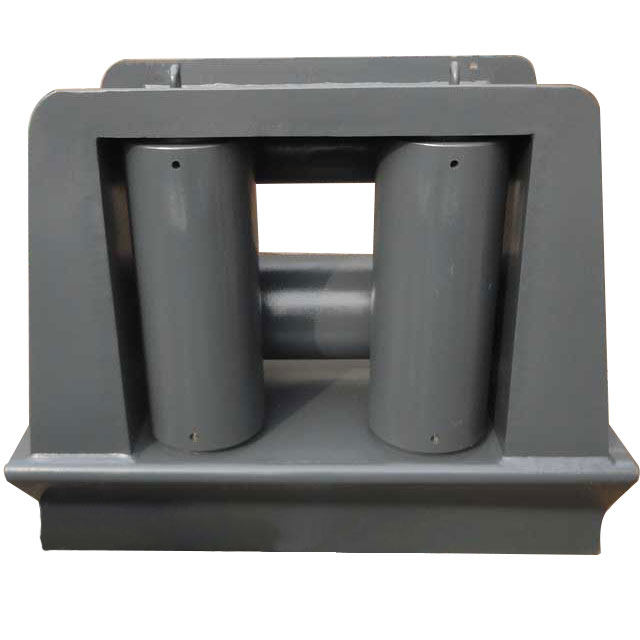
Table of Contents
Understand the Requirements of Marine Roller Fairlead Installation
Before beginning installation, it is important to understand the operating conditions of the marine environment and how they affect roller fairlead performance.
Most marine roller fairleads use stainless steel, hot-dip galvanized steel, or other corrosion-resistant materials. They guide rope or chain and help keep the line from hitting rough metal edges. That also lowers friction during use.
Before you begin, check these points.
- Saltwater corrosion: Seawater can speed up rust. It gets worse when different metals touch.
- Dynamic loading: Boat roll, waves, wind, and mooring changes can load the fairlead hard, especially during tension shifts.
- Humidity and moisture: Damp air can affect bolts, bearings, and other moving parts.
- Mechanical friction: Continuous movement of rope or cable can wear rollers and nearby surfaces.
- Temperature shifts: Hot and cold swings can change parts behavior, lubrication, and small clearances.
When you map these factors, you can pick the right fairlead build, the mounting material, and the install method.
Select a Suitable Marine Roller Fairlead
Choosing the correct roller fairlead is the foundation of a successful installation.
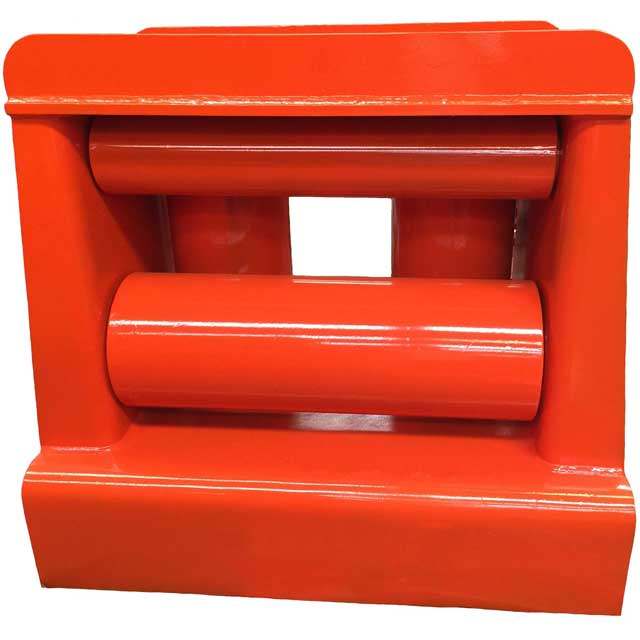
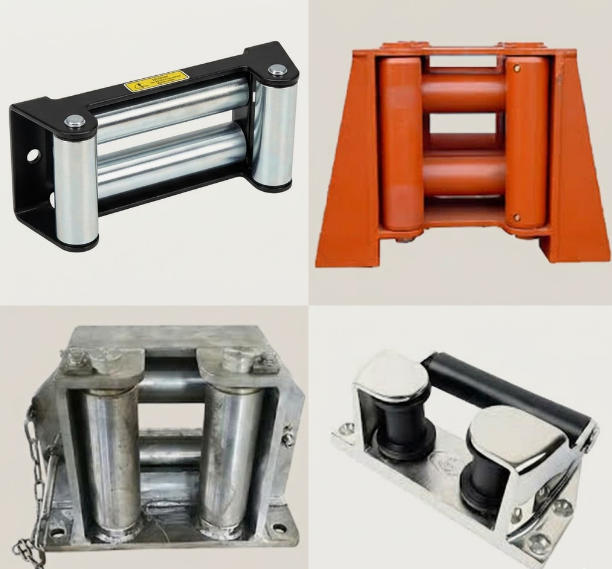
Different vessels and marine applications require different fairlead configurations. A small recreational boat may use a compact roller fairlead, while commercial vessels and offshore equipment generally require heavy-duty assemblies designed for higher loads.
When selecting a marine roller fairlead, consider the following factors:
| Selection Factor | What to Consider | Importance |
| Material | Marine-grade stainless steel or appropriately protected steel | Improves corrosion resistance |
| Working Load | Expected mooring or winching forces | Prevents overloading |
| Roller Diameter | Compatible with rope, cable, or chain requirements | Reduces excessive bending and friction |
| Roller Configuration | Horizontal, vertical, or multi-roller design | Supports different line directions |
| Mounting Dimensions | Compatible with the available installation space | Ensures secure installation |
| Bearing Design | Suitable for the operating environment | Supports smooth roller movement |
| Surface Protection | Suitable protective coating or finish | Helps resist marine corrosion |
The selected fairlead should meet the manufacturer’s specifications and applicable vessel requirements. Its rated capacity must be compatible with the entire load path, including the mounting structure and fasteners.
A Step-by-Step Guide to Installing a Roller Fairlead in Marine Environments
Step 1. Prepare the Installation Tools and Materials
Proper preparation helps prevent installation errors and improves work efficiency.
- Marine roller fairlead assembly.
- Corrosion-resistant mounting bolts, nuts, and washers
- Electric drill and proper drill bits.
- Measuring tape and a marking tool.
- Wrenches and socket set.
- Alignment tools, or a level.
- Marine-grade sealant or bedding compound.
- Corrosion protection products that match the hardware.
- Backing plates or other structural reinforcement.
- Personal protective equipment.
For marine work, the fit between fasteners and the surrounding parts matters a lot. Many people use stainless fasteners. Even so, the right grade and the way you fit them depend on what the vessel is made of and what it will see in service.
Don’t combine metals that do not get along, unless you add proper separation. With seawater present, galvanic corrosion can start and spread.
Step 2. Choose the Correct Installation Location
Where you mount the fairlead changes how well it works and how long it lasts.
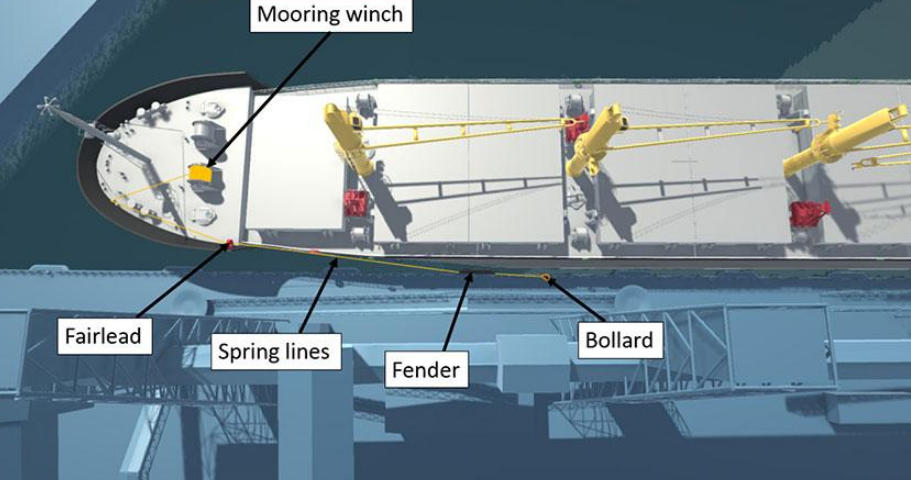
Set the roller fairlead so it lines up with the planned path of the mooring rope, anchor chain, or winch cable. Good alignment lowers odd friction. It also helps spread the load across the rollers instead of stressing one spot.
Before you pick the spot, check these items.
- Structural strength: The mounting area must handle the loads you expect during use. Look over the deck, hull parts, and any supports before you drill.
- Line direction: Put the fairlead so the line runs through the rollers without tight bends or side push.
- Clearance: Make sure there is enough room for the rollers to turn and for the line to move. Keep nearby parts from hitting the unit.
- Drainage: Avoid setups that hold seawater around the mounting base, bolt area, or bearings.
- Service access: You should be able to clean, inspect, lubricate, and swap parts without major trouble.
For heavy-duty marine duty, confirm the mount location against the vessel structural drawings and the relevant engineering rules.
Step 3. Measure and Prepare the Mounting Surface
After you settle on the location, measure the mounting area with care.
Set the roller fairlead where it will sit. Use the base to mark the bolt holes. Check the maker’s drawings. Confirm hole spacing, mounting direction, and the fastener sizes you must use.
Before drilling, look under the surface. Search for electrical wiring, hydraulic lines, fuel pipes, and other nearby systems.
The mounting surface should be clean, level, and solid. Remove grime, oil, loose paint, and rust spots as needed.
On steel decks, fix any worn coating around the install spot. Use a suitable marine coating system. On fiberglass or composite decks, look for cracks, layers that separate, and areas with weak backing.
Accurate measurements and proper surface preparation help prevent installation problems and improve long-term mounting stability.
Step 4. Install the Roller Fairlead and Secure the Fasteners
With the surface ready, place the roller fairlead into position. Line up the mounting holes with the marked holes.
Use these installation steps:
- Set the roller fairlead on the prepared mounting surface.
- Line up the mounting holes with the marked bolt spots.
- Put in the listed mounting bolts and washers.
- Fit the nuts in place, plus any locking parts that are needed.
- Tighten the bolts slowly and in an even way.
- Confirm the mounting base sits flat and does not bend.
- Make sure each roller has enough space so it turns freely.
For marine deck work, spread a marine bedding compound around the mounting holes and any contact areas. This helps stop water from getting inside.
If the design calls for it, add backing plates or other engineered reinforcement. This helps spread the load through the supporting deck.
Do not use sealant instead of bolts, or in place of structural support. Follow the manufacturer’s torque value and setup rules every time.
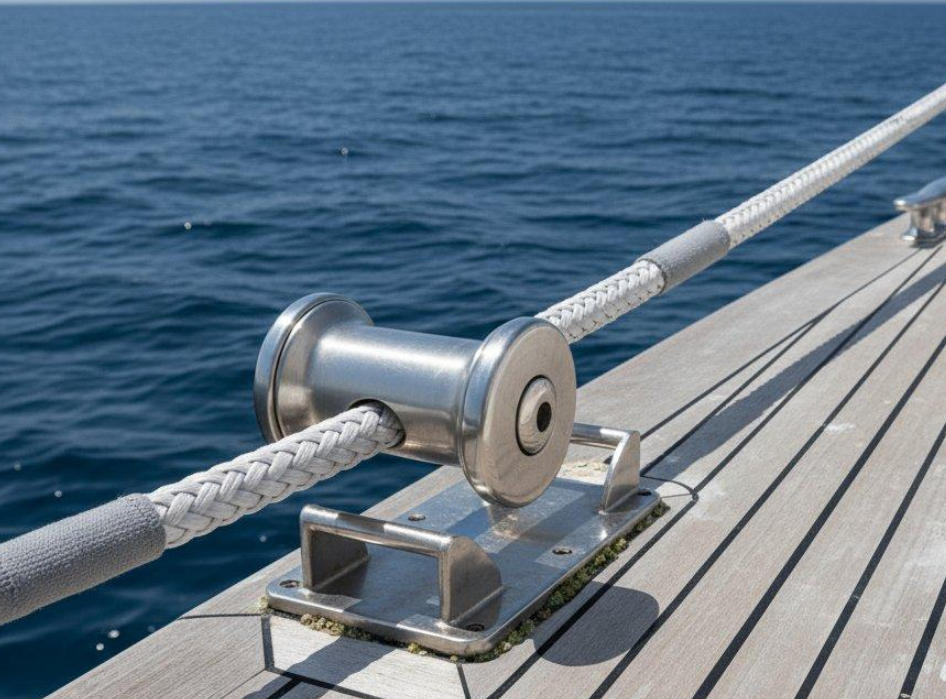
Step 5. Protect the Installation Against Marine Corrosion
Corrosion control matters a lot with roller fairleads used at sea.
Saltwater speeds up corrosion on metal parts. This includes mounting bolts, roller shafts, and other exposed pieces. Corrosion can also happen between different metals that touch electrically in seawater.
Use these steps to cut risk.
- Choose marine-suitable materials: pick materials and fasteners made for the vessel’s saltwater exposure.
- Limit galvanic corrosion: match metals properly. Use the right insulating washers, sleeves, or isolation parts when the plan requires them.
- Coat exposed metal: apply marine protective coatings that fit the metal type.
- Seal mounting areas: use bedding compound to reduce water seepage at deck penetrations.
- Avoid water traps: make sure the setup does not form spots where water can sit.
- Inspect often: look for rust, small pits, coating damage, and corrosion near fasteners and contact points.
For stainless steel components, remember that stainless steel is corrosion-resistant rather than completely corrosion-proof. Proper material selection, cleaning, and maintenance remain necessary.
Step 6. Check Roller Alignment and Rotation
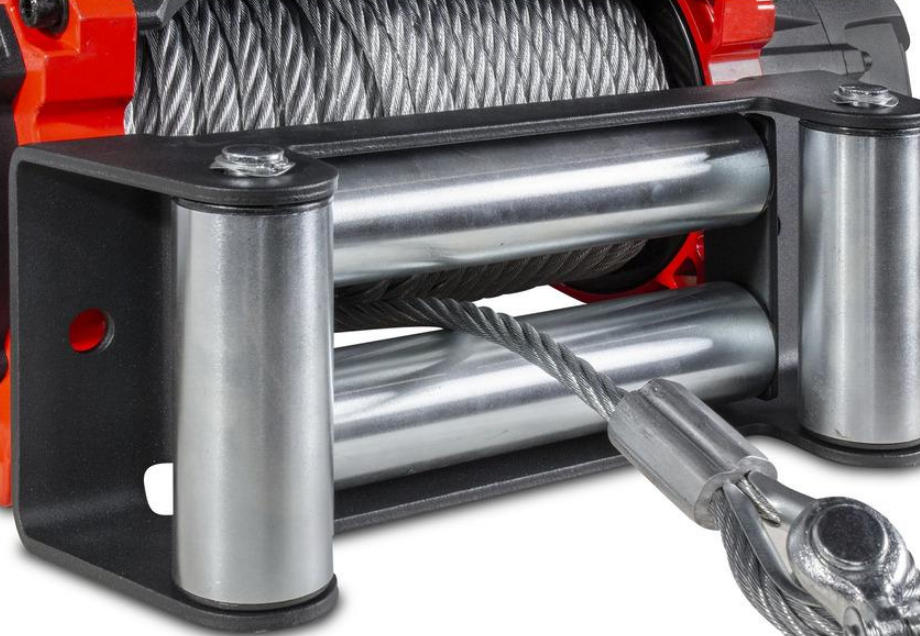
After securing the roller fairlead, check whether all rollers are correctly aligned and can rotate freely.
Each roller should spin with low drag. Watch for odd sounds, too much resistance, or a visible wobble. Also confirm the roller shafts and bearings are seated correctly.
Then feed a proper rope or cable through the fairlead and watch it move.
The rope or cable should stay in the roller assembly. It must pass smoothly, without snagging, twisting, or scraping on sharp areas.
Check these points:
- Each roller turns smoothly.
- The rope or cable stays in the right position.
- Rollers do not rub or hit nearby parts.
- The mounting frame stays firm.
- No unusual vibration or noise shows up.
- The line should not be overly held back by friction.
- If you notice alignment issues, fix them first, then proceed.
Step 7. Conduct an Operational Test
Once the installation and alignment checks are complete, conduct an operational test.
Begin with a light load. Watch the rope or cable as it passes over the roller fairlead. Make sure the setup stays where it should, and confirm the rollers guide the line.
Raise the load little by little. Do this only under the testing steps given by the maker. Stay within the equipment limits listed by the maker.
While you test, look at the mount points and watch how the rollers move. Also check the nearby frame or structure. If you see odd shifts, loud grinding, or any bending, stop and check right away.
For marine and industrial jobs where loads are high, use trained staff. They should follow the safety rules that apply.
Never exceed the rated working load of the fairlead or its supporting structure during testing or normal operation.
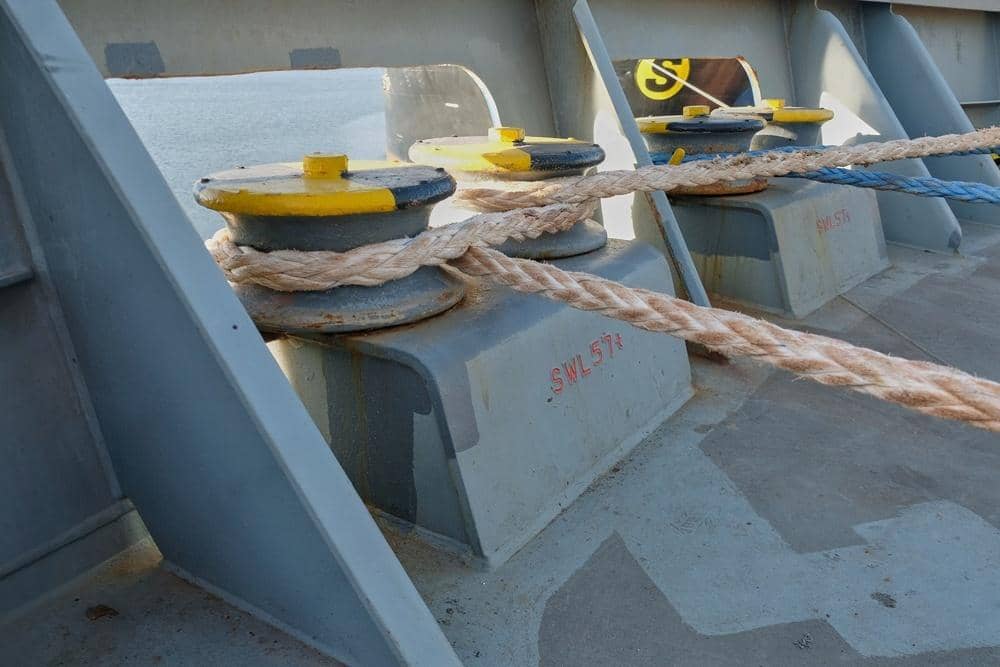
Common Challenges When Installing Roller Fairleads in Marine Environments
Installing roller fairleads in marine environments involves several challenges related to corrosion, structural strength, mechanical alignment, and harsh operating conditions. The following chart summarizes the major installation challenges, their potential impacts, and recommended solutions.
| Installation Challenges | Main Causes | Potential Impacts | Recommended Solutions |
| Saltwater Corrosion | Continuous exposure to seawater and salt deposits | Rust, surface deterioration, and reduced equipment lifespan | Use suitable marine-grade materials and corrosion-resistant protective coatings |
| Galvanic Corrosion | Contact between dissimilar metals in seawater | Accelerated deterioration around fasteners and mounting connections | Select compatible materials and use appropriate electrical isolation |
| Weak Mounting Structure | Insufficient deck strength or inadequate reinforcement | Loose installation, structural deformation, or equipment failure | Inspect the mounting surface and install suitable backing plates or reinforcement |
| Incorrect Roller Alignment | Improper positioning during installation | Uneven loading, increased friction, and rope or cable damage | Align the fairlead with the intended line direction |
| Water Penetration | Inadequate sealing around mounting holes | Internal corrosion, leakage, and deck deterioration | Apply suitable marine-grade bedding compounds |
| Heavy Dynamic Loads | Waves, vessel movement, wind, and changing mooring forces | Fastener loosening and excessive structural stress | Follow engineering requirements and verify the complete load path |
| Limited Installation Space | Crowded deck layouts and nearby equipment | Restricted roller movement and difficult maintenance | Measure available space and check clearances before installation |
| Bearing and Roller Wear | Continuous movement, contamination, and insufficient maintenance | Abnormal noise, sticking, and reduced operating efficiency | Inspect rollers and bearings regularly and lubricate according to manufacturer instructions |
| Temperature Fluctuations | Changing marine weather and operating conditions | Changes in material dimensions and lubricant performance | Select suitable materials and lubricants for the operating temperature range |
| Difficult Maintenance Access | Poor installation positioning | Delayed inspections and increased maintenance costs | Choose an accessible installation location |
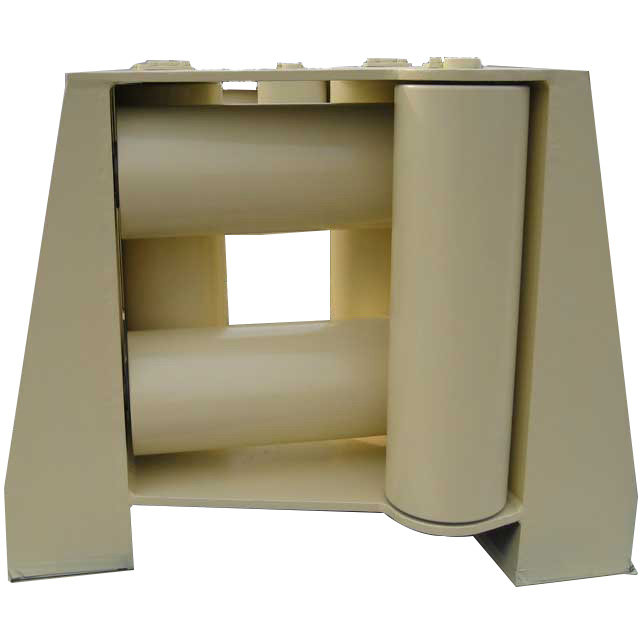
Maintenance of a Marine Roller Fairlead After Installation
Even when a roller fairlead is installed correctly, regular maintenance is necessary to ensure reliable performance in harsh marine conditions.
| Maintenance Item | Recommended Frequency | Maintenance Measures |
| Roller Inspection | Weekly | Check for cracks, deformation, and excessive wear |
| Roller Rotation | Weekly | Confirm smooth movement and identify sticking |
| Bearing Inspection | Monthly | Check for wear, corrosion, and abnormal noise |
| Mounting Fasteners | Monthly and after unusual loading | Inspect for loosening and follow specified torque requirements |
| Corrosion Inspection | Monthly | Check for rust, pitting, and coating damage |
| Freshwater Cleaning | After seawater exposure | Remove salt deposits and accumulated dirt |
| Lubrication | According to manufacturer instructions | Apply compatible lubricant where required |
| Structural Inspection | At scheduled vessel inspections | Examine mounting areas, backing plates, and supporting structures |
Regular cleaning, inspection, and timely replacement of worn components can help extend the service life of marine roller fairleads.
Summary
Installing a roller fairlead in marine environments requires careful consideration of material selection, mounting strength, mechanical alignment, and corrosion protection. In marine work, you also deal with salt spray, wet air, constant vibration, and loads that shift as the job changes.
First, pick a roller fairlead that fits the job and matches the conditions. Next, get a solid spot for the mounting so the surface will not flex or shift. Then set it in the right place and fasten it tightly with proper hardware. Seal the points that need sealing, and apply corrosion protection so water can’t get in. After that, check the setup in person. Look for misalignment, loose fasteners, and any signs of poor fit. Run a basic operational test to confirm the system works smoothly and is ready for use.
By following the correct installation procedures and maintaining the equipment regularly, vessel owners, shipbuilders, and marine equipment operators can improve roller fairlead reliability, which can cut down on fast wear. In turn, mooring and anchoring work can run more safely.