

Open vs. Closed Chocks: 7 Key Differences and How to Make a Choice
Mooring chocks are marine parts that guide mooring lines between a ship and a dock, quay, or another mooring point. They keep the rope in the right path, limit rubbing against nearby surfaces, and help crews moor in a safer way. Among the common types of mooring chocks used in the marine industry, open and closed chocks are different in structural design, rope-handling characteristics, and application requirements.
Shipbuilders, marine equipment suppliers, vessel crews, and port facility managers all need to know these differences. The right choice can speed up mooring work, cut down rope wear, and lower the chance of mishandling during busy operations.
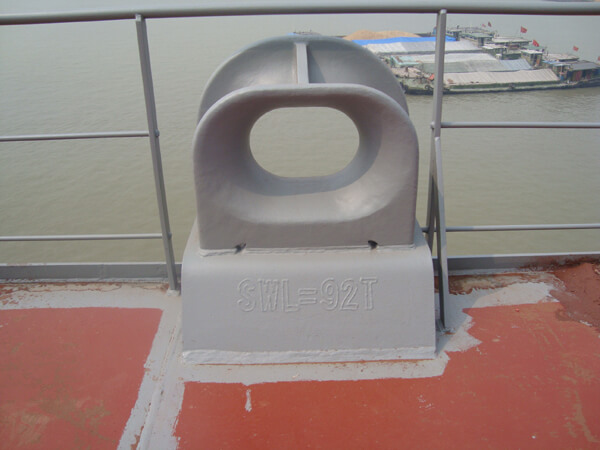
Table of Contents
Overview of an Open Chock
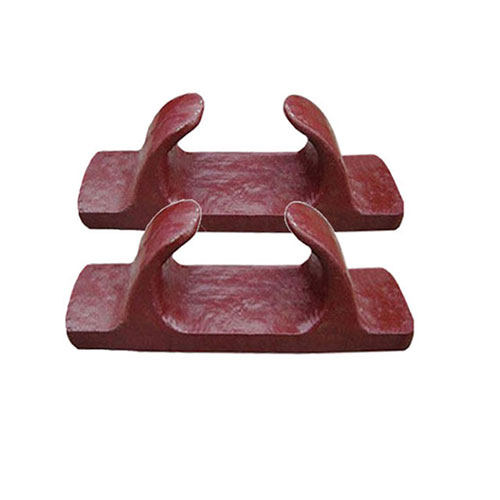
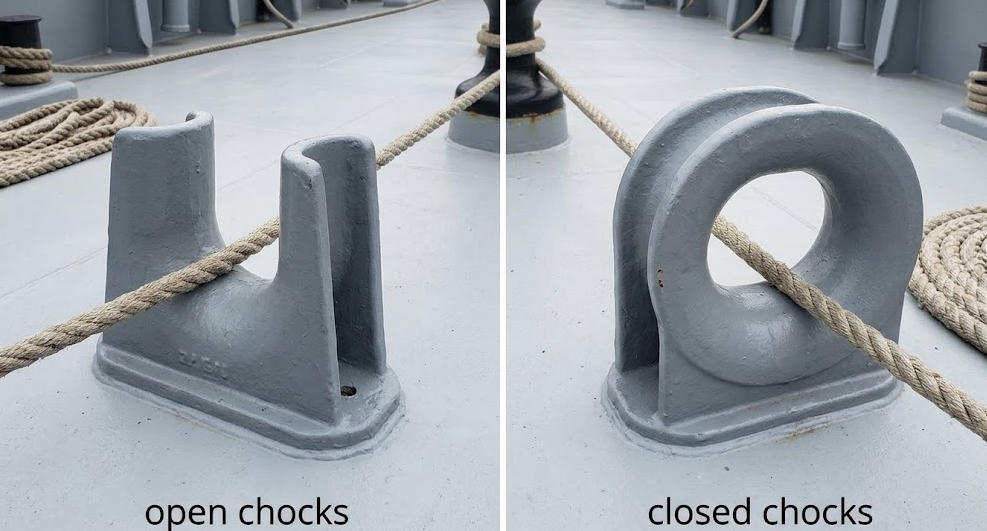
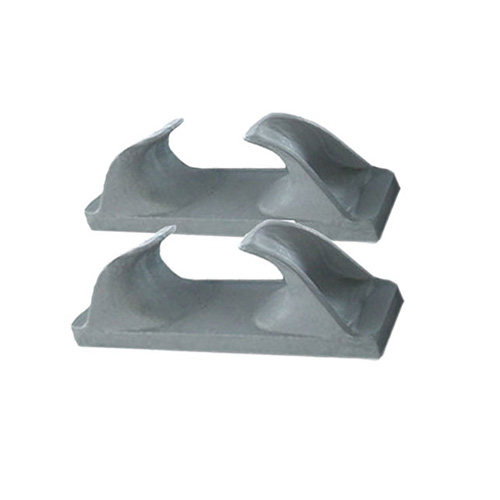
An open chock has an open side. That means a mooring line can be set in place or taken out without pushing the whole rope through a closed slot. Some models use a U-like guide, others use a V-like guide, and some use other open shapes to steer the rope.
These chocks are often put on bulwarks, decks, and other spots where lines must be moved often. Because access is simple, crews can place, pull out, or reposition rope with less hassle during routine tasks.
Overview of a Closed Chock
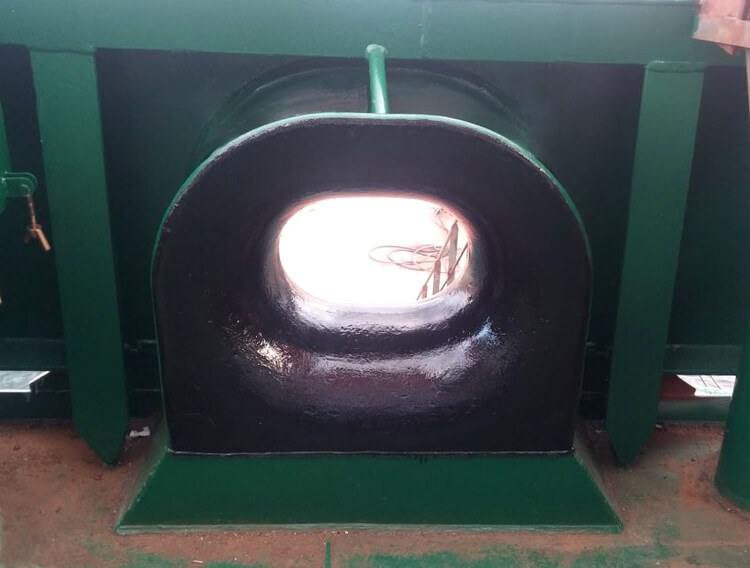
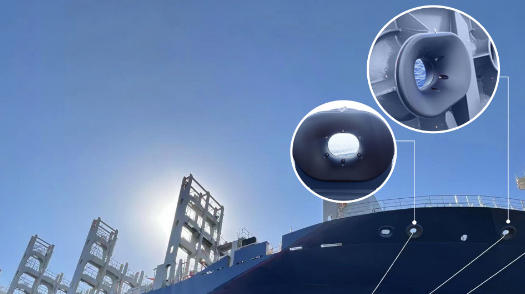
A closed chock has an enclosed opening. The mooring line goes through that contained opening. The goal is to guide the rope along a set route and also help stop the line from jumping out during normal use.
Closed chocks show up on many commercial vessels. That includes cargo ships, tankers, offshore support vessels, and other marine work platforms. The enclosed path can hold the line more securely than an open style, as long as the fitting is picked and used within its set limits.

Key Differences Between Open and Closed Chocks
1. Structural Design and Construction
The most obvious difference between open chocks and closed chocks is their structural design.
An open chock has an open-sided body. Mooring ropes can be put into the fitting or pulled out through that opening. The shape may be U-like or made in another way to guide the rope while still keeping access easy. This works well when crew members need to change rope positions often.
A closed chock has a fully enclosed opening. The rope passes through a defined passage. This full enclosure gives the rope a set route and helps prevent it from slipping out during normal operating conditions.
Both open and closed chocks can be made from cast steel, cast iron, or other materials that fit the job. What you choose depends on the use case and the design targets. The material itself matters. So do the surface finish, the overall dimensions, and how strong the part is, since all of that affects real service performance over time.

2. Rope Installation and Handling
Rope-handling convenience is another major difference between these two types of mooring chocks.
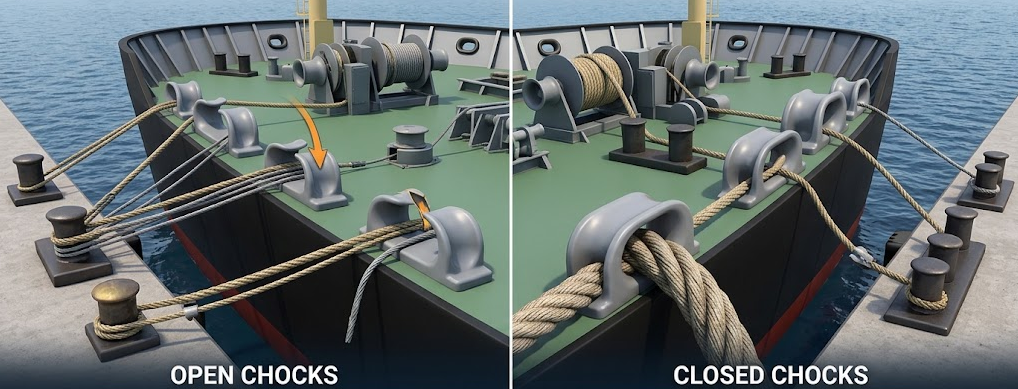
With open chocks, the crew can put a rope in or take it out from the open side. The rope does not need to be fed fully through a box-like opening. This can cut down setup time during mooring, especially when lines get moved around often.
Closed chocks work differently. The rope must be threaded through the opening during installation and during removal too. That step may require more effort. At the same time, the covered path can keep the rope more guided along a set route.
If a vessel changes mooring layouts a lot, open chocks may feel quicker in daily work. If the goal is a steady, set route for the rope, closed chocks can be the better choice.
3. Rope Retention and Operational Safety
Rope retention is a critical consideration when comparing open chocks with closed chocks.
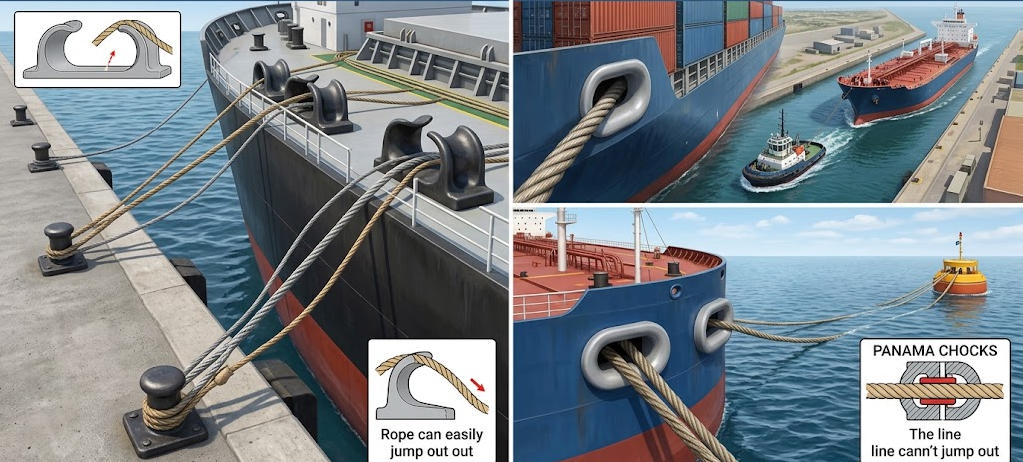
Open chocks leave one side exposed. Because of that, whether the rope can shift out of the fitting depends on several things. These include chock shape, rope direction, the loads at the time, and how the crew runs the operation. Good placement of the chock matters a lot for keeping proper guidance.
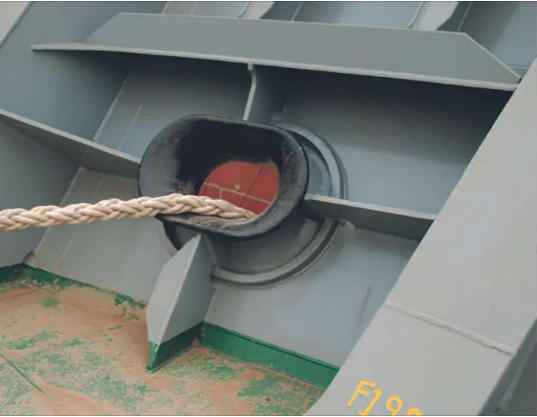
Closed chocks have an enclosed channel. That design helps keep the rope inside the fitting. The closed marine chock may lower the chance of the line slipping out near the side opening. Still, it does not remove all mooring risks. It also does not guarantee safety for every possible load case.
You should also note one more point. A closed layout does not automatically mean the chock is always safer or tougher. Safe use still relies on the rated working load, whether the rope fits the intended compatibility, the quality of installation, the strength of the structure, and the approved mooring plan for the vessel.
4. Rope Wear and Friction
Both open and closed chocks can create friction where rope contacts the fitting. Wear can happen too, depending on how often and how hard the rope runs over the surfaces. At the same time, shape and routing can affect how the rope slides and where contact pressure builds.
Open chocks let you reach the contact areas for checking and cleaning. But if the alignment is off or if edges are rough, the rope can get abraded. This can show up when the line moves again and again while under tension.
Closed chocks guide the rope through an enclosed passage. If the opening is too small or the rope angle is unsuitable, friction and localized contact pressure may increase. Smooth surfaces, appropriate edge radii, and correctly sized openings are essential for minimizing rope damage.
Regardless of the chock type, regular inspection helps identify surface defects, corrosion, deformation, and signs of excessive rope wear before they develop into more serious problems.
5. Installation Requirements and Deck Space
Open chocks can work well when there is more deck access and rope work happens often. Because the design is open, a rope can be set in place without forcing the full length or the rope end through a tight enclosed gap.
Closed chocks need room to pass the rope through the opening. Fitment also depends on rope size, likely line angles, nearby hardware, and the space needed for safe use.
For both kinds, the mount must handle the loads expected in service. Where the chock is placed, any added backing, the welding or fastening method, and the fit with the mooring plan should follow the approved vessel drawings and the rules that apply.
Picking a chock using only outside size can cause handling trouble. Buyers should look at the real installation space and also the full rope path and handling steps.
6. Applications in the Marine Industry
Open chocks are often chosen for boats and mooring spots where quick line setup matters. They can also help when crews need easy access and may move lines often. With the right design and load rating, they can fit workboats, service craft, and similar vessels, as long as the mooring setup matches.
Closed chocks are commonly used on commercial ships, cargo carriers, tankers, offshore support vessels, and other uses that need a covered guide passage for the rope.
The decision is not only tied to ship type. The same vessel can have different rope paths at different locations. Those paths may bring different line loads and different handling needs. Each install should be reviewed for its own operating conditions and the marine rules that cover it.
7. Maintenance and Inspection
Open and closed chocks both need care, but their shapes change what is easiest to inspect.
Open chocks usually let you see the rope-contact faces. That makes it simpler to spot worn areas, rust, splits, or bending.
Closed chocks call for a deeper look at the full inner route. Some parts can be hard to reach, so the check has to be thorough. Crews should look for rust, rough spots, cracks, or any harm that could slow rope travel.
For both types, care should include looking at the mount points, the welds or bolts, any protective coating, and the deck around the fitting. If a fitting is damaged, it should be assessed and then repaired or swapped using the approved process.
Summary Comparison Table of Open Chock and Closed Chock
| Comparison Factor | Open Chock | Closed Chock |
| Structural Design | Features an open-sided structure, often U-shaped or similar | Features a fully enclosed opening |
| Rope Installation | Mooring rope can be placed into or removed from the open side | Mooring rope generally needs to be threaded through the opening |
| Rope Retention | Rope retention depends on the design, orientation, and line direction | Enclosed structure helps prevent the rope from escaping through the side |
| Handling Convenience | Suitable for frequent rope placement and repositioning | More suitable when a fixed, enclosed rope-guiding path is preferred |
| Rope Guidance | Guides ropes through an accessible, open path | Guides ropes through a defined, enclosed passage |
| Friction and Wear | Depends on surface finish, rope alignment, and contact conditions | Depends on opening dimensions, surface finish, and rope angle |
| Inspection and Maintenance | Contact surfaces are generally easier to access and inspect | Internal surfaces may require more careful inspection |
| Installation Requirements | Requires suitable positioning and evaluation of rope escape risks | Requires adequate opening size and sufficient clearance for threading ropes |
| Typical Applications | Workboats, service vessels, and suitable mooring positions requiring easy rope access | Cargo ships, tankers, offshore support vessels, and other applications requiring enclosed rope guidance |
| Main Advantage | Convenient rope handling and quick repositioning | Helps keep mooring lines within a defined passage |
| Main Limitation | Rope may escape under unsuitable operating conditions | Rope installation and removal can be less convenient |
| Load Capacity | Depends on material, structural design, dimensions, and installation | Depends on material, structural design, dimensions, and installation |
| Selection Priority | Accessibility and efficient rope handling | Enclosed rope guidance and line retention |
Key Factors to Consider for Choosing Between Open and Closed Chocks
Mooring Line Direction
The mooring line direction is a key factor. If the line will shift across angles, look at whether an open chock can hold the line and steer it well. If a closed chock is needed because space is enclosed, its shape still has to fit the planned line path.
Working Load and Structural Strength
The chock you choose must handle the loads that show up in the mooring setup. Buyers should confirm the load rating, the material details, the mount base, and how it is fixed in place, like welds or bolts. They should also compare it to the vessel’s approved design rules.
A closed chock is not automatically stronger than an open chock. Actual strength depends on the full fitting design, the material quality, the key dimensions, and how it is installed.
Rope Diameter and Compatibility
Make sure the opening fits the rope size you will use. Also consider how the rope will be used in real conditions. If the gap is too tight, friction can rise and the line may not move freely. If the contact area is not right for the rope, wear can speed up.
Installation Space and Accessibility
Open chocks often make rope setup easier. Closed chocks usually need more room and clear access so the line can be fed through the opening. Check deck space, nearby hardware, how crew will reach the area, and what maintenance will require.
Material and Corrosion Resistance
Marine chocks face damp air, saltwater, weather, and abrasion. The right mooring chock material and coating should match the service setting. Where rules apply, buyers should also confirm material traceability and any required checks.
Marine Standards and Certification
Rules can vary by vessel type and flag. Classification society rules and project terms may also set limits on what chock design is allowed. If you need approval or certification, verify the product meets the right standards for marine mooring chocks and that the paperwork is included.
Summary
- Open chocks offer easier rope placement and removal, making them suitable for applications where accessibility and frequent rope handling are priorities.
- Closed chocks provide an enclosed rope-guiding passage that can help keep mooring lines within the intended path.
Challenges and Solutions in Open and Closed Chock Selection
Successful mooring chock selection requires balancing rope-handling convenience, line retention, structural strength, corrosion resistance, and installation requirements.
| Selection Challenge | Potential Impact | Possible Solution |
| Choosing the Wrong Chock Type | Poor rope handling, inadequate line retention, or reduced mooring efficiency | Evaluate the vessel’s mooring arrangement, rope movement, and operational requirements before selecting an open or closed chock. |
| Incorrect Opening Dimensions | Difficulty inserting ropes, excessive friction, or accelerated rope wear | Match the chock opening to the rope diameter, construction, and expected movement. |
| Insufficient Load Capacity | Structural deformation, fitting failure, or potential mooring hazards | Verify the rated load, structural strength, mounting arrangement, and applicable design requirements. |
| Rope Slipping Out of an Open Chock | Loss of rope guidance and increased operational risk | Assess line direction and chock orientation; use a suitable design that provides adequate retention for the intended conditions. |
| Restricted Rope Movement in a Closed Chock | Increased friction, localized pressure, and rope abrasion | Select an appropriately sized opening with smooth contact surfaces and suitable edge radii. |
| Incorrect Mooring Line Angles | Uneven loading, excessive friction, and premature rope damage | Position the chock according to the approved mooring layout and evaluate expected line angles and movement. |
| Material Corrosion | Reduced durability and potential loss of structural integrity | Select suitable marine-grade materials and protective coatings for the vessel’s operating environment. |
| Poor Installation Quality | Misalignment, uneven load distribution, or damage to the deck structure | Follow approved installation procedures and inspect welds, fasteners, reinforcement, and mounting surfaces. |
| Difficult Inspection and Maintenance | Undetected cracks, corrosion, or wear on rope-contact surfaces | Establish regular inspection schedules and examine both accessible surfaces and enclosed passages. |
| Incompatibility with Vessel Design | Installation difficulties, interference with nearby equipment, or inefficient rope routing | Confirm dimensions, mounting positions, deck clearance, and compatibility with the vessel’s mooring system. |
| Failure to Meet Marine Requirements | Certification issues, project delays, or non-compliance with applicable specifications | Verify relevant classification society rules, flag-state requirements, and project-specific documentation. |
| Unclear Product Specifications | Incorrect purchasing decisions and inconsistent product quality | Request technical drawings, material specifications, rated capacity, inspection records, and applicable certificates from the manufacturer. |
Final Thoughts
Open and closed chocks both guide mooring lines. Still, each one supports different operational priorities. When deciding, vessel operators and equipment buyers should focus on mooring-line direction, rope fit, rated working load, the way the unit is mounted, corrosion protection, and applicable marine standards.
The best option depends on the real mooring arrangement. Don’t select based on chock type alone. A good mooring chock manufacturer can guide buyers toward a design, material, size, and load rating that can work reliably over time.