
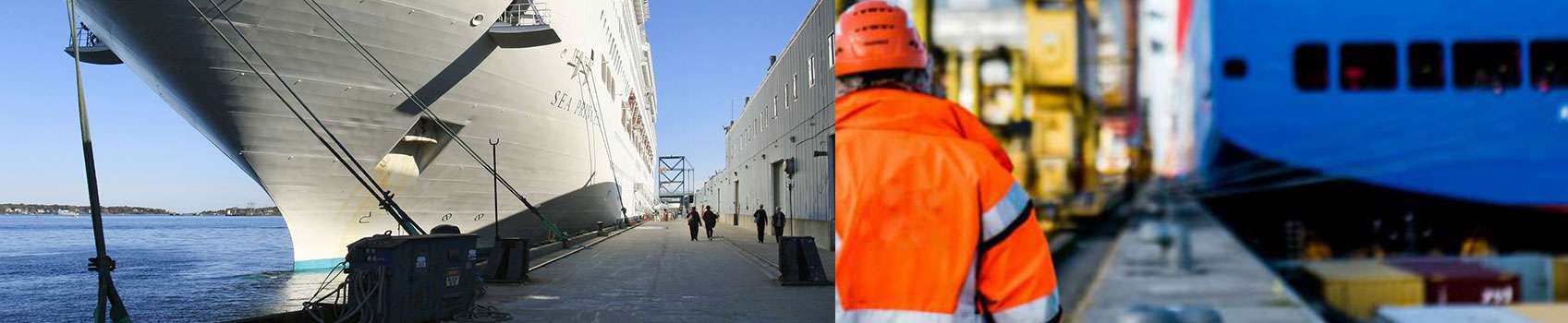
Roller fairleads are deck fittings that help steer lines between a boat and an outer mooring or anchor point. They also help during towing when a rope needs a safer route. A roller fairlead cuts down on rubbing as the line moves, which can lower rope wear and help keep mooring work steady and safer.
Different vessels and operating conditions require different fairlead designs. The roller layout, frame construction, installation method, the rated load, and the material can vary by job. If you know the main types of roller fairleads, ship owners, designers and operators can select the right equipment.
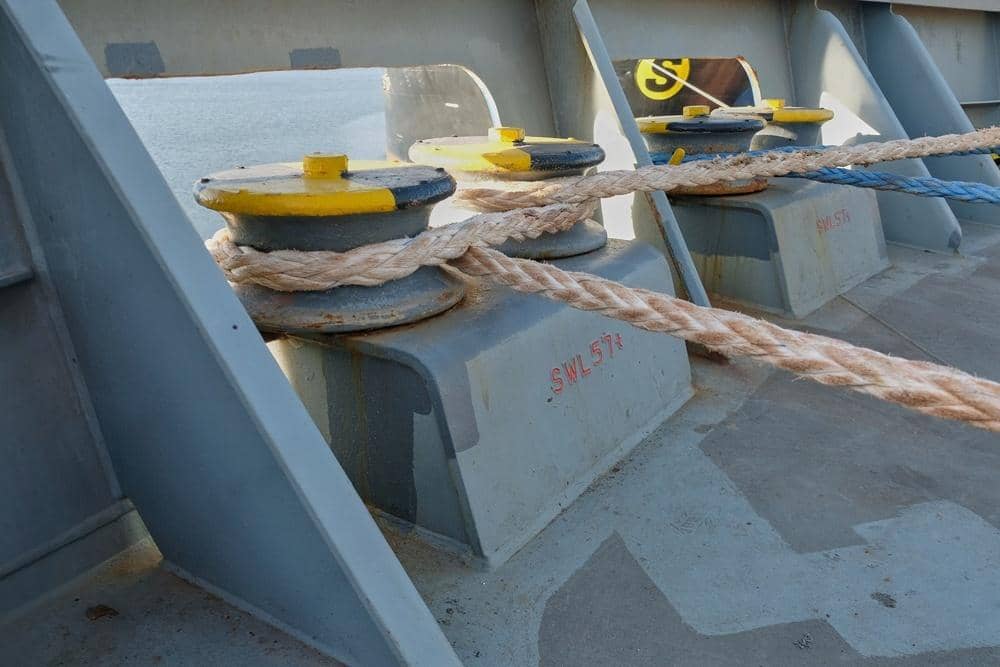
Understanding the Basics of a Roller Fairlead
A roller fairlead is a rope-guiding device. It has one or more rollers set in a support frame. When the mooring or tow line goes over the rollers, the rollers turn. This reduces sliding friction. It also keeps the rope from grinding against a fixed metal edge.
On ships, roller fairleads are often placed near the bow, stern, and along the sides. They may also be used in other work zones. Depending on the build, they can work with synthetic lines, wire ropes, and other marine ropes.
A good fairlead choice should leave enough room for the rope to sit and move. It should also handle the line forces you expect. It must fit the weather and sea conditions too. Repeated use and many operating cycles should be part of the selection.
Main Types of Roller Fairleads
1. Single-Roller Fairleads
Single-roller fairleads are one of the simpler marine designs. They usually use one roller. The roller can be set in a horizontal or vertical position. A steel frame supports it.
The rope rides over the roller. This lets the line change direction. It also reduces friction along the contact point. Since the build is simple, these fairleads can fit cases where the rope path is not too complex.
You often see this on smaller boats. Workboats, barges, and some helper mooring spots use them too. The compact size can also make fitting and upkeep easier.
That said, the rope guiding angle is not as wide as on multi-roller models. For that reason, check the planned rope direction before you pick a single-roller design.
2. Double-Roller Fairleads
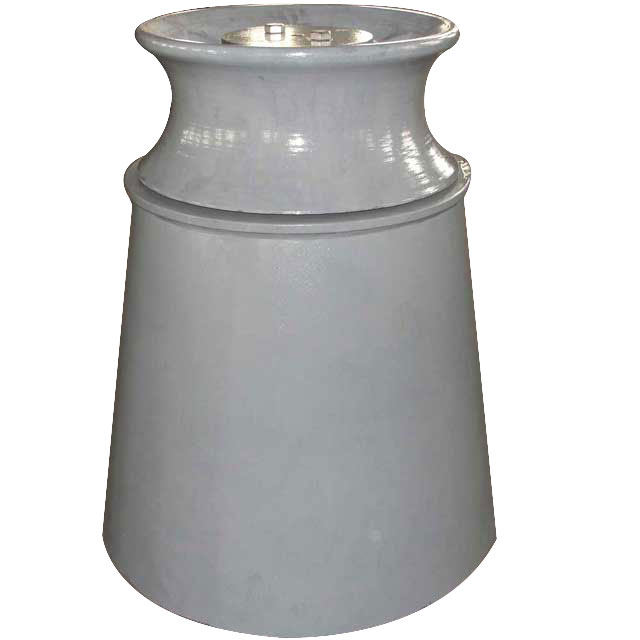
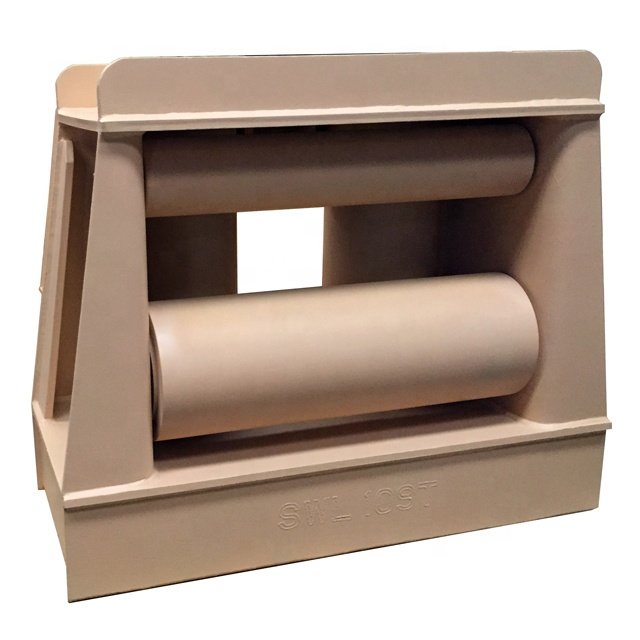
Double-roller fairleads use two rollers. Compared with a single-roller unit, they guide the line more and add better control. The rollers may be set in a horizontal or vertical way. Some designs use a mixed setup too.
With two rollers, the system can handle shifts in rope direction more smoothly. It also spreads contact across more than one rolling surface. This is useful when a vessel needs more guidance than a simple model can give, but it does not need a larger multi-roller frame.
You may find double-roller fairleads on commercial ships, offshore support vessels, tugboats, and other working craft.
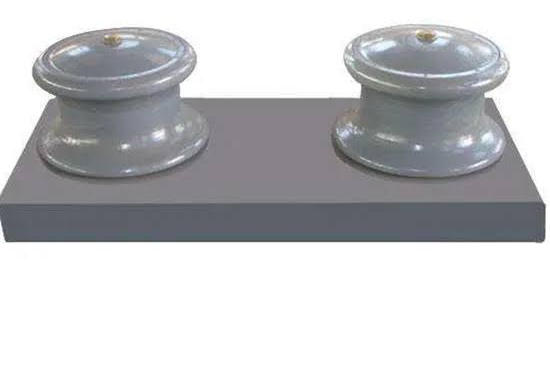
3. Four-Roller Fairleads
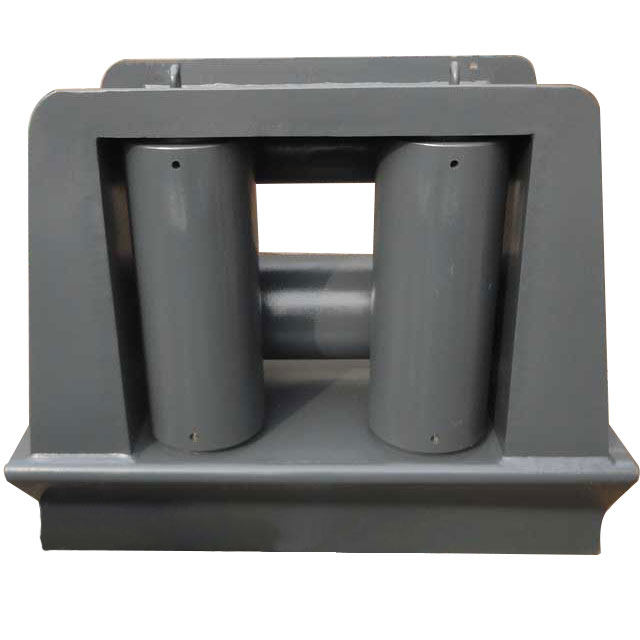
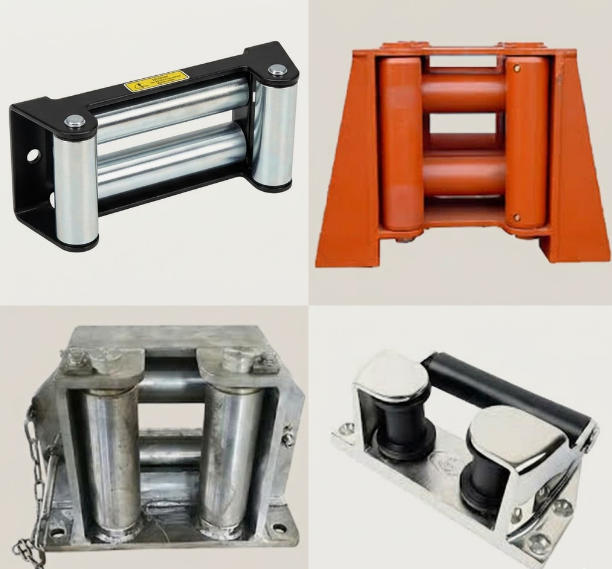
Four-roller fairleads help steer a rope through several paths. One common setup uses two rollers placed level and two rollers placed upright. This makes a clear passage so a mooring line can run through.
With four rollers, the rope can shift direction without losing contact. The rope rides on a spinning surface instead of rubbing along a fixed edge. This helps in mooring setups where the vessel does not stay in one exact spot, so the line may move side to side or up and down.
Marine four-roller fairleads are linked with heavy mooring gear. They are often chosen for commercial ships, offshore units, and other craft that face large mooring forces.
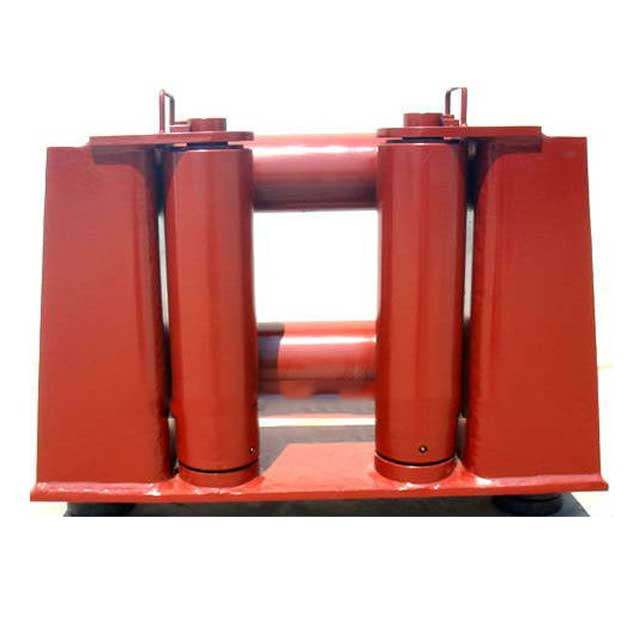
4. Five-Roller Fairleads
Five-roller fairleads include one more roller for guidance. The layout can differ by model. Still, the added roller usually makes it easier to manage rope motion from more than one direction of approach.
These fairleads can help when the mooring line shifts a lot in heading. The extra rolling surface can also cut down friction. It may also keep the rope from touching narrow or fixed parts of the fairlead body.
Five-roller designs are usually bigger than simple single- or double-roller types. They are used more often in demanding marine work.
5. Open Roller Fairleads
Open roller fairleads have a roller layout that is easier to access. The rope can be set into the fairlead, or taken out, with less hassle.
This can be helpful when ropes are handled often. Crew members can usually see the rollers and the contact zones with less effort. That can make basic upkeep tasks simpler.
Open versions are commonly found on workboats, service vessels, tugboats, and similar craft. These uses value quick changes during operations.
Even so, the open structure requires care. The fairlead setup must match the rope movement you expect. It also needs to fit the operating conditions at the site.
6. Closed Roller Fairleads
Closed roller fairleads wrap the rope-guiding area with a sturdier housing. The rollers sit inside a frame made to guide the line along a set path.
A closed design can give better guidance when the rope sees strong motion. It can also lower the chance that the line leaves the roller section.
These are often picked for heavy mooring and towing tasks. Frame strength and controlled rope behavior matter most in these uses.

7. Vertical Roller Fairleads
Vertical roller fairleads use rollers that point up and down. They help control rope movement across the deck.
They work well when a mooring line reaches the fairlead from different horizontal directions. The rope can shift while rolling over the roller surfaces. This tends to avoid heavy rubbing or sliding against the frame.
These fairleads are often paired with horizontal rollers in multi-roller setups. Together, they help guide the rope in both directions, not just one.
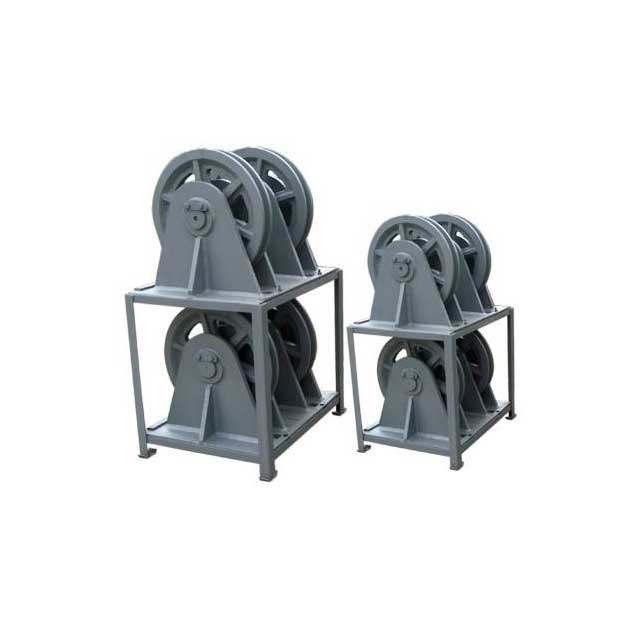
8. Horizontal Roller Fairleads
Horizontal roller fairleads have rollers that sit sideways. They hold the rope in place and guide it as the rope goes up and down or turns over the deck edge.
You see them most often when the rope mainly travels across the top part of the fairlead. In some setups, horizontal and vertical roller fairleads are used together. This can give a wider range of guidance.
The roller size matters. Roller diameter and roller width should match the rope size, the expected load, and the bending limit that is needed.
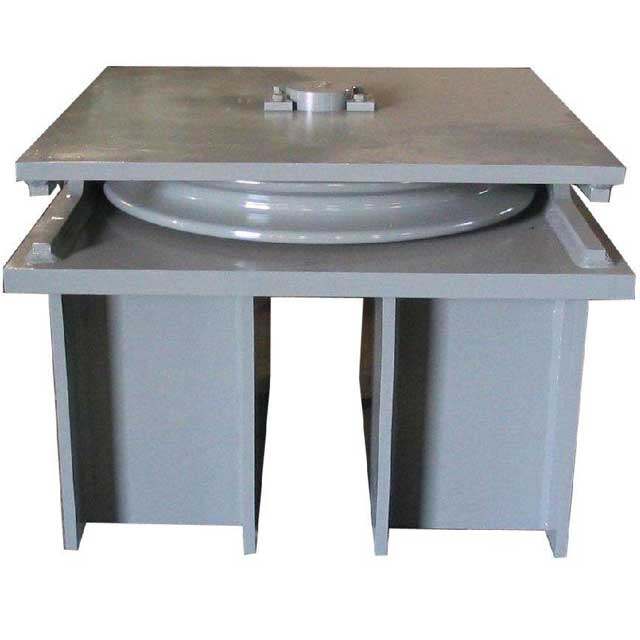
9. Swivel Roller Fairleads
Swivel roller fairleads include a fairlead unit that can move or rotate. This lets the guide change as the rope direction changes.
With a fixed guide, the rope must hold one angle. With a swivel design, the fairlead can follow more of the shift in direction when the vessel moves. This can help where mooring angles change often.
If the design is right, swivel types can lower side pulling on the line. They can also help keep the rope lined up. These fairleads may fit better on special vessels and mooring plans where fixed fairleads do not give enough flexibility.

10. Heavy-Duty Roller Fairleads
Heavy-duty roller fairleads are made for large loads. They usually have strong frames, bigger rollers, and bearings or bushings built for tough use. They also use high-strength materials.
These fairleads can be used on big commercial ships and offshore support vessels. They also fit tugboats, construction vessels, and other boats where mooring or towing forces can be high.
The design should cover more than the basic working load. It should also consider shock loads, vessel motion, rope angle, and outside conditions like weather and sea effects.
11. Specialized Roller Fairleads for Offshore Applications
Offshore work puts mooring gear under hard conditions. Strong currents, waves, wind, saltwater corrosion, and changing line angles can all affect the equipment.
So offshore roller fairleads are usually designed with strong parts and corrosion-resistant materials. Some designs use more than one roller. They can also use heavy-duty bearings, protective coatings, and mounting setups made for the task.
You can find these on offshore support vessels, anchor-handling vessels, floating platforms, and construction vessels. Other marine units used offshore can also use them.
Comparison of Different Roller Fairleads
| Type of Roller Fairlead | Roller Arrangement | Main Function | Directional Flexibility | Typical Applications |
| Single-Roller Fairlead | One roller | Guides a rope through a basic change of direction | Low | Small vessels, barges, workboats |
| Double-Roller Fairlead | Two rollers | Provides additional rope guidance | Moderate | Commercial vessels, workboats, tugboats |
| Four-Roller Fairlead | Two horizontal + two vertical rollers | Guides ropes in multiple directions | High | Cargo ships, offshore vessels, tugboats |
| Five-Roller Fairlead | Multiple horizontal and vertical rollers | Handles more complex rope movements | High | Heavy-duty mooring applications |
| Open Roller Fairlead | Accessible roller assembly | Allows easy rope placement and removal | Moderate to high | Workboats, service vessels, tugboats |
| Closed Roller Fairlead | Enclosed roller structure | Keeps the rope within a controlled path | High | Heavy-duty mooring and towing |
| Horizontal Roller Fairlead | Horizontal rollers | Supports and guides vertically moving lines | Moderate | Deck and mooring systems |
| Vertical Roller Fairlead | Vertical rollers | Controls lateral rope movement | High | Side mooring positions |
| Swivel Roller Fairlead | Pivoting/swiveling assembly | Adjusts to changing rope directions | Very high | Specialized mooring systems |
| Heavy-Duty Roller Fairlead | Large, reinforced roller arrangement | Handles high mooring or towing loads | High | Large vessels, offshore vessels, anchor-handling vessels |
Summary
- Single-roller and double-roller fairleads are suitable for relatively straightforward rope paths.
- Four-roller and five-roller configurations provide greater directional control.
- Swivel and heavy-duty designs are better suited to demanding applications where changing rope angles or high loads are expected.
How to Choose the Right Roller Fairlead
Selecting the right roller fairlead helps with safer and more efficient mooring, towing, and line handling. Since roller fairleads come in many roller types, sizes, materials, and load ratings, the choice should follow the real operating setup. It should not rely only on picking a common model.
Choose the right roller fairlead by looking at how it will be used. Do not start with a common stock size and hope it fits. The rope diameter matters first. The opening and the roller shape must match the line well. If they do not, the rope can bend too much or get squeezed.
Next, look at the load capacity of the roller fairlead. The expected working load sets the baseline. The fairlead and its mounting parts should handle normal duty. They also need room for sudden spikes and short bursts of higher force.
Also check how the rope will travel. If the line can swing from side to side, or shift up and down, more than one roller can help. A multi-roller layout can guide the rope better than a single roller.
Roller fairlead materials matter too, especially near salt water. Coated carbon steel is often used. In harsher areas, stainless parts or special treatments can be a better option.
Do not ignore upkeep. The rollers should turn without sticking. Bearings or bushings need routine service if they are used. The contact area for the rope should stay smooth. Any rough spots or damage can hurt the rope fast.
Final Thoughts
Roller fairleads come in many styles. You may see single-roller, double-roller, four-roller, or five-roller versions. Some are open, others are closed. They can be made for horizontal use, vertical use, or both. Swivel types exist as well. There are also heavy-duty designs. Each option changes guidance quality, directional flexibility, load capacity and operational convenience.
The best option depends on the vessel, rope characteristics, working load, rope movement, installation position, and marine operating environment. When the roller fairlead matches these conditions, rope wear can drop. Mooring performance can improve, and deck safety can benefit.