

How Marine Safety Regulations Influence Life Jacket Design
Life jackets are one of the key life-saving devices at sea. They help boaters, sailors, fishers, and people doing water sports stay afloat. At first glance, they look like basic flotation gear. But making a life jacket is not as plain as it seems. It takes engineering work, rigorous testing, and close attention to how people actually need to survive in water. Every modern life jacket also has to fit marine safety regulations. Those regulations guide the expected performance, the allowed materials, and how the jacket should protect the wearer in an emergency.
Marine safety regulations aim to lower drowning risk and raise the odds of living through a water incident. These regulations affect how a life jacket is designed. Manufacturers are pushed to make flotation devices that you can trust. They also have to keep comfort, mobility, and long life in mind so the jacket is usable.
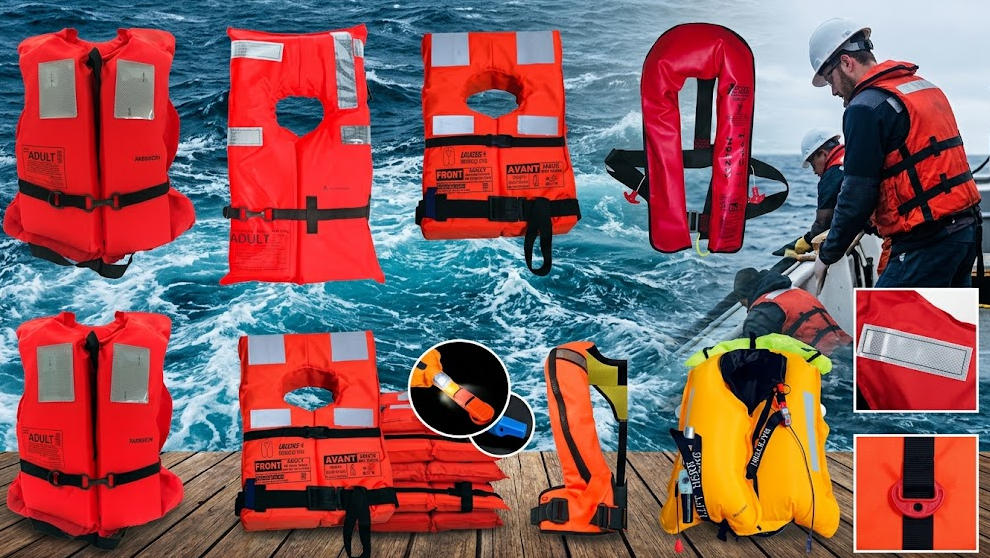
Table of Contents
The Vital Role of Marine Safety Regulations in Life Jacket Design
Marine safety regulations set the least acceptable standards for life jackets. This matters before the product is sold for use on work boats, leisure boats, and other sea use cases. The rules do not come from guesswork. They are shaped by studies, review of accidents, and lessons taken from real rescue work.
Water can turn rough fast. Because of that, safety groups expect life jackets to work when conditions are hard. That can mean waves, cold water, low visibility, and panic moments where a person cannot help themselves. Makers have to plan the life jacket parts to meet these tests and expectations.
Regulations shape a wide range of the production. This includes flotation material choice, strap setup, reflective parts, and emergency add-ons. As rules get updated over time, life jackets tend to change too. Often they get more reliable and easier to wear.
Major International Standards Affecting Life Jacket Design
International standards help set the foundation for modern life jacket design. The goal is steady safety results in many sea settings. They also push manufacturers to find a workable balance. Protection matters, but comfort and durability do too. Even new tech has to fit inside the safety limits for real use.
| International Standard / Organization | Main Purpose | Key Requirements for Life Jackets |
| International Maritime Organization (IMO) – Life-Saving Appliances (LSA) Code | Establishes global safety requirements for life-saving equipment used on ships | Defines requirements for buoyancy, performance, materials, visibility, strength, and testing procedures |
| International Organization for Standardization (ISO) – ISO 12402 Series | Provides international standards for personal flotation devices (PFDs) | Specifies performance levels, buoyancy classifications, ergonomic requirements, materials, and testing methods |
| ISO 12402-2: Lifejackets – Performance Level 275 | Defines high-performance life jackets for demanding marine environments | Requires high buoyancy and strong support for users wearing heavy clothing or operating offshore |
| ISO 12402-3: Lifejackets – Performance Level 150 | Establishes requirements for general offshore and marine use | Requires reliable flotation and the ability to turn some unconscious users face-up |
| ISO 12402-4: Lifejackets – Performance Level 100 | Covers flotation devices for sheltered waters and lower-risk environments | Requires basic flotation and adequate support for conscious users |
| ISO 12402-5: Buoyancy Aids – Performance Level 50 | Covers buoyancy aids for users who can assist themselves in water | Focuses on freedom of movement and minimum flotation support |
| European Union Marine Equipment Directive (MED) | Regulates approval of marine safety equipment used on EU-flagged vessels | Requires compliance testing, quality control, and certification for approved life-saving equipment |
| U.S. Coast Guard (USCG) Personal Flotation Device Standards | Establishes requirements for PFDs used in the United States | Defines flotation levels, approval testing, labeling, and performance requirements |
| Transport Canada PFD Standards | Sets safety requirements for flotation devices used in Canadian waters | Covers flotation performance, construction quality, visibility, and approval testing |
| National Maritime Authority Regulations | Provides country-specific requirements based on local marine conditions | May include additional requirements for water temperature, vessel type, and user activities |
Key Ways Marine Safety Regulations Influence Life Jacket Design
1. Ensuring Proper Buoyancy Performance
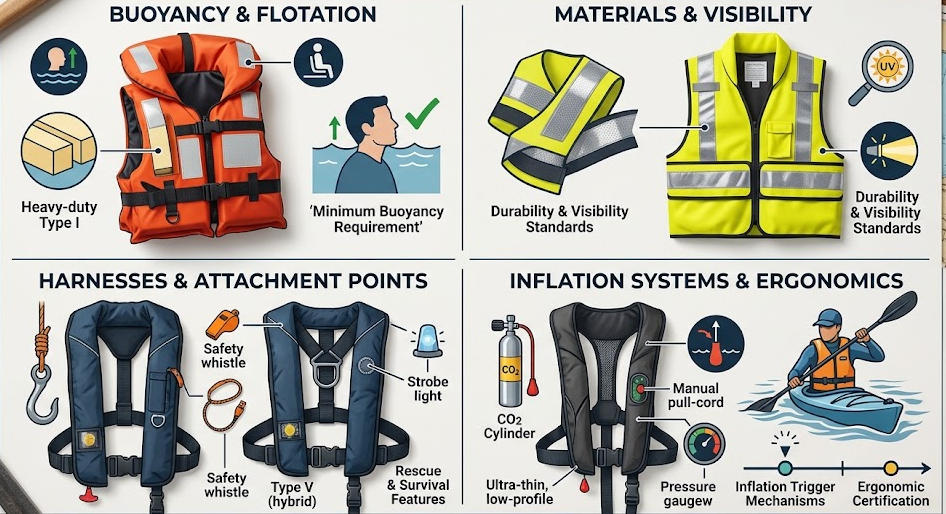
One of the most important ways marine safety regulations influence life jacket design is by establishing minimum buoyancy requirements. A life jacket has to create enough lift to keep a person up in the water. That lift should help lower drowning risk.
Buoyancy Requirements for Life Jackets Established by Marine Safety Regulations
| Life Jacket Category | Typical Intended Use | Buoyancy Requirement | How Regulations Influence Design |
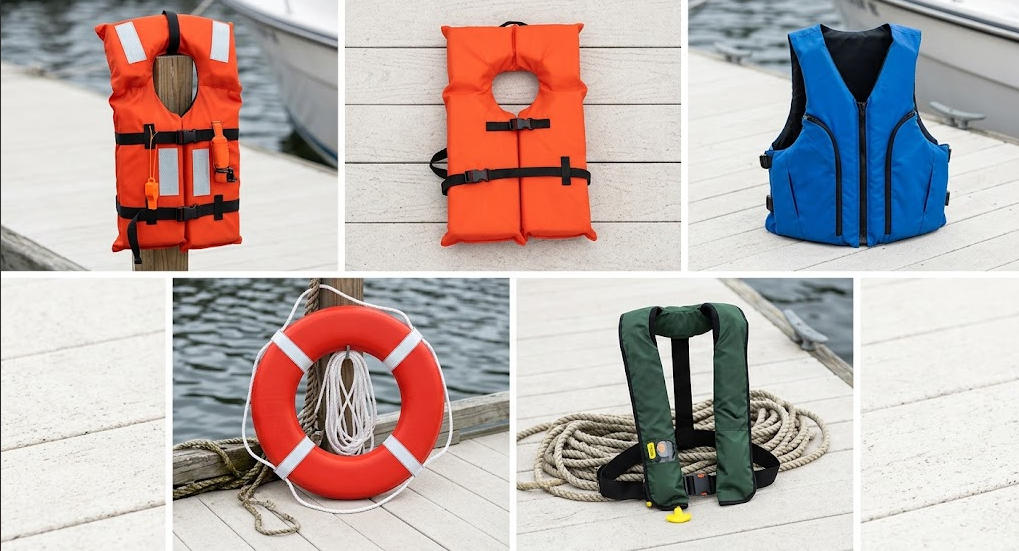
| Offshore Life Jackets | Open ocean, offshore boating, commercial vessels, and situations requiring extended survival time | Requires the highest level of buoyancy to keep a person afloat in rough water conditions | Designs include increased flotation volume, stronger head support, and improved turning ability to help keep an unconscious wearer face-up |
| Near-Shore Life Jackets | Coastal areas, lakes, rivers, and locations where rescue is expected to be quicker | Requires sufficient buoyancy to keep users safely above water during emergencies | Manufacturers balance flotation performance with lighter materials and improved comfort for regular use |
| Recreational Flotation Devices | Boating, fishing, kayaking, and water activities where users are generally conscious and able to assist themselves | Requires enough buoyancy to support the wearer but may allow more freedom of movement | Designs focus on lightweight foam placement, flexibility, and user comfort while meeting minimum flotation standards |
| Inflatable Life Jackets | Sailing, fishing, and activities where mobility and low-profile designs are important | Must provide required buoyancy after inflation through reliable air chambers | Regulations influence inflation mechanisms, air chamber capacity, backup inflation systems, and inspection requirements |
| Hybrid Life Jackets | Professional and recreational marine activities requiring both comfort and reliable flotation | Combines foam and inflatable flotation to meet specific buoyancy standards | Designers use a combination of permanent and inflatable flotation to improve safety while reducing bulk |
Key Buoyancy Design Factors Influenced by Marine Regulations
| Regulatory Requirement | Design Impact on Life Jackets |
| Minimum flotation capacity | Determines the amount and type of buoyant material used inside the life jacket |
| Ability to keep the airway above water | Influences flotation placement around the chest, shoulders, and neck areas |
| Performance for different user weights | Leads to different sizes, buoyancy ratings, and adjustable designs |
| Stability in waves and currents | Encourages balanced flotation distribution and improved body positioning |
| Long-term flotation reliability | Requires durable foam materials and strong inflatable systems that maintain performance over time |
| Emergency survival conditions | Drives the development of higher-buoyancy designs for offshore and professional applications |
Buoyancy ratings can differ by rule set and by country or region. Many global standards break life jackets into performance groups. Higher groups demand more flotation force. They also call for stronger protection when sea conditions are tougher.
2. Improving Body Position and Survival Capability
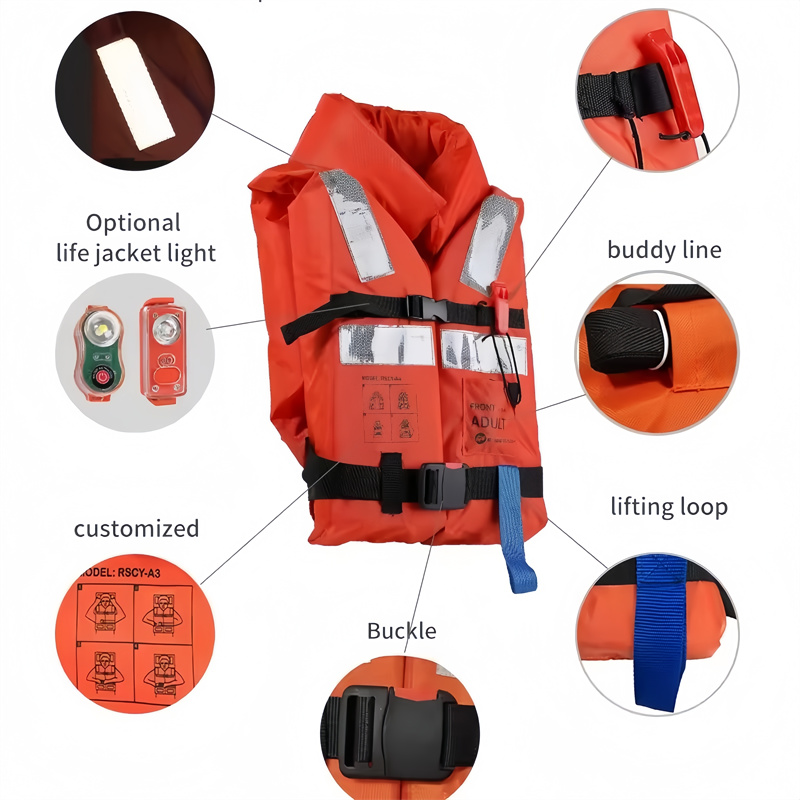
Marine safety regulations affect how life jackets hold a person during an emergency. A main aim is to keep the head and breathing path clear of the water. This matters most when someone cannot swim or is not awake.
Because of that, manufacturers place buoyant parts in specific spots. You often see flotation around the chest area. Some models also add lift at the shoulders and near the neck. A few designs include a padded collar. Others add extra buoyancy on the upper body. The goal is to help turn the wearer so the face stays up.
These safety needs pushed companies past basic foam devices. Now many jackets are built to improve survival odds in tough sea.
3. Enhancing Visibility for Rescue Operations
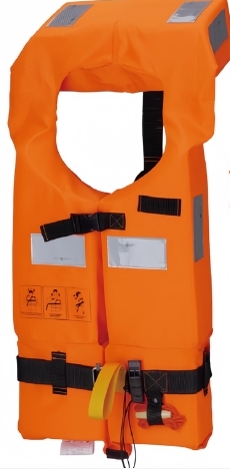
Regulations also shape visibility features on life jackets. In a real incident, finding a person fast is hard. It is even harder when weather is bad, light is weak, or the scene is far from shore.
Safety standards push for bright colors that stand out. They also support reflective parts. Many life jackets use bold outer fabric. They may include tape-like reflective strips. Some include signal items meant for urgent help.
With these changes, rescue crews can spot survivors sooner. That can raise the chance of a timely recovery after a marine accident.
4. Influencing Material Selection and Product Durability
Life jackets face harsh use. Saltwater can wear fabrics down. Sunlight can fade and weaken materials. Moisture causes damage over time. Straps and panels also take strain from rough handling. Safety rules tell makers to pick materials that stay effective after repeated exposure.
The following chart provides material selection of life jackets influenced by marine safety regulations.
| Life Jacket Material | How Regulations Influence Material Selection | Design Purpose | Applications |
| Closed-Cell Foam | Must provide reliable buoyancy, resist water absorption, and maintain flotation performance over time | Provides permanent flotation support without requiring activation | Traditional foam life jackets, recreational PFDs, commercial marine safety equipment |
| Inflatable Air Chambers | Must withstand pressure, maintain air retention, and provide dependable flotation after inflation | Offers high buoyancy with a lightweight and low-profile design | Inflatable life jackets for sailing, fishing, and professional marine activities |
| Nylon Fabric | Must provide durability, abrasion resistance, and protection against marine environments | Creates a strong outer layer that protects internal flotation materials | Outer covers for many foam and inflatable life jackets |
| Polyester Fabric | Must resist UV exposure, moisture, and repeated use while maintaining structural strength | Improves durability and extends product lifespan | Recreational and commercial life jacket covers |
| High-Visibility Fabrics | Must improve visibility during rescue operations and meet safety identification requirements | Helps rescuers locate users quickly in open water or low-light conditions | Offshore life jackets and emergency flotation devices |
| Reflective Materials | Must enhance visibility under searchlights or limited lighting conditions | Supports nighttime and emergency rescue detection | Offshore, commercial, and professional-use life jackets |
| Reinforced Webbing Straps | Must meet strength and load-bearing requirements to keep the jacket securely attached | Provides reliable fitting and prevents accidental removal in water | Adjustable straps, harness systems, and heavy-duty PFD designs |
| Corrosion-Resistant Buckles and Hardware | Must withstand saltwater exposure and repeated use without failure | Ensures secure fastening and long-term reliability | Marine-grade buckles, clips, and adjustment systems |
| Lightweight Composite Materials | Must maintain safety performance while reducing weight and bulk | Improves user comfort and encourages consistent wear | Modern ergonomic and high-performance life jackets |
Marine safety regulations make sure the materials in a life jacket support safety goals. They also tie into durability and help keep users confident. When performance is checked and managed, manufacturers can produce jackets that still work in tough marine settings.
5. Encouraging Better Fit and User Comfort
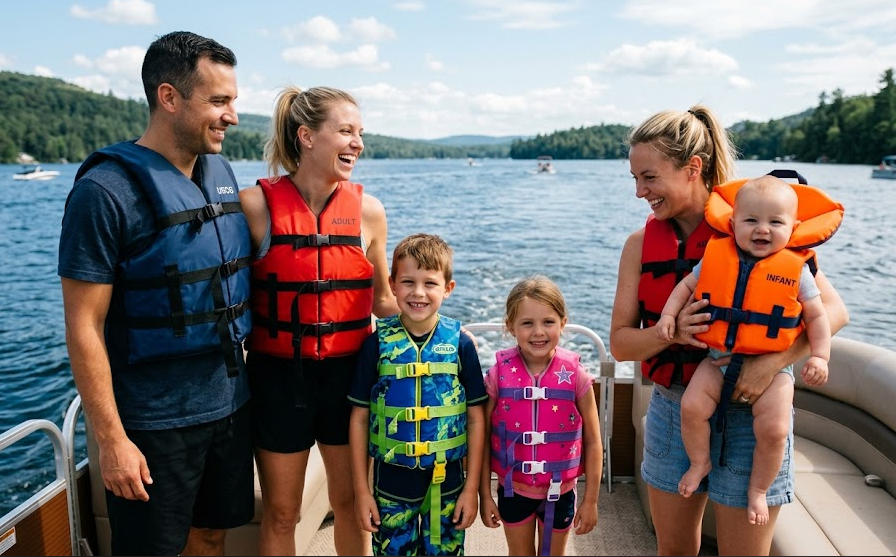
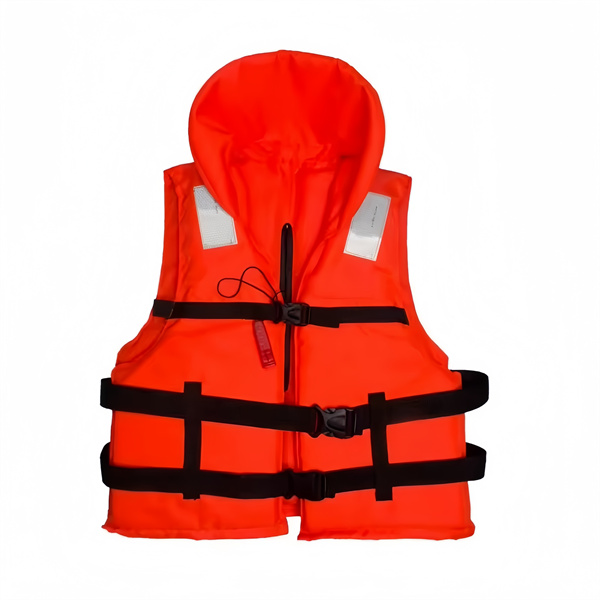
Safety regulations increasingly focus on comfort. A life jacket cannot help much if people skip it. People skip it when it feels bad or limits movement. So fit and wearability now matter more.
Modern designs aim for a secure fit and easy adjustment. They are also meant to allow movement. Many makers now build lighter options. They use shapes that do not feel bulky. This helps wearers move during boating, fishing, or swimming.
You can see adjustable straps on many models. Flexible materials are also common. Streamlined panels help reduce snagging and bulk. The industry keeps balancing protection with comfort.
6. Supporting the Development of Inflatable Life Jackets
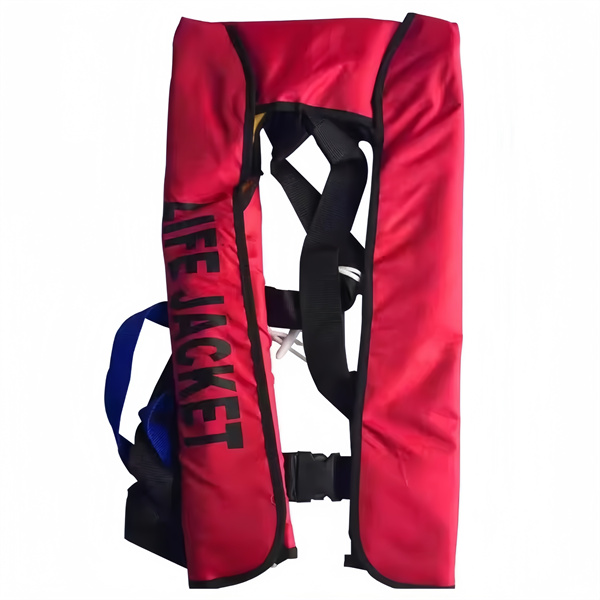
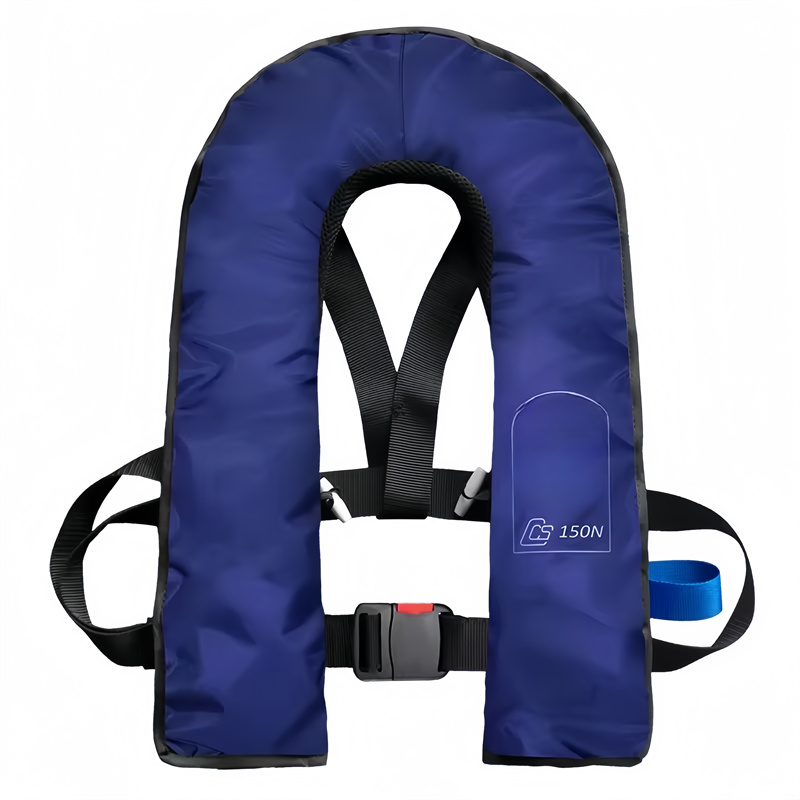
Inflatable life jackets are now more popular. People want better comfort and easier movement. Even so, marine safety regulations have influenced how these jackets are built. Designers must use dependable ways to inflate and also include backup protection.
Inflatable models are expected to follow rules about:
- Inflation that works well in automatic mode or manual use
- Oral inflation as a backup option
- Strong air chambers that do not fail easily
- How well the CO₂cylinder performs
- Inspection steps and routine upkeep needs
These regulations encourage manufacturers to develop systems that feel good in daily use. They also have to keep the flotation reliable when something goes wrong.
7. Setting Requirements for Testing and Certification
Before entering the market, life jackets must undergo extensive testing to confirm that they meet regulatory requirements. Testing may include:
- Buoyancy testing
- Testing in water for performance
- Pull and load testing for straps and buckles
- Long-run durability tests
- Testing in heat, cold, and other outdoor conditions
After testing, certification helps confirm that the jacket works under real conditions. Makers also need to keep improving their builds. Safety updates and user needs can change over time.
8. Driving Innovation in Life Jacket Technology
Although regulations create strict requirements, they also encourage technological advancement. Manufacturers treat safety regulations as a starting point. That helps them design products that protect people and also feel better to wear.
Recent innovations influenced by safety standards include:
- Lighter foam that still performs well
- Inflatable designs that sit lower on the body
- Life jackets with emergency tracking features
- Rescue support with built-in communication tools
- Flotation materials that are better for the environment
When regulations and product design work together, life jackets can end up safer and more comfortable, fitting better with today’s marine activities.
Final Thoughts
Marine safety regulations affect almost every step of life jacket design. This starts with materials and flotation results. It also includes visibility needs and how the jacket feels for the user. With these standards in place, life jackets are meant to protect people in risky sea situations. At the same time, they push manufacturers toward safer and more capable products.
By combining strict safety requirements with ongoing technological innovation, modern life jackets have become more effective, comfortable, and reliable. Marine settings can change, and new problems can appear. Safety regulations should stay an important force so life jackets keep improving and continue to protect lives on the water.