Life Rafts vs. Lifeboats: Choosing the Right Safety Tool
In maritime safety, both life rafts and lifeboats are imperative for passenger and crew safety in the event of an emergency. They both provide flotation and shelter when needed; each, however, has unique characteristics, utilities, and constraints. Appreciation for differences like this will be to the best advantage when deciding upon the right type of live-saving equipment suitable for a specific maritime operation.
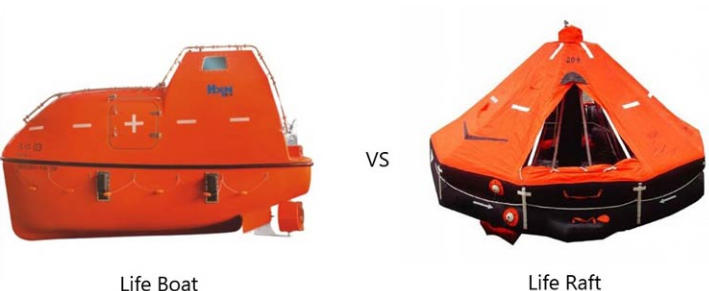
Table of Contents
Understanding Life Rafts
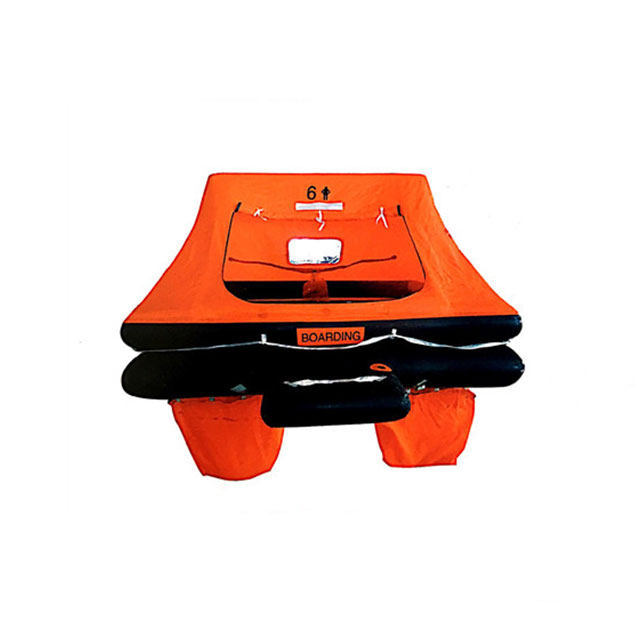
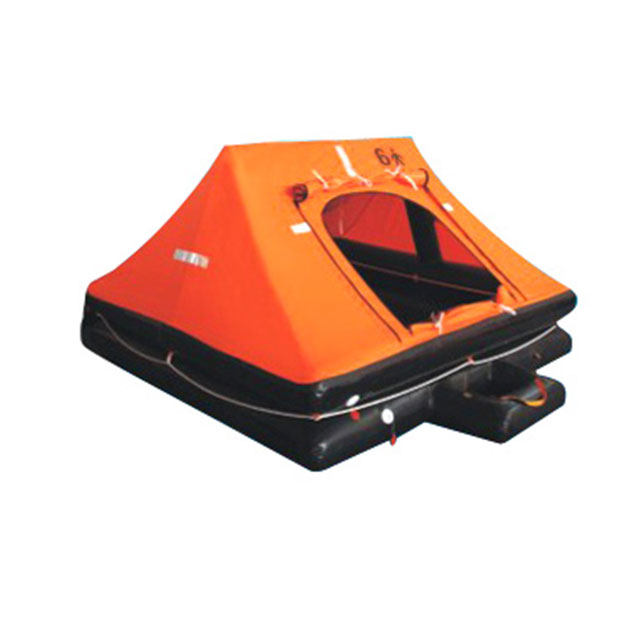
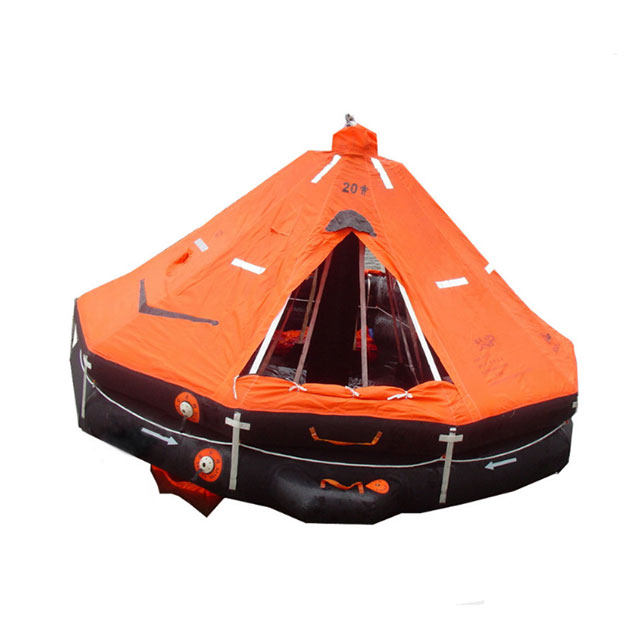
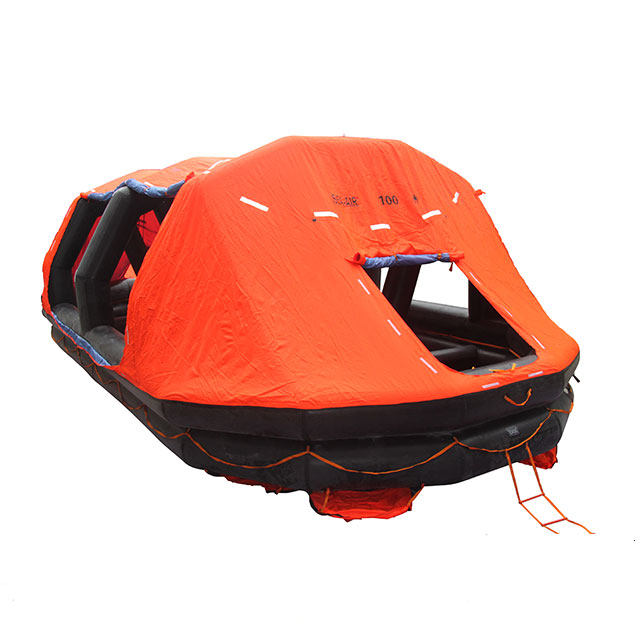
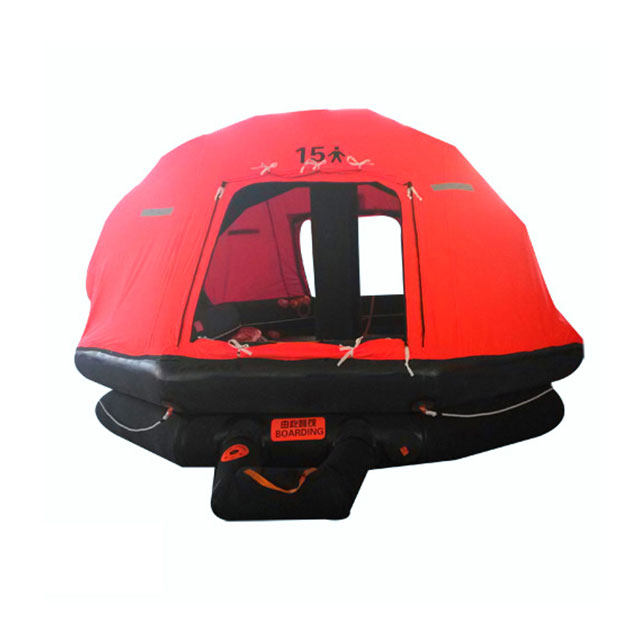
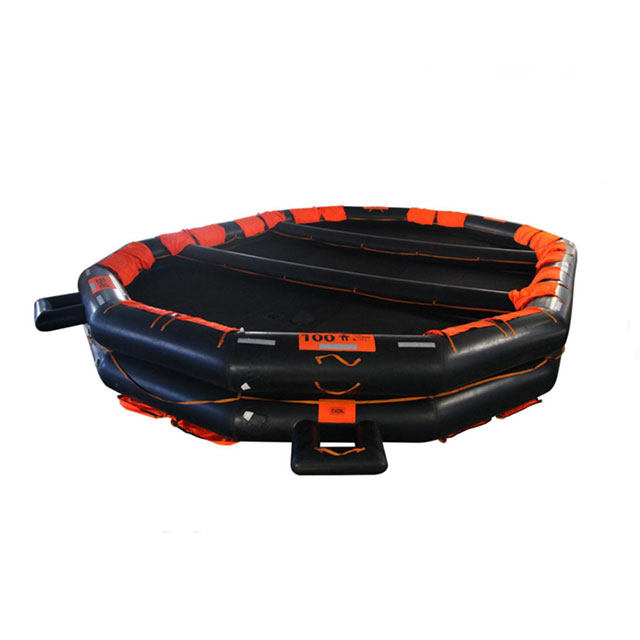
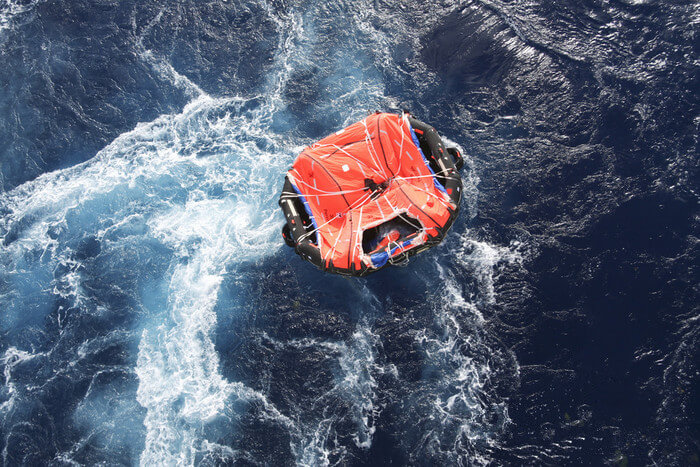
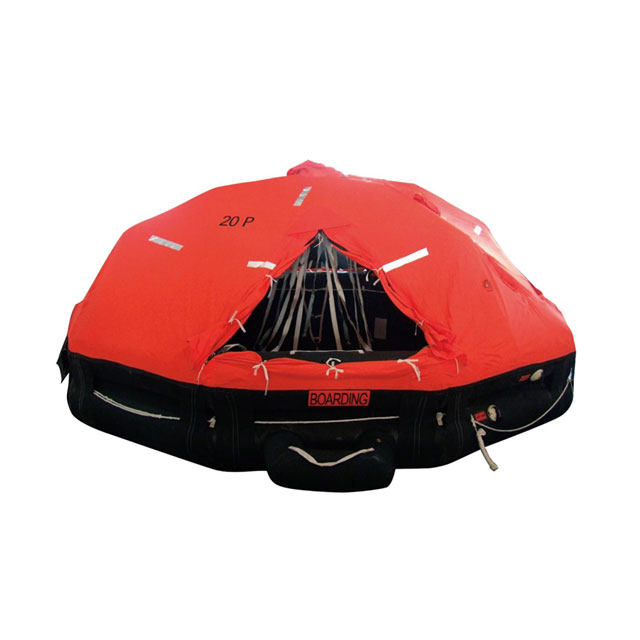
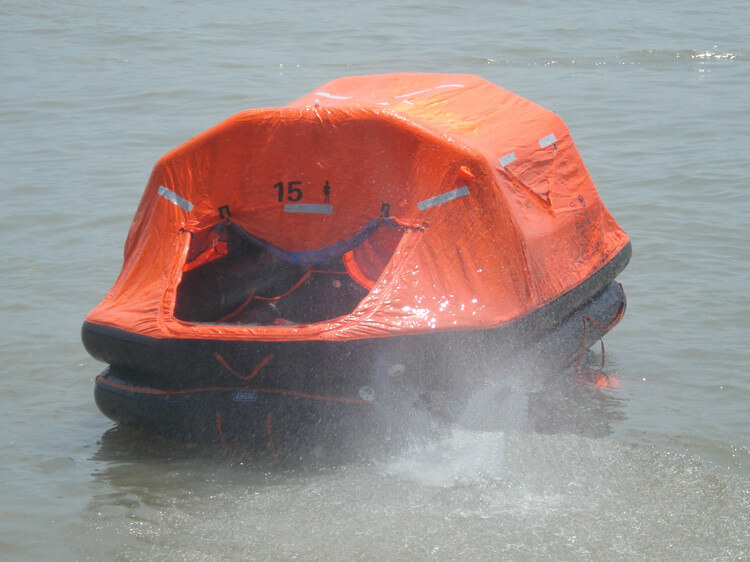
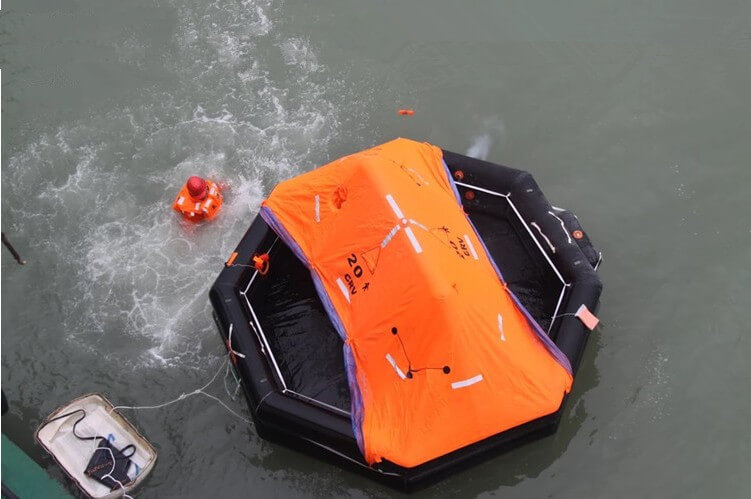
Life rafts are light, inflated boats intended to serve as emergency flotation devices after on-sea disasters. They are generally of emergency size, filled faster, and are constructed using durable, water-resistant materials to withstand environmental effects, giving the occupants a safe shelter, buoyancy, and some other basics of life support.
Key Features
- Inflation Mechanism: It is very common for life rafts to be tied up with automatic inflation or on-board inflation. Either way ensures that if any rafts are deployed, they will have immediate inflation or can properly be inflated by any one in distress.
- Safety Supplies: Many rafts carry emergency food supplies, flares, distress signals, first aid boxes, and any other essentials that might help them get rescued.
- Survival Features: Among certain features, life rafts come equipped with thermal insulation, watertight compartments, and reflective surfaces [for protection from the extreme weather and visibility of its occupants.
- Navigation and Communication Tools: Those life rafts equipped with distress signals, GPS tracking devices, and radios have better chances of being rescued.
Advantages
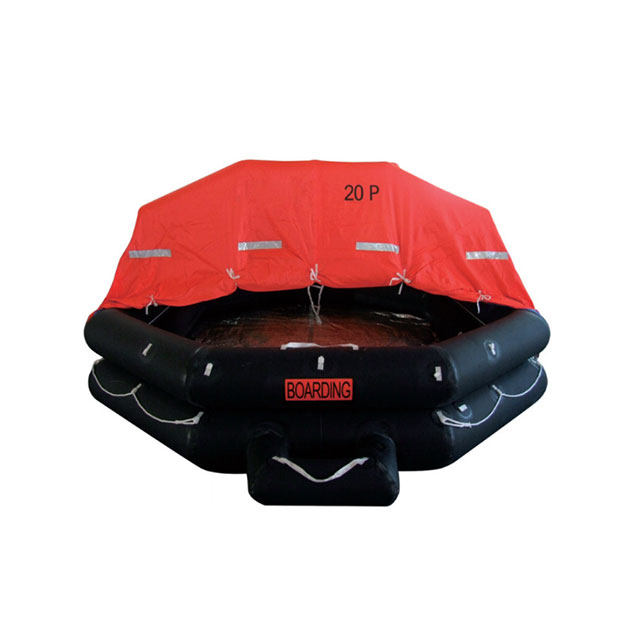
- Compact and Portable: The earliest form of life rafts were mainly in balsa wood or other hard materials that would be heavier. Even though that design can be seen in some life rafts today, most of the rafts are built in such a way that they are light enough to put aboard a boat and at the same time take up very little space. That allows these devices to be clicked open quickly in emergencies.
- Versatility: Life rafts serve commercial and pleasure vessels alike and at offshore sites. They cover an assortment of marine activities from one barge-type vessel to various high-risk vessels.
- Protection in Harsh Conditions: Life rafts are constructed to resist the most severe climatic conditions with harsh seas, strong winds, or cold weather, providing protection from the elements.
- Ease of Deployment: Once it is inflated, whether automatically or manually, life rafts must foresightedly about the time it will enable individuals to leave a wreck of a vessel in the event of an emergency.
- Capacity and Safety: Depending on the size, life rafts can accommodate multiple individuals, providing them with a safe space until rescue operations can be executed.
Limitations
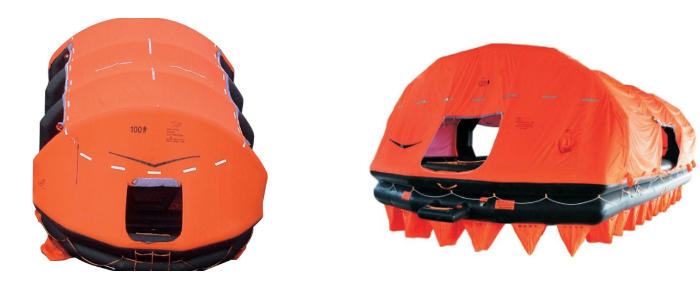
- Limited Space: Since most life rafts have lower sizes compared to lifeboats, room and privacy can be problematic for occupants. For bigger groups, this can lead to temporary discomfort and further difficulty in accommodating all passengers.
- Vulnerability in Extreme Conditions: Though life rafts are designed to withstand turbulent seas, harsh conditions may cause them to be vulnerable, such as withhigh waves or severe weather. With certain occasions, the way a raft stays afloat and stable may be infringed upon miserably.
- Dependence on External Rescue: Life rafts are meant for short-term survival and need rescue by other vessels or aircraft. If there is no means of signaling having an urgent need or not being able to navigate, keeping out of one’s dismay could be seriously challenging for a survivor on a life raft.
- Durability Concerns: Being quite durable, life rafts can deteriorate over time. Regular inspections, maintenance, and servicing need to be carried out to ensure that life rafts are in an operational state, ready for use in emergencies.
Types
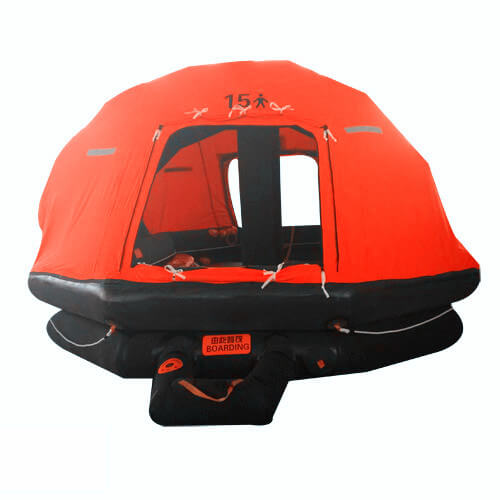
This chart provides the different types of life rafts
| Type of Life Raft | Description | Key Features |
| Solas Life Rafts | Built to meet international maritime safety standards (SOLAS). Commonly used on commercial vessels. | – Compliant with SOLAS regulations – Larger capacity – Equipped with emergency survival supplies |
| Recreational Life Rafts | Smaller, lightweight life rafts designed for leisure boats, yachts, and smaller vessels. | – Compact and portable – Designed for short-term use – May have fewer survival provisions |
| Offshore Life Rafts | Designed for use on offshore oil rigs or platforms, built to withstand harsh conditions. | – Larger capacity – Enhanced durability for offshore conditions – Equipped with advanced survival tools |
| Inflatable Life Rafts | Common life rafts used for general maritime purposes, inflatable for ease of storage and deployment. | – Quick deployment via automatic or manual inflation – Compact and easy to stow – Lightweight and portable |
| Throw-over Life Rafts | Deployed by being thrown overboard from a vessel, typically used for quick deployment in emergencies. | – Easy to deploy – Used in emergencies for rapid evacuation – Inflates upon contact with water |
| Semi-Enclosed Life Rafts | Partially enclosed, offering some protection against the elements while still being compact. | – Partial protection from wind and rain – Lightweight and portable – Offers some comfort compared to open rafts |
Understanding Lifeboats
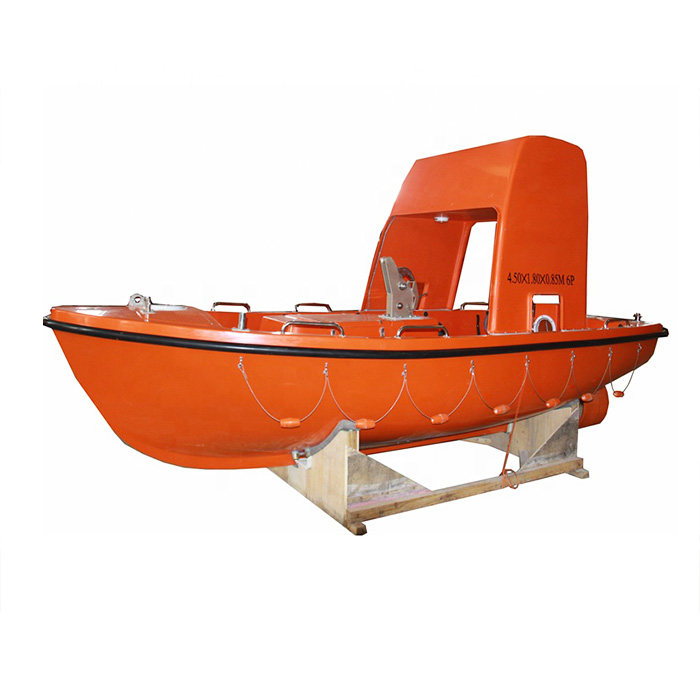
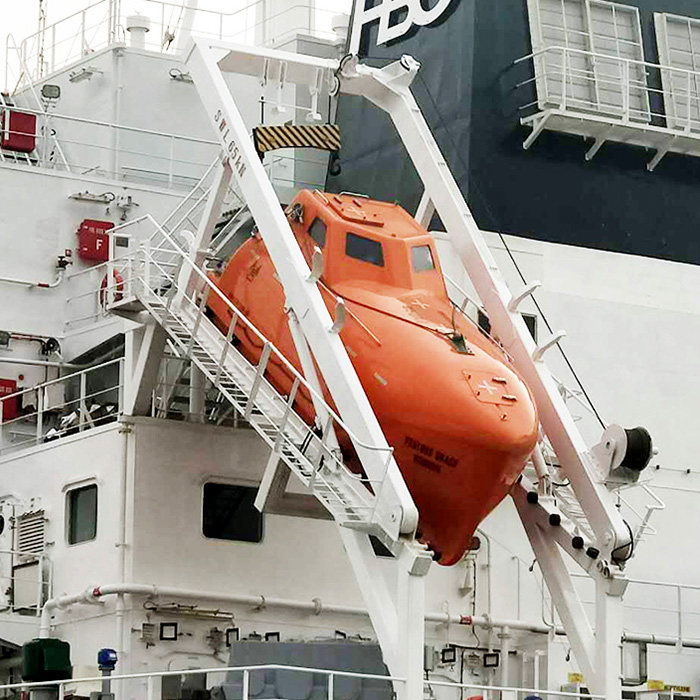
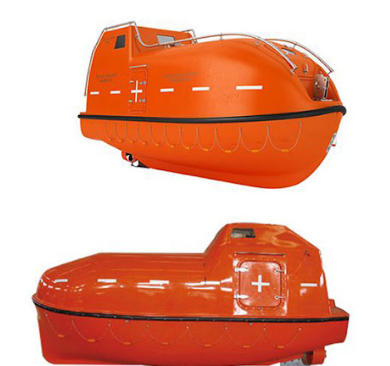
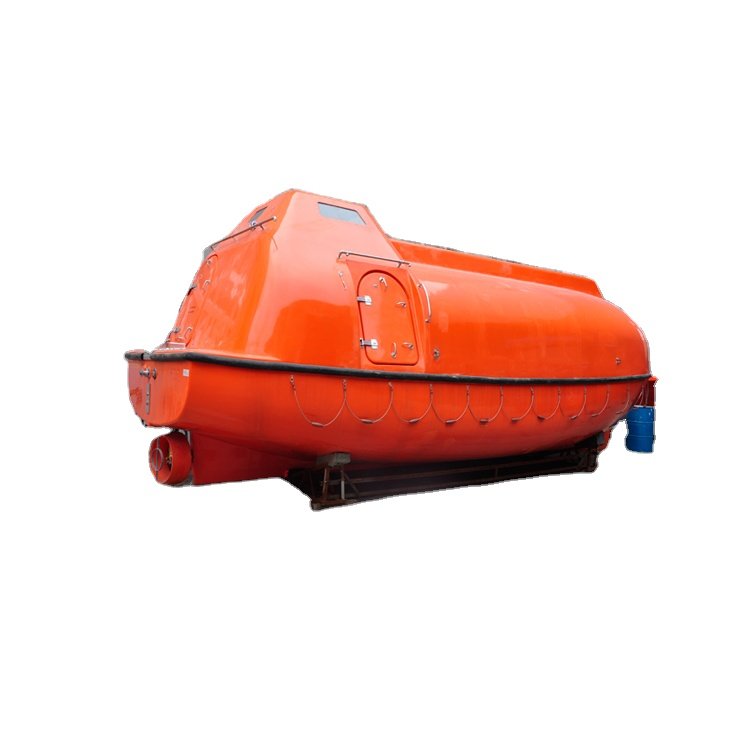
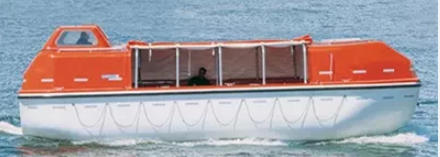
Lifeboats are fully enclosed rigid boats designed to be launched from the mother ship in an emergency, i.e., when the mother ship is facing the risk of being lost or sinking. The design feature on lifeboats is to assure that they can provide an extended period of use for survival, flotation, and protection against the elements.
Safety Features
- Self-righting: Many lifeboats are constructed to be self-righting, enabling the craft to keep afloat even when it capsizes. This way, the persons inside the boat are not exposed to the dangers of being trapped within a submerged boat.
- Watertight Compartments: The compartments of lifeboats are water-tight so that even if the boat is damaged, it remains afloat. That’s why if any water comes into the boat, it can be kept in watertight compartments for the safety of the persons inside.
- Rations and Survival Supplies: Survival equipment comes naturally furnished in lifeboats with food, water, first aid kits, signaling devices, and lifesaving navigation tools.
- Thermal Insulation: Lifeboats are often insulated in order to insulate the boat and occupants from the freezing cold temperatures of the sea waters, effectively averting hypothermic cases in the event of longer maritime spells.
- Navigation and Communication Tools: Many lifeboats encompass various distress signals, marine radios, or GPS systems to encourage the rescue efforts.
Advantages
- Extended Survival Capability: Lifeboats are designed for a longer duration of survival compared to rafts, which do not come designed for a lengthy stay. They are made to cope with greater exposure to the elements as well as tough seas.
- Capacity and Comfort: Lifeboats have the capacity to carry a larger number of people, often ranging from a small crew to hundreds of passengers, depending on the size and design of the boat. Their enclosed nature provides protection from weather, waves, and other environmental hazards, ensuring a higher degree of comfort than life rafts.
- Enhanced Stability and Safety: Lifeboats are generally more stable and durable than life rafts, as they are designed to endure rough seas and maintain a safe position even in turbulent waters. They are also equipped with features that enhance stability, such as weighted keels or anti-roll systems.
- All-Weather Protection: Lifeboats offer superior protection against adverse weather conditions, such as heavy winds, rain, and cold temperatures, which can be life-threatening in emergency situations.
- Built-in Propulsion Systems: Some lifeboats are mounted with engines or rowing systems that allow them to operate away from the disaster scene, providing survivors with engineering and mobility to reach a place of safety.
Limitations
- Size and Weight: Over and above rafts, lifeboats are larger and heavier by contrast, making them more difficult to stowage and deploy, especially under rough sea conditions. The size and weight of a boat will be very large for most vessels.
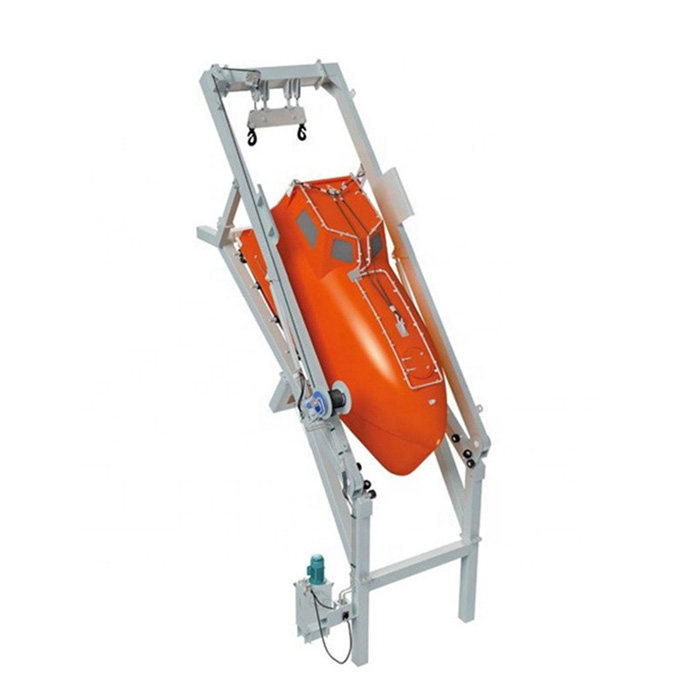
- Complex Deployment: Since the lifeboat is larger, it possesses the complication of being launched from the davit system crane-like device. Launching it often remains difficult during an emergency under certain conditions, particularly after the ship is severely destroyed or lying.
- Maintenance and Inspection Requirements: The lifeboat is persistently prone to maintenance and inspection to guarantee operating launching systems, propelling, and survival equipments. These are expensive functions and are somewhat costly, more so where excursion boats may be numerous.
- Limited Space in Small Vessels: For smaller ships or leisure vessels, there is a limitation on the space for accommodating a lifeboat. Consequently, it often becomes a daunting task in accommodating all the passengers and crew in an intended moment of evacuation for many ships.
Types
Here’s a chart summaries the various types of lifeboats
| Type of Lifeboat | Description | Key Features |
| Free-Fall Lifeboat | A type of lifeboat that is launched by falling into the water from a height, often from a platform. | Self-contained, designed for quick launch, high capacity. |
| Davit-Launched Lifeboat | A traditional life boat that is lowered into the water using a davit system. | Manual or powered davit launch, often motorized. |
| Motorized Lifeboat | Lifeboat with an engine for propulsion, providing mobility and the ability to navigate. | Equipped with an engine, steering, larger capacity. |
| Non-Motorized (Gravity) Lifeboat | A lifeboat that is launched by gravity from a platform, without an engine. | Simple, gravity-launch system, usually smaller capacity. |
| Totally Enclosed Lifeboat | A fully enclosed, self-contained lifeboat offering protection from the elements. | Fully enclosed, weatherproof, with provisions for long-term survival. |
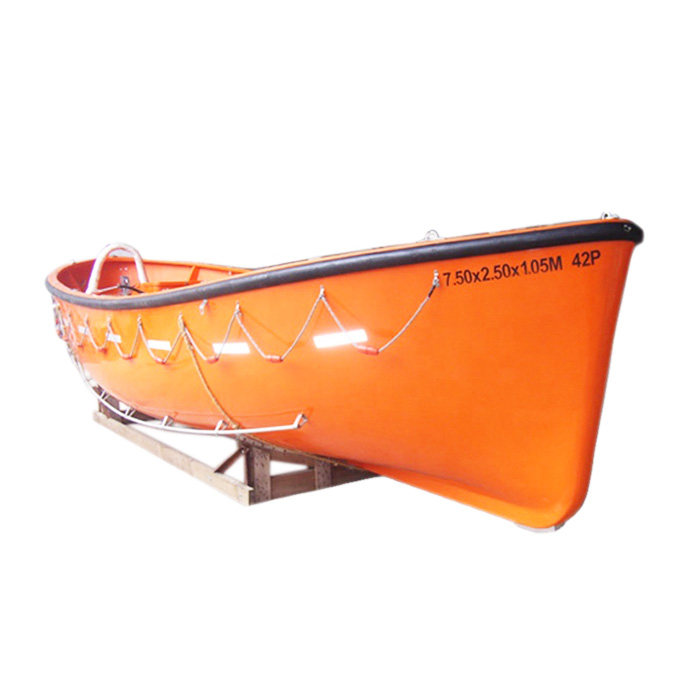
| Open Lifeboat | A lifeboat without an enclosure, providing basic flotation and protection. | Basic design, no enclosed shelter, lower capacity. |
| Inflatable Lifeboat | Lightweight, inflatable boat designed for emergency evacuation. | Portable, inflatable, often used in small craft and as a backup. |
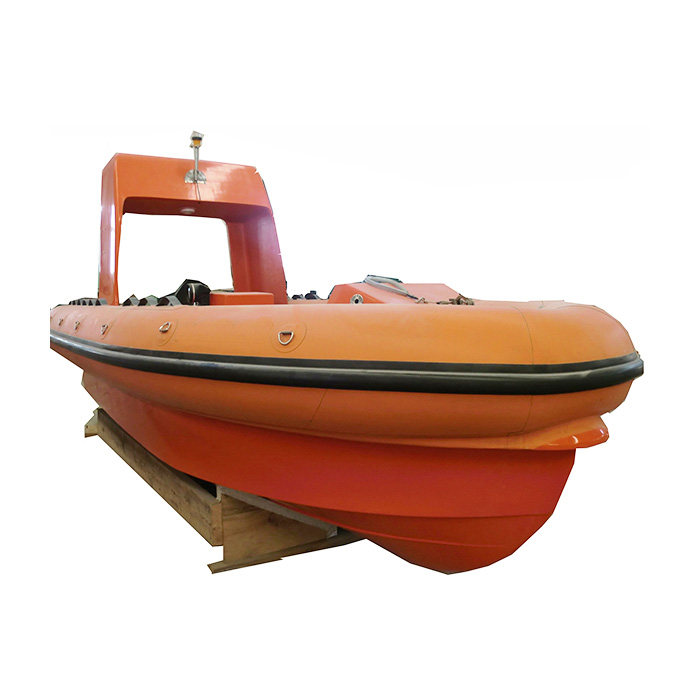
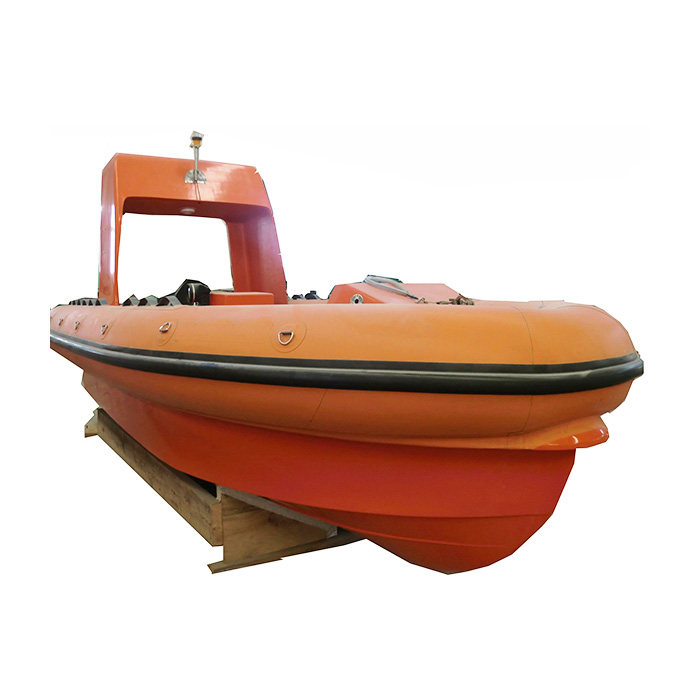
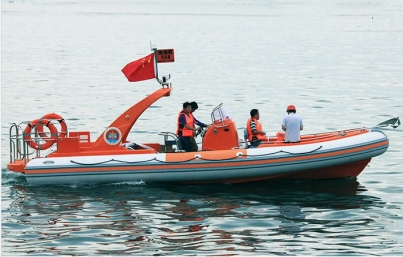
| Rigid Inflatable Lifeboat (RIB) | A combination of rigid hull and inflatable tubes for increased stability and performance. | High-speed capabilities, durable in rough conditions |
Key Factors to Consider for Choosing Between Life Rafts and Lifeboats
The decision on which life-saving equipment to use depends on various factors such as vessel size, intended usage, operational requirements, etc. Understanding the key factors to consider when choosing between life rafts and lifeboats can ensure optimal safety and preparedness during an emergency.
1. Vessel Size and Passenger Capacity
One of the most significant factors that help one choose life rafts or lifeboats is vessel size and passenger count. Life rafts are generally suited for use in small vessels, such as small pleasure crafts, yachts, or fishing boats. They are compact and can easily be stored in awkward spaces, perfect for vessels with little deck space. The liferafts are meant to use less number of people, anywhere from 4 to 25 individuals, hence ideal for smaller crews or passenger groups.
While facing more passengers and crew needing to evacuate, commercial ships, cruise liners, or oil rigs require lifeboats due to the higher number of persons to be evacuated. Lifeboats are capable of carrying a larger number of people, usually ranging between 20 to 100 or perhaps more, hence would be better equipped in the near long run to serve the needs of a large group. Lifeboats are essential on vessels carrying substantial crew and passenger capacities so that everyone can safely evacuate.
2. Deployment and Ease to Use
There is significant variation in respect to the ease of deployment of life rafts and lifeboats. Generally speaking, life rafts are much easier to deploy than lifeboats. Most life rafts are packed into a small canister-type container and they are automatically deployed when released from their storage area. By the system of automatic inflation, a life raft comes, in virtually no time, to the state in which it is deemed safe for use by human beings. Thus, the simple nature of life rafts makes them a good choice for smaller vessels or in situations requiring immediate evacuation.
On the other hand, lifeboats require a much more complicated deployment process. Stowed in davits or launch systems, they have to be operated by the crew. Deployment involves either manual effort or mechanical systems, and in general it takes longer to execute. Lifeboats design stresses the imperative need to train the crew so that they can launch the lifeboats properly and efficiently. The lifeboats are all the more complicated to launch but offer better stability and dependability once launched, making them the better alternative for long-term survival and security in tougher environments.
3. Duration of Survival Needs
Other critical factor that could alter the situation is the duration of survival. Generally a life raft is planned for short-term use, normally with a 24-hour period of basic life-saving supplies and protection, and having some items up to 72 hours. Such devices are ideal in that the minimum size and weight permitted for the above lifespan exceeds their availability for rescue within a short space of time. Nevertheless, life rafts can come with some simple survival tools, namely, food, water, or signals, particularly when people are cramped up for time, the food on board can be exhausted.
On the other hand, lifeboats are designed for long-term survival. They offer more space for extra supplies, such as food, water, medical kits, and other survival essentials. Suitable to situations in which a rescue might be considerably delayed so that a more secure and comfortable environment for evacuated survivors to return to becomes necessary. Lifeboats, which can carry more people and can stay afloat versus rough conditions, are a better option for survival in the prolonged situations.
4. Environmental Conditions and Stability
Environmental factors play a major role in the choice between life rafts and lifeboats. In the main, moderate weather conditions favor the use of life rafts. Otherwise, the rafts are more inclined to be less stable and more prone to capsizing or being swamped by waves in rough seas, high winds, or extreme weather conditions. The fearing devices for preventing swamping or, floatation aids notwithstanding, some life rafts may not be able to withstand against the elements or the power of turbulent water.
Lifeboats are crafted to be able to withstand in even more severe environmental conditions. Lifeboats made of rigid materials, including fiberglass, aluminum, or steel, provide good stability with a rigidity. Equipment including canopies or a fully closed cabin provides protection for those on board against severe weather. This makes lifeboats a more dependable option under bad weather conditions, especially when operating in areas with comparatively unpredictable oceanic conditions, including heavy waves or cold temperatures.
5. Maneuverability and Mobility
Generally life rafts are not motorized and rely on paddles or oars for their movement. This limited mobility can prove to disadvantage in cases of emergencies where the trip involves directly or diagonally cutting through mild waves, as the survivors try to navigate some denser obstructions-rescuer ships on the way, or avoid dangerous points. Strong currents and winds or rough seas may make life rafts drift farther away from the zones of rescue, resulting in survivors having almost no control of the direction they take.
Contrastingly, lifeboats have engines that might fuel their forward propulsion. The same allows these boats to be steered, which is highly advantageous during any emergency as a group of survivors can start to move either towards safety or to avoid that which puts their lives in danger, such as poison-wading zones. Interior forces can sometimes favor surviving souls out on the high seas by deciding the direction and moving of a lifeboat.
6. Cost and Maintenance
price matters most when selecting safety equipment on a vessel. Generally, life rafts are the cheapest option to go for in terms of initial price as well as maintenance. The paddle life raft is very easy to design and hence maintenance cost does not come rowing in like it does with lifeboats. In this way, life rafts on smaller vessels help to meet safety regulations at a small cost and also make an emergency evacuation possible for the crew.
As they are larger feet and totally different than life rafts, lifeboats are very much expensive. The design of the lifeboat demands that it is dependent on the engine. The costs of life boat maintenance, carrying out scheduled checks on the system integrates with additional systems like engine, davits, and launching mechanisms. Apart from the initial cost, lifeboats, as preventive devices reported to larger vessels, carry excess costs, having them provide more value in the long term particularly in complex circumstances where the mobility of survivors is crucial to their long-term survival and defensive purposes.
7. Regulatory Requirements
Regulatory requirements come into play when choosing between life rafts or lifeboats. Small vessels, for example, private yachts or fishing boats, commonly require to be equipped with life rafts that comply with certain safety standards. In the world of the larger vessels-drystock vessels, oil rigs, cruise ships-the authorities typically mandate lifeboats as lifeboats have greater capacity and benefit in protecting greater numbers of passengers and crew members. It is crucial to know the regulations of the vessel in question in the particular area of operation in order to select an appropriate emergency evacuation device.
Summary
- Life rafts are ideal for smaller vessels, quick evacuations, and short-term survival needs.
- Lifeboats are better suited for larger vessels, long-term survival, and situations where stability, mobility, and extended capacity are necessary.
Final Thoughts
Selecting between Life rafts and lifeboats depends on the type of vessel, number of persons onboard, the nature of the maritime operation,etc. Both are indispensable safety tools and the key to their successful deployment lies in training and the proper maintenance.