How to Retrofit Existing Marine Windows
Marine windows are at the heart of the framework and utility of a vessel. They give visibility, natural lighting, and ventilation and invariably improve the passengers’ and crew’s safety and comfort. Despite that, many vessels have kept working for several decades now, and their original windows have become less functional, damaged, or simply out-of-date with the dictates of new maritime standards over time. Rather than replacing an entire vessel window section, retrofitting existing marine windows offers a practical and cost-effective solution.
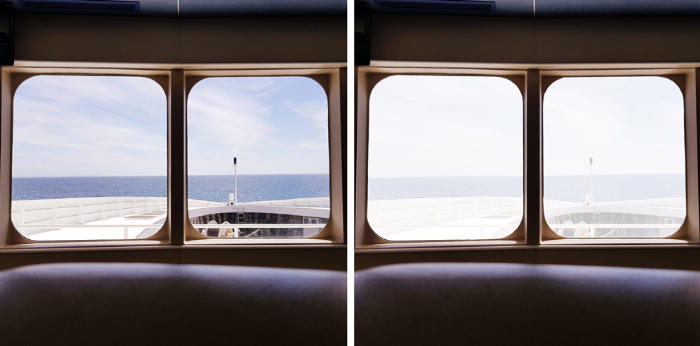
Table of Contents
Understanding the Basics of Retrofitting Marine Windows
Retrofitting marine windows involves upgrading, modifying, or replacing existing window systems so as to enhance performance, durability, aesthetic appeal, and compliance while keeping the carrying-structure of the vessel intact. From commercial shipping and ferry services to yachting, warfare ships, and offshore platforms, retrofitting has put itself to be an indispensable venture in the present conditions concerning marine preservation.
Common Reasons for Retrofitting Marine Windows
| Common Reason for Retrofitting Marine Windows | Explanation | Benefits |
| Corrosion and Material Degradation | Continuous exposure to saltwater, humidity, and UV radiation can weaken frames, fasteners, and seals over time. | Restores structural strength, improves durability, and reduces maintenance needs. |
| Water Leakage Problems | Aging seals, gaskets, or warped frames may allow water intrusion during rain or rough seas. | Prevents cabin damage, mold growth, and interior deterioration. |
| Poor Visibility | Scratched, fogged, cracked, or yellowed glazing can reduce clear vision for navigation and operations. | Enhances safety, visibility, and overall appearance. |
| Energy Efficiency Upgrades | Older single-pane windows often provide poor thermal insulation. | Lowers heating and cooling costs, improves onboard comfort. |
| Noise Reduction Needs | Engine vibration, wave impact, and port noise can enter through outdated windows. | Creates quieter cabins and better passenger or crew comfort. |
| Safety Improvements | Older windows may not meet current impact, fire-resistance, or emergency escape standards. | Increases onboard safety and helps meet regulations. |
| Regulatory Compliance | Maritime standards and classification society rules may change over time. | Ensures continued certification and legal operation. |
| Hardware Failure | Hinges, handles, locking systems, and opening mechanisms may wear out. | Improves usability, ventilation control, and security. |
| Modernization of Vessel Appearance | Outdated windows can make vessels look aged or less competitive. | Enhances vessel aesthetics and resale value. |
| Structural Damage Repair | Storm impact, vibration fatigue, or accidental collision may damage window systems. | Restores watertight integrity and operational reliability. |
Key Retrofitting Approaches for Marine Windows
A successful retrofit project for marine windows, depends on choosing the right approach based on vessel type, operational environment, budget concerns, and the condition of the original installation. Several proven retrofitting methods are commonly applied across boards in commercial and naval vessels, as well as yachts and offshore vessels.
1. Full Window Replacement
Throwing a whole new window into place is the most far-reaching of remedies for windows in retrofit projects, allowing them to be rid of the old frame, glazing, seals, and hardware, and replaced with a completely new marine-grade unit that has been designed for fitment into that particular opening.
This route is usually taken whenever the original frame supplies high corrosion in the seal ends, structural fatigue, or outdated construction that fails now to meet current requirements. It also works best when owners lay greater emphasis on improving both function and look.
Modern replacement windows provide enhanced watertight sealing, improved impact resistance, better thermal insulation, and lower maintenance that better the status quo. This can be a most cost-effective long-term choice, even if it leads to longer installation times.
2. Frame Refurbish and Glazing Upgrade
When the existing frame is in good condition, refurbishing it and glazing improvement may become more practical and cost-effective. This may involve cleaning, repairs, recoating, and resealing of the original frame, whilst the old glazed panel is substituted for a new material. This approach may be of benefit to well-renowned vessels in the historic sphere due to the requirement for saving the original structure or aesthetics; the preservation of the original frame profile, whilst improving the performance, may enable passenger vessels, heritage ships, and custom yachts to benefit from the new glazing. The upgrade can come in the form of toughened glass, laminated safety glass, insulated cheverleys, or insulated glass systems depending on the vessel’s needs.
3. Seal and Gasket Replacement
Water leakage constitutes one of the most commonly encountered problems of marine windows. Over time, seals and gaskets may lose flexibility and become brittle or shrink down due to environmental exposure. Gasket or seal material replacement is one of the quickest and most efficient approaches that can be taken to re-establish the water-tightness. These new materials offer better salt-water resistance, UV resistance, and improved strength in comparison with what has been commonly used under these conditions. As a result, the service life is extended significantly in contrast to further downtime and repair costs.
4. Hardware Modernization
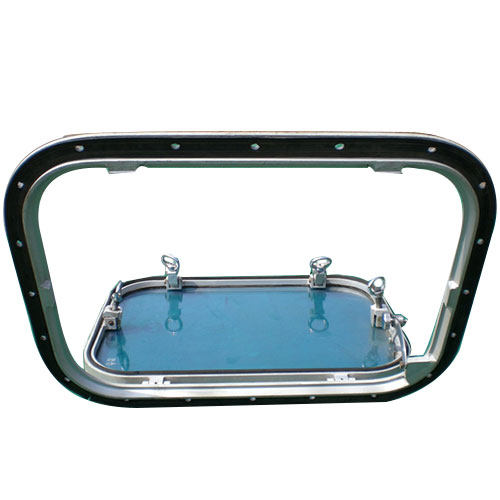
For every single responsible marine operator, marine windows will come with hinges, handles, locks, stays, and latches that can be depended on. In the end, they will rust and then corrode away, get loose, become too stiff to operate, or become inoperable.
This hardware update, if conducted carefully, will certainly be the best project to considerably enhance the safety factors in respect of all concerned ships. It’s a remodeling turn to new marine hardware that incorporates superior-grade stainless steel for quite resistance to corrosion, making the overall ship operation quick and smooth, along with greater strength for enhanced protection. Such hardware makes it easier for contractors to do dealing for handling-modernization hardware in such areas as passenger vessels and crew quarters.
5. High-Performance Glazing Conversion
Quite a few of older ships are using plain single-pane glazing with little insulation and noise reduction. Switching over to squeezed glass sets can improve dramatically the comfortableness and performance aboard. The safety of on-safety glass is also worth mentioning. Tinted or coated glass decreases solar heat and glare. Double-glazed or even insulated units help stabilize cabin temperatures and decrease HVAC energy requirements by significantly insulating a cabin. Acoustic glazing deadens engine and environmental noise. Such retrofitting becomes particularly beneficial in ships such as tankers, cruise vessels, ferries, luxury yachts, and research ships where the satisfaction of the passengers takes precedence.
6. Structural Reinforcement Around Window Openings
In some retrofitting projects, the hull around a new window being installed may need minute reinforcing. The years of vibration, stress loading, hidden corrosion might have weakened the hull abutting the opening or the superstructure. Strengthening these areas will consider that the upgraded windows will function properly under wave impact, wind pressure, and hull movement. Structural work may require metal repair, welding, insert replacement, or strengthening platess. Although less obvious than the window, this procedure will be key in the long-term reliability.
7. Custom Retrofits for Non-Standard Openings
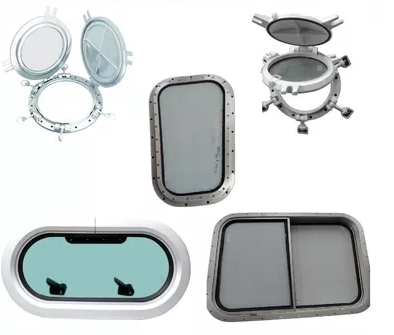
Older vessels tend to have unique marine window shapes, curvilinear hull profiles, or dimensions that do not meet regularly stocked standards in modern manufacturing. For such occasions, the only functional solution is to provide for a full retrofit of custom manufactured replacement windows. The advent of highly precise measurement systems and digital scanning, in conjunction with CAD engineering, now enables manufacturers to design a window that perfectly fits the particular, irregular opening. Such kind of replacement from the same materials as the categories will minimize the need for modification to the ship and help to bring its performance to the level of contemporary operation. Custom refurbishments are reasonably common on naval vessels, some vintage vessels, some select workboats, and some upscale pleasure vessels.
8. Fire-Rated and Safety Compliance Upgrades
Current maritime laws may require more fire resistance, escape ability, or impact resistance than older windows were designed to provide. Retrofitting options provide the means to bring the ship to compliance by setting up certified fire-rated glazing; new, improved locking systems; and stronger framing assemblies. This approach is also highly appropriate for use in passenger ships, offshore accommodation units, and ships being re-classified/refit for a new service environment.
9. Choosing the Right Retrofitting Strategy
Choice of retrofitting strategies would depend upon many factors like the age of the vessel, condition of the original windows, operating routes, climate exposure, regulatory requirements, and budget priorities. The simple replacement of seals is most advantageous for some ships. Yet, only full-scale upgrading with custom engineered systems can satisfy some ships. An expert inspection and technical assessment will help in deciding which path the owner should go.
The Retrofitting Process of Marine Windows
| Retrofitting Stage | Main Activities | Purpose | Expected Outcome |
| Initial Vessel Inspection | Examine existing windows, frames, seals, glazing, and surrounding structure. | Identify wear, leaks, corrosion, and damage. | Clear understanding of retrofit requirements. |
| Condition Assessment | Evaluate structural strength, opening dimensions, and material condition. | Determine whether repair, upgrade, or full replacement is needed. | Accurate retrofit scope and budget planning. |
| Measurement and Surveying | Take precise dimensions manually or with digital scanning tools. | Ensure new windows fit existing openings correctly. | Reduced installation errors and better alignment. |
| Regulatory Review | Check classification society and maritime compliance requirements. | Confirm retrofit design meets safety and certification rules. | Smooth approval and legal operation. |
| Design and Engineering | Select frame materials, glazing type, hardware, and sealing systems. | Customize the solution for vessel type and operating conditions. | Optimized window performance and compatibility. |
| Product Fabrication | Manufacture standard or custom marine window units. | Prepare components for efficient installation. | Ready-to-install retrofit systems. |
| Removal of Existing Windows | Safely detach old frames, glass, fasteners, and sealants. | Clear the opening for new installation. | Clean workspace for structural preparation. |
| Surface Preparation and Repairs | Remove corrosion, repair surrounding structure, level mounting surfaces. | Create a strong and clean base for new windows. | Improved durability and watertight fitting. |
| Installation of New Windows | Position frames, secure fasteners, install glazing, apply seals. | Integrate upgraded window systems into the vessel. | Functional and secure marine windows. |
| Sealing and Finishing | Apply final sealants, trims, coatings, and hardware adjustments. | Protect against leaks and improve appearance. | Finished professional installation. |
| Testing and Inspection | Perform water spray tests, pressure tests, and operational checks. | Verify sealing, strength, and functionality. | Confirmed reliability and compliance. |
| Final Handover | Deliver documentation, maintenance guidance, and approvals. | Complete the retrofit project. | Vessel ready for service with upgraded windows. |
Challenges in Retrofitting Existing Marine Windows
| Challenge | Description | Potential Impact | Common Solutions |
| Corroded Existing Frames | Long-term exposure to saltwater and moisture can weaken metal frames. | Reduced structural integrity and difficult removal/installation. | Repair damaged areas or replace frames entirely. |
| Hidden Structural Damage | Corrosion or fatigue may exist behind panels or around window openings. | Unexpected repair costs and project delays. | Conduct detailed inspections before retrofit work begins. |
| Non-Standard Window Sizes | Older vessels often have custom or outdated dimensions. | Modern standard units may not fit correctly. | Use custom-designed replacement windows. |
| Distorted or Uneven Openings | Vessel movement, age, and stress can alter original opening shapes. | Poor sealing, leaks, and alignment problems. | Re-machine openings or fabricate custom frames. |
| Limited Dry Dock Time | Retrofit work is often scheduled during short maintenance periods. | Pressure on installation schedule and higher labor costs. | Pre-plan materials, measurements, and staged installation. |
| Regulatory Compliance Requirements | New windows may need to meet updated maritime rules. | Delays in certification or rejection of installation. | Select certified marine-grade products and verify standards early. |
| Matching Vessel Appearance | New windows may not align with the vessel’s original design. | Reduced aesthetic value or inconsistent exterior look. | Use custom finishes, shapes, and profile-matched systems. |
| Access Constraints | Some window locations are difficult to reach on large or complex vessels. | Slower installation and increased safety risks. | Use specialized lifting equipment and trained crews. |
| Watertight Sealing Complexity | Marine windows must withstand waves, rain, and pressure. | Leaks, corrosion, and interior damage if sealing fails. | Use high-quality gaskets, sealants, and pressure testing. |
| Weight Considerations | Heavier replacement materials may affect vessel balance. | Stability or fuel-efficiency concerns. | Choose lightweight materials for production, such as marine aluminum windows. |
| Compatibility with Existing Structure | New materials may react differently with old metals or surfaces. | Galvanic corrosion or weak attachment points. | Use isolation materials and marine-approved fastening methods. |
| Budget Constraints | Full retrofits can become expensive if additional repairs are needed. | Project scope reductions or delayed upgrades. | Prioritize critical windows and phase the retrofit plan. |
Future Trends in Marine Window Retrofitting
1. Integration of Smart Window Technology
Marine window retrofitting is reaching new innovative horizons with the adoption of smart windows. These windowpanes consist of integrated electronic systems that cause the glass to change over time. For example, electrochromic glass alters its graduated transparency in response to either sunlight or temperature, thereby enhancing interior comfort against glare and managing apex interior temperatures. While a more passive approach onshore, this functionality is crucial for vessels of changing locations, as in the case of cruise ships, dolphins, and the less known ship types. Moreover, to stay in operation, they may have sensors capable of detecting moisture inside or seal failure, helping identify leaks or other emerging issues. Smart windows will hold a pivotal place during marine window upgrade as the industry gears toward the implementation of more energy-efficient and tech-driven solutions, fostering good energy management, interior comfort, and safety.
2. Adoption of Sustainable Materials
As environmental awareness grows, the marine industry is facing pressure to reduce its ecological footprint. The expected future inclusion of the sustainable materials in marine window refurbishment programs surely offers to touch a crucial point. Composite materials, which are relatively cheaper to transport, lightweight, corrosion- and combustion-proof, and have adverse properties of traditional metallic window frames, show improvements in insulation against heat. This is added to greater wear-resistance and stands as significant for energy efficiency.
Moreover, future advancements in glazing technology will permit the recycling of any waste or eco-friendly alternatives to traditional heavy glass. For instance, windows might themselves see the construction with bio-based polymers and recyclable composite substances. Through these innovations, sustainability will take the biggest share of environmental phase.
3. Enhanced Energy Efficiency Features
Marine window retrofitting is expected to have increased energy efficiency. Increased fuel prices and tightening environmental regulations will provide more and more reasons for ships to strive for energy-saving measures. In this regard, the use of advanced insulating glass units (IGUs) containing two or more layers of glass separated by an air- or gas-filled space contributes greatly to the thermal efficiency of vessels.
In addition, the use of solar-control coatings will become de rigueur on retrofitting projects. These coatings, which keep out UV and infrared light, reducing solar heat gain and subsequent glare, will lessen the need to use air conditioning and lighting. Loading windows with such energy-efficient solutions serves to reduce fuel consumption, meaning this also results in a saving of operational costs and an increase in comfort for all passengers and crew.
4. Increased Focus on Noise Reduction
Noise pollution has turned into a major issue on quite a few iconic vessels that cater to passengers/guests or for luxurious cruising, and the way ahead in marine window retrofits could find enhanced stress on noise-proofing and sound-deadening. Acoustic glazing to bar the outside noise in the form of engine hums, wave noises, and dock activities could be a common picture during those refit works.
The need for quieter cabins, living rooms, and public spaces on board ships will be the driving force behind further growth in windows which may feature sound barrier layers to facilitate better soundproofing and create a wonderful atmosphere for the passengers. As comfort and priceless experiences have become some of the major benchmarks in the maritime industry, the industry will continue to face yet another compromise as far as acoustic performance is concerned in all windows in retrofitting for the maritime industry.
5. Integration with Structural Health Monitoring Systems
Integration of sea windows with Structural Health Monitoring (SHM) systems is generating new trends. By collecting data from sensors that are either embedded into or are around the window structure, these SHM systems monitor a range of factors (stress, temperature, pressure, etc.) that demonstrate an impact on the safety of the window and its surroundings. This will conceivably provide the operators with real-time data, enabling them to identify possible trouble areas long before they rise to critical status. For example, sensors may inform the operator if the window frame shifts or the seal starts to disintegrate. Proactive and early maintenance serves to prevent costly repairs, improves safety, and enhances the life of the boat-vessel.
6. Customization for Unique Vessel Needs
As vessels become more specialized, retrofit solutions will require highly customized solutions to meet peculiar operational demands. Some kinds of vessels will have non-standard and asymmetrical window shapes, making retrofit a more challenging process. Through their futuristic proclivity in design; modern fabrication techniques with a greater development in terms of 3D scanning and digital modeling will enable highly customized window retrofit products to precisely replicate the architecture of the vessel.
Customization of architectural design assures that the retrofitted windows would in no way detract from the deltas and aesthetics of the vessel, and it would also favor specific types of window designs with more complex shapes like curved or panoramic windows, all of which are gradually becoming hits in modern maritime architecture.
7. Advancements in Fire Safety and Impact Resistance
Subsequent to the ongoing emphasis on safety, especially in high-risk environments such as offshore platforms and military vessels, fire-safe and impact-resistant windows will come to be an important part of the marine retrofit design space. More and more emphasis will be placed on fire-rated glazing, able to withstand the high amount of time-extreme temperatures, so as to meet the new fire safety requirements in the future.
Secondary benefits extend to the impact-resistant windows as well. There may be a future where impact-resistant windows will become the norm to retrofit on a vessel. And that can be particularly true for operating vessels in harsher and unpredictable environments. Coaxing the two together will take the emergency response and utility energies for the vessel to an even higher level.
Summary
Retrofitting existing marine windows is a viable way to modernize ships while bypassing the high costs of rebuilding. Be they about safety, energy efficiency, maintenance, statutory requirements, or even aesthetics, the advancements made in the window systems can significantly enhance the operational efficiencies of the vessel. In the concept of more marine technological advancements, retrofitting marine windows will always be an absolute must for shipowners to sell their vessel life and keep them in competition in today’s most competitive maritime industry.