How to Customize Passenger Seats in Marine Environments
The maritime industry needs to ensure passenger comfort and safety across all types of maritime vessels which include ferries, cruise ships, workboats, private yachts, etc. Marine environments require passenger seats to endure extreme conditions which include saltwater exposure, humidity, vibrations and daily heavy usage while still delivering comfortable and visually appealing design. Through the customization of marine passenger seats, vessel owners and operators can create seating solutions which match their operational requirements, branding goals and passenger needs.
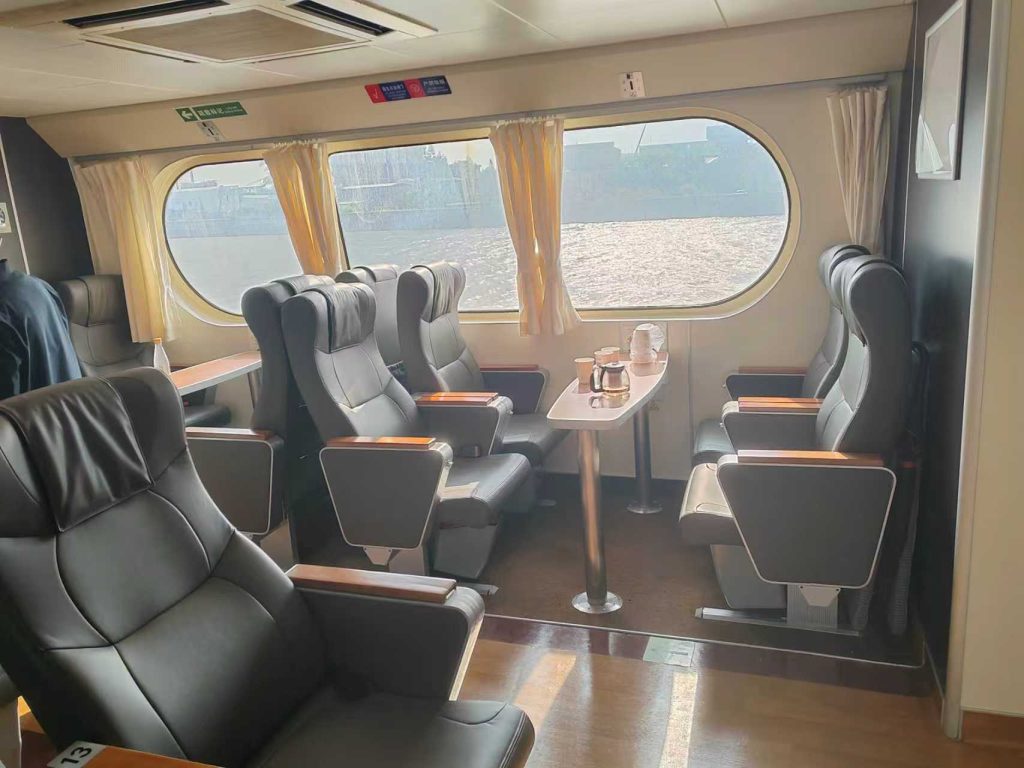
Table of Contents
Why Customization is Important for Passenger Seats in Marine Environments
Different marine vessels require specialized seating solutions which extend beyond standard seating options. A high-speed ferry transporting commuters needs different seating arrangements compared to a luxury cruise ship and a sightseeing boat. Customization enables organizations to achieve optimized space utilization while creating better passenger movement patterns and improving overall onboard experiences.
Marine operators must find solutions to meet their needs for both durable equipment and visually attractive designs. Customized marine seats enable the vessel to establish its brand identity through matching colors materials and finishes while following marine safety standards.
Key Factors in Customizing Passenger Seats in Marine Environment
1. Understanding the Operational Purpose of the Vessel
The first factor in customizing marine passenger seats is identifying the vessel’s purpose.
| Vessel Type | Seat Customization Focus | Common Features | Benefits |
| Ferry | High passenger capacity and fast turnover | Durable upholstery, easy-clean surfaces, compact row layouts, grab handles | Maximizes seating capacity and simplifies maintenance |
| Cruise Ship | Premium comfort and interior aesthetics | Reclining seats, plush cushions, armrests, elegant finishes, branded colors | Enhances passenger luxury and onboard experience |
| High-Speed Catamaran | Safety and shock reduction in rough waters | Shock-mitigating seats, secure restraints, ergonomic backs, lightweight frames | Improves comfort and safety at high speeds |
| Offshore Crew Transfer Vessel | Protection during harsh sea conditions | Suspension seating, reinforced frames, waterproof materials, high back support | Reduces fatigue and protects passengers during transfers |
| Sightseeing Boat | Visibility and passenger enjoyment | Panoramic-facing seats, swivel seats, open-deck seating, weather-resistant materials | Improves viewing experience and trip satisfaction |
| Private Yacht | Luxury customization and exclusivity | Premium leather, custom stitching, adjustable loungers, foldable seating | Provides comfort, elegance, and personalized styling |
| Water Taxi | Space-saving and rapid boarding efficiency | Compact benches, anti-slip finishes, modular layouts, lightweight seats | Optimizes limited space and passenger flow |
| Naval or Patrol Vessel | Durability and secure seating | Heavy-duty frames, restraint systems, shock absorption, corrosion resistance | Ensures safety and reliability in demanding operations |
| River Cruise Vessel | Relaxed comfort for scenic travel | Wide seats, soft cushions, lounge arrangements, USB charging ports | Supports comfort during longer, calm-water journeys |
| Expedition Vessel | Adaptability for diverse conditions | Foldable seats, weatherproof materials, storage pockets, rugged construction | Provides flexibility and durability in remote environments |
2. Prioritizing Passenger Comfort
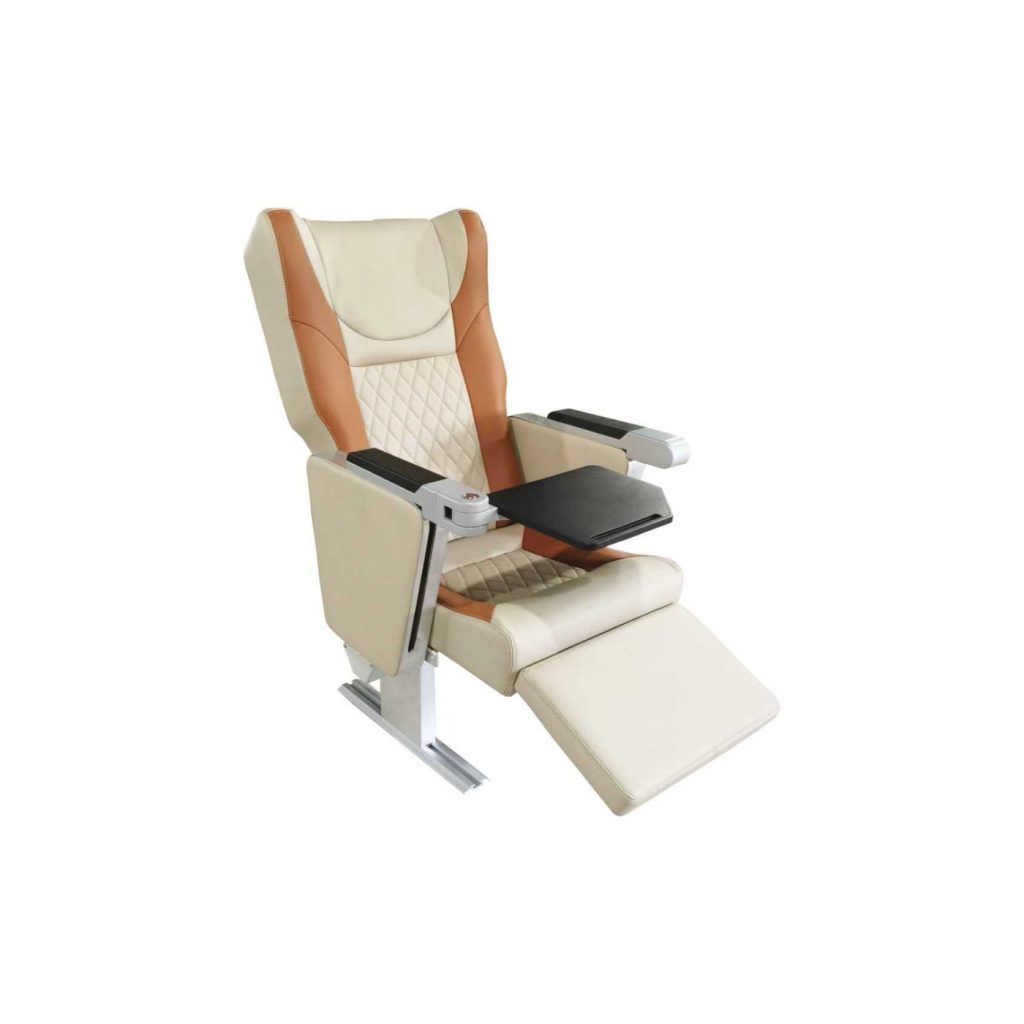
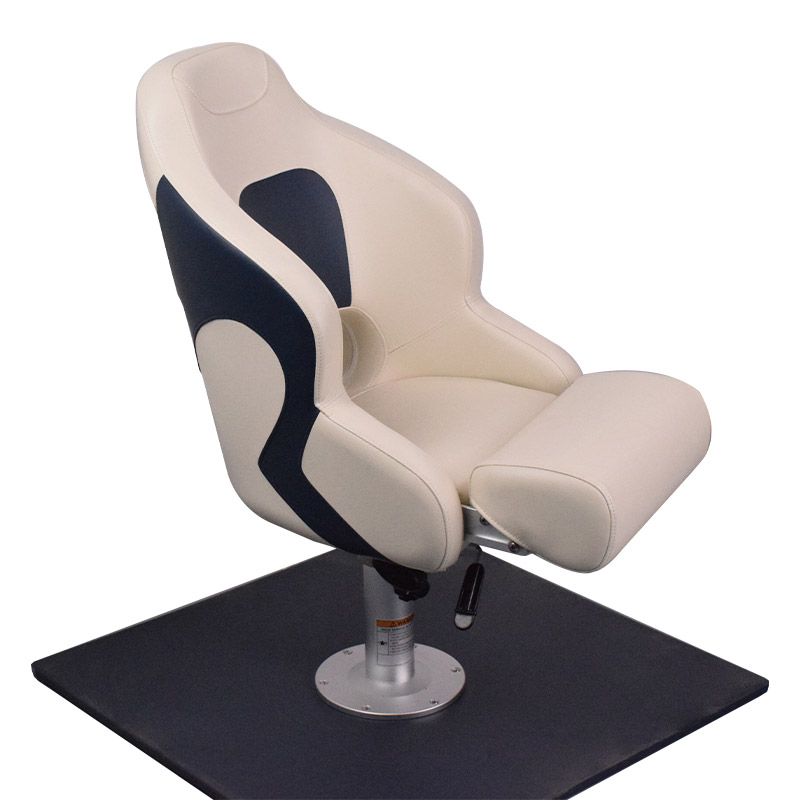
Of course, comfort is one of the most crucial aspects to consider, especially for long-haul journeys. Seat contour, density, angle of back, lumbar support, and legroom, all of these influence passenger satisfaction. Customized seating permits designers to optimize ergonomics according to the trip’s length and the demographics of passengers. Such things as armrests, reclining backs, footrests, and headrests can greatly augment a passenger’s onboard experience. Comfort for passengers will make them see the journey in a more favorable light and return to patronize your services.
3. Selection of Marine-Grade Material
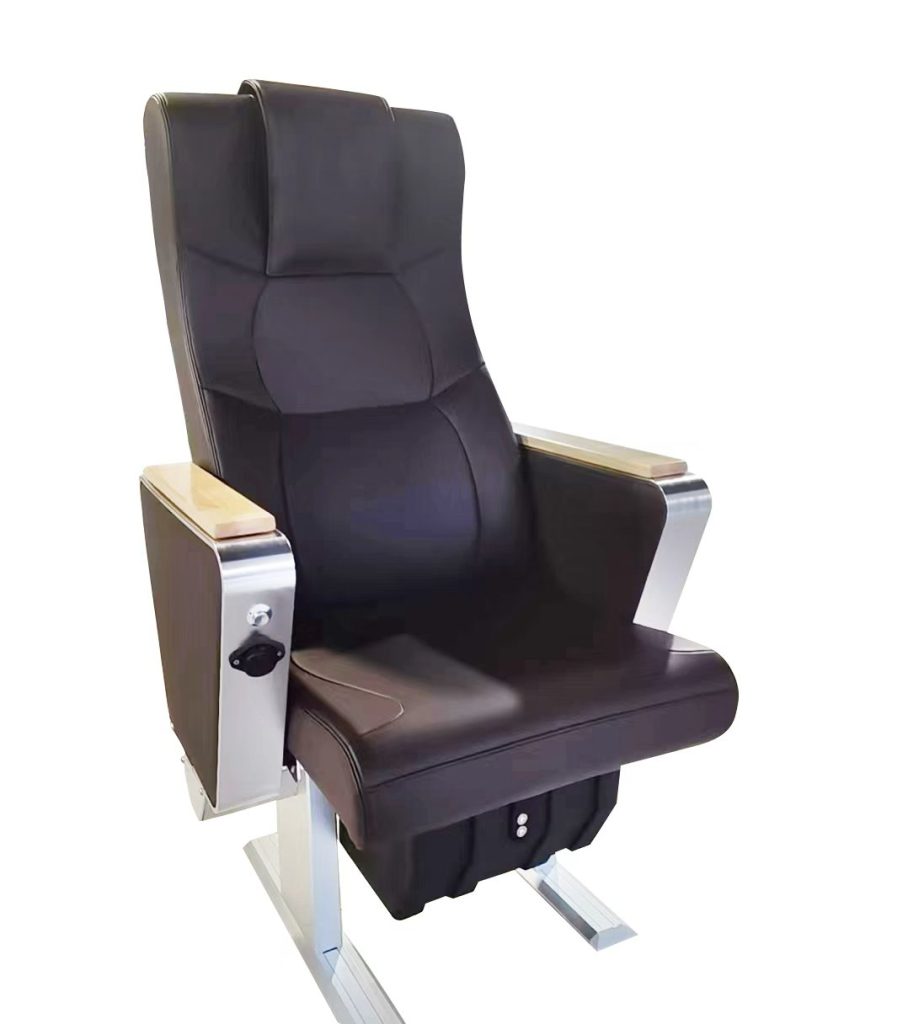
Since it is a common thing to find seats facing the environmental challenges of moisture, saltwater exposure, ultraviolet exposure, and everyday use, the seat construction and designs that are in vogue landward rot rather fast. In the market now, custom marine seats ought only to be to withstand such challenging conditions, having their framework made out of aluminum, stainless steel or treated alloys that are corrosion-resistant. Upholstery materials can include marine-grade vinyl, coated fabrics, or synthetic leather, and marine fabric materials should be waterproof, mildew, and stain resistant. The internal foam has to be selected specially for its replaceability, thus indirectly affecting the resistance to moisture. Correct materials, when used, prolong the seat’s life service and management costs.
4. Maximizing Space Efficiency
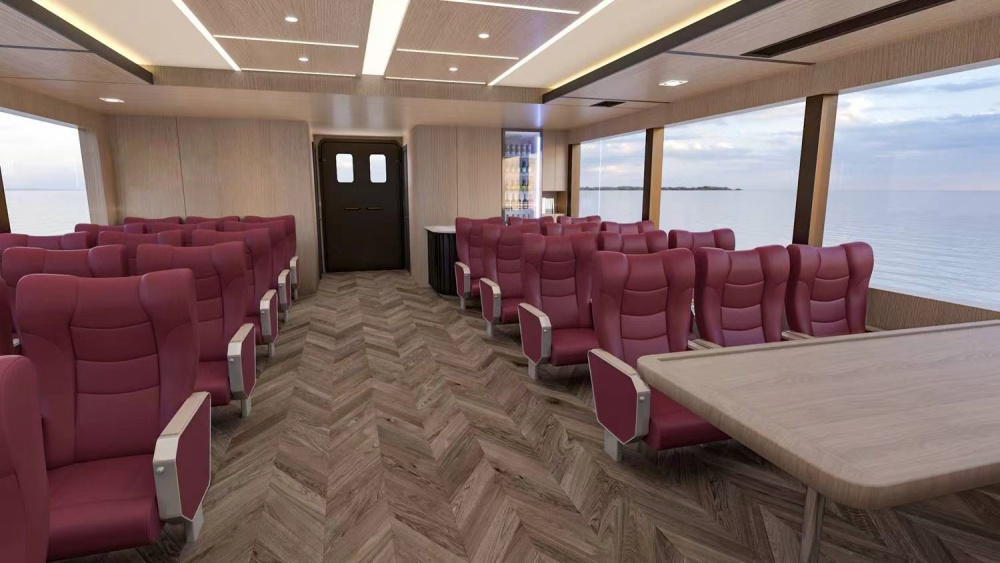
Passenger space onboard a vessel is always limited, making efficient seat layout essential. Customization enables operators to design passenger seating arrangements that balance capacity with comfort and accessibility. Row spacing, aisle width, modular seating, foldable seats, and corner configurations can all be tailored to available deck plans. Well-planned layouts improve traffic flow during boarding and disembarkation while maintaining clear emergency escape routes. Effective use of space can increase revenue potential without compromising passenger comfort.
5. Meeting Safety and Regulatory Standards
Marine passenger seats must conform to relevant maritime safety rules. Customized seats should be able to meet the requirements of safe structural integrity, flame spread, secure mounting, and any prescribed restraint systems. A high-speed vessel normally has shock-load and sudden-movement considerations that might necessitate strengthened seat bases and frames capable of withstanding impact tests. Access might come into question if handicapped seating is not considered. Attending to regulatory compliance at design stage saves undergoing an exorbitant expense for modification work later as well as increases onboard safety.
6. Supporting Easy Maintenance
Moreover, Custom seats facilitate the replacement of cushions on board as customers find it easier to change damaged upholstery panels or recesses. The wear-resistant materials and easy stain removal make sense where drinks and food spills and dirty footwear present an everyday occurrence. Reduced maintenance for passenger seats warrants less downtime, lower costs of work, and the pleasant, welcoming atmosphere that customers visiting the cabin wish to experience.
7. Improving Aesthetic and Brand Identity
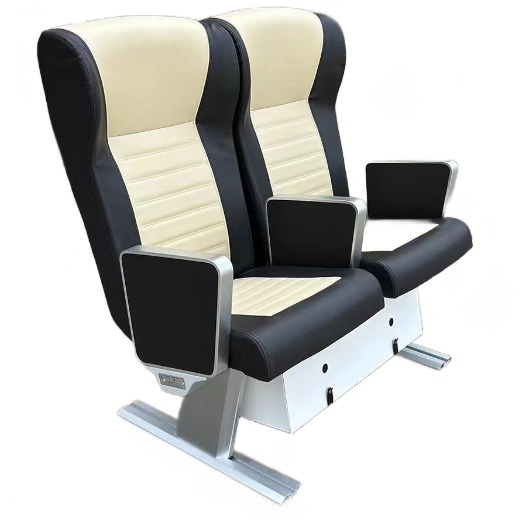
Marine seats play roles by also enriching the aesthetics on the ship. This passenger chair customization also enables the seats to break with the boat’s brand identity, matching the colors perfectly with the stitches, logos, and nice finishes. The large cruise ships would lean toward ease and elegance; the high-speed ferry would pursue modern and functional seats. Attractive interiors make the customer feel cozy, and that is going to be an unforgettable journey for travelers.
8. Balance Costs and Long-Term Value
Customization should not focus only on upfront price. Higher-quality materials and well-designed seating systems often provide lower lifecycle costs through reduced repairs, fewer replacements, and improved passenger satisfaction. A careful balance between budget and long-term value ensures that the investment supports both operational goals and financial performance.
Technological Enhancements in Passenger Seat Customization for Marine Environments
| Technological Enhancement | Description | Application | Key Benefits |
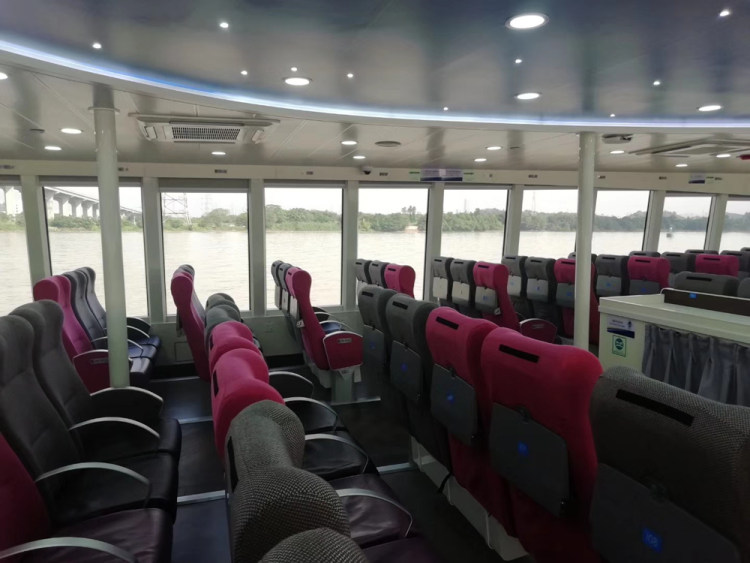
| 3D Modeling Software | Advanced digital design tools for seat concepts and cabin layouts. | Creates customized seat dimensions, styles, and optimized vessel layouts. | Faster design process and improved accuracy. |
| CAD/CAM Production Systems | Computer-aided design linked with automated manufacturing equipment. | Produces custom frames, brackets, and seat components precisely. | Consistent quality and efficient production. |
| 3D Printing Technology | Additive manufacturing for prototypes and low-volume custom parts. | Develops custom armrests, trims, housings, and test models quickly. | Rapid prototyping and lower tooling costs. |
| Smart Occupancy Sensors | Sensors that detect seat use and passenger presence. | Supports reserved seating systems and layout planning based on usage data. | Better seat management and improved efficiency. |
| USB Charging Integration | Built-in USB-A or USB-C charging ports in seats. | Adds convenience features to modern customized seating. | Enhances passenger satisfaction. |
| Wireless Charging Modules | Cable-free charging pads integrated into armrests or tables. | Provides premium seating upgrades for selected passenger classes. | Cleaner design and added convenience. |
| Shock-Mitigation Systems | Suspension or impact-absorbing seat technologies. | Customized for high-speed ferries and rough-water vessels. | Greater comfort and reduced fatigue. |
| Advanced Cushion Materials | Memory foam, high-resilience foam, and pressure-balancing padding. | Tailors comfort levels for route length and vessel type. | Improved ergonomics and seating comfort. |
| Modular Seat Mounting Rails | Flexible mounting systems allowing seat relocation or replacement. | Enables rapid cabin reconfiguration for changing passenger needs. | Higher flexibility and easier maintenance. |
| Antimicrobial Upholstery | Fabrics and coatings resistant to bacteria, mold, and stains. | Used in high-traffic passenger cabins requiring hygiene control. | Easier cleaning and cleaner environments. |
| LED Seat Indicators | Integrated lighting showing available, reserved, or occupied seats. | Supports organized boarding and premium seating management. | Faster boarding and improved passenger flow. |
| Integrated Entertainment Systems | Screens, device holders, speakers, or connectivity ports. | Used in long-distance ferries or luxury marine transport. | Better onboard experience and passenger engagement. |
Future Trends in Passenger Seat Customization for Marine Environments
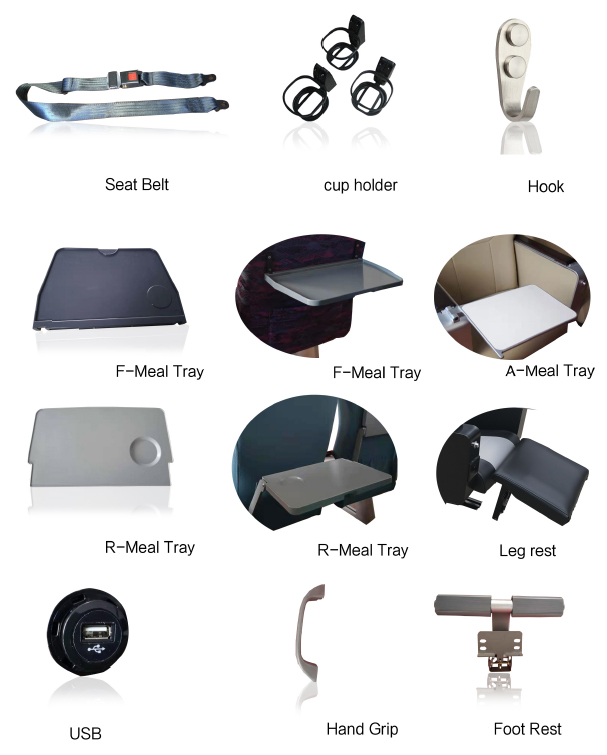
As maritime transport develops, operators are more likely to look for advanced seating provisions that appeal to their changing passenger expectations, sustainability goals, and new technologies. Future customization in marine passenger seats will see a lot of resolve to come up with some innovative processes.
1. Growing Demand for Passenger-Centered Comfort
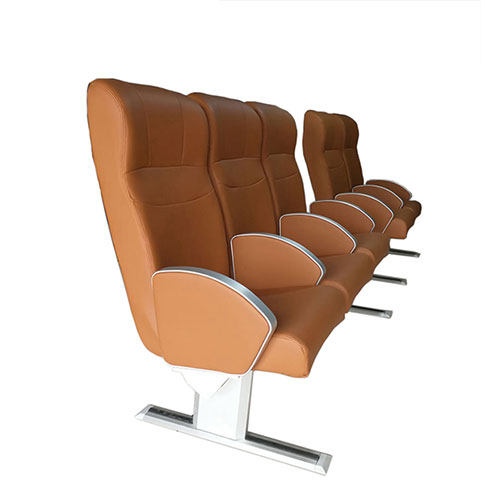
Marine passenger seating will be even more about comfort and ergonomics. Customers are now expecting greater variances on this front, with an orientation toward the kind of seat they find in airlines and high-speed rail. This calls for more flexible seat cushions, improved lumbar supports, height-adjustable headrests, reclining mechanisms, and where possible, extra legroom dimensions. Other manufacturers are experimenting with foams designed for pressure distribution and a soft special body-conforming material for fatigue-free travel over long distances. Comfort is still one of the most potentially fantastic competitive advantages for cruise and ferry operators.
2. Expansion of Lightweight and High-Strength Materials
Reducing weight is one of the most crucial priorities in ship design, as lighter interiors can boost fuel efficiency and reduce emissions. Passenger seats of the future are likely to be made of more advanced materials including aluminum alloys, composite structures, and engineered polymers with high strength but low mass. They resist corrosion and thus provide an ideal solution for harsh marine environments. With customized lightweight seating, operators will be able to reduce operation costs but with the highest durability and safety measures.
3. Sustainable and Eco-Friendly Seat Manufacturing
There is a growing recognition of environmental responsibility within the maritime industry. Future seating customization includes using recycled fabrics to a greater extent, more sustainable foam alternatives, low-emission adhesive, and responsibly sourced materials. Manufacturers may also adopt circular design principles, allowing seat components to be repaired, replaced, or recycled more easily at the end of their service life. Sustainable seating solutions can help operators meet environmental targets while improving brand image.
4. Advanced Safety and Shock Protection
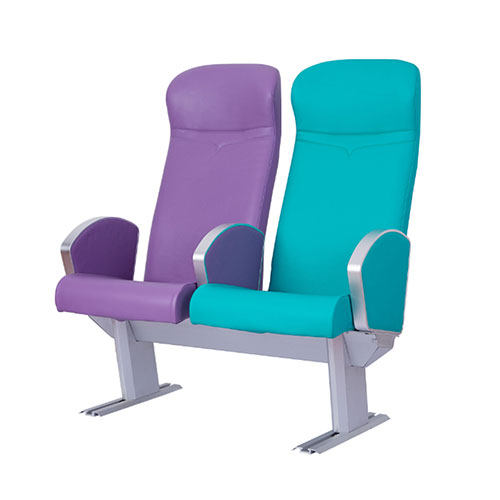
Safety will continue to be a major driver of innovation, particularly for high-speed ferries, offshore transfer boats, and vessels operating in rough waters. Future customized seats may incorporate improved shock-mitigation systems, energy-absorbing structures, and more advanced restraint options. Digital monitoring systems may also track seat integrity and maintenance needs over time. These developments can reduce passenger fatigue, improve protection, and support compliance with evolving marine regulations.
5. Improved Hygiene and Easy Maintenance
Cleanliness has become a stronger focus in public transport environments. Future marine passenger seats will likely use antimicrobial surfaces, stain-resistant coverings, moisture-resistant padding, and seamless upholstery designs that simplify cleaning. Quick-change cushions and replaceable panels may become standard features, allowing faster maintenance and reduced downtime. These innovations are especially valuable for high-frequency passenger routes.
6. Data-Driven Passenger Experience Design
Seats might also gain insight to passenger behavior through the perspectives of data thereby enabling data-directed designs. This sets a vision where the operator heralds seat configurations that are optimized for available occupancy data, route analytics and feedback channels for class segmentation and feature layout designs that are supposedly preferred by passengers. Truly dedicating design to such special passenger configurations will undoubtedly make sense, as the design aimed at enhancing passenger satisfaction through offering a more efficient layout.
Final Thoughts
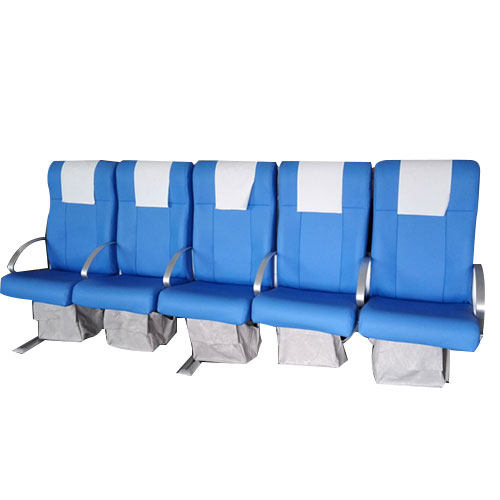
Customizing passenger seats in marine environments is not just meant to serve aesthetic beauty. It blends the virtues of endurance, ergonomic convenience, efficient space management, safety compliance, and brand identity. By investing in customized marine seats, operators of various vessels can improve passenger satisfaction, enhance equipment lifetime, and make on-board experience more attractive.