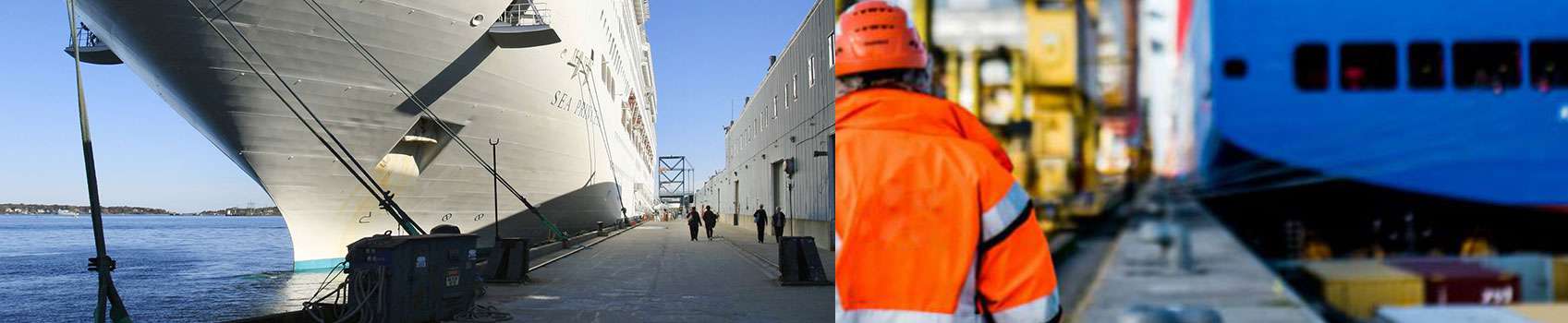
How to Retrofit Existing Mooring Systems
Ports, offshore platforms and marine terminals execute retrofitting operations on their existing mooring systems because this method enables them to improve safety and operational efficiency and fulfill regulatory requirements while avoiding expenses linked to complete system upgrades. Operators need to upgrade existing mooring systems because their current infrastructure limits their ability to support larger ships and meet rising operational requirements.
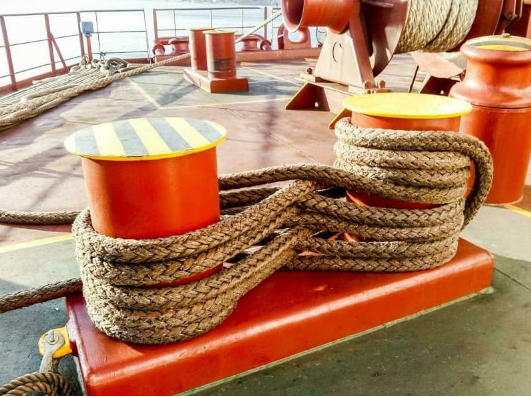
Table of Contents
Understanding a Mooring System Retrofit
A mooring system retrofit refers to the process of upgrading existing assets through the implementation of new designs which enhance both operational efficiency and equipment durability. The process of retrofitting docking structures enables precise upgrades that solve specific operational needs without requiring complete system demolition.
These upgrades become essential for port facilities which need to modernize their infrastructure that originally supported small ships and minimal vessel traffic.
Key Drivers for Retrofitting Mooring Systems
| Key Driver | Description | Impact on Mooring Systems |
| Growth in Vessel Size | The increase in ultra-large container ships, LNG carriers, and bulk vessels places higher loads on existing mooring infrastructure. | Requires higher-capacity mooring bollards and more robust mooring lines. |
| Aging Infrastructure | Many ports and terminals operate with old mooring systems that were not designed for current operational demands. | Leads to reduced reliability, higher maintenance costs, and increased risk of failure. |
| Safety Requirements | Rising emphasis on operational safety and accident prevention in marine environments. | Drives adoption of quick-release hooks, load monitoring systems, and advanced fender designs. |
| Regulatory Compliance | Stricter international standards and environmental regulations governing port operations. | Necessitates upgrades to meet compliance, avoid penalties, and ensure safe operations. |
| Operational Efficiency | Increasing demand for faster turnaround times and higher berth utilization. | Encourages modernization to enable quicker, safer, and more efficient mooring operations. |
| Cost Optimization | Full system replacement is expensive and time-consuming compared to retrofitting. | Promotes targeted upgrades that deliver high performance with lower investment. |
| Technological Advancements | Availability of smart monitoring systems, automation, and advanced materials. | Enables integration of digital solutions and improved system performance. |
| Environmental Considerations | Growing focus on sustainability and reducing environmental impact. | Supports the use of eco-friendly materials and systems that minimize damage to vessels and structures. |

Core Components in a Mooring System Retrofit
| Core Component | Description | Retrofit Focus | Key Benefits |
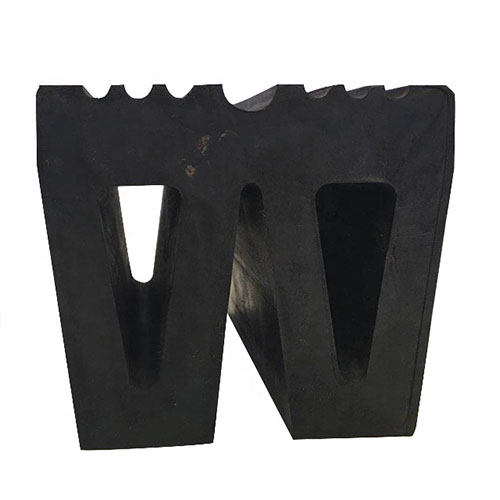
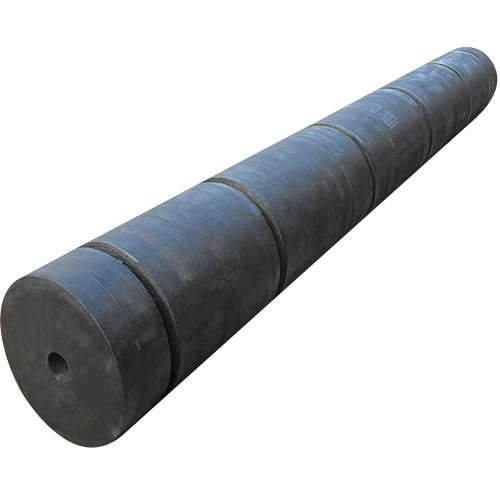
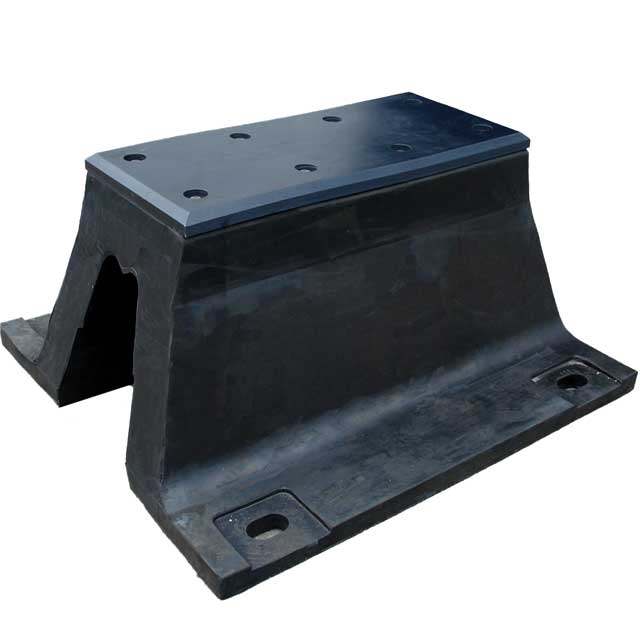
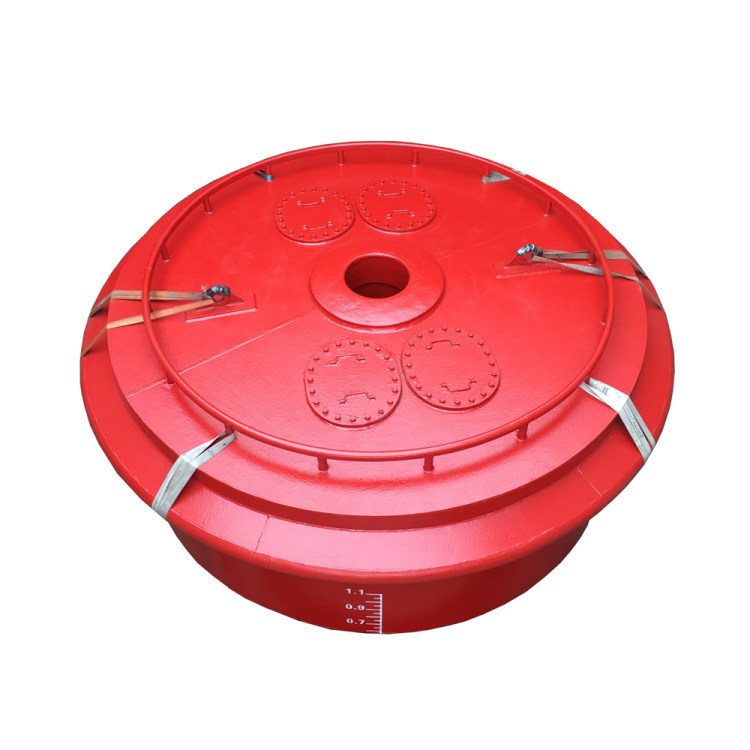
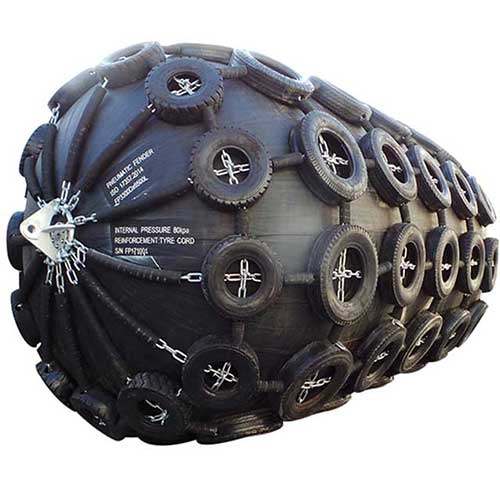
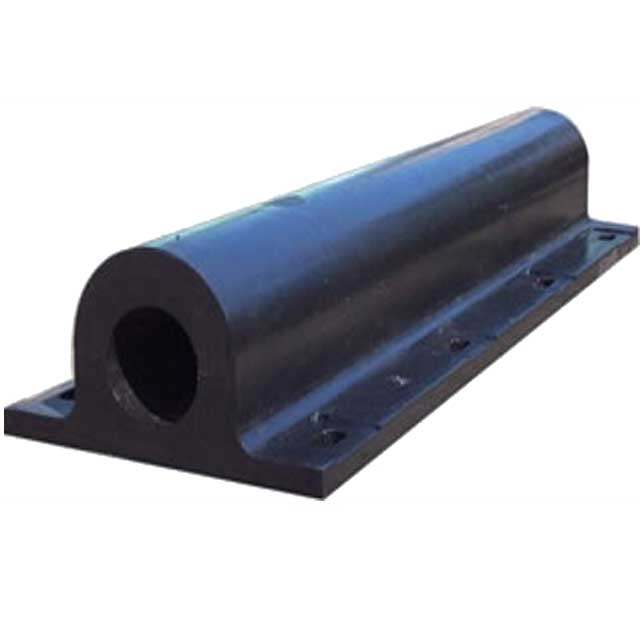
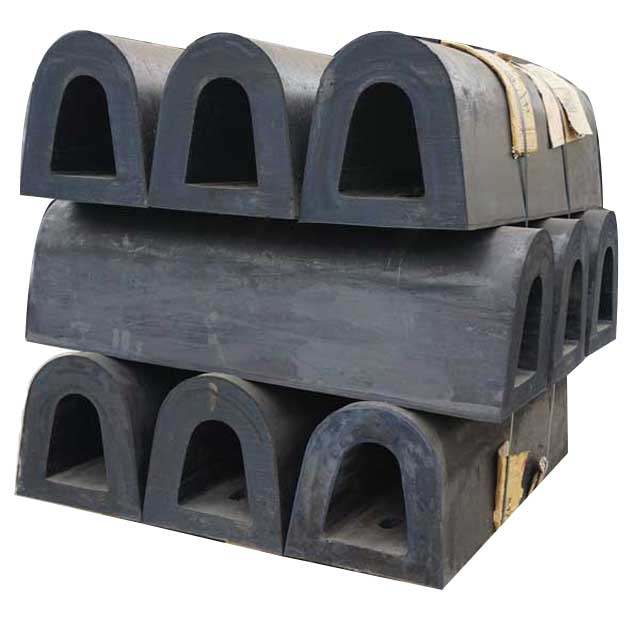
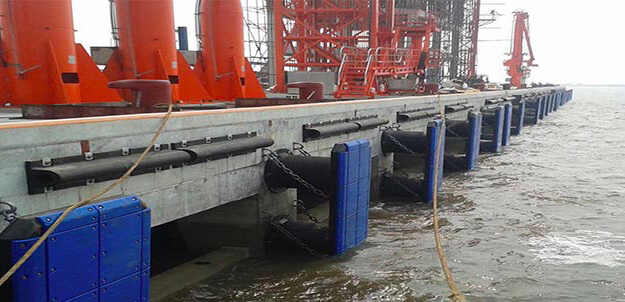
| Rubber Fenders | Absorb berthing energy and protect vessels and quay structures. | Replace outdated fenders with high-efficiency designs (e.g., cone or cell fenders). | Improved energy absorption, reduced structural stress, enhanced vessel safety. |
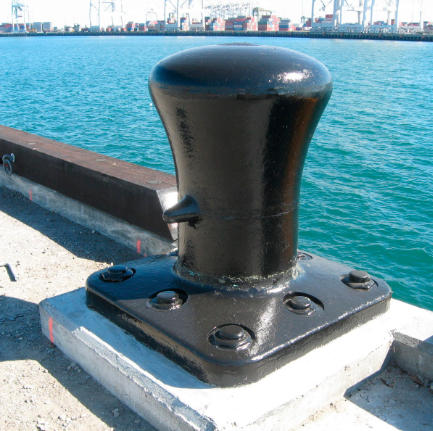
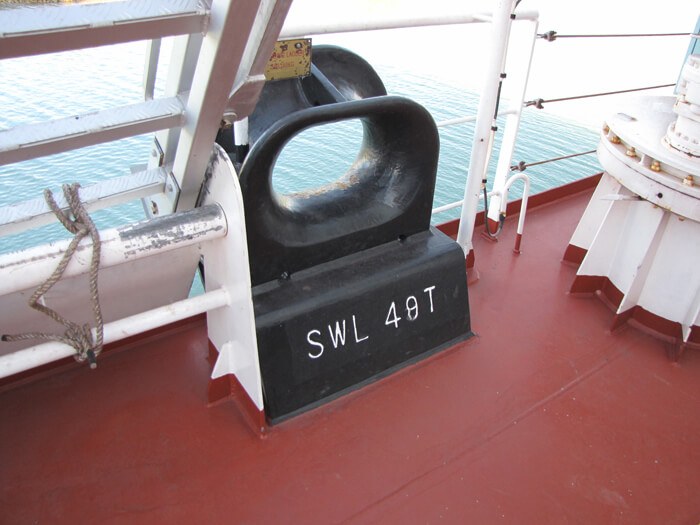
| Bollards and Mooring Hooks | Secure vessels at berth and manage mooring loads. | Upgrade to high-capacity mooring bollards and install quick-release hooks with load monitoring. | Increased load capacity, enhanced safety, faster emergency response. |
| Mooring Lines | Connect vessel to shore and maintain stability. | Transition to advanced synthetic ropes (e.g., HMPE, polyester). | Higher strength-to-weight ratio, better handling, improved durability. |
| Structural Reinforcements | Support quay walls, anchor points, and foundations. | Strengthen or modify existing structures to handle increased loads. | Improved structural integrity and long-term reliability. |
| Load Monitoring Systems | Measure tension and environmental forces in real time. | Install sensors and digital monitoring platforms. | Real-time data, improved decision-making, reduced risk of overload. |
Key Aspects of Retrofitting Mooring Systems
Successfully retrofit mooring systems is not merely the replacement of worn-out equipment. The project involves a holistic approach balancing the interests of design engineering, safety, and operational efficiency. A good understanding of these issues ensures that the conversions ultimately capitalize on real value without too much of a marine operation interruption.
1. Detailed Condition Assessment
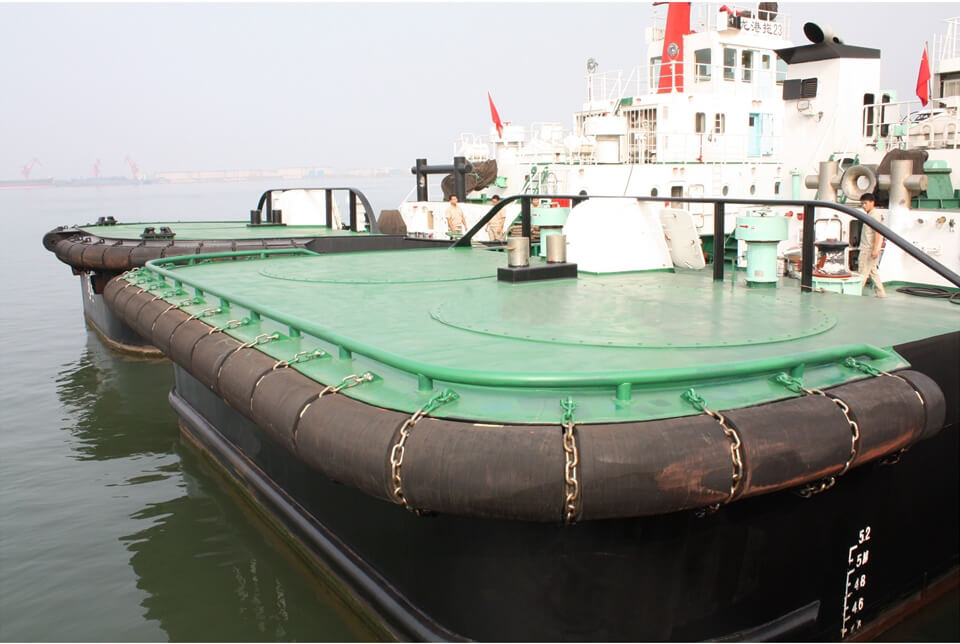
The foundation of the retrofit project lies in comprehensive condition evaluations of pre-existing mooring systems. Surveying the entire system covers inspection of fenders, bollards, mooring lines, and their respective supporting structures, including the quay walls. The engineer will assess wear, corrosion, load capacity, and structural integrity in order to assess any form of failure in the system. This act allows decent retrofit decisions to be made based on functional needs rather than speculation of the system’s condition.
2. Load and Capacity Analysis
Modern vessels, compared to their predecessors, generate significantly higher mooring forces. In essence, analysis of the current and anticipated load requirements must also include factors such as higher forces due to external elements like wind, wave, and tide. Analysis tells you whether the upgrade of existing components is possible or whether the entire system has to be replaced to ensure safe operation.
3. Compatibility with Existing Infrastructure
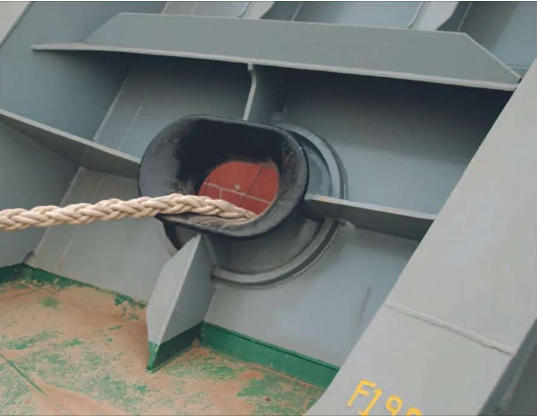
One greatest challenge in retrofitting is to ensure perfect integration of the new component with the existing construction. Differences in designs, material, and dimensions must be meticulously addressed. In some cases, modifications may be needed to support the new equipment without creating any integrity concerns for the existing structure.
4. Selection of Advanced Materials and Technologies
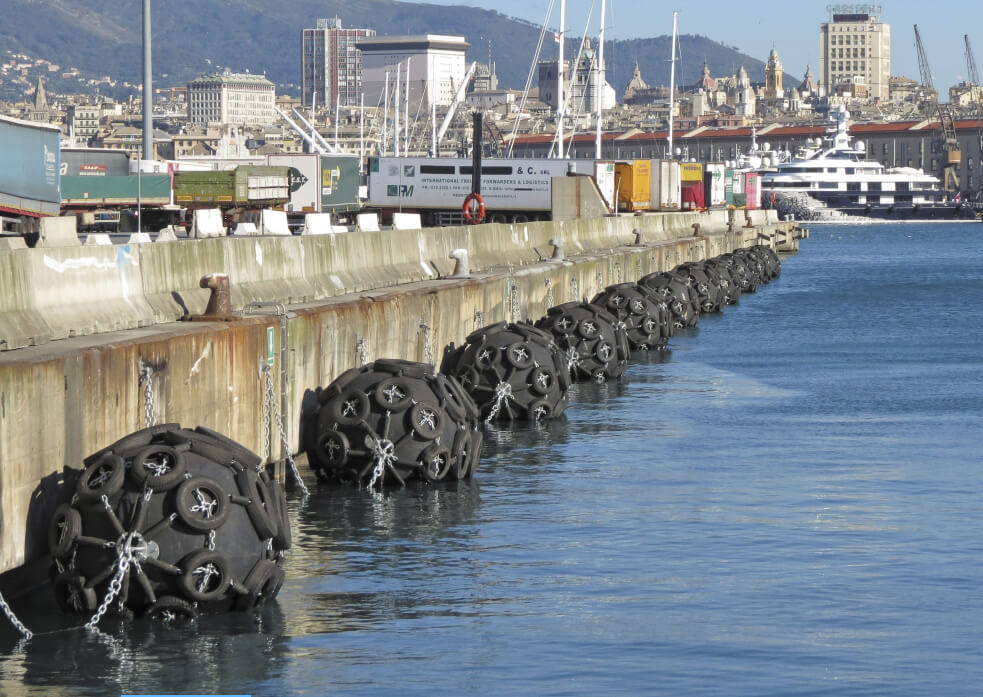
There lies a chance to employ advanced materials and technologies in the retrofitting of berths to improve the overall functionality. Top-notch synthetic mooring lines, highly effective fender systems, and materials that are extremely corrosive resistant would deliver a vast improvement in terms of durability and service life. Environmental factors influencing marine conditions should be equally factored in peculiar to the operations and life-cycle cost.
5. Integration of Monitoring and Control Systems
Digitalization remains a fundamental feature of modern marine equipment. To make mooring systems more advanced, sensors, load monitoring devices, and centralized control systems can provide the necessary information to be incorporated into the efficient operation of the marine staff. It increases safety and allows for predictive maintenance work, thereby minimizing non-conforming failure.
6. Minimizing Operational Disruption
The ports and terminals are usually functional throughout. So planning the retrofit operations is crucial. When implemented in phases, during low-activity-peak periods, and utilizing modular upgrades, allows the operations to continue smoothly with minimal obstructions. Skilled management over projects is crucial so that the course of retrofit activities can be orchestratedpallely with the routine operations.
7. Compliance with Standards and Regulations
For retrofitting activity, one must conform with the latest international maritime standards and local rules aside from safety standards, environmental guides, and design codes. This also assures that they are amenable to an upswing in reliability and recognition among the stakeholders.
8. Cost-Benefit Optimization
The well-planned retrofit embodies balance that reconciles investments with expected performance improvements. Decision-makers should properly evaluate whether upgrading specific components deliver sufficient break-even potential on issues regarding safety, efficiency, and lifespan extension. And, this usually comes with elaborate lifecycle cost analysis to rank critical upgrades.
9. Future-Proofing the System
This activity should not only deal with present problems but also look into the future. The retrofit must plan for areas like the system that can accommodate bigger vessels, increased traffic, and yet another feature necessary for operation capacity in the long run. Flexible and scalable solutions are essential to adapt to continually changing trends in the maritime industry.
Customized Mooring System Retrofit Strategies for Different Applications
| Application Scenario | Retrofit Strategy | Key Focus Areas | Benefits |
| Commercial Ports and Harbors | Upgrade core mooring infrastructure to handle larger and more frequent vessel traffic. | High-performance fender systems, higher-capacity bollards, optimized berth layout. | Improved berthing efficiency, increased throughput, enhanced safety. |
| Container Terminals | Adapt systems for ultra-large container vessels and rapid turnaround operations. | Advanced fenders, automated mooring solutions, real-time load monitoring. | Faster vessel handling, reduced turnaround time, improved operational control. |
| Oil and Gas Terminals | Enhance safety and reliability for hazardous cargo handling. | Explosion-proof equipment, high-strength mooring lines, emergency release systems. | Increased safety, regulatory compliance, reduced risk of accidents. |
| Offshore Platforms | Strengthen systems to withstand harsh environmental conditions. | Corrosion-resistant materials, high-strength anchoring systems, dynamic load handling. | Greater durability, improved stability, reduced maintenance needs. |
| Floating Terminals (FPSOs/FSOs) | Integrate flexible and dynamic mooring solutions. | Advanced mooring lines, real-time monitoring systems, dynamic positioning support. | Enhanced operational flexibility, improved safety in dynamic environments. |
| Naval and Defense Facilities | Focus on reliability, security, and rapid deployment capabilities. | Reinforced bollards, secure mooring systems, redundancy in critical components. | High reliability, mission readiness, enhanced operational security. |
| Inland Waterways and River Ports | Adapt systems for varying water levels and smaller vessels. | Adjustable mooring systems, lightweight fenders, flexible anchoring solutions. | Improved adaptability, cost efficiency, consistent performance. |
| Ferry Terminals | Optimize for frequent docking and passenger safety. | Quick-release hooks, automated mooring, durable fender systems. | Faster docking cycles, improved passenger safety, reduced manual workload. |
Final Thoughts
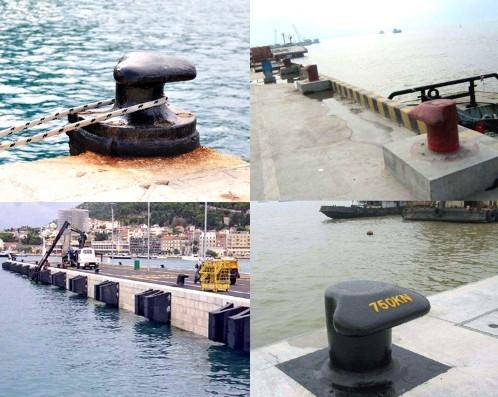
Retrofitting existing mooring systems is a practical and cost-effective approach to modernize marine infrastructure. By upgrading key components and integrating advanced technologies,, operators can enhance safety, larger vessels, and durability in their facilities. Given the ongoing evolution of maritime operations, retrofitted solutions are crucial in assuring that mooring systems conserve their productivity, improved assets resilience and compliance with future requests.