Roller Fairleads in Ship Mooring Systems: Applications and Standards Evolution
Due to the continuous rise in ship sizes and mooring loads, the roller fairleads have been a vital part of the mooring system of a ship these days. Their main function is to reduce friction and enhance line control, thereby contributing largely to the safety of operation and the durability of the equipment. This paper will discuss how the marine roller fairleads are part of modern ship equipment and what the changing industry benchmarks have to do with their design and selection.
Table of Contents
Understanding Fairleads in Ship Mooring Systems
What Is a Fairlead and What Does It Do?
A fairlead is a mechanical device mounted on the ship’s deck or in the hull that helps in navigating mooring lines between the ship and the coast. It is mainly used for the task of controlling the direction of the mooring line, decreasing eventual abrasion, and sending forces to the ship’s structure safely.
Another rate parameter for fairleads is their close cooperation with winches, capstans, and bollards. Wrongly-designed or wrongly-located fairleads mean additional friction, non-uniform load distribution, rapid rope wear, and greater danger for the crew during mooring and unmooring operations.
Types of Fairlead on Ship: A Structural Overview
There are several types of fairleads on ship, each designed for specific operational conditions and vessel categories:
- Closed chock fairleads – Provide high strength but limited flexibility in lead angles
- Open chock fairleads – Easier line handling but reduced protection
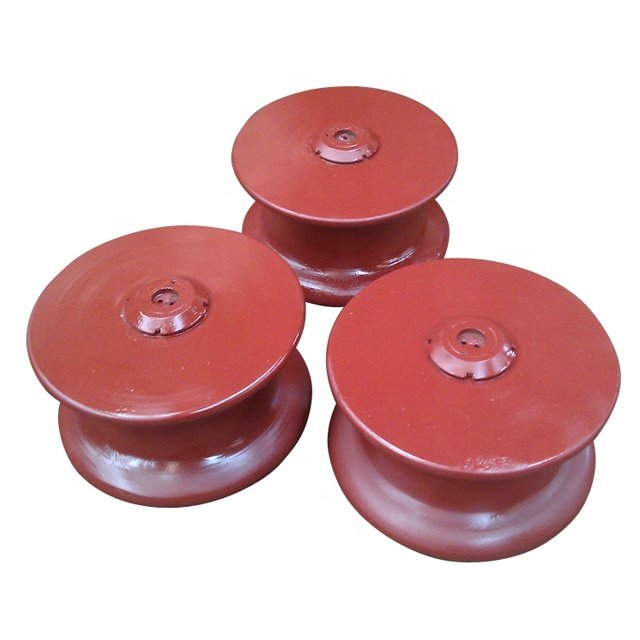
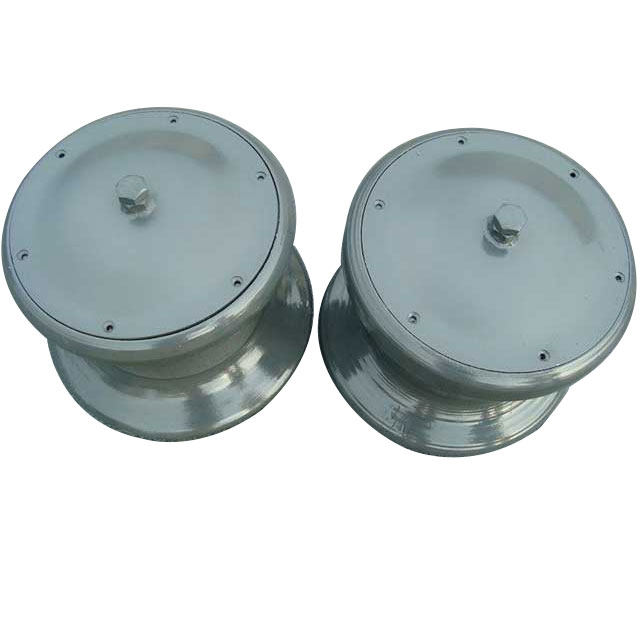
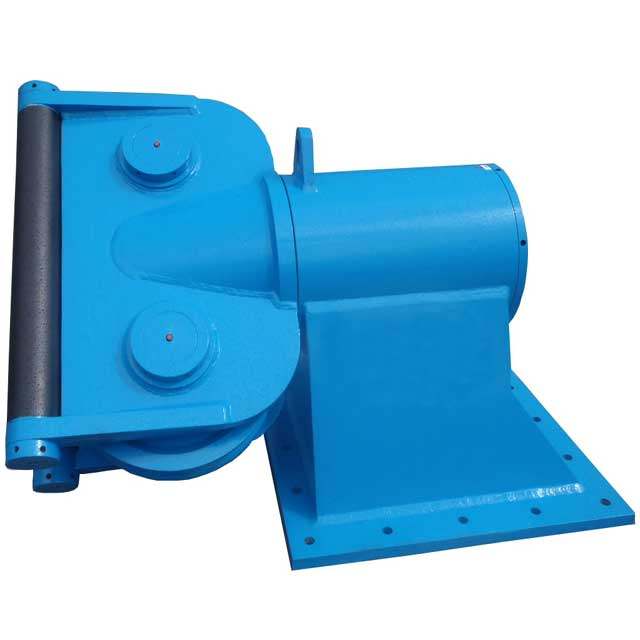
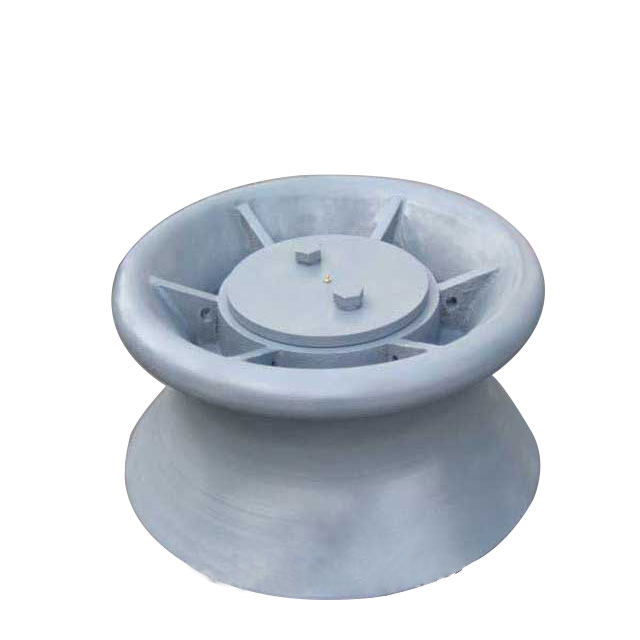
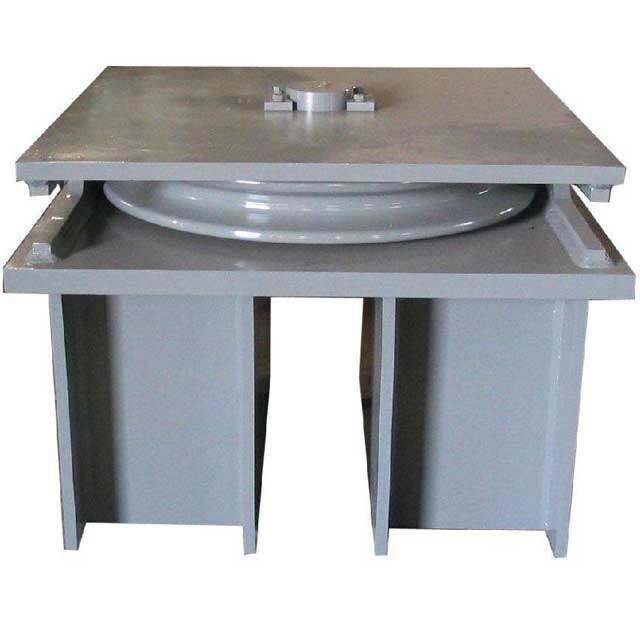
- Roller fairleads – Use rotating rollers to significantly reduce friction
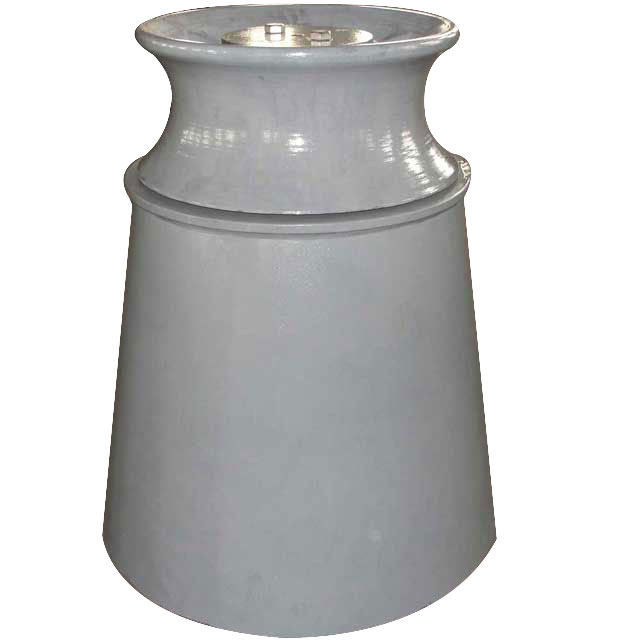
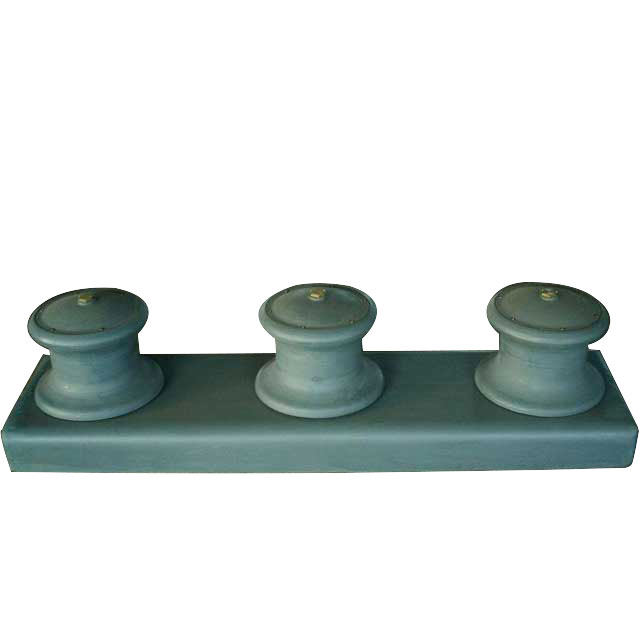
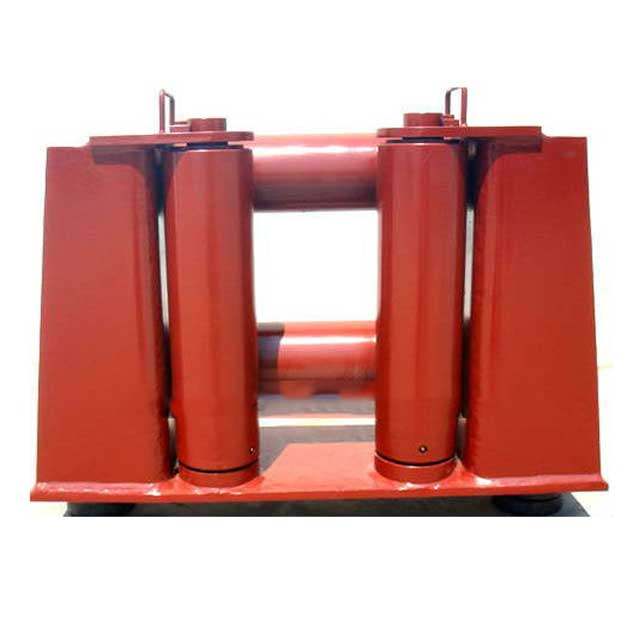
- Pedestal roller fairleads – Elevated, heavy-duty roller fairleads for large vessels
Roller-based solutions have been gaining more prominence among these, and the reasons for their success are the lucrative possibility of generating substantial income in high-load and dynamic mooring conditions.
From Fixed Chocks to Marine Roller Fairleads
Limitations of Traditional Fairleads
Chock-type fairleads, which are traditional, differ from the other types in the way they use static surfaces to guide the mooring lines. They wear out very quickly and are hard to operate because of the high degree of friction, especially under load. Additionally, the frictional force may create overheating and provoke dangerous situations because the line breaks instantly.
With the rise of larger vessels, higher mooring forces, and the widespread use of synthetic fiber ropes, these limitations have become more pronounced.
The Rise of the Marine Roller Fairlead
The marine roller fairlead is a solution for these difficulties because of the addition of turning rollers, which are usually situated in a horizontal, vertical, or mixed way. The line is now able to move by rolling, not by sliding, and that greatly diminishes the drag and gives the following advantages:
- Longer mooring line service life
- Smoother load transfer
- Improved safety during tension adjustment
- Better performance under changing environmental conditions
As a result, roller fairleads are now standard equipment on many commercial and offshore vessels.
Roller Fairlead Design and Performance Characteristics
Structural Design of a Roller Fairlead
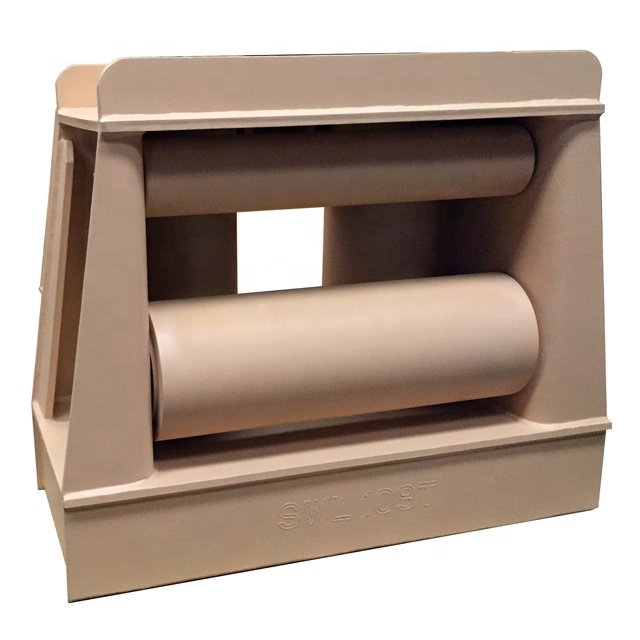
A typical roller fairlead consists of:
- High-strength steel frame
- One or more rollers with corrosion-resistant coatings
- Bearings designed for high static and dynamic loads
- Secure mounting interfaces to the ship’s deck or bulwark
Roller configurations can be of two-roller, four-roller, or multi-roller types based on load needs and the ability to change lead angle.
Performance Advantages in Real-World Mooring
The advantages that roller fairleads bring in terms of operation are most noticeable when it comes to dynamic mooring situations like tide changes, swell, and wind variation. The core performance benefits include:
- Reduced abrasion on synthetic and wire ropes
- Lower peak stresses at contact points
- Enhanced control during winch operation
- Improved crew safety by minimizing sudden load spikes
These advantages make roller fairleads a preferred choice for modern vessels operating in demanding ports and offshore environments.
Pedestal Roller Fairlead: Heavy-Duty Mooring Solutions
What Is a Pedestal Roller Fairlead?
A pedestal roller fairlead is a vertically raised roller fairlead linked to a sturdy pedestal structure. This very layout makes it possible for the fairlead to face greater angles as well as carry much heavier loads, in comparison to the deck-mounted counterparts.
Being furthermore located on a pedestal, the fairlead is also able to align the mooring line better with the winch, which results in fewer side loads and less structural stress.
Applications of Pedestal Roller Fairleads
Pedestal roller fairleads are widely used on:
- Oil and chemical tankers
- LNG and LPG carriers
- Offshore support vessels
- Large container ships and bulk carriers
High tension and difficult lead angles are often faced by mooring lines in these cases, and so it becomes crucial to have pedestal designs for safe and efficient operation.
Standards and Regulations Governing Marine Roller Fairleads
International and Classification Society Standards
Modern marine roller fairlead design is governed by a combination of international standards and classification society rules, including:
- ISO standards for shipboard mooring equipment
- Requirements from ABS, DNV, LR, CCS, and other class societies
- Port authority and terminal-specific guidelines
These standards define parameters such as design load, safety factors, testing procedures, and material specifications.
Recent Standards Evolution and Industry Impact
Recent updates to mooring equipment standards place greater emphasis on:
- Fatigue resistance under cyclic loading
- Compatibility with synthetic mooring ropes
- Improved safety margins for extreme weather conditions
- Traceability and certification of critical components
The transformations have had a positive impact by first driving the demand for certified roller fairleads and then by being enlightening on the necessity of the choice of compliant manufacturers and designs.
How to Select the Right Roller Fairlead for Ship Applications
Choosing the appropriate fairlead requires careful evaluation of several technical factors:
- Mooring line type (wire rope vs synthetic fiber)
- Maximum expected line tension
- Lead angles and installation position
- Vessel size and operational profile
The insight into the different types of fairleads on ships is of great help for both designers and procurement teams, as it enables the identification of the right conditions for which a standard roller fairlead is enough and where a pedestal roller fairlead is required.
Maintenance, Inspection, and Lifecycle Considerations
While roller fairleads reduce wear on mooring lines, they require regular inspection to maintain performance and safety. Key maintenance practices include:
- Routine inspection of rollers and bearings
- Proper lubrication schedules
- Checking alignment and mounting integrity
- Monitoring corrosion protection systems
From a lifecycle cost perspective, roller fairleads often outperform fixed fairleads by reducing rope replacement frequency and minimizing unplanned downtime.
Future Trends in Marine Roller Fairlead Technology
Looking ahead, fairlead design is increasingly influenced by broader trends in mooring system innovation:
- Integration with smart mooring load monitoring systems
- Design optimization for automated and remote-controlled mooring
- Use of advanced materials for reduced weight and improved durability
- Continued harmonization of international standards
As these trends accelerate, the role of the marine roller fairlead will expand from a passive mechanical component to an integral part of intelligent mooring systems.
Conclusion: The Growing Importance of Advanced Roller Fairleads
Fairlead technology has gained an even higher status now in relation to the developments in ship anchorage. Dependence on advanced fairleads to handle heavier loads, enhanced safety, and compliance with increasingly strict criteria has made the use of modern vessels.
The highlighted use of different fairleads in a ship, ranked by their controlling and physical consequences, is of paramount necessity for ship designers, operators, and procurement professionals. Therefore, due to the alteration of standards and the increase in vessel requirements, marine roller fairleads will always be the pivot of secure and effective ship mooring systems.