
Life-saving Equipment: How to Ensure SOLAS Compliance
Life-saving Equipment: How to Ensure SOLAS Compliance
Maritime safety relies heavily on having life-saving equipment that is actually available and reliable. To improve safety standards, the International Maritime Organization (IMO) set up the International Convention for the Safety of Life at Sea (SOLAS), and it lays out thorough requirements for life-saving equipment on ships. Making sure SOLAS is followed is not only about installing the right, approved equipment. It asks for an entire safety management approach, including choosing certified products, doing regular checks, carrying out maintenance, training crew members, and keeping everything consistent across voyages. Through following SOLAS requirements, ship operators can ensure that life-saving equipment remains ready for immediate use whenever emergencies occur.
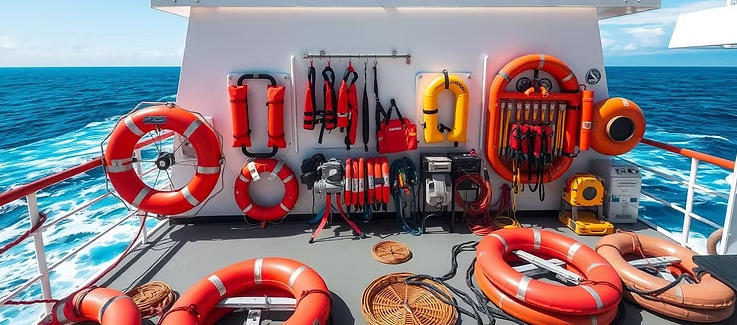
Table of Contents
Why SOLAS Compliance for Life-saving Equipment is Important
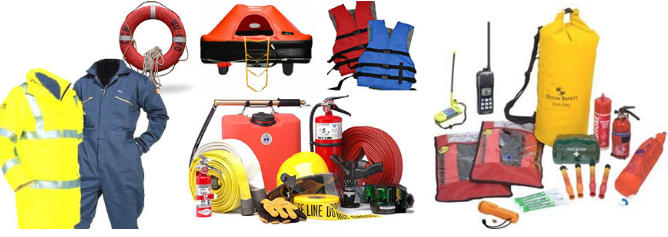
SOLAS compliance makes sure life-saving equipment can actually do its job when conditions get tough at sea, not just when tested. The rules deal with a broad basket of safety appliances, including lifeboats, rescue boats, life rafts, life jackets, immersion suits, marine evacuation systems, emergency communication devices, and distress signaling equipment.
The point of SOLAS requirements is to guarantee that a ship has enough dependable tools ready when an emergency happens. Each vessel is expected to carry suitable life-saving appliances depending on its size, type, passenger capacity, operating area, and voyage realities. On top of that, the equipment has to be built to endure contact with seawater, temperature swings, strong winds, and rough sea conditions.
A vessel can’t achieve long-term SOLAS compliance just by placing certified products on board. Safety equipment has to stay usable for the entire time the vessel is in service, supported by a practical maintenance program and continuous monitoring; the certification value fades.
Types of SOLAS-compliant Life-Saving Equipment
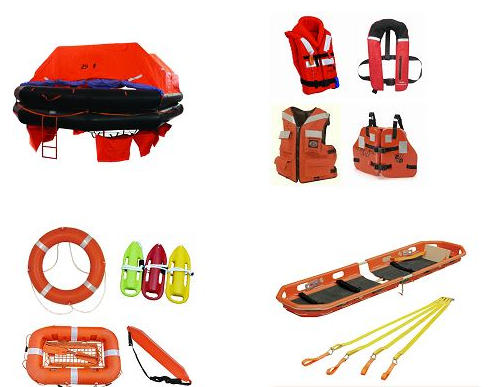
Different types of SOLAS-compliant life-saving equipment work as an integrated safety system. While individual devices provide specific protection, their combined use, supported by regular inspection, maintenance, and crew training, ensures effective emergency response and improved survival chances at sea.
| Type of Equipment | Main Purpose | Key Features | Common Applications |
| Life Boats | Provide safe evacuation and survival capability when a vessel must be abandoned. | Strong hull structure, self-contained propulsion, emergency supplies, navigation equipment, and protection against harsh sea conditions. | Cargo ships, passenger ships, offshore vessels, and large commercial vessels. |
| Rescue Boats | Recover people from the water and assist survival craft during emergencies. | Fast deployment, maneuverability, engine-powered operation, towing capability, and ability to operate in difficult sea conditions. | Commercial ships, offshore platforms, and rescue operations. |
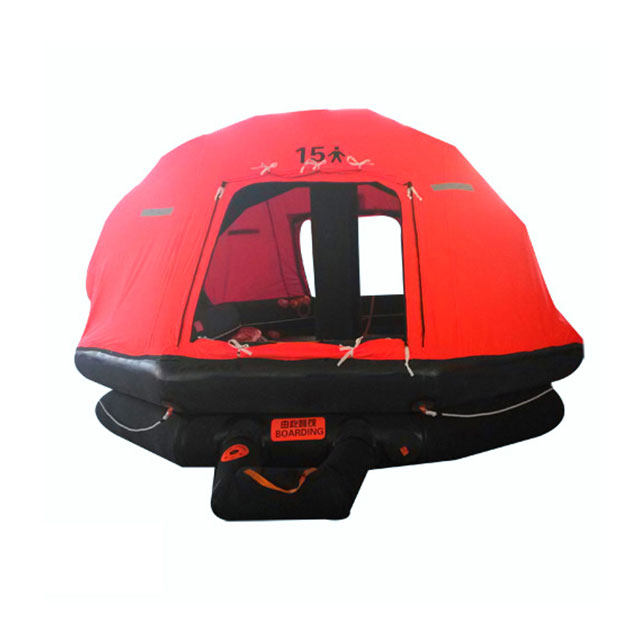
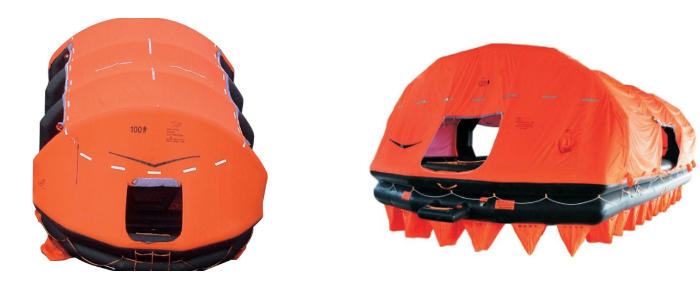
| Inflatable Life Rafts | Provide temporary survival shelter after abandoning a vessel. | Automatic inflation systems, protective canopy, emergency rations, water supplies, signaling devices, and repair equipment. | Merchant ships, passenger vessels, offshore facilities, and fishing vessels. |
| Life Jackets | Keep individuals afloat and reduce drowning risks after entering the water. | Approved buoyancy performance, high visibility materials, reflective strips, whistles, and adjustable fastening systems. | All SOLAS-regulated ships for crew members and passengers. |
| Immersion Suits | Protect people from hypothermia in cold water environments. | Waterproof construction, thermal insulation, buoyancy support, and high visibility design. | Ships operating in cold regions, offshore vessels, and polar routes. |
| Thermal Protective Aids (TPAs) | Reduce heat loss for survivors in lifeboats or liferafts. | Lightweight insulating materials that protect against cold exposure and help maintain body temperature. | Survival craft used in cold-weather operations. |
| Marine Evacuation Systems (MES) | Provide rapid evacuation from large vessels into survival craft. | Inflatable evacuation chutes, platforms, and controlled descent systems for large numbers of people. | Passenger ships, ferries, and cruise vessels. |
| Emergency Position Indicating Radio Beacons (EPIRBs) | Send distress signals and location information to rescue authorities. | Satellite communication, GPS positioning, automatic activation, and long-range emergency signaling. | Ships requiring global search and rescue support. |
| Search and Rescue Transponders (SARTs) | Help rescuers locate survival craft during search operations. | Radar response technology, location identification, and compatibility with rescue vessels and aircraft. | Lifeboats, liferafts, and emergency survival equipment packages. |
| Two-Way VHF Radios | Enable communication between survivors and rescue teams. | Portable design, emergency channels, waterproof construction, and reliable short-range communication. | Survival craft and emergency evacuation situations. |
| Pyrotechnic Distress Signals | Provide visual alerts to nearby ships and rescue teams. | Hand flares, rocket parachute flares, and smoke signals designed for emergency visibility. | Lifeboats, liferafts, and ship emergency storage areas. |
| Line-Throwing Appliances | Establish connection between vessels or rescue teams. | Long-range projectile systems capable of delivering rescue lines over water. | Ship-to-ship rescue operations and emergency towing situations. |
| Launching Appliances | Enable safe deployment of lifeboats and rescue boats. | Davits, winches, hooks, and mechanical systems designed for controlled launching and recovery. | Ships equipped with lifeboats and rescue craft. |
| Embarkation Ladders and Access Equipment | Allow safe boarding of survival craft during evacuation. | Durable construction, anti-slip surfaces, and easy deployment features. | Emergency evacuation areas on ships and offshore installations. |
| Fixed and Portable Emergency Lighting | Improve visibility during evacuation and rescue operations. | Reliable illumination, emergency power supply, and visibility support in low-light conditions. | Ship corridors, muster stations, escape routes, and survival areas. |
Challenges in Ensuring SOLAS Compliance for Life-Saving Equipment
| Challenge | Description | Impact on SOLAS Compliance |
| Equipment Aging and Deterioration | Life-saving equipment is exposed to saltwater, humidity, UV radiation, and harsh marine environments, which can cause corrosion, material degradation, and reduced performance over time. | Aged or damaged equipment may fail inspections and become unreliable during emergencies. |
| Complex Maintenance Requirements | Different life-saving appliances, such as lifeboats, life rafts, EPIRBs, and launching systems, have specific maintenance procedures and schedules. | Improper maintenance can lead to equipment failure and non-compliance with SOLAS requirements. |
| Lack of Proper Crew Training | Crew members may not have sufficient knowledge of operating emergency equipment or performing required safety procedures. | Incorrect operation during emergencies can reduce the effectiveness of life-saving systems. |
| Incomplete Documentation and Record Keeping | Maintenance activities, inspections, certifications, and equipment tests must be properly documented. | Missing or inaccurate records can result in compliance issues during audits and inspections. |
| Changing SOLAS Regulations | International maritime safety requirements are periodically updated to address new risks and technologies. | Outdated procedures or equipment may no longer meet current compliance standards. |
| Equipment Availability and Spare Parts | Replacement parts for specialized safety equipment may not always be immediately available, especially during international voyages. | Delayed repairs can leave equipment in an unsuitable condition for operation. |
| Improper Storage Conditions | Incorrect storage locations or environmental exposure can damage equipment before it is needed. | Equipment may fail to operate properly during emergencies despite being certified. |
| Limited Inspection Time During Port Operations | Ship inspections often occur under strict schedules, making thorough equipment checks challenging. | Inspection problems may be overlooked, creating risks and possible compliance failures. |
| Integration of New Technologies | Modern safety equipment may include digital monitoring, sensors, and advanced communication systems that require specialized knowledge. | Poor integration or operation can affect equipment reliability and compliance status. |
| Cost Management Pressure | Maintenance, servicing, certification, and replacement of life-saving equipment require significant investment. | Cost-cutting may result in delayed maintenance or use of outdated equipment. |
| Human Error in Equipment Handling | Mistakes during inspections, deployment, or routine operations can damage safety equipment or reduce effectiveness. | Incorrect handling may lead to equipment failure during emergencies. |
| Global Supply Chain and Service Limitations | Ships operating worldwide may face difficulties accessing approved servicing facilities and certified technicians. | Equipment may exceed service intervals or remain unavailable for use. |
Key Steps of Achieving SOLAS Compliance for Life-saving Equipment
From choosing certified life-saving equipment and fitting them the right way, to doing routine upkeep, training the crew, and keeping meticulous records, every little action adds up to emergency readiness.
1. Selecting Certified and Suitable Life-Saving Equipment
The first step for SOLAS compliance is picking life-saving equipment that matches international approval rules. In practice, ship operators should cooperate with dependable manufacturers and suppliers that offer certified items, with proper documentation included.
Approved life-saving equipment is tested thoroughly, to verify strength, endurance, and real operational reliability. Lifeboats, liferafts, life jackets and other safety devices have to show that they can work properly during emergencies before they are allowed for marine service.
The selected equipment must fit the exact needs of the vessel, not just in general terms. A passenger ship that carries hundreds of people might need different safety arrangements than an offshore support vessel or a cargo ship. Things like vessel capacity, navigation corridors, weather patterns, and emergency response schemes have to be taken into account, when you decide on life-saving systems that really work in practice.
2. Installing Equipment According to SOLAS Requirements
Even strong, well-built life-saving equipment cannot properly protect anyone if it is mounted incorrectly or ends up being hard to reach. SOLAS compliance means the safety appliances are placed in spots where they can be quickly reached and used as intended, during an emergency situation.
Lifeboats, rescue boats, and liferafts should be fitted together with launch arrangements that support safe and efficient deployment. Storage spaces must shield the equipment from unnecessary wear or damage, while still keeping it instantly available when it is needed.
Clear operating instructions and visible safety signs are also an important part of compliance. During emergency situations, crew members and passengers may feel stress and have limited visibility, so the equipment needs to be easy to spot and quick to operate.
3. Performing Regular Inspections and Maintenance
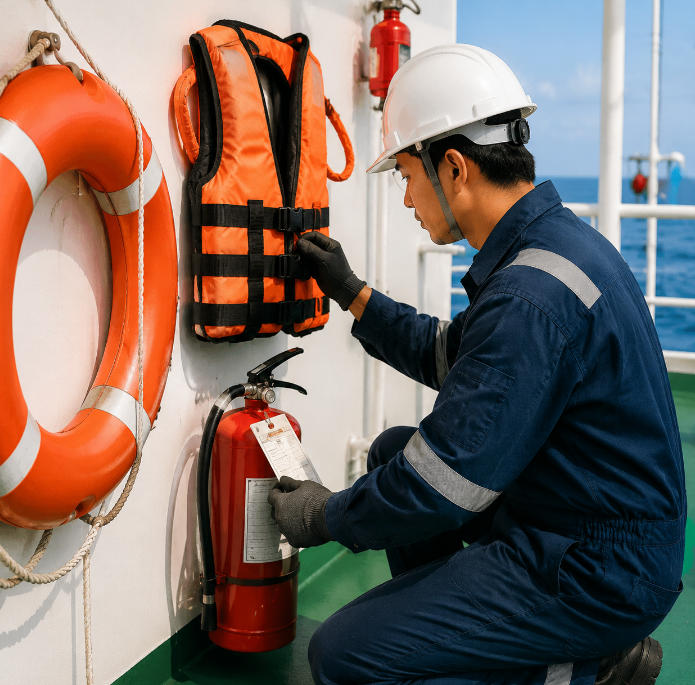
Regular inspection and maintenance for life-saving equipment are essential to keep it ready for emergency use. Because many safety appliances stay unused for long periods, hidden issues can appear even when nobody notices at first, especially without steady monitoring.
Routine checks help detect problems like corrosion, mechanical wear, damaged materials, expired supplies, or unsuitable storage conditions. Lifeboats and rescue boats need reviews of hull structures, engines, fuel systems, batteries, steering mechanisms, and launching devices. Liferafts require professional servicing to confirm inflation systems, fabric condition, emergency supplies, and pressure components.
Personal protective equipment, like life jackets and immersion suits, needs to be looked at, checked regularly. If the straps are worn, if the materials are weakened, or if the buoyancy performance is reduced, then it might impact how well it really protects the users, during those emergency moments
A lot of SOLAS-approved appliances also need servicing by authorized service providers. Ongoing professional maintenance makes sure the specialized equipment is inspected in line with the manufacturer’s expectations and also the international safety requirements
4. Keeping Emergency Communication Systems Operational
Clear communication matters a lot in marine rescue efforts. Meeting SOLAS rules includes keeping emergency communication in working order and ensuring there is accessible locating equipment, so the rescue teams can respond quickly
Devices like Emergency Position Indicating Radio Beacons (EPIRBs), Search and Rescue Transponders (SARTs), emergency radios, and distress signaling hardware need to be tested on a regular basis to make sure everything is doing what it should. Battery life, the ability to send a signal, and the physical state should be checked based on the required maintenance timetable, without skipping steps.
Visual signaling devices such as flares also have to be watched closely. Any expired or damaged signaling gear should be swapped out right away, so that survivors can get attention when it matters most.
5. Providing Crew Training and Emergency Drills
Proper training really is one of the key aspects of SOLAS compliance. Even the most advanced life-saving equipment cannot give full protection, if the crew does not know how to operate it properly and quickly enough during a real event.
Regular emergency drills let the crew practice evacuation procedures, operate lifeboats, deploy liferafts and handle emergency communication methods. Through these sessions, the crew learns what to do, who does what, and how to react quickly when a real incident happens.
Training also helps the crew spot equipment troubles during routine checks. A prepared team can detect damaged components, log the maintenance concerns, and help keep a solid safety culture on board.
6. Maintaining Accurate Documentation and Compliance Records
Documentation is a fundamental part of ensuring continuous SOLAS compliance. Ship operators need to hold detailed records for inspections, maintenance work, equipment servicing and crew training activities.
Maintenance records let operators keep an eye on equipment performance and figure out when repairs or replacements are needed, in a practical way. Certificates together with service reports also give proof that safety devices have been checked and kept up to date with the regulatory rules that apply.
Solid documentation helps too when maritime authorities and classification societies carry out inspections. With the right records the vessel can show it follows the established safety steps and stays ready for emergencies, without hesitation.
7. Updating Safety Procedures According to Regulatory Changes
Maritime safety regulations keep evolving as technology improves and as new operational pressures show up. Because of that ship operators should review their safety procedures regularly and confirm that their tools and machinery remain compliant with the latest SOLAS requirements.
Advancements like digital monitoring systems, better materials, satellite-based tracking, and automated inspection technologies are making the reliability of modern life-saving equipment stronger. Adding these innovations means emergency response can be handled faster, and safety management gets more robust overall.
Final Thoughts
Ensuring SOLAS compliance for life-saving equipment requires a comprehensive approach. Every part, from lifeboats and liferafts to life jackets and emergency communication systems, has to stay in a condition where it can work immediately during a crisis. SOLAS compliance is more than meeting regulatory obligations, it is also a real promise to safeguard human life at sea. When ship operators stick to the established safety procedures and keep dependable rescue equipment ready, they can sharpen emergency preparedness and build safer maritime conditions for everyone onboard.