
How to Select Mooring Bollards for Different Vessel Sizes
Mooring bollards are marine fittings that hold ships in place at docks, harbors, and offshore sites. Since different vessels generate different levels of mooring force, selecting the correct bollard requires careful consideration of vessel size, loading conditions, environmental factors, and operational requirements. A properly selected mooring bollard helps keep mooring steadier, reduces dock risks, and makes daily berthing go more smoothly.
You should not choose a bollard based on vessel length or weight alone. Mooring force depends on more than one input. Vessel displacement matters. Wind pressure and current can raise the load. Rope layout and safety rules also change what capacity the bollard must have. All of these points affect the required bollard capacity and design.
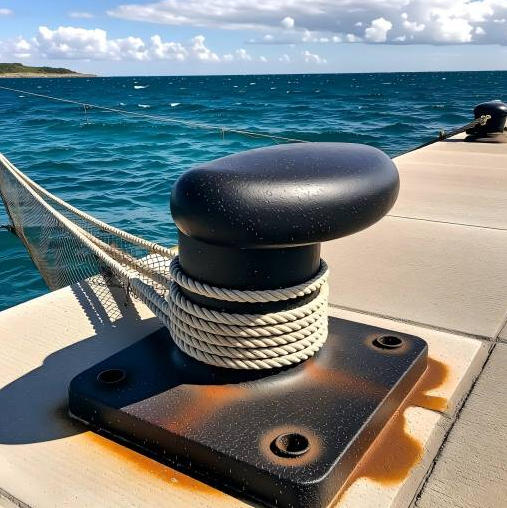
Table of Contents
Understanding Vessel Size and Mooring Load Requirements
Vessel size changes the loads that act on a mooring bollard. Large ships tend to have more displacement and more area exposed to the sea. That can mean stronger wind, wave, and current effects. Because of that, the bollard needs a higher SWL and a sturdier structure.
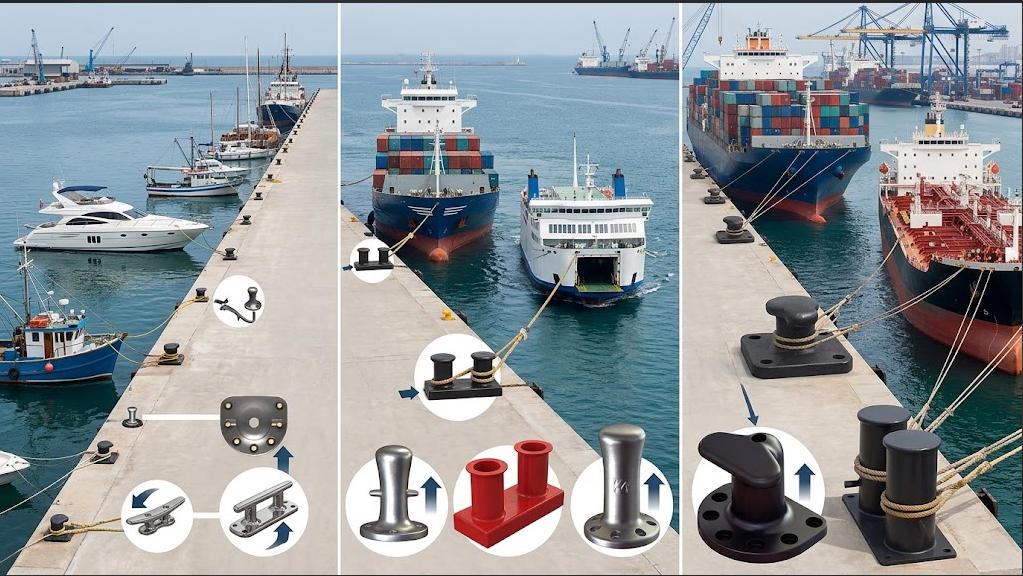
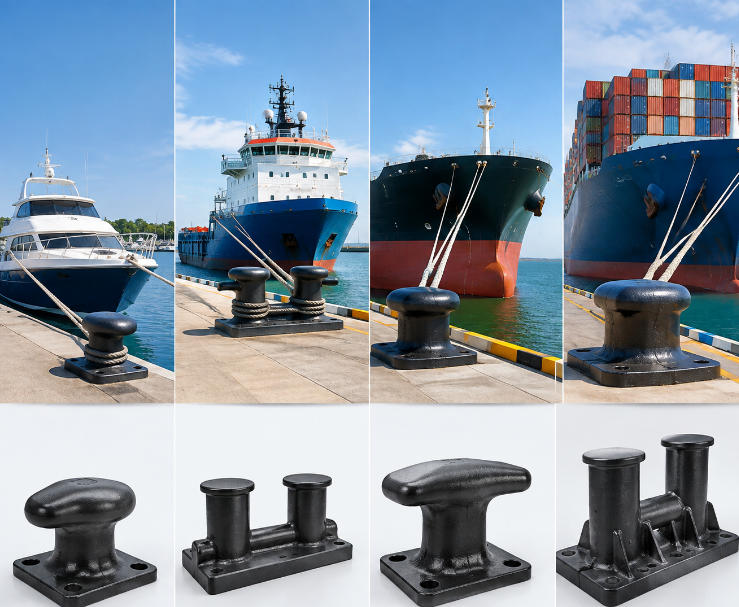
Smaller craft, like fishing boats, yachts, and service vessels, usually see lower rope loads. They can use compact bollards with mid-range capacity. Medium vessels, such as ferries, offshore supply ships, and coastal cargo carriers, tend to need more robust units. They often berth, and conditions can shift. Large ships, including container vessels, tankers, and bulk carriers, call for heavy-duty bollards built for strong mooring forces and tough marine settings.
Estimating the expected mooring load comes first in the selection step.
Selecting Mooring Bollards for Small Vessels
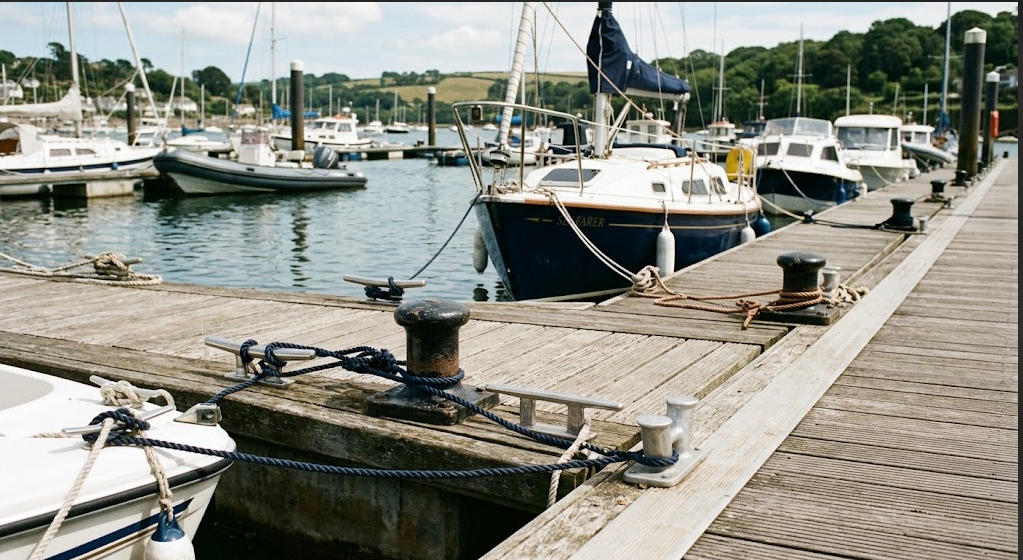
Small vessels often work in marinas, smaller ports, and service zones. In these places, mooring conditions are usually more manageable. So the bollard design often focuses on easy rope handling, good use of space, and steady day-to-day service.
A smaller single bitt bollard can fit light-duty work. The mooring forces are usually lower. In that case, the priority is often rust resistance, simple setup, and practical use. Extremely high load ratings are not always the main goal.
Even for small craft, the bollard must handle brief surges. Wind gusts, vessel motion, and tide changes can still create sudden loading. Picking a bollard with the right safety margin helps keep mooring stable when conditions shift.
Selecting Mooring Bollards for Medium-Sized Vessels
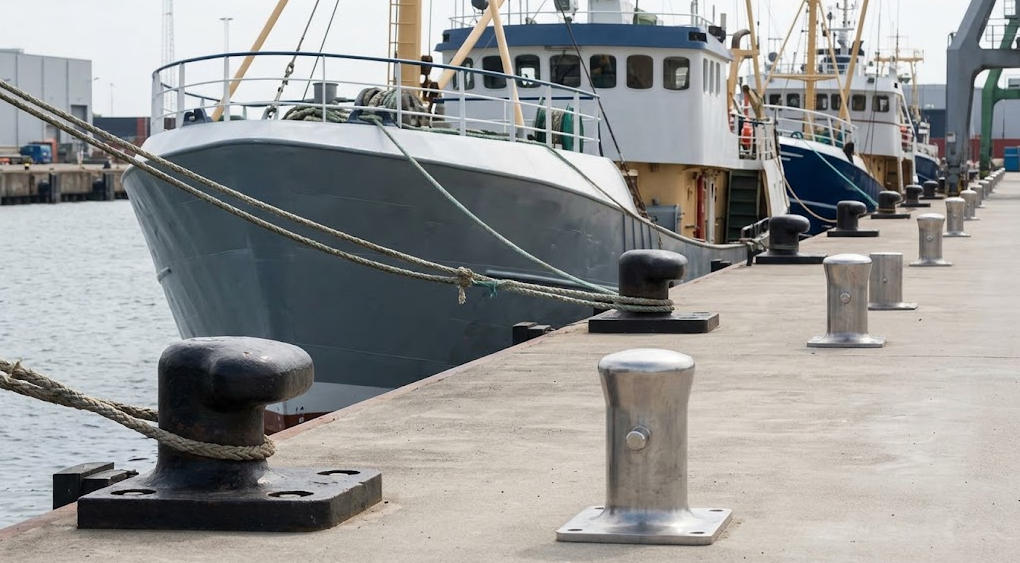
Medium-sized ships need a good mix of strength, workable movement, and service practicality. They can include passenger ferries, offshore support vessels, coastal freighters, and regional cargo ships. These vessels may berth in more than one marine setting, so the bollard needs to perform through varied conditions.
For these setups, many teams choose medium-duty bollards that have higher SWL figures. Double bitt bollards are also common. They can fit more than one mooring line layout, and they help with better handling during the berthing steps.
It is also smart to think about repeated use. Small craft might dock only now and then. In contrast, commercial ships often dock many times. Because of that, fatigue resistance and long-term durability matter when picking a bollard.
Selecting Mooring Bollards for Large Vessels
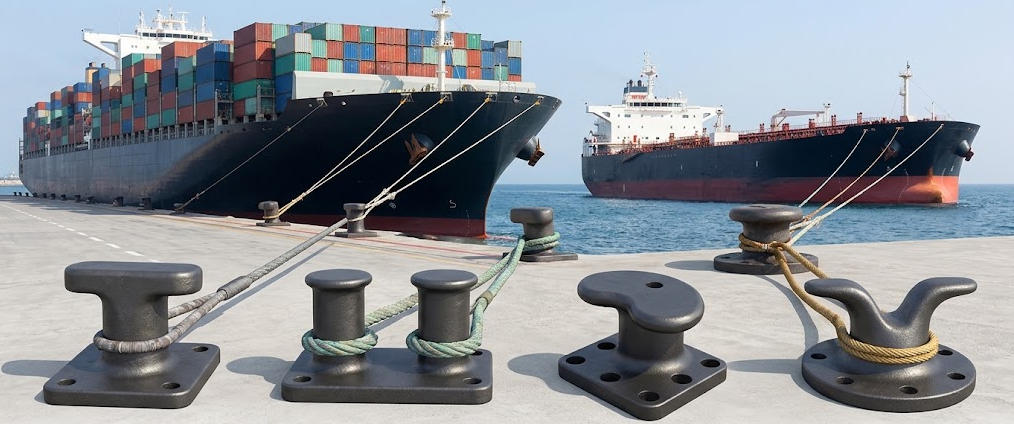
Large vessels bring much higher mooring forces. This happens due to their mass and the way they sit in water. It also comes from stronger exposure to weather at sea. Container ships, oil tankers, LNG carriers, and bulk carriers need heavy-duty mooring bollards. They must cope with large loads.
For these vessels, yards and ports usually use high-strength metals. Cast steel and ductile iron are common choices. Many options also include reinforced body designs. In major ports, T-head bollards and double-bitt bollards are often seen. They work well with large rope sizes and strong pull forces.
The base setup matters just as much. A top-rated bollard still cannot work safely without solid anchoring. The concrete foundation must be strong too, and it must pass the forces into the ground system.
Comparison of Mooring Bollard Selection by Different Vessel Size
| Vessel Size | Vessel Examples | Mooring Load Characteristics | Recommended Mooring Bollard Type | Key Selection Considerations |
| Small Vessel | Yachts, fishing boats, small workboats, patrol boats | Low mooring forces with limited wind and current effects | Small single bitt bollards, compact marine bollards | Moderate SWL, easy rope handling, corrosion resistance, space-saving design |
| Medium Vessel | Ferries, offshore supply vessels, coastal cargo ships, tugboats | Medium mooring loads caused by frequent berthing and changing operating conditions | Medium-duty single bitt or double bitt bollards | Higher SWL, durable construction, flexible mooring line arrangement, fatigue resistance |
| Large Vessel | Container ships, bulk carriers, oil tankers, Ro-Ro ships | High mooring forces due to large displacement and greater wind exposure | Heavy-duty double bitt bollards, T-head bollards | High load capacity, reinforced structure, strong foundation, impact resistance |
| Very Large Vessel | LNG carriers, ultra-large container ships, large tankers | Extremely high mooring loads under complex environmental conditions | Extra-heavy marine bollards with customized designs | Maximum SWL, advanced anchoring system, high-strength materials, compliance with marine standards |
Key Factors to Consider When Choosing Mooring Bollards for Different Vessel Sizes
1. Safe Working Load (SWL) Requirements
Safe working load (SWL) is a key figure for mooring bollard choice. It is the highest load the bollard can take in normal use. You match the SWL rating to the mooring forces you expect, and you add a safety margin.
Smaller vessels might work with a lower SWL. For large ships, you generally need a much higher SWL because the vessel displacement is bigger and the site effects are stronger.
If the bollard cannot handle the load, you risk structural harm, rope failure, or unsafe berthing. If the bollard is far above what is needed, you may pay more for gear and installation, with no real gain.
2. Environmental Conditions
Conditions at sea can raise mooring loads. Wind, wave action, tides, and currents add extra forces even when the ship is secured at the berth.
A vessel tied in a sheltered harbor can need a different bollard capacity than the same vessel at an open terminal. Ships with tall sides, such as container vessels and tankers, face higher wind pressure. That is due to the larger exposed areas.
When picking mooring bollards, operators should review local conditions, such as:
- Maximum wind speed
- Wave conditions
- Current strength
- Tidal variations
- Extreme weather risks
Bollards installed in harsh marine areas usually need better engineering and higher strength ratings.
3. Mooring Bollard Type and Design
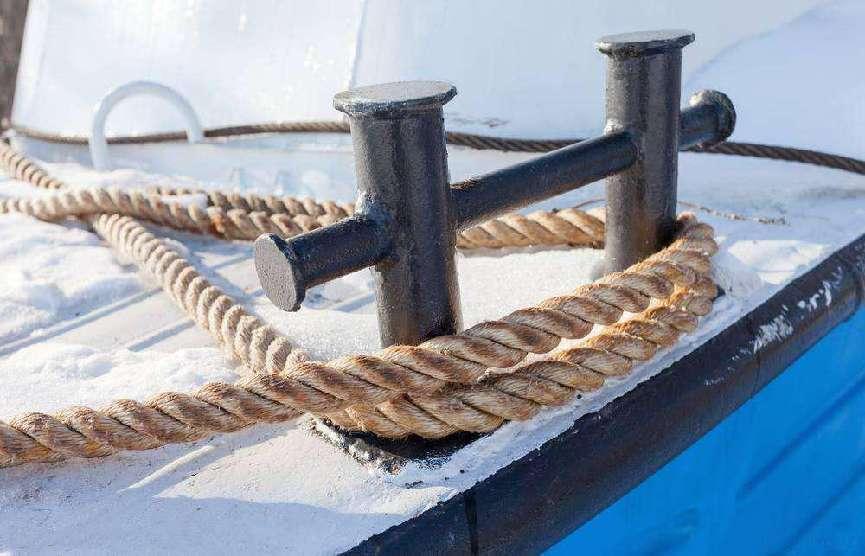
A mooring bollard should fit the vessel size and the mooring layout. Not every bollard style supports rope in the same way. Rope support and how loads spread can change from one type to another.
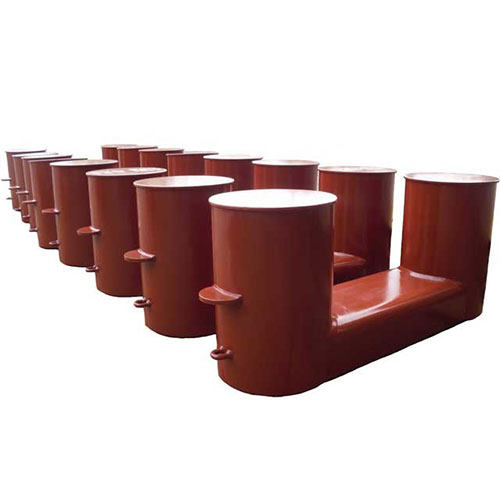
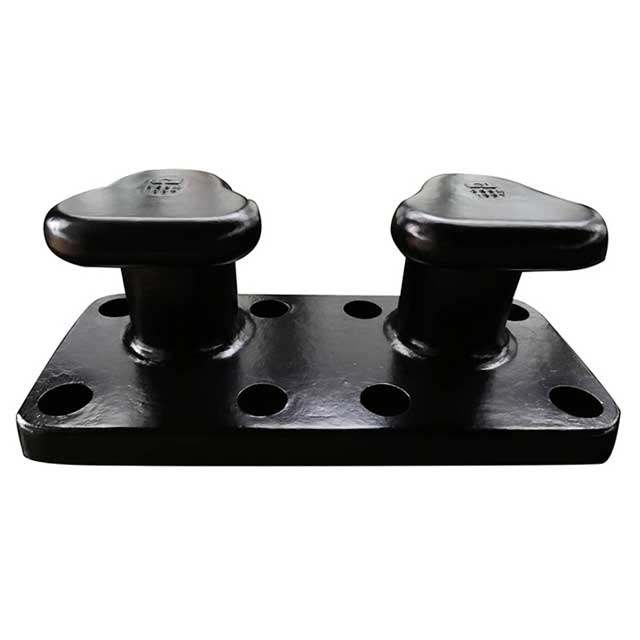
Single bitt mooring bollards are often used on small ships and for general mooring tasks. They work with straightforward handling and they save space. Double bitt mooring bollards are used more for medium-sized vessels. They let crews set up more than one rope pattern. They also improve line control during use.
For large vessels, heavy-duty options are commonly chosen. T-head bollards are a typical choice. They can take high mooring forces and they suit thicker mooring ropes. The bollard body should guide the rope smoothly. It should also reduce extra wear on the mooring line.
4. Material Strength and Corrosion Resistance
The material choice affects strength, life span, and general durability. Mooring bollards in marine settings must handle heavy loads. They also must fight corrosion from saltwater and constant damp air.
Cast steel and ductile iron are used often. Cast steel gives strong performance and good resistance to impact. This makes it a fit for demanding jobs. Ductile iron gives solid mechanical strength and holds up well across many port conditions.
Beyond picking the base metal, coatings and corrosion-resistant methods matter. Good surface protection can lower upkeep needs. It also helps the equipment last longer, even when the conditions are rough.
5. Mooring Line Arrangement and Vessel Operations
Mooring line layout also changes what bollard is needed. The count of lines, rope angles, rope material, and how the vessel moves during mooring all shape the forces on the bollard.
Big vessels often set up several mooring lines with different directions. This helps limit movement from wind, waves, and currents. Because of this, the bollards must be built for mixed and shifting loading.
When choosing bollards, ports should look at real mooring routines. They should also review how vessels actually operate. Vessel size alone is not enough.
6. Foundation and Installation Requirements
A high-capacity mooring bollard needs a solid foundation. The bollard sends the vessel pull force into the supporting structure. So the foundation must take those loads without risk.
Key installation points include:
- Concrete strength
- Anchor bolt design
- Installation depth
- Load distribution
- Alignment accuracy
If the installation of mooring bollards is done poorly, even a strong bollard may not perform as expected. The berth structure should be fully checked before work begins.
7. Maintenance and Service Life
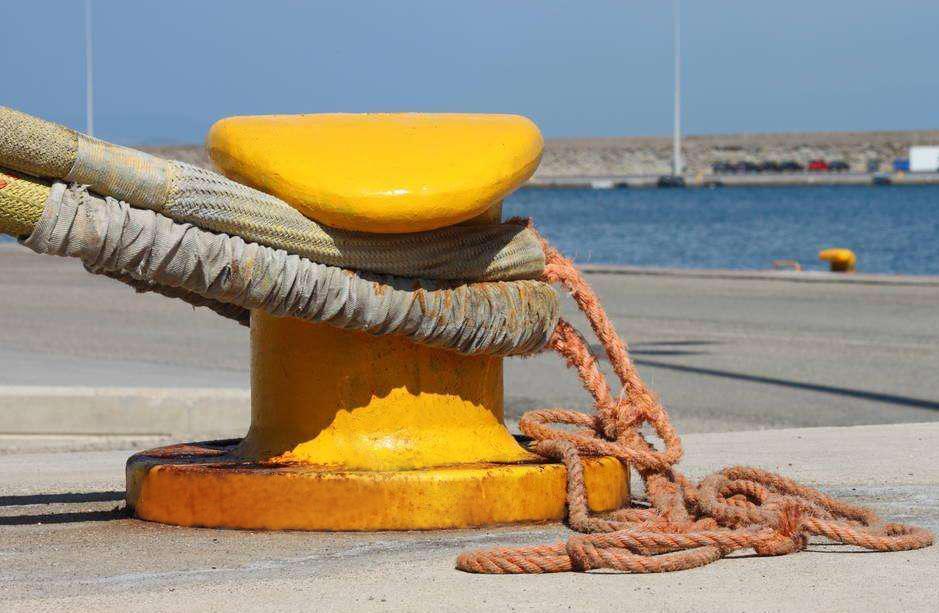
Long-term performance matters when you pick mooring bollards. During everyday work, vessels can put the bollards through the same kind of loading again and again. Over months and years, that can lead to fatigue.
You should inspect regularly and keep an eye on a few key areas. Look for corrosion. Check for surface marks and any cracks. Also review anchor condition and watch for signs of structural wear. A tougher bollard design, made from the right materials, can cut down on repairs. It also supports safer daily operations.
In busy commercial ports, the choice really shows up in the results. Reliable mooring bollards that last help keep vessel work running without frequent disruption.
Final Words
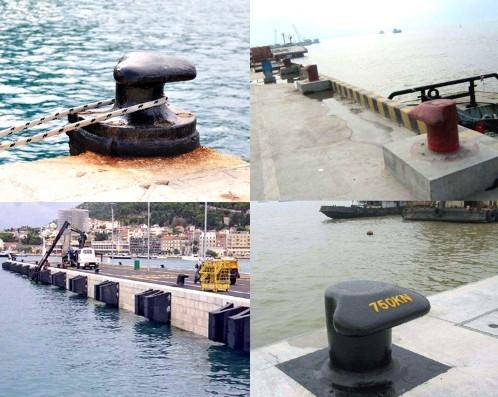
Choosing mooring bollards for different vessel sizes requires careful evaluation of vessel characteristics, environmental conditions, and operational requirements. Smaller boats often do well with compact and more flexible bollards. Larger ships usually need heavy-duty options, a strong structure, and higher load capacity.
Ports and terminals should also weigh SWL, bollard type, material, and how the bollard is installed. Marine conditions matter too. When all of these points are handled, mooring operations stay safer. It also helps extend the working life of the marine infrastructure.. When you select the right mooring bollard, it can perform well across vessel sizes and support smooth, secure port activity.