

Life-saving Equipment: Regulations and Compliance Standards
Life-saving equipment is of paramount importance in saving human lives during emergencies involving the exploration of maritime, aviation, industrial, and public safety realms. Whether they are lifeboats, life jackets, fire extinguishers, emergency breathing apparatus, etc., all of these devices will be beneficial only when they have been developed according to strict regulatory and compliance standards. Ensuring compliance guarantees safety in addition to court liability for manufacturers, operators and organizations.
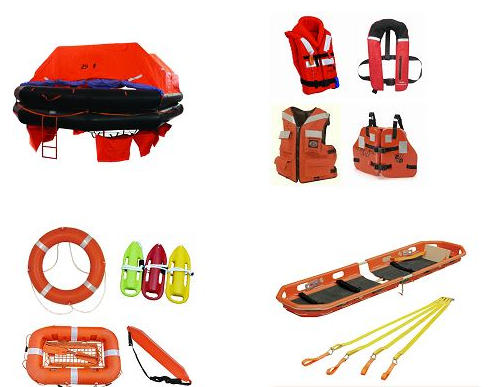
Table of Contents
Importance of Compliance Regulatory Standards in Life-saving Equipment
Compliance with regulatory standards is not generally an administrative requirement; it is a must in ensuring not only the quality, but also the necessity, legality, and reliability of life-saving equipment.
Ensuring Reliability in Critical Situations
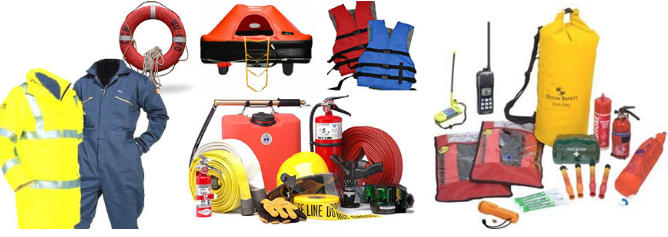
Regulatory compliance standards beset equipment which puts the lives of people at stake, to ensure high performance levels in hazardous conditions. Equipment like life jackets, lifeboats, emergency escape breathing apparatuses, and fire hazmat are supposed to be working under adverse environmental conditions of rough seas, fires, or hazardous industrial settings. By complying with set standards, manufacturers and operators entrust that their equipment will come through for them when life is on the line.
Upholding Quality and Safety
The management systems can also act as a means for creating a framework for quality assurance where regulatory standards are concerned. Different organizations like the International Maritime Organization (IMO), International Organization for Standardization (ISO), and Occupational Safety and Health Administration (OSHA) lay down requirements concerning the material, design, durability, and operational testing. By meeting these standards, one can rightly ascertain that any life-saving equipment that has been put to use is properly built, free of defects, and capable of coping with challenging operational conditions.
Legal Protection and Accountability
Adhering to regulatory standards keeps the manufacturers, operators, and associated parties safe from being held legally accountable. Non-compliance with the statutory requirements brings with it the risk of fines and lawsuits, which can even threaten the very existence of an organization. Certified compliance with such standards thus conclusively declares that a proactive approach has been followed toward protecting human life as well as reinforcing the force of both moral and legal responsibility.
Enabling Global Acceptance
Global standards compliance ensures a wider recognition and use of life-saving equipment across the globe. This is of even higher significance in maritime, aircraft, and multinational industrial enterprises, where equipment must necessarily traverse state boundaries. Any device that has been global regulatory-made or certified in accordance with such frameworks as ISO or SOLAS can be worked in any locality without worrying about regional differences in systems.
Key Regulatory Bodies and Standards for Life-saving Equipment
This chart provides a quick reference for manufacturers, operators, and safety managers to identify which regulatory frameworks apply to different types of life-saving equipment.
| Regulatory Body | Focus Area | Relevant Standards and Regulations | Notes |
| International Maritime Organization (IMO) | Maritime safety | SOLAS (Safety of Life at Sea Convention) | Covers lifeboats, life rafts, life jackets, lifebuoy, distress signals |
| International Organization for Standardization (ISO) | Global manufacturing & performance standards | ISO 12402 (personal flotation devices), ISO 9650 (liferafts) | Ensures product reliability, durability, and performance |
| Occupational Safety and Health Administration (OSHA) | Workplace safety | OSHA regulations on PPE, fire safety, and emergency preparedness | Applies to industrial and workplace life-saving equipment |
| European Union (EU) | Product safety, health, environmental protection | CE marking, PPE Regulation (EU 2016/425) | Ensures compliance for equipment sold/used in EU markets |
| National Fire Protection Association (NFPA) | Fire safety and emergency response | NFPA codes and standards for fire extinguishers, alarms, rescue gear | Widely adopted in North America, often used as a benchmark globally |
| United States Coast Guard (USCG) | Maritime safety in U.S. waters | USCG Type Approval for lifesaving appliances | Certifies life jackets, lifeboats, and immersion suits for U.S. waters |
| Lloyd’s Register / DNV / Bureau Veritas (Classification Societies) | Certification & inspection of maritime equipment | Class-specific certification standards | Provides third-party testing and certification for global compliance |
Compliance Requirements for Life-saving Equipment
Understanding the compliance requirements for life-saving equipment ensures that devices functions properly during emergencies, as well as the adherence to laws and operational requirements for organizations.
1. Design and Material Standards
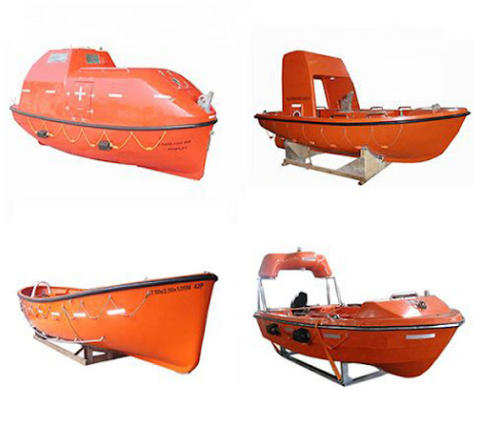
At a closing level, compliance compliance must first acquaint itself with the design and material standards of life-saving equipment. The life-saving equipment must therefore be constructed with materials that are durable, fire-retardant, resistant to corrosion, and non-toxic. In its design, the convenience of use in critical circumstances is taken into account, ensuring that various equipment abide with their principle of buoyancy, life boats might remain operational and stable at sea in harsh seas. Quality and safety standards for such equipment in global markets are typically under strict scrutiny under various international organizations as ISO or SOLAS conformity ensures that any equipment that qualifies fully complies with these superior benchmarks.
2. Performance Testing
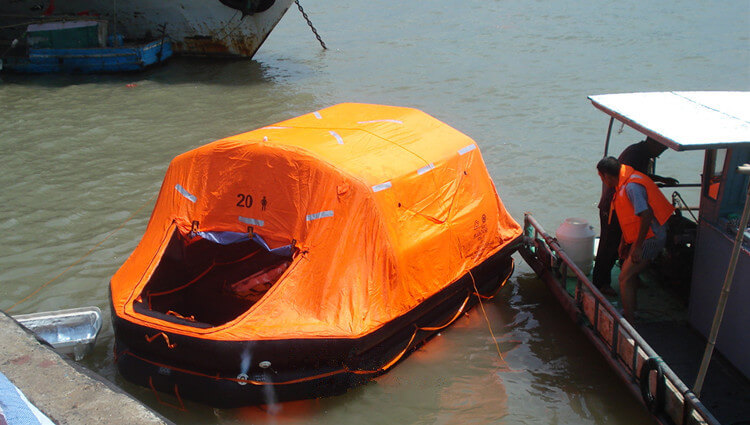
Achieving compliance mandates for testing, robustly, to peruse the performance side, including evaluating safety levels of structures-their stability, buoyancy, and functionality. For an example, in quest to puncture and stand temperatures, life rafts have to be tested, whereas fire extinguishers are gauged for their operational effectiveness under different conditions. Conditioned by the stipulations of the regulatory authorities, the test conditions must in principle demonstrate conformance of the equipment performance in real emergencies; this confidence is thus reposed as a testimonal in the equipment to users (and only to the inspectors as seen) toward backing it as a reliable equipment for lifesaving.
3. Certification and Labeling
Certification is significant because compliance depends on it. Therefore, every manufacturer must acquire a formal go-ahead from officially recognized bodies. It is certainly clear that any one certification qualifies the equipment not only to undergo all standards directed by the safety regulations but also to provide the needed signal for compliance. Labeling, then, becomes just as central, for if labeling is clear and precise, then there is no room for any confusion. Such labeling should indicate user-relevant information, such as the certification mark, date of expiration, or guidelines regarding correct usage.
4. Maintenance and Inspection
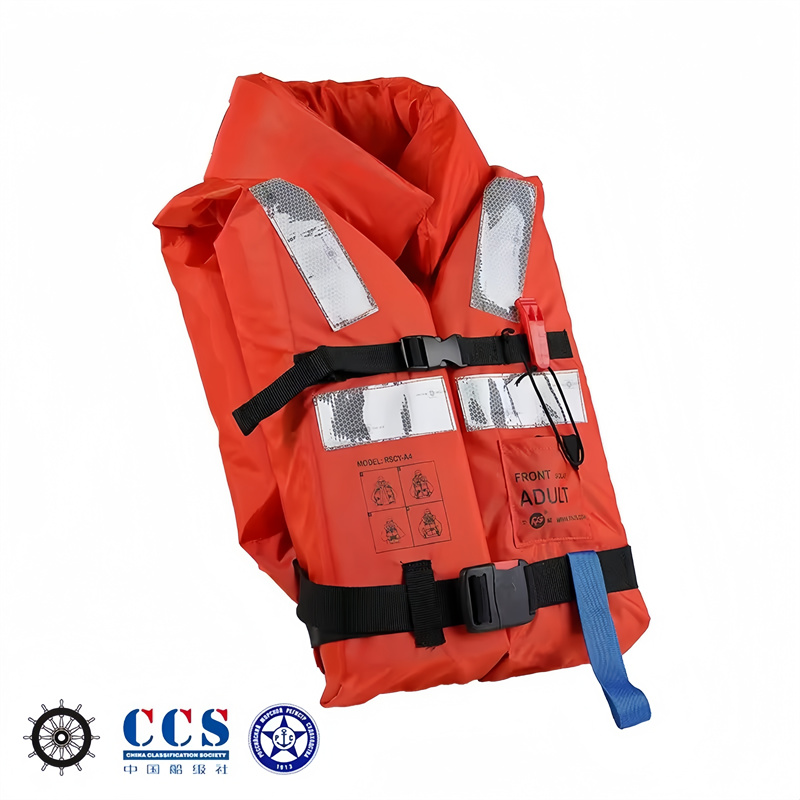
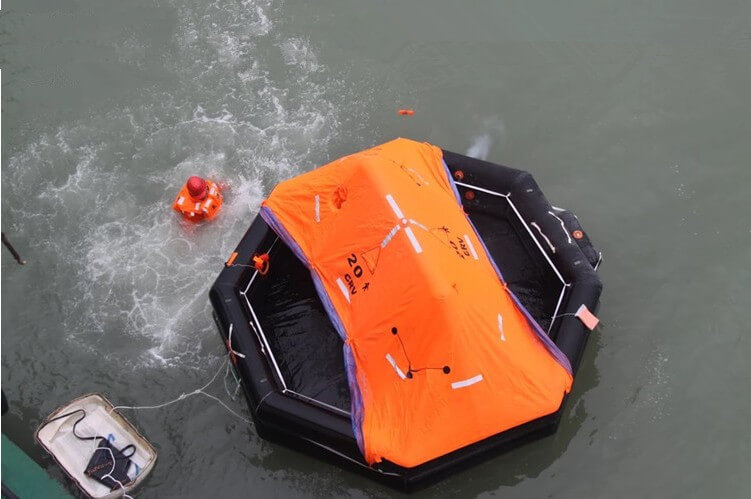
Compliance involves more than just construction and certification. Regular maintenance and inspections help ensure that life-saving equipment functioning is preserved throughout its operational life. Every twelve months, lifeboats and life rafts are intended to be subject to inspection, functional testing of critical components, and other requirements according to SOLAS. Industrial and workplace machinery should also receive routine checks to guarantee that gradual deterioration and failure are mitigated. Another area that receives consideration relative to machinery, training is also vital in compliance. Regulatory requirement demands both follow-up documentation and safety certificates while maintaining the records of work done up to the time of the last maintenance.
5. Training and Usage Guidelines
An important component of effective compliance is training that are focused on the user. Establishments or any employer or concern are responsible for ensuring that essential guidance is imparted to ensure correct usage, storage, and handling of lifesaving equipment. Thus, a trained workforce could operate such medical devices with good potential in any crisis, increasing the chance of survival. The standards of compliance: lots of training programs and drills are proposed, thereafter it is clear that the staff are aware about the possible procedures, with confident minds about their action in those situations.
Challenges in Maintaining Compliance Standards for Life-saving Equipment
The following chart helps organizations to understand where compliance challenges typically arise and why proactive management is essential.
| Challenge | Description | Impact on Compliance |
| Technological Advancements | Rapid development of new materials, electronics, and manufacturing techniques | Standards must be frequently updated; equipment may become outdated quickly if not adapted |
| Global Variations | Different countries or regions may have overlapping or conflicting regulations | Organizations operating internationally must navigate multiple regulatory frameworks, increasing complexity |
| Cost Constraints | High costs associated with testing, certification, and ongoing maintenance | Smaller manufacturers or organizations may struggle to invest in compliance, risking non-compliance |
| Maintenance and Inspection Requirements | Lifesaving equipment requires regular inspections, servicing, and record-keeping | Failure to maintain proper documentation or conduct inspections can lead to regulatory violations and equipment unreliability |
| Training and Human Factors | Personnel must be trained in correct usage, storage, and emergency procedures | Inadequate training can reduce the effectiveness of life-saving equipment, even if it meets all technical standards |
| Documentation and Record-Keeping | Comprehensive logs of inspections, certifications, and maintenance are required | Poor documentation can result in penalties, failed audits, or inability to demonstrate compliance |
Final Words
Compliance with regulations and standards in respect of each life-saving equipment is essential to ensure safety, reliability, and legality. It is therefore incumbent on manufacturers, operators, and agencies to keep up with the advancing regulations and standards, invest in quality testing, employ intensive training and maintenance programs. When these things are correctly followed, the equipment will always be able to achieve the purpose for which it is intended, to save lives at the emergency moment of great need.