

When Should You Replace a Life Jacket
A life jacket is one of the key life-saving pieces when you are on a boat or near open water. However, it will not last forever. With time, sunlight, sea spray, harsh cleaners, poor storage, and bumps or tears can lower how well it helps you float. Knowing when to replace a life jacket helps ensure it can provide effective protection when needed.
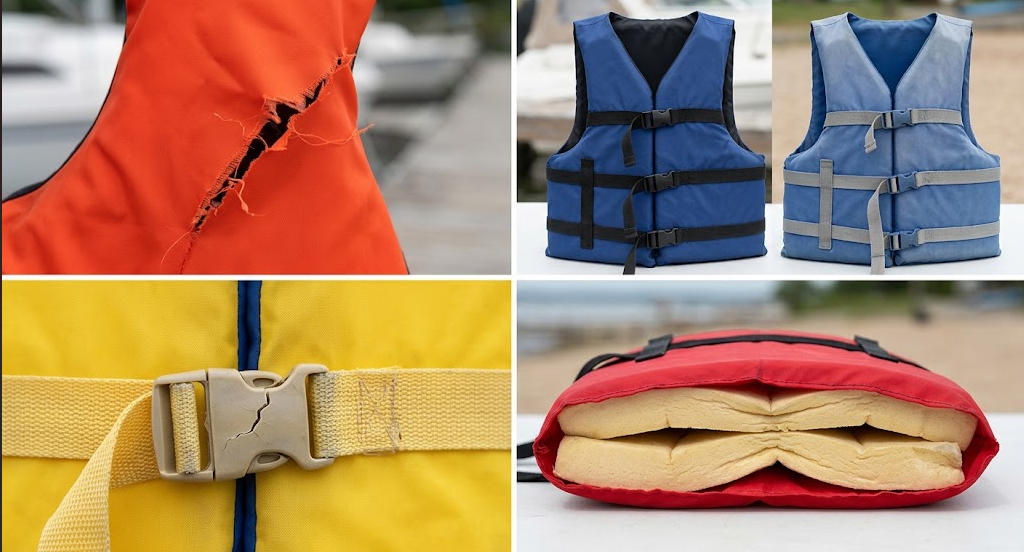
Table of Contents
Why Replacing a Life Jacket is Important
A good life jacket should keep you high in the water. It should also fit the person wearing it and stay put. Over time, the foam or flotation parts, the outer shell, straps, buckles, and other pieces can wear down. Even when the jacket looks fine at first glance, there can be damage you can’t easily see. That kind of hidden wear can matter in a real emergency. So, it is better to check the jacket often. Do not wait until it is clearly ruined.
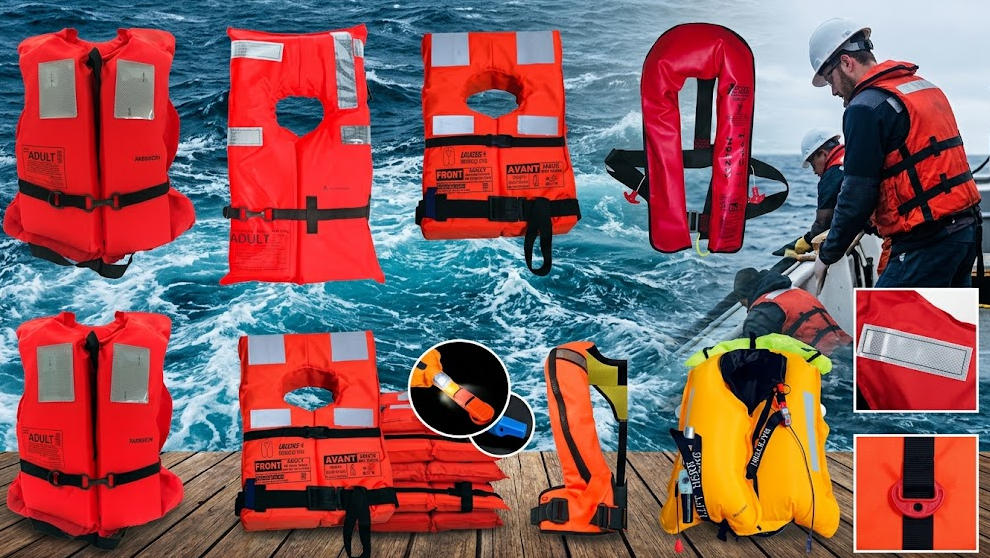
Key Reasons to Replace a Life Jacket
1. Visible Damage
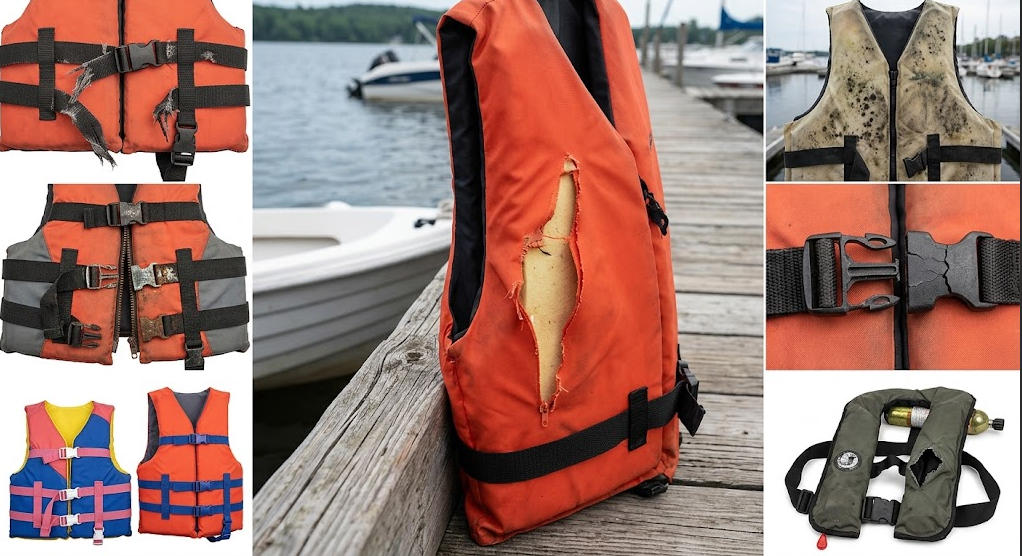
One clear sign is physical damage. Look for tears, deep cuts, bad stitching, strap damage, cracked buckles, or cloth that is very thin from wear. Any of these issues can weaken the jacket’s structure.
A few minor marks might not be a problem by themselves. But if the damage touches the flotation parts, the way it fastens, or the main build of the jacket, treat it as a real concern. Do not trust a damaged life jacket until it has been checked.
2. Flotation Material Is Deteriorated
The flotation materials for life jackets is the core component responsible for keeping the wearer above water. If the foam is crushed, stiff, split, soaked through, or badly worn, the jacket may not give the same lift as before.
Focus on spots that get bent a lot, where you sit on it, or where it stays damp for long stretches. If the flotation part looks misshapen or clearly worse, replacement is usually the safer option.
3. Prolonged UV and Weather Exposure
Sun can break down the jacket over time. It can weaken fabric, threads, straps, and other parts. This matters a lot for jackets stored on boats, since they often face strong UV light, salt mist, wet air, and temperature swings.
Faded color alone does not prove failure. But heavy fading and hard or brittle fabric, loose or weak stitching, or straps that look worn down is a sign you should think about replacing the jacket.
4. Buckles or Straps No Longer Work Properly
A life jacket must stay firmly on your body. If buckles do not close well, straps are too worn, or the adjustment parts slip, the jacket may not sit correctly on the wearer.
If the fasteners cannot hold the jacket in the right position in a steady way, it is safer to replace it than to keep using it.
5. No Longer Fits Properly
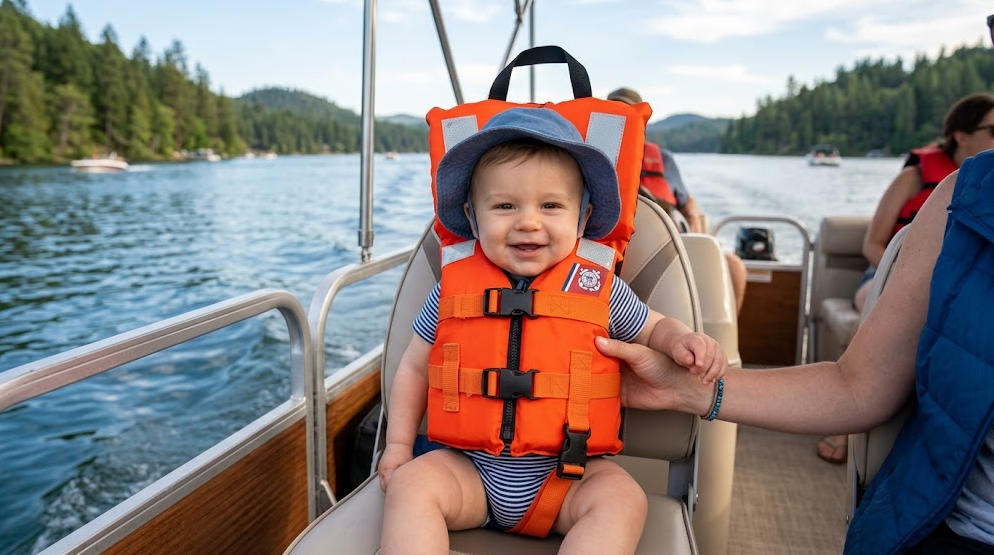
Life jackets are made for certain weight ranges, body builds, and different ages of users. Kids, especially, can grow out of a children’s life jacket faster than people expect.
You should replace a life jacket if the person wearing it no longer fits the manufacturer’s listed size and weight limits. A jacket that is too big or too small may not work as it should. That can happen even when the jacket looks fine on the outside.
6. Chemical or Contamination Damage
Fuel, oil, solvents, cleaners, and other chemicals can hurt the foam, flotation parts, and the fabric. If the jacket was exposed to chemicals and its material shows changes such as discoloring, tackiness, stiffness, swelling, or other odd wear, check it closely. If its ability to float is in doubt, replace it.
Is There a Fixed Life Jacket Expiration Date
There is no one expiration date that fits all life jackets. The usable life depends on how the jacket is built, how often it is used, and how it is stored. Sunlight and water exposure also matter. So do care habits and any safety rules that apply where you sail or work.
Do not rely on age alone. Follow the manufacturer’s inspection steps and replacement advice. Also, check the gear often. If you run commercial boats or work in a professional setting, follow the maritime rules and inspection duties that match your job.
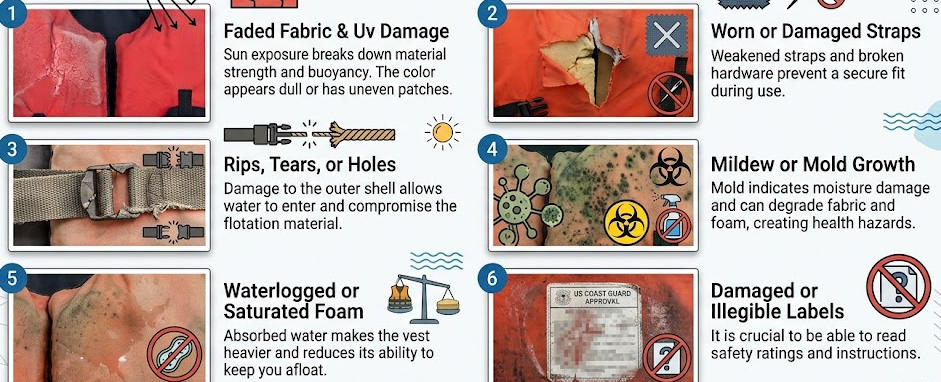
How to Check a Life Jacket Before Replacement
Before replacing a life jacket, carefully inspect its overall condition to determine whether it can still provide reliable flotation and protection.
| Inspection Area | What to Check | Signs That Replacement May Be Needed |
| Flotation Material | Check the foam or other buoyant material for its original shape and condition. | Cracks, compression, hardening, deformation, or reduced buoyancy |
| Outer Fabric | Inspect the cover for tears, holes, abrasion, mildew, or severe wear. | Large tears, extensive abrasion, or serious deterioration |
| Straps | Check straps, stitching, and attachment points for strength. | Fraying, broken stitching, loose attachments, or weakened straps |
| Buckles & Fasteners | Make sure buckles close securely and adjustment systems work properly. | Cracked buckles, broken fasteners, or straps that will not stay adjusted |
| Fit & Size | Confirm that the jacket matches the user’s current size and weight range. | The jacket is too small, too large, or outside the manufacturer’s recommended range |
| Buoyancy Performance | Check whether the jacket still provides the expected flotation. | Poor flotation or uncertainty about its ability to keep the wearer afloat |
| Water Exposure | Look for damage caused by saltwater, moisture, or repeated use. | Persistent waterlogging, deterioration, or weakened materials |
| Sunlight Exposure | Inspect materials exposed to prolonged UV radiation. | Brittle fabric, weakened straps, severe fading combined with material deterioration |
| Chemical Exposure | Check for effects from fuel, oil, solvents, or cleaning chemicals. | Sticky, swollen, brittle, discolored, or otherwise damaged materials |
| Labels & Safety Information | Check required labels and manufacturer information. | Missing or unreadable information that is necessary for proper use |
| Overall Condition | Examine the complete life jacket before each period of use. | Multiple signs of wear, damage, or uncertain safety performance |
If the foam, straps, buckles, seams, or other key parts are badly torn or cracked, replace the jacket. If you cannot be sure it will float and support the wearer, it is better to swap it out than to risk it during an emergency.
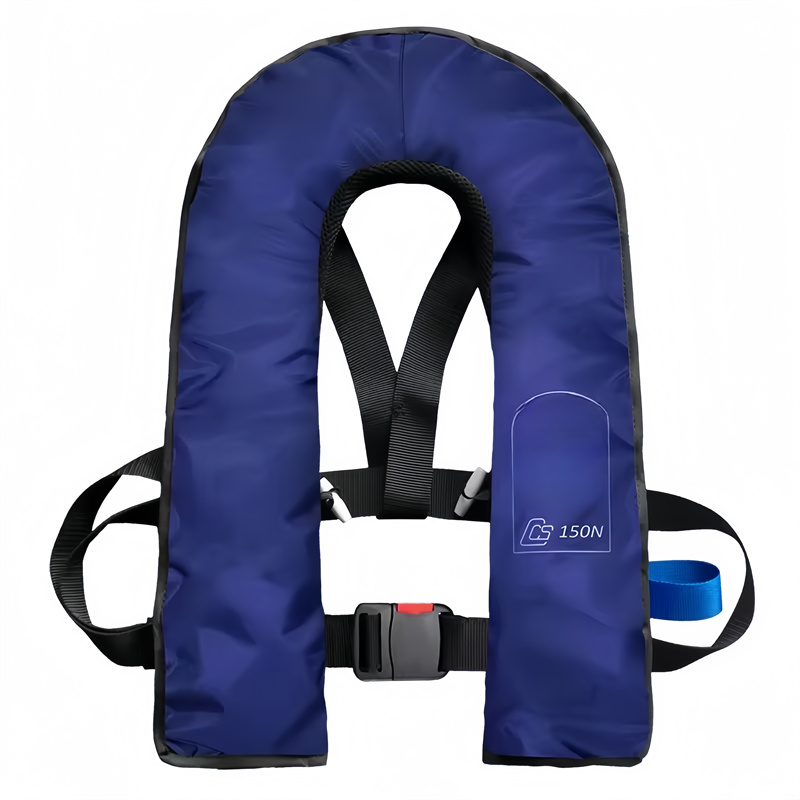
How to Extend the Life of a Life Jacket
Proper care can help maintain a life jacket’s condition.
| Care Method | How to Do It | Benefit |
| Rinse After Use | Rinse the life jacket with fresh water after use, especially after saltwater exposure. | Helps remove salt, dirt, and other residues. |
| Dry Thoroughly | Allow it to air-dry completely before storage. | Reduces moisture-related deterioration and mildew. |
| Avoid Direct Sunlight | Keep the life jacket out of prolonged direct sunlight when not in use. | Helps reduce UV-related fabric and strap damage. |
| Store in a Dry Place | Store it in a cool, dry, and well-ventilated area. | Helps protect flotation materials and fabrics. |
| Keep Away from Chemicals | Avoid contact with fuel, oil, solvents, and harsh cleaning chemicals. | Prevents chemical damage to materials. |
| Don’t Compress It | Avoid placing heavy objects on top of the life jacket or storing it tightly compressed. | Helps maintain the shape and performance of flotation materials. |
| Inspect Regularly | Check the foam, fabric, straps, stitching, and buckles for damage. | Allows problems to be identified early. |
| Handle Carefully | Keep the jacket away from sharp edges, rough surfaces, and unnecessary abrasion. | Reduces tears and physical damage. |
| Follow Manufacturer Instructions | Use approved cleaning, maintenance, and storage methods. | Helps maintain the product according to its intended design. |
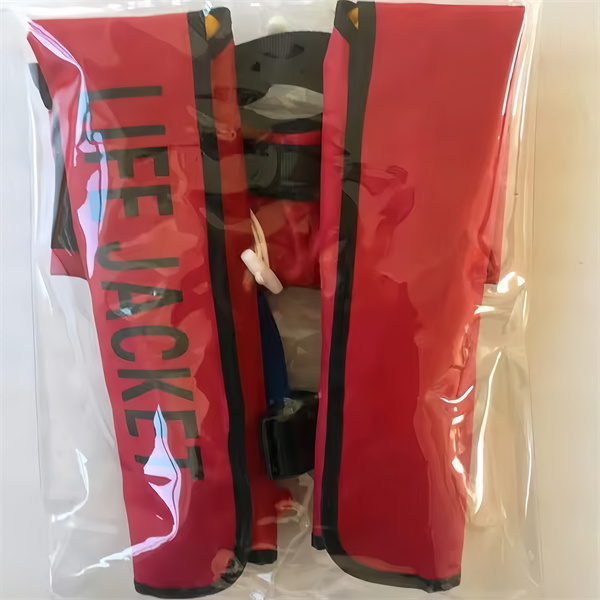
Final Thoughts
When to replace a life jacket matters for water safety. Look for clear signs like rips, faded or breaking flotation material, straps that are worn out, damaged buckles, a poor fit, chemical exposure, and rough wear from harsh conditions. Check each jacket on a regular schedule. Follow the instructions from the manufacturer and the safety rules that apply to you.
For boat owners, marine operators, and people buying safety gear, selecting durable life jackets and keeping a regular inspection and replacement routine can help keep flotation dependable when it is needed most.