

How to Select Life Jackets for Adults, Children and Infants
Water activities like boating, fishing, swimming, kayaking and sailing can be super enjoyable, but they bring safety risks that people sometimes underestimate. A properly chosen life jacket is one of the main pieces of personal flotation equipment when it comes to reducing drowning chances. Selecting the right life jacket isn’t just about grabbing something that floats. Adults, children and infants differ in body size, weight distribution and safety needs, so each group needs a different type of life jacket designed for maximum protection and comfort.
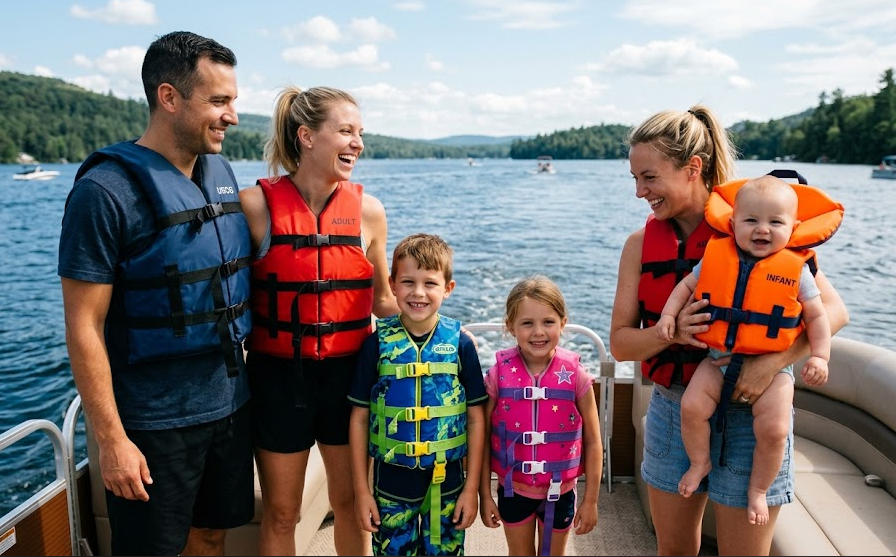
Table of Contents
Why Selecting the Right Life Jacket is Important
A life jacket, also called a personal flotation device (PFD), is made to help you stay buoyant if you end up in the water unexpectedly. Even people who swim regularly can end up in trouble due to strong currents, sudden weather changes, injuries, exhaustion, or plain accidents during boating trips.
When a life jacket fits properly, it offers quick buoyancy support and can help stop a person from burning energy too fast while trying to stay above water. It can also improve visibility because many life jackets use bright colors, and reflective materials, so rescuers can spot someone faster during an emergency.
The impact of a life jacket depends a lot on size and design. If it’s too loose, it may shift out of position, and that defeats the purpose. If it’s too small, it might not give enough flotation or comfort. That’s why selecting an age-appropriate life jacket is a key part of overall water safety.
How to Select Life Jackets for Adults
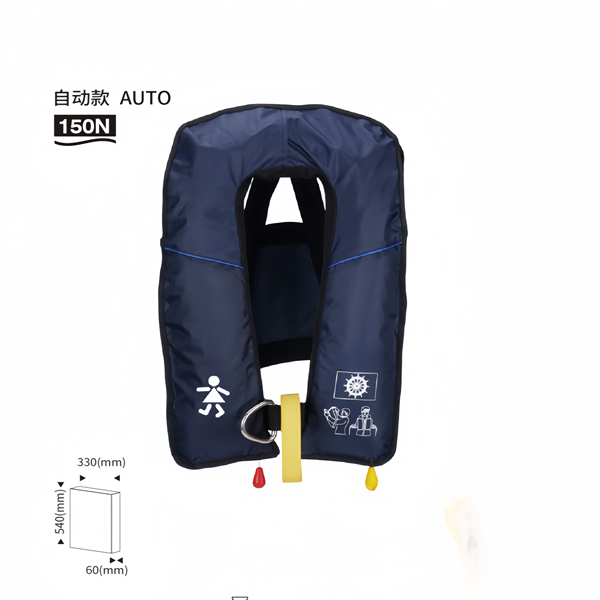
Adult life jackets are designed for teenagers and adults with larger body sizes and greater body weight.
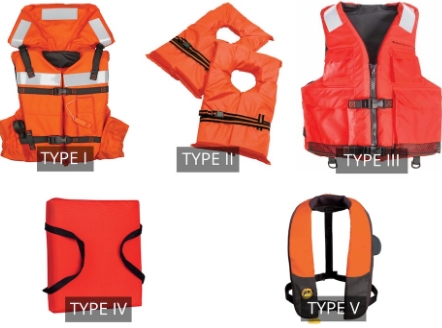
Types of Adult Life Jackets
Different water activities require different types of adult life jackets.
| Type of Adult Life Jacket | Description | Main Features |
| Foam Life Jackets | Traditional life jackets made with buoyant foam materials that provide immediate flotation | Reliable flotation, durable construction, no inflation required, low maintenance |
| Inflatable Life Jackets | Lightweight jackets that inflate automatically or manually when needed | Compact design, high mobility, comfortable for long wear, requires regular inspection |
| Hybrid Life Jackets | Combine foam flotation with inflatable components for added safety and comfort | Provides reliable backup flotation, flexible design, improved comfort |
| Offshore Life Jackets | High-performance flotation devices designed for challenging water conditions | Higher buoyancy, enhanced visibility, durable materials, strong support |
| Near-Shore Buoyant Life Jackets | Standard flotation jackets designed for calm or protected waters | Comfortable fit, basic flotation support, easy to wear |
| Water Sports Life Jackets | Designed specifically for activities involving movement and impact | Secure fit, lightweight materials, flexible design, enhanced mobility |
| Fishing Life Jackets | Designed for anglers who need comfort and storage options | Comfortable fit, lightweight construction, pockets for small equipment |
| Work-Specific Marine Life Jackets | Designed for professionals working around water | Durable materials, high visibility, strong flotation performance |
Key Factors to Consider for Choosing the Right Adult Life Jackets
Since each life jacket is designed for a specific situation and goal, adults should look at multiple factors before picking the right one, not just whatever is closest at hand.
1. Proper Size and Fit
The biggest concern when choosing an adult life jacket is getting the correct size. A life jacket should fit the wearer’s body weight and chest measurement, so it can give steady buoyancy and stable flotation support. If the jacket is too large it may slide out of place during an emergency, and if it is too small it can feel tight, uncomfortable, and might not deliver enough support in the water.
When it is adjusted correctly, a life jacket should feel firm around the body, but it should not limit breathing or restrict movement. With adjustable straps and buckles you can achieve a snug arrangement, and that helps the jacket stay correctly aligned while you’re on the water.
2. Flotation Performance
Flotation capacity matters a lot for how well a life jacket will hold a person above water. In practice, adults should pick a jacket with enough buoyancy for their body mass, their swimming skill, and the exact situation where it will be worn.
For calm lake or slow water recreation a regular flotation jacket often works fine and gives adequate support. But if you are going offshore, expecting choppy water, or doing professional marine work you may need a higher-performance life jacket with more buoyancy and extra protective features.
3. Type of Water Activity
Water activities are a big factor in choosing the right adult life jacket. Different water activities demand different degrees of movement freedom, as well as different kinds of protection.
For general boating and fishing, foam life jackets are often a practical pick, because they give dependable flotation and they typically need very little upkeep. For sailing, kayaking, and paddleboarding, lighter designs may be preferred , since they give better range for moving around. For high-speed water activities like jet skiing or wakeboarding, you usually want a securely fitted jacket that supports active motion and adds impact protection.
4. Foam vs. Inflatable Design
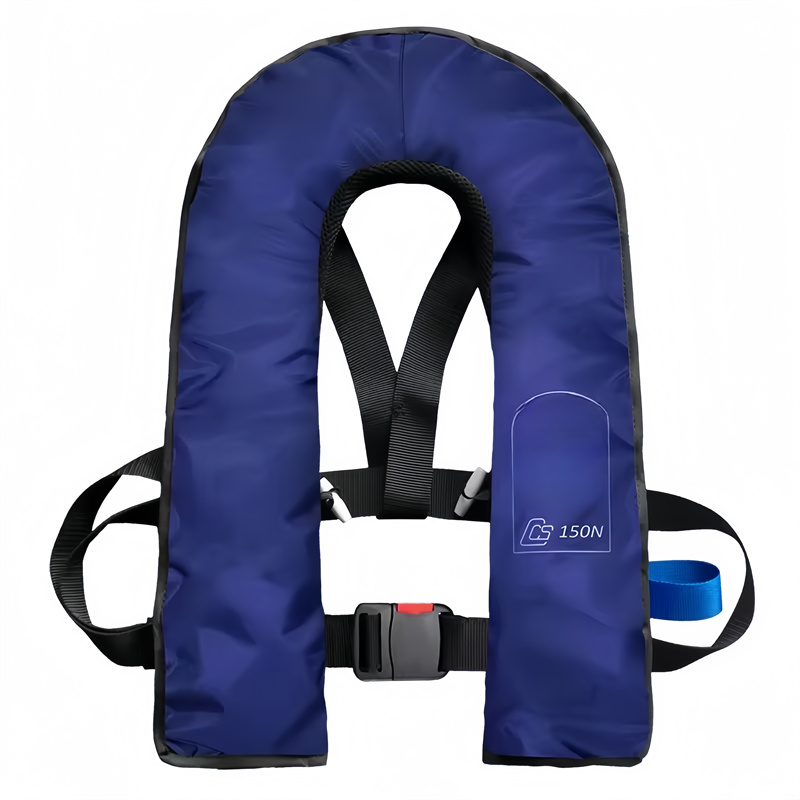
Adult life jackets show up in foam, inflatable, or mixed hybrid models. Foam options deliver flotation right away, no activation needed, so they stay straightforward and dependable for many recreational riders. They are also pretty tough and easy to care for.
Inflatable life jackets are pretty popular among experienced boaters, because they stay lightweight and less constricting. They help with comfort during long periods of use, though they do need routine checks on the inflation mechanism, the air chamber, and any replacement parts.
Hybrid life jackets mix foam with inflatable features, giving a midway option between dependable buoyancy and more comfortable wear.
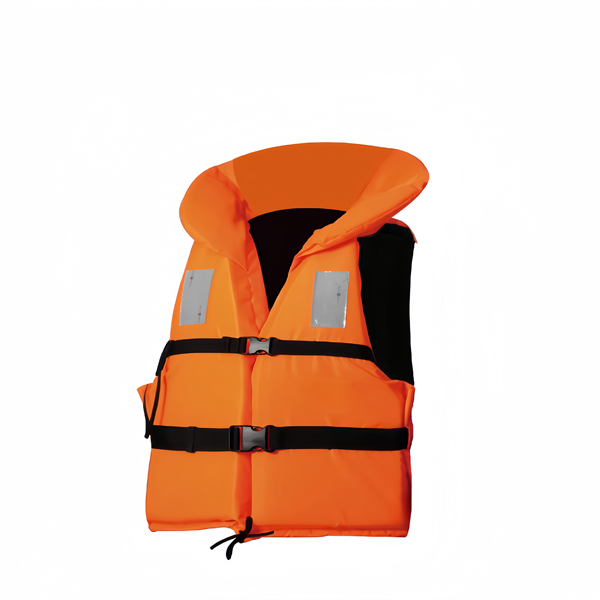
5. Comfort and Mobility
A life jacket should feel fine enough that you can wear it for extended periods. If it feels heavy, clumsy, or simply bothersome, people tend to keep avoiding it and won’t wear it as often.
Comfort can be improved through breathable fabrics, lighter materials, ergonomic designs, and flexible paneling. For activities with constant motion, like paddling or water sports, mobility should be treated as a major priority.
6. Water Conditions and Environment
The place where the life jacket is going to be worn also has an impact on the best option. Quiet lakes and sheltered passages usually call for different features than open ocean areas, or places with strong currents.
For offshore use, adults often require life jackets with more buoyancy, stronger stitching, and enhanced visibility. When the water is cold, extra safety thoughts may be necessary too, because long exposure can raise the chance of hypothermia.
7. Visibility and Safety Features
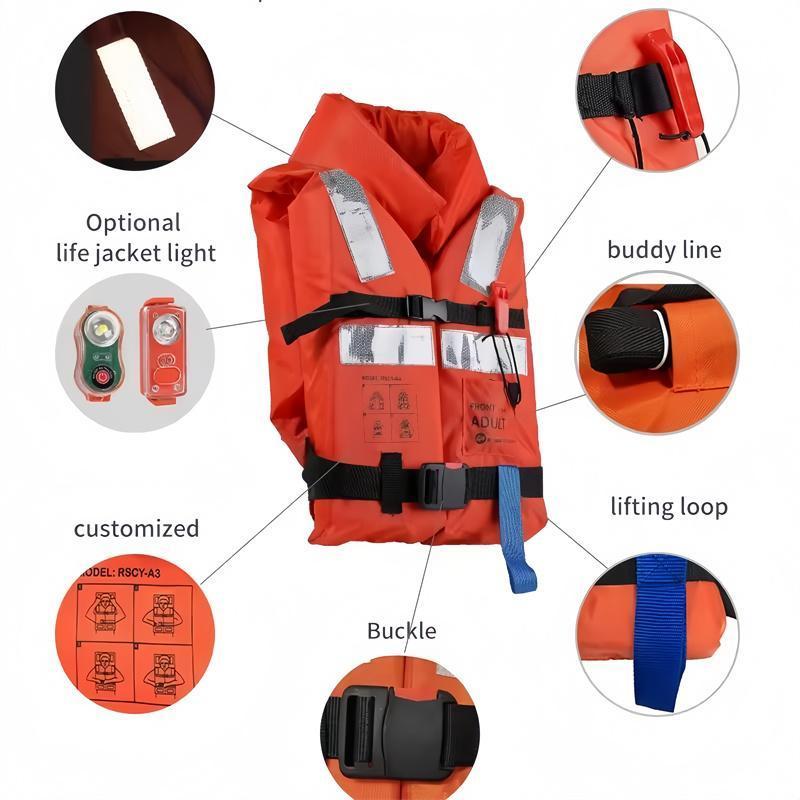
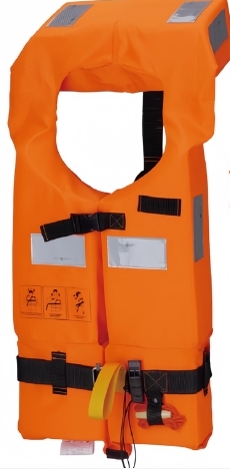
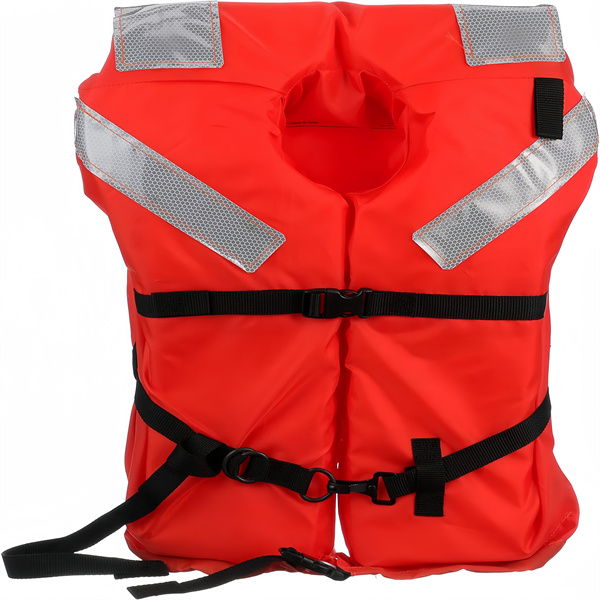
Visibility counts as a safety feature, especially when something goes wrong and time is limited. Bright shades like orange yellow, and red help people get found faster in the water. Reflective trims can improve visibility during the dark or in low light.
Other add ons, such as a built in whistle, rescue grips, reliable buckles, and emergency flotation support can further strengthen safety, depending on how the jacket will be used.
8. Material Quality and Durability
A quality life jacket should last through regular use, being in water often, and shifts in weather conditions. The durable outer fabric, strong stitching, corrosion-resistant buckles, and dependable flotation materials all help it keep working longer.
For people who regularly use life jackets while at sea, in marine settings, it helps to pick a model that is built to resist saltwater damage. This can improve both durability and day-to-day performance.
9. Safety Standards and Certification
Adults should choose life jackets that meet recognized safety standards. When a product is certified it is tested so it can deliver sufficient buoyancy, secure construction, and consistent performance if there is an emergency.
Reviewing the safety label and the certification details makes it easier for users to select gear that has been evaluated for quality and overall effectiveness.
10. Maintenance Requirements
Maintenance that is done properly is necessary to keep a life jacket working the way it should. People should look at their jackets on a regular basis, checking for damaged straps, broken buckles, tears, or a lower ability to stay afloat.
Foam life jackets need to be rinsed after use in saltwater and placed in a dry location for storage. Inflatable models also need extra reviews of the inflation system and the air chambers, so the device is ready when it is needed.
How to Select Life Jackets for Children
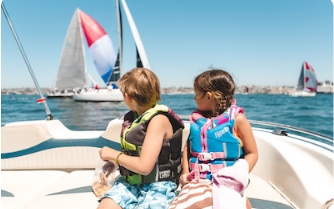
Since children have smaller bodies, different body proportions, and varying swimming abilities, they require life jackets specifically designed to provide proper flotation and support.
1. Proper Size and Weight Range
When picking a child life jacket, the most important thing is getting the size right, using the child’s weight and a few body measures. Kids grow very quickly, but buying a bigger jacket for a child to “step into” later can cause safety problems, because an oversized life jacket might slide off or not keep the child held in the right way.
A well-sized life jacket should sit snugly on the child’s torso, without blocking breathing or limiting movement. Parents should check what the manufacturer lists as the recommended weight range, and confirm the jacket fits the child’s current measurements.
2. Secure and Comfortable Fit
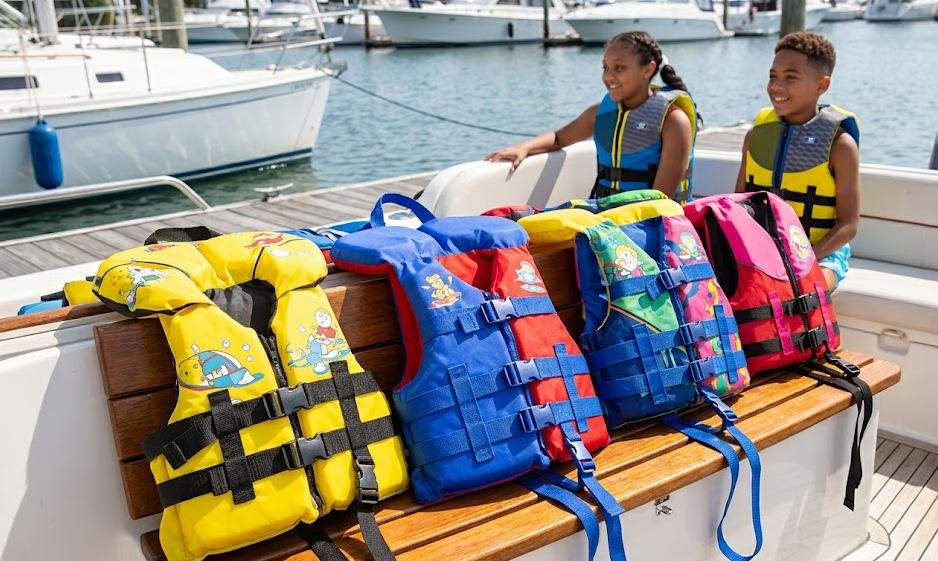
A solid child life jacket should remain in place when the child moves and when entering the water. Adjustable shoulder straps, waist straps, and sturdy buckles support a secure, comfortable fit.
The jacket should not ride up toward the child’s face, or move around excessively when the child is lifted gently by the shoulders. A proper fit makes sure the flotation materials stay in the right place so they can give real support, not just presence.
Comfort matters too, because children are much more likely to wear a life jacket correctly when it feels pleasant and nonrestrictive. Soft textiles, lightweight construction, and designs that bend with motion can make the whole experience more tolerable.
3. Appropriate Flotation Support
Children’s life jackets are made to provide enough lift to help smaller bodies stay up. The flotation level should be matched to the child’s weight and their swimming skill.
For younger children and beginners, a life jacket with extra support elements may be helpful. These designs assist children to remain in a steadier orientation in the water and can lower the effort needed to stay afloat.
4. Head Support Features
For toddlers and younger children who may have limited swimming skills, head support can be an important feature. Some children’s life jackets include extra flotation around the collar area to help support the head and keep the face positioned safely above water. This feature is especially useful for young children who may become tired or have difficulty maintaining a stable position in the water.
5. Safety Handles and Rescue Features
Lots of children’s life jackets include a rescue handle on the back. That grip lets parents, caregivers or a rescuer grab and lift the child out of the water quickly, during an emergency situation. Extra protective details like secure zippers, adjustable straps and reliable buckles add to the dependability of the life jacket, and also help maintain child safety.
6. Bright Colors and Visibility
Visibility is a key safety consideration for children in the water. Brightly colored life jackets, such as orange, yellow, or red designs, make children easier to see from boats, shorelines, or rescue locations. Reflective strips or materials can provide additional visibility during low-light conditions, helping adults locate children more quickly if an emergency occurs.
7. Suitability for Water Activities
The kind of water activity should also influence what a child’s life jacket should be like. Different activities call for different designs, and that is important.
For family boating, a comfortable and secure flotation jacket is often the most practical option. For kayaking or paddleboarding, a child may do better with lighter-weight designs so they can move more freely. For water sports, a life jacket with a closer fit and firmer protection might be the better fit.
8. Material Quality and Durability
Children’s life jackets should be made with tough materials that can really take a beating from regular use. A strong outer fabric, dependable stitching, and well-built flotation components support long term performance, without giving up too soon.
Since children are usually very active and may use a life jacket often, buying a durable model can raise safety and also minimize the need for constant replacement.
9. Ease of Use
A child life jacket should be easy for parents and children to put on and adjust. If the design gets complicated, it can end up being worn wrongly, and that can reduce protection.
Helpful features like straightforward buckles, obvious adjustment zones, and tightly secured closures help make sure the jacket fits each time correctly.
10. Safety Certification
Parents should pick children’s life jackets that follow recognized safety rules. Certified models are tested to verify proper buoyancy and to confirm they meet key safety requirements.
Checking the label, and the product details, helps make sure that the chosen life jacket fits the child’s age, weight, and the kind of water activity they plan to do.
11. Regular Inspection and Replacement
Children’s life jackets need to be checked regularly, because kids grow quickly. Also, active use can slowly cause fraying or other wear. Before each use, parents should look at the straps, the buckles, the outer fabric, and the flotation materials.
A life jacket should be replaced if it gets damaged or if it no longer fits right. It also should be swapped out when you notice reduced buoyancy or other signs of weaker performance.
How to Select Life Jackets for Infants
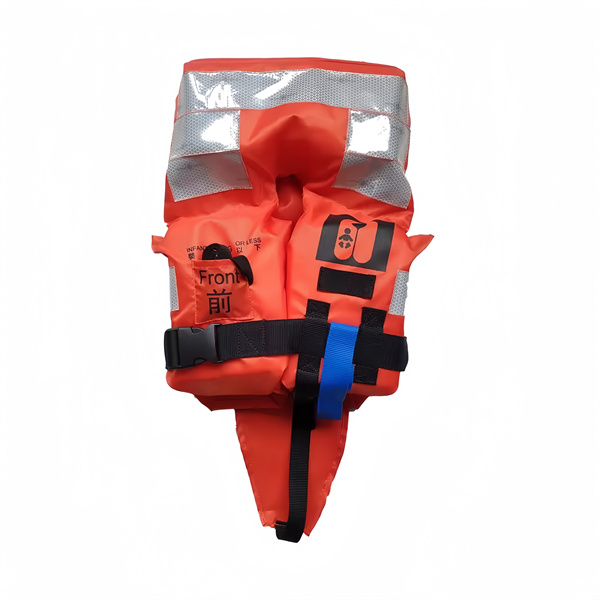
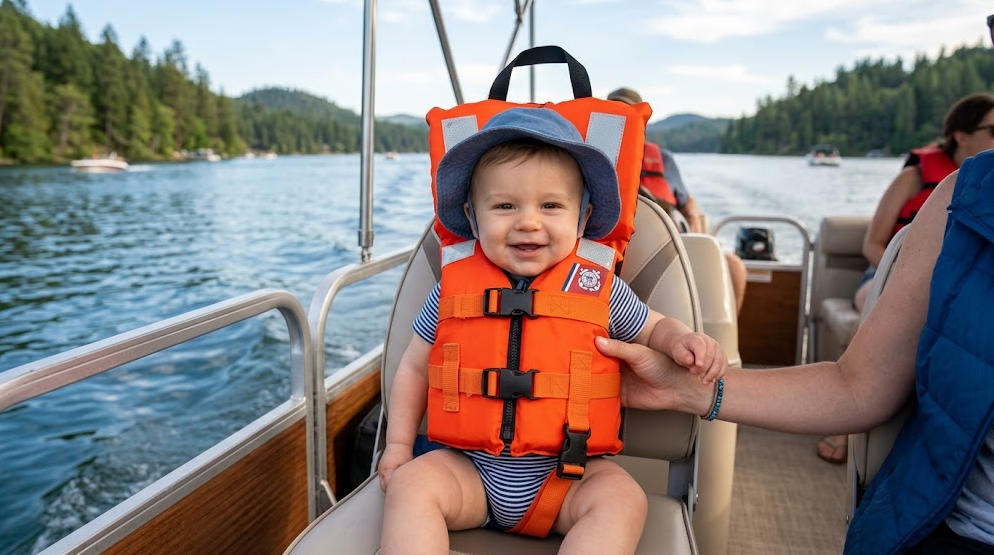
Infants have limited body control, weaker muscles, and little ability to adjust their position in the water. A properly designed infant life jacket should give reliable flotation, support the baby’s head, and help keep a safer body stance. When choosing an infant life jacket, parents and caregivers should look closely at fit, safety features, comfort, and overall quality.
1. Proper Size and Weight Range
The first and most important consideration when selecting an infant life jacket is picking the right size according to the baby’s weight. Infant life jackets are built for specific weight bands, and choosing the correct size helps the flotation material work as intended.
A life jacket that is too large may not keep the infant secure, and it can let the baby slip out a little too easily. On the other hand, a jacket that is too small may feel awkward and may not give enough flotation support. Because infants develop fast, caregivers should check often if the life jacket still fits right.
2. Secure and Proper Fit
A snug, secure fit matters a lot for infant life jackets. The life jacket should rest comfortably around the baby’s body, while still letting the baby move and breathe normally.
When the infant is in the water a well-fitted jacket should stay put. It should not crawl upward toward the face, and it should not get wobbly around the shoulders. Adjustable straps let caregivers tune the fit with more care, so the flotation device stays steadier.
Lots of infant life jackets have a crotch strap, which goes between the baby’s legs. This extra connection helps stop the infant from sliding out, and it also keeps the flotation device positioned where it belongs.
3. Head and Neck Support
One of the most important features of an infant life jacket is head support, because with a baby life depends on it. Infants often don’t have the neck strength and body control needed to keep their heads up over the water, especially when something unexpected happens.
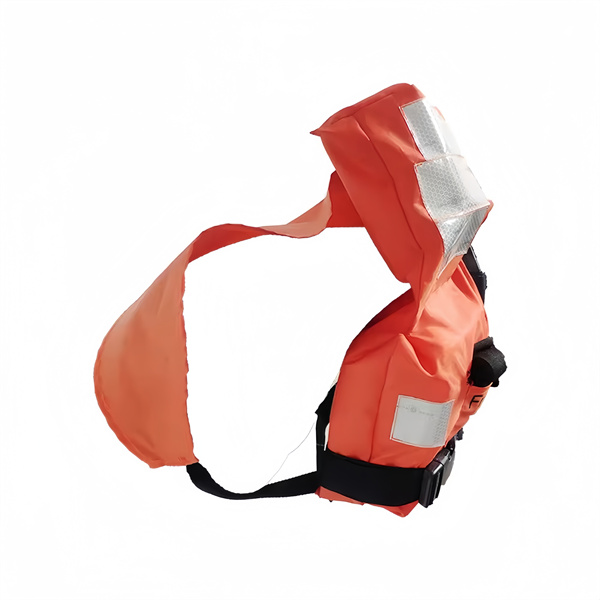
A good infant life jacket usually has a supportive collar or a headrest zone, and that part helps steady the baby’s head. It also gives extra flotation around the upper body, so the baby stays in a safer posture in the water and there is less chance of the infant’s face ending up under the surface, even for a moment.
4. Flotation Performance
Infant life jackets should give enough buoyancy for a baby’s smaller frame. The flotation material should be placed in a fairly even way, so the baby stays balanced in the water, and not tipped to one side.
The right amount of flotation help lets the baby stay up on the water without lots of jiggling or extra work. Caregivers should really choose a life jacket made specifically for infants, instead of using a kid or adult version because the bigger versions may not give the proper support.
5. Rescue Handle Design
A rescue handle is a key safety element on many infant life jackets. It sits on the back of the jacket, so parents or caregivers can lift the baby out of the water quickly when something goes wrong.
That handle needs to be sturdy, well fastened, and reachable by an adult without trouble. It adds another layer of protection while boating , swimming, or any other water-based activity.
6. Comfortable Materials
Comfort matters a lot since infants have sensitive skin and may need to wear a life jacket for a long while. Soft inner materials, smooth edges, lightweight construction, and breathable fabrics can help lower irritation and make things feel more pleasant. A comfortable life jacket also makes it easier for parents to keep the baby properly safe during water activities, and that part matters a lot even if the outing seems relaxed.
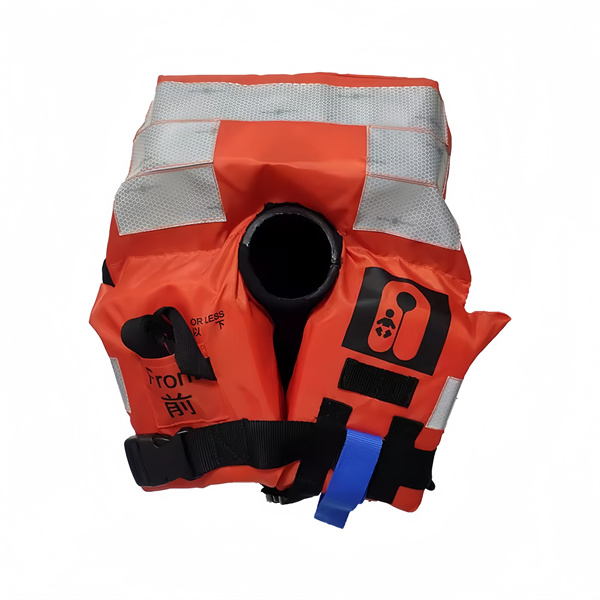
7. Bright Colors and Visibility
Visibility matters a lot especially for infants, because they cannot communicate or react in the right way during emergencies. Brightly colored life jackets make it easier for others to spot babies while they are in the water.
Colors like orange, yellow, and red are often used for safety gear because they stand out against most water backgrounds. Reflective surfaces can also increase visibility during low light conditions, or near dusk.
8. Safety Certification and Quality Standards
Parents should pick infant life jackets that meet recognized safety standards. A certified life jacket is checked and tested to confirm it gives proper flotation, solid construction, and dependable performance.
Checking safety labels and product details helps make sure that the picked life jacket is truly suitable for the baby’s weight and the use that is planned.
9. Ease of Use
An infant life jacket needs to be simple to slip on and adjust. More complex designs can make it easier to end up with the wrong fit, and that can lower overall safety. Sometimes straps get tangled, buckles are difficult, or the closure sits oddly, which is not what you want.
Look for features like easy-to-use buckles, adjustable straps, and firm closures. These small things help caregivers properly prepare the baby before entering the water. It becomes less of a struggle during a busy moment, and the fit stays stable.
10. Suitability for Water Activities
The kind of water activity also changes the choice of an infant life jacket. For boating, parents may want stronger flotation support, added head protection, and a snug fit. For supervised water play, a lightweight and comfortable design is often the better option, since long wear matters. In any case, infants should always wear a fitting life jacket when they are near water or when they are on the water.
11. Regular Inspection and Maintenance
Infant life jackets need a quick inspection before each time they are worn. Parents should look over the fabric, the straps, the buckles, the stitching, and also the flotation material, for any signs of wear or damage.
After using the jacket, especially after saltwater, rinse it with fresh clean water and dry it all the way before putting it away. Regular upkeep helps the jacket last longer and keeps it dependable when you need it.
Comparing Life Jackets for Adults, Children, and Infants
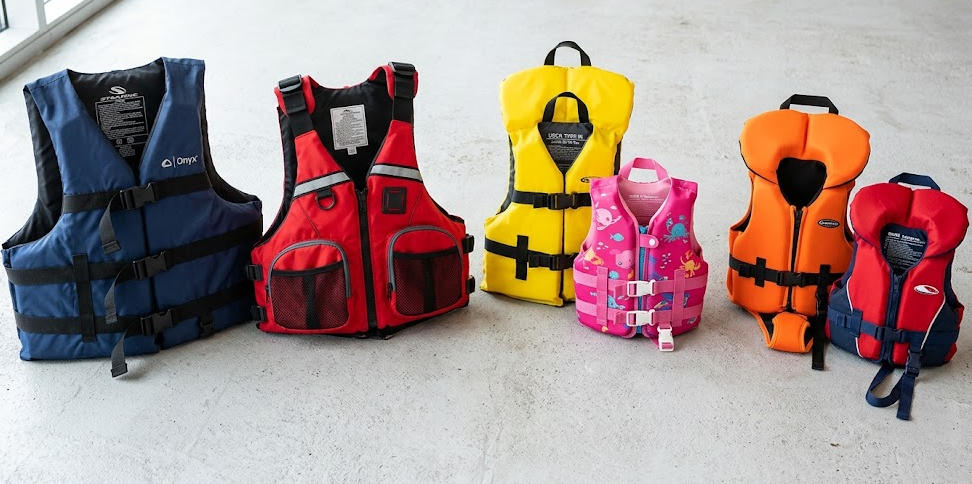
| User Group | Main Features | Important Considerations |
| Adults | Larger flotation capacity, adjustable fit, various styles | Choose based on activity, comfort, and weight |
| Children | Smaller sizes, secure straps, bright colors, rescue handles | Proper sizing and supervision are essential |
| Infants | Head support, crotch strap, extra stability | Must provide secure flotation and prevent face-down positions |
Common Mistakes When Choosing a Life Jacket
| Common Mistake | Why It Is a Problem | How to Avoid It |
| Buying a Jacket Based Only on Appearance | Attractive colors or designs do not guarantee proper safety performance | Prioritize fit, flotation ability, safety features, and certification over appearance |
| Selecting a Jacket for Future Growth | Oversized life jackets may not stay in the correct position, especially for children and infants | Choose a jacket that fits the user’s current size and replace it as they grow |
| Using an Adult Life Jacket for Children or Infants | Adult jackets are not designed to support smaller bodies and may not provide proper protection | Always choose age- and weight-appropriate life jackets designed for children or infants |
| Not Checking the Fit Before Use | A poorly fitted jacket may move out of position during an emergency | Test the fit by adjusting straps and ensuring the jacket stays secure during movement |
| Choosing Comfort Over Safety | A comfortable but unsuitable jacket may not provide enough flotation or protection | Balance comfort with proper safety performance and flotation requirements |
| Assuming a Life Jacket Replaces Supervision | A life jacket reduces risk but does not prevent all water-related accidents | Always supervise children and infants closely around water |
| Buying Without Checking Safety Standards | Uncertified products may not meet required flotation and safety performance levels | Choose life jackets that meet recognized safety standards and certifications |
Final Thoughts
Life jackets are basic safety gear, really, for anyone going out on the water. Adults, children, and infants need different designs to provide effective flotation and protection. Adult life jackets tend to prioritize comfort and mobility, plus performance that matches what you’re doing. Children’s and infant life jackets, meanwhile, lean harder on a secure fit, steady head support, and rescue-helpful features.
Selecting the right life jacket, getting the size right, and doing routine checks or upkeep can really lift overall water safety. No matter if it is a family boat outing, a quiet fishing adventure, or spending a day near the shore, wearing the proper life jacket is one of the simplest and most effective ways to protect lives.