
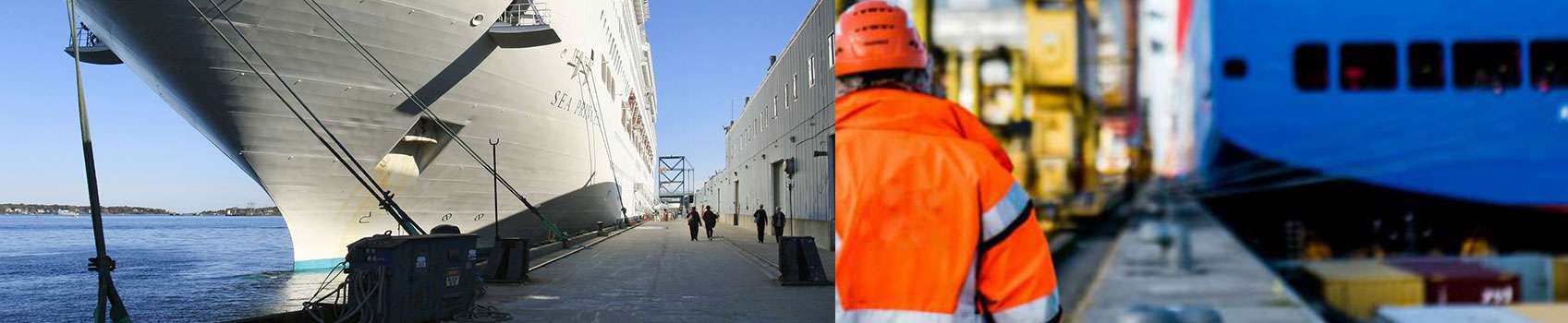
Types of Mooring Chocks: Choosing a Suitable One for Your Vessel
Mooring chocks are marine fittings used to steer and manage mooring lines between a ship and a pier, quay, or another vessel. They keep the rope in the right path, lower rubbing, help limit extra line wear, and support safer mooring work. You will find marine chocks on many vessel types, such as cargo ships, tankers, fishing boats, offshore support vessels, passenger ships, and other marine platforms.
Different types of mooring chocks are designed to for different needs. These needs can include how the rope must turn, how the deck is laid out, how much room is available for mounting, and what the vessel faces during service. When shipbuilders, marine engineers, ship owners, and buyers understand the basic shape and use of each model, they can pick a fit that matches the vessel.
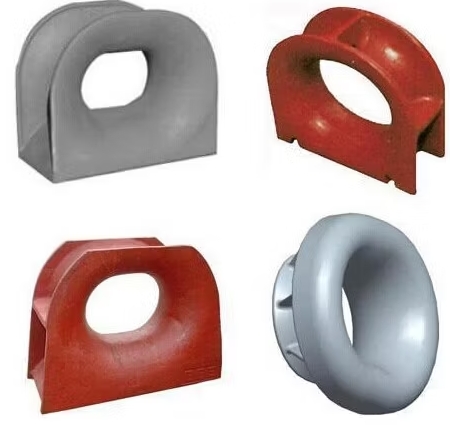
Table of Contents
Overview of Mooring Chocks
A mooring chock is a strong fitting set on a vessel deck, bulwark, or another approved structural spot. Its job is to give mooring ropes, wires, or synthetic lines a set route. From there, the lines can move on to bollards, winches, shore devices, or other mooring points.
Most mooring chock materials are marine-grade cast steel, cast iron, or other ones chosen for the needed strength, corrosion behavior, and expected conditions. The faces where the line touches are made to reduce scuffing and to avoid sharp edges that could damage rope.
The way a mooring chock is designed affects how the line slides, how it handles direction changes, and what loads it can take during work. So choosing the correct type matters for both safety and long service life.
Common Types of Mooring Chocks
1. Panama Chocks
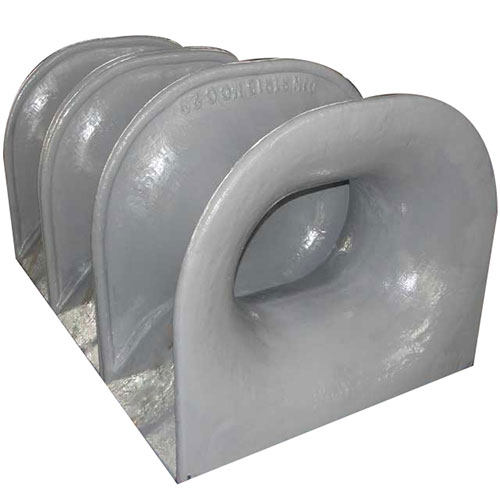
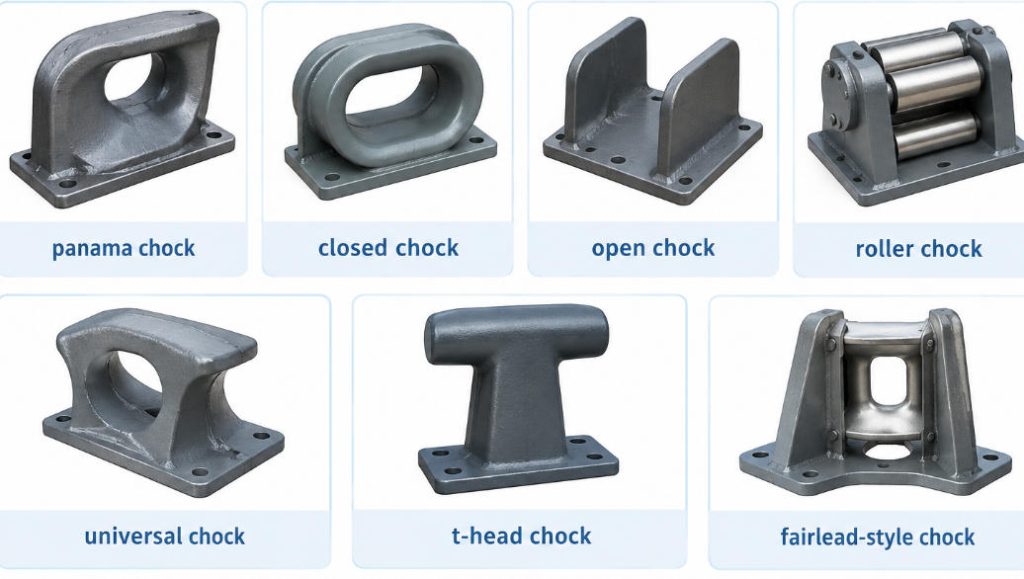
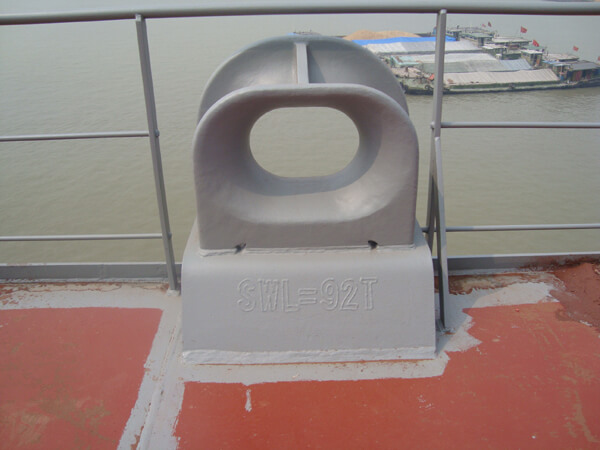
Panama chocks are heavy-duty mooring fittings. They are used on commercial vessels that handle large mooring lines and need steady control. You often see them on ships that work in busy ports and waterways where shore mooring gear is strong and frequent.
They usually have a thick, boxed opening. This opening guides the line while also lowering the chance that the line can jump out of the fitting. Their overall form and structure are built for tougher mooring jobs.
You will find Panama chocks on cargo ships, bulk carriers, tankers, and similar large vessels. The final choice for design details and load rating should match the rules that apply and the vessel’s planned operating setup.
2. Closed Chocks
Closed chocks have an opening that is fully covered. The mooring line passes through that enclosed space. This cover helps hold the line in place during normal mooring and lowers the risk of the line coming free if the line direction shifts.
These chocks are often fitted on ship bulwarks, deck edges, and other suitable mounting points. Because they are compact, they can also help route mooring lines in tight areas where space is limited.
Closed chocks work well on many commercial vessels and on boats that see heavy service. For a proper selection, buyers should look at the mouth size, rope size, the surface texture where the rope sits, how the unit is fixed in place, and the working load limits.
3. Open Chocks
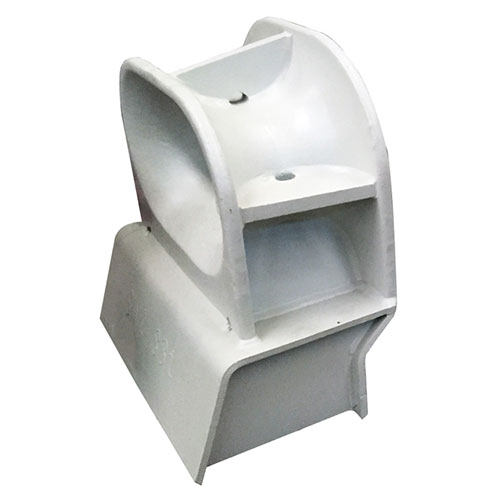
Open chocks have a gap on one side. That setup lets crews place mooring lines into the chock or take them back out without feeding the full line through a closed opening. In day to day use, that can matter when crews change lines often or adjust them quickly.
Because the sides are open, the way the rope stays put relies more on the chock shape and on how the rope sits in the fitting. Rope direction, plus real operating conditions, also plays a big role in how well the line stays in place.
These chocks show up on some workboats, fishing boats, and other vessels where quick line handling matters. They should be fitted and used as the maker states, so the rope has less chance to slip out when the load is on.
4. Roller Chocks
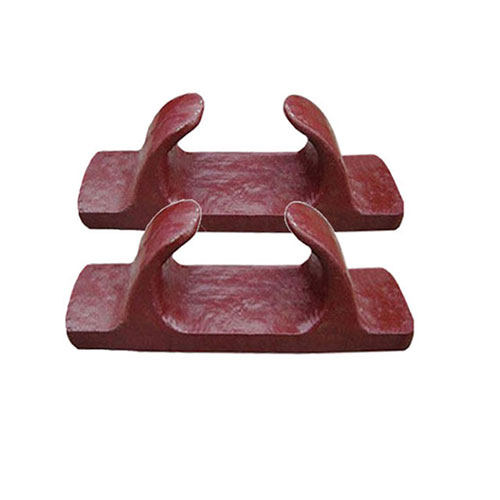
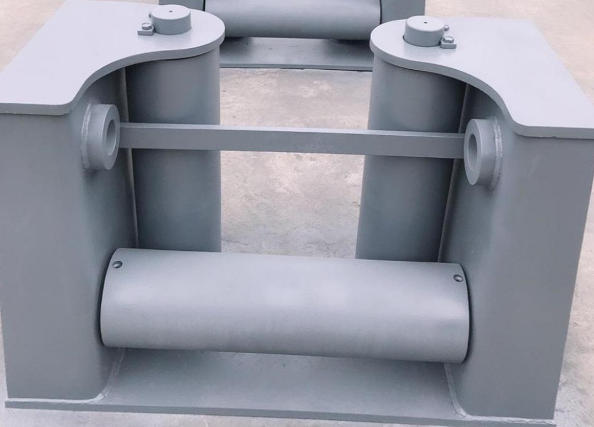
Roller chocks use one or more rollers that turn as the rope moves. The rollers guide the mooring line and cut down sliding friction. With a fixed chock, the contact stays still. With a roller type, the contact surface moves, so the rope can pay out, be hauled in, or be shifted during routine adjustments.
This can lower wear on the rope and help reduce heat buildup, especially when lines pass through the fitting again and again. In cases where a mooring plan makes the rope change direction, roller chocks can also make line handling easier.
They fit best where a vessel sees repeated line motion or where rope work puts high demands on the fitting. Buyers should check the roller material, the bearing setup, how the rollers are protected from corrosion, upkeep needs, and whether the rollers match the rope type that will be used.
5. Universal Chocks
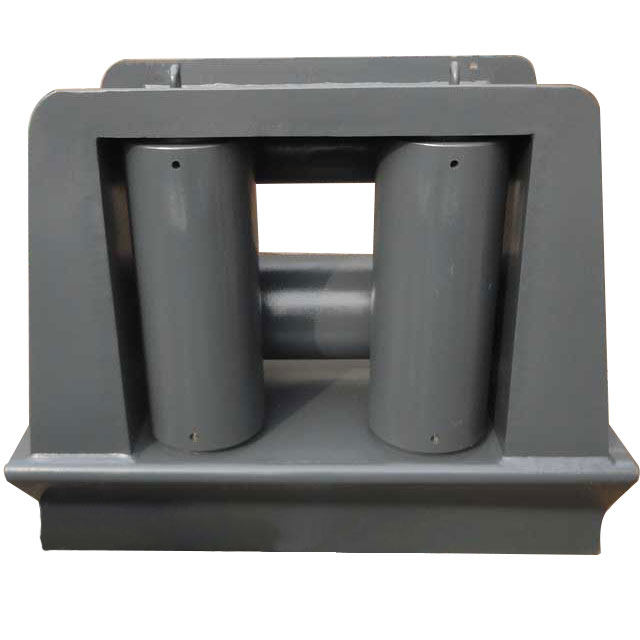
Universal chocks are made to guide mooring lines in more than one direction and for different fitting layouts. The goal is to cover several common operating needs without needing a separate chock for every position on deck.
Depending on the model, a universal chock may offer a wider contact area. It may also provide a rope path that supports normal handling in more than one direction, not just one fixed route.
These chocks may be used on general commercial ships, service craft, and other marine setups. Still, the word “universal” does not mean it fits every load case or every rope layout. You must verify real performance using the product papers and the approved design documents.
6. T-Head Chocks
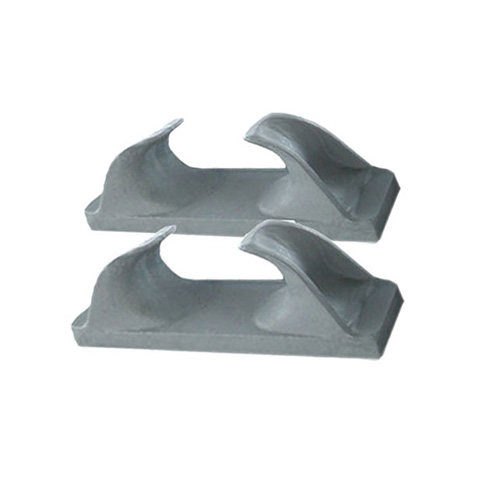
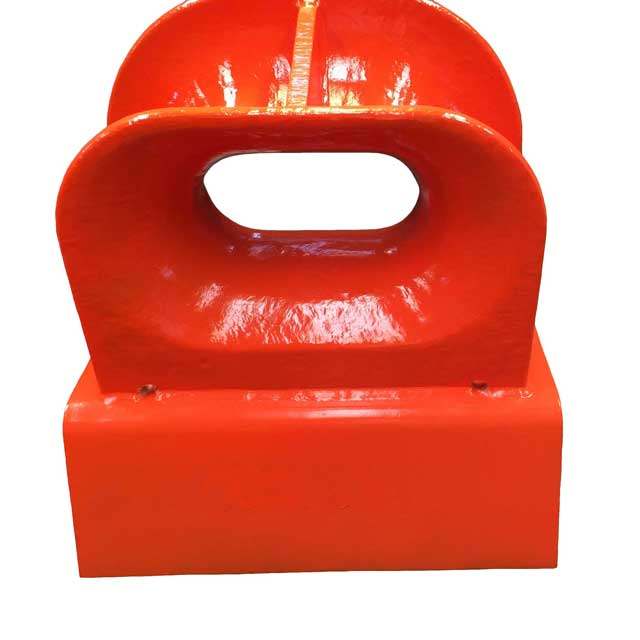
T-head chocks have a T-shaped profile. This shape is meant to guide mooring lines in a specific way. Based on how the product is built, the profile can support set rope routing needs and help keep lines organized near deck or bulwark areas.
These fittings can work on vessels that use mooring layouts where standard enclosed or open chocks do not fit the desired setup.
The exact role of a T-head chock can change from one maker to another, and it also depends on the model. Before buying, vessel operators should check where the rope will run, which loading directions are allowed, what the mounting needs are, and whether the unit matches the vessel mooring plan.

7. Fairlead-Style Chocks
Fairlead-style chocks are designed to steer mooring lines on a set route. This route runs from the vessel mooring point to the dock or to another tie-in point. “Fairlead” is a wider term for rope-guiding gear. In some cases, fairleads perform like mooring chocks.
These fittings aim to keep the line in line and to limit rubbing against sharp edges. Some designs use smooth fixed faces. Others use rollers so the line can move more freely.
Fairlead-style fittings are often chosen when a deck layout is busy or when mooring lines must pass near structural parts. The fitting you choose must line up with the rope path you plan and with the loads that will reach the support structure.
A Comparison Between Mooring Chock Types
| Mooring Chock Type | Design Features | Main Advantages | Limitations | Common Applications |
| Panama Chock | Heavy-duty enclosed rope passage | Robust construction; suitable for demanding mooring arrangements | Requires appropriate installation space and load verification | Cargo ships, tankers, bulk carriers |
| Closed Chock | Fully enclosed opening | Helps prevent lines from slipping out; simple construction | Rope must be threaded through the opening | Commercial ships, workboats |
| Open Chock | Open-sided design | Easy rope placement and removal | Greater risk of line disengagement if incorrectly positioned or used | Fishing vessels, selected workboats |
| Roller Chock | One or more rotating rollers | Reduces sliding friction and rope abrasion | Moving parts require inspection and maintenance | Offshore vessels, ships with frequent line movement |
| Universal Chock | Versatile rope-guiding geometry | Adaptable to various suitable line arrangements | Suitability depends on the specific design and loading direction | General-purpose marine vessels |
| T-Head Chock | Specialized T-shaped profile | Supports specific rope-routing requirements | Application depends on product geometry and intended function | Specialized marine installations |
| Fairlead-Style Chocks | Fixed or rolling rope-guiding surfaces | Helps control rope alignment and routing | Design and load capacity vary considerably | Vessels with complex mooring layouts |
Key Factors to Consider for Choosing the Right Mooring Chock
Choosing the appropriate mooring chock involves more than comparing shapes or prices. The fitting must suit the vessel’s design, mooring procedures, environmental conditions, and expected loading.
1. Vessel Type and Operating Conditions
Vessels do not all moor in the same way. Big cargo vessels and tankers often need stronger, heavier fittings. Small workboats may do better with a smaller footprint and simple line handling.
Where the vessel works also changes the choice. If the ship often faces rough weather, frequent berthing, or offshore use, the chock may need to handle high forces. It may also need extra resistance to corrosion.
2. Rope Diameter and Material
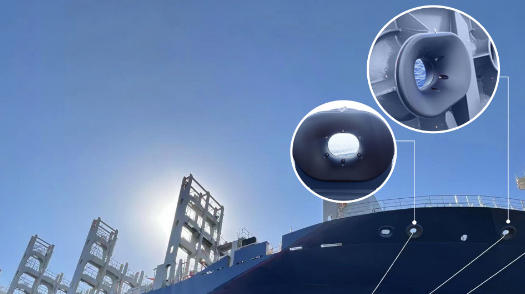
Mooring lines may be nylon, polyester, polypropylene, or wire. Each type behaves differently when the line moves. Some stretch more, some resist abrasion better, and some hold shape with less change.
Make sure the chock matches the rope diameter. Too tight a fit can pinch or force the line to bend more than planned. The contact areas should stay smooth, so wear stays limited during normal work.
3. Load Capacity and Structural Strength
A mooring chock must be able to take the forces that will act on it. Check the stated load limits, the design data, and any certification that applies to your case.
Do not ignore the deck parts around it. Deck plates, bulwarks, welds, and the bolts or fasteners must pass those loads safely. Good installation is needed to reach the performance that the rating assumes.
4. Material and Corrosion Resistance
Marine gear lives with saltwater, moisture, and changing temperatures. What the chock is made of, plus any protective treatment, affects how long it lasts.
Depending on the job, makers may supply cast steel, other steel forms, or other materials for specific conditions. When comparing options, look at corrosion steps, how inspections should be done, and likely upkeep cost, not only the purchase price.
5. Installation Space and Maintenance
Deck layout matters. The space available and the rope route will guide the design you can use. A compact closed chock may work well in one spot. A roller style can be easier where lines shift often.
Think about maintenance too. Roller chocks need checks on the moving parts. Fixed chocks should be inspected for cracks, corrosion, bending or deformation, and surface wear.
6. Standards and Certification
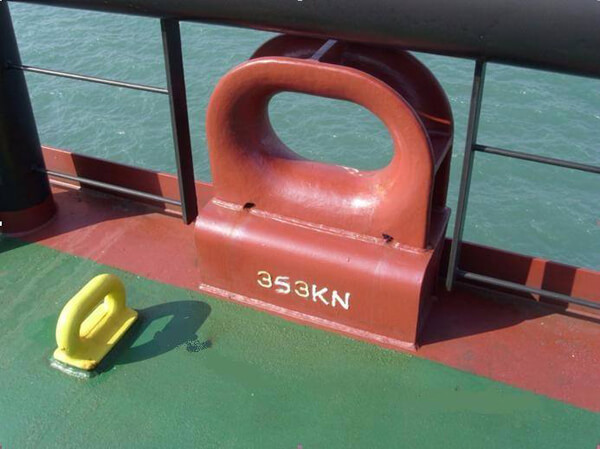
Some vessels and projects demand compliance with set marine rules. This can include classification body requirements or other approved engineering standards.
Before you order, confirm the needed design details, material grade, key dimensions, load rating, and the inspection and certification files. Choose the chock for the vessel’s approved mooring setup, not for looks alone.
Summary
Mooring chocks come in various types, and each one is used for a reason in a mooring setup.
- Panama chocks and closed chocks give a covered route for the rope.
- Open chocks make it easier to set the line in place.
- Roller chocks use rollers to cut down friction when the rope moves.
- Universal chocks, T-head designs, and fairlead-style fittings address other rope-guiding and installation requirements.
Choosing the right one depends on the vessel type, rope material and diameter, expected loading, installation location, maintenance needs, and applicable marine requirements.
When these factors are considered closely, shipowners, shipbuilders, and marine equipment buyers can choose marine mooring chocks that support safe line handling, reliable operation and long-term performance.