Types of Deck Machinery: How to Make the Proper Choice
The safety and operational effectiveness of marine operations depends on deck machinery which performs essential tasks for mooring, anchoring, cargo handling and maintenance work. The article presents an examination of main types of deck machinery which display distinct operational characteristics and functionalities and their selection criteria which guide decision-making procedures.
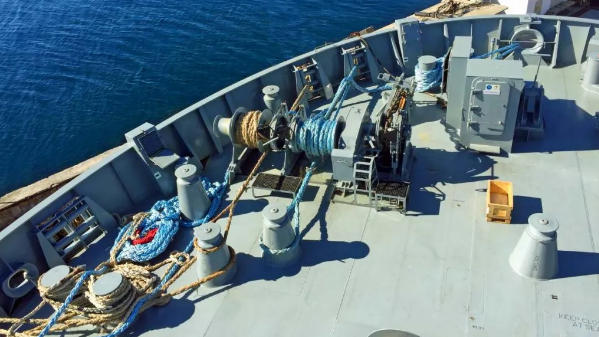
Table of Contents
What is Deck Machinery
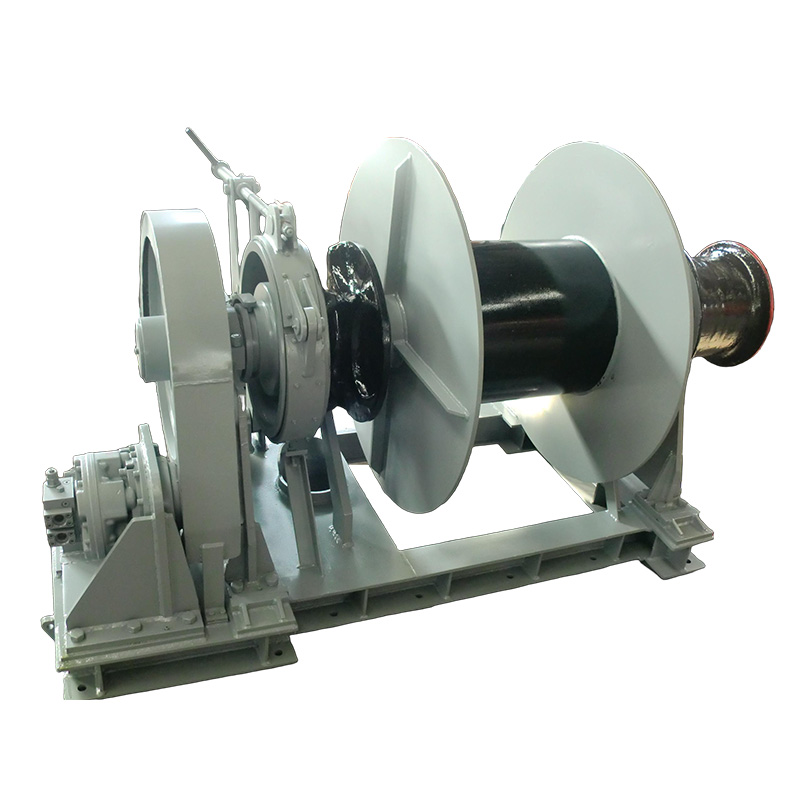
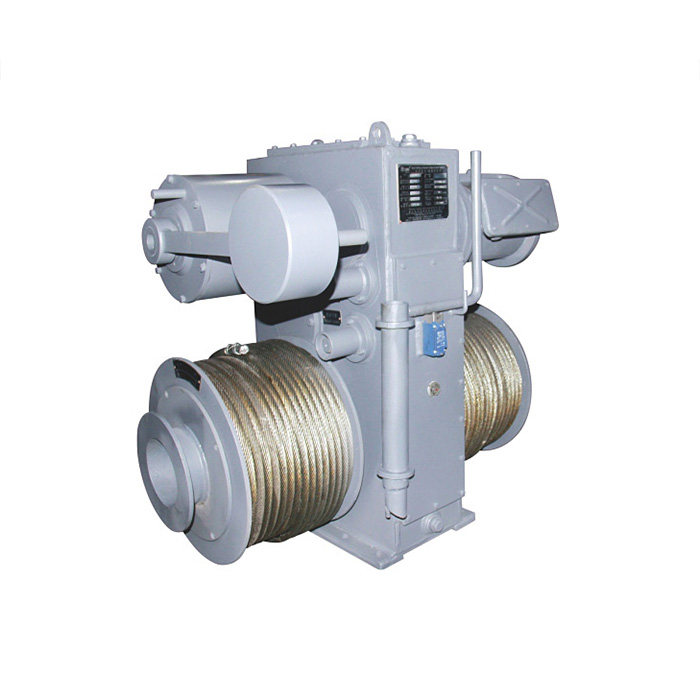
Deck machinery refers to a broad category of mechanical equipment installed on the deck of a ship. These machines exist to support multiple shipboard operations which include both anchor securing and heavy load movement. The various types of machinery which include winches and cranes and capstans and other devices enable the ship to perform its operations in a seamless and effective manner.
Main Types of Deck Machinery
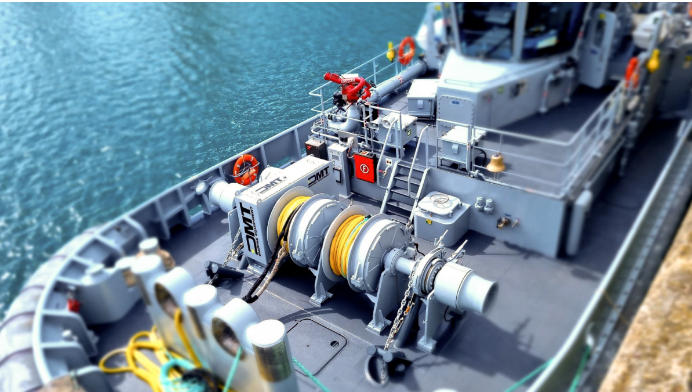
This chart provides an overview of the key types of deck machinery, together with their primary purpose, main components and the power sources used.
| Types of Deck Machinery | Function | Power Source | Main Components |
| Anchor Windlass | Used to raise, lower, and securely hold anchors during anchoring operations. It controls anchor chain movement, maintains safe deployment speed, and ensures stable vessel positioning at anchor. | Electric, hydraulic, electro-hydraulic | Gypsy wheel, warping head, brake, chain stopper, gearbox, motor |
| Mooring Winch | Designed to pull in, pay out, and maintain tension on mooring ropes or wires when docking or undocking. It helps keep the vessel safely secured alongside piers or offshore terminals. | Electric, hydraulic, electro-hydraulic | Drum, brake, gearbox, motor, tension controller, control panel |
| Cargo Winch | Used for lifting, lowering, and positioning cargo loads during loading and unloading operations. It improves cargo transfer efficiency where dedicated cranes are unavailable. | Electric, hydraulic | Wire drum, brake, gearbox, motor, hook, control lever |
| Deck Crane | Provides lifting and transfer of containers, provisions, spare parts, and heavy equipment between ship, dock, or offshore platforms. It supports self-loading and flexible cargo handling. | Hydraulic, electric, diesel-hydraulic | Boom, hook, slewing ring, hydraulic cylinders, hoist winch, operator cabin |
| Capstan | Used to pull, heave, and tension ropes, lines, or chains during mooring and towing support tasks. Its vertical design saves deck space while allowing controlled line handling. | Electric, hydraulic | Vertical drum, gearbox, motor, brake, foundation base |
| Tugger Winch | Used for dragging, pulling, and repositioning pipes, hoses, tools, or heavy materials across deck working areas. Common in offshore and construction support operations. | Hydraulic, electric | Drum, wire rope, motor, brake, guide rollers |
| Tow Winch | Controls towing wires under constant load when towing barges, ships, or offshore structures. It maintains safe line tension and allows controlled release or retrieval during towing. | Hydraulic, diesel-hydraulic, electric | Large drum, tow wire, brake, tension monitor, spooling device |
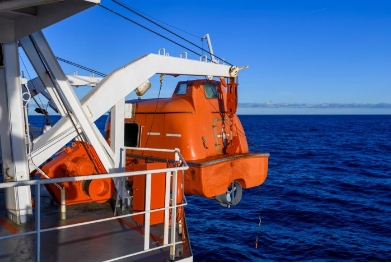
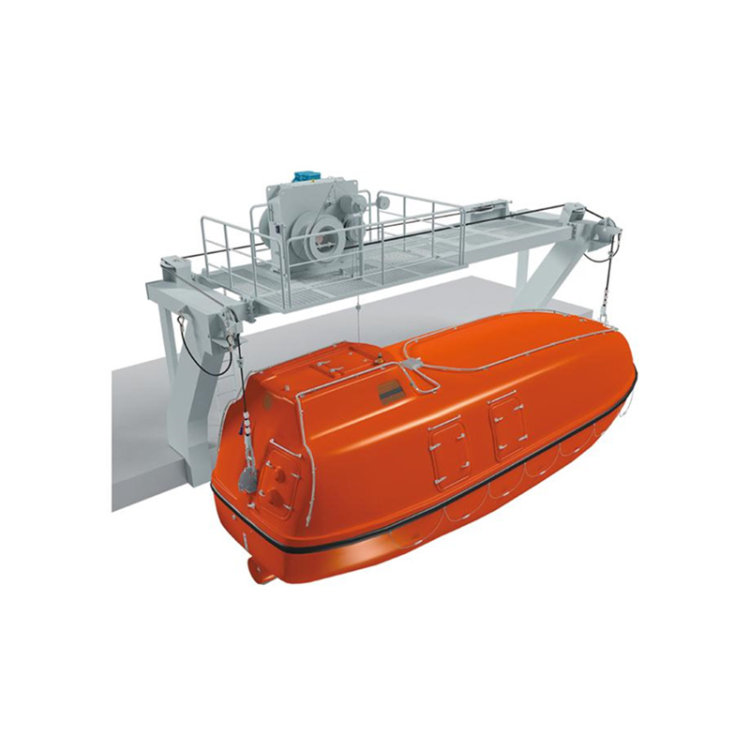
| Lifeboat Davit | Used to launch and recover lifeboats or rescue boats quickly during emergencies or drills. It ensures safe evacuation and reliable boat handling under marine safety regulations. | Hydraulic, electric, gravity-assisted | Davit arms, winch drum, pulley, brake, release hook, control unit |
| Boat Winch | Launches and retrieves rescue boats, workboats, or service boats in daily operations or emergencies. It enables safer handling in changing sea conditions. | Hydraulic, electric | Drum, wire rope, brake, motor, davit connection |
| Hatch Cover System | Opens and closes cargo hold hatch covers to provide access for cargo loading while protecting cargo spaces from weather, seawater, and contamination. | Hydraulic, electric | Hydraulic cylinders, rails, wheels, chains, motor, control valves |
| Reel Winch | Used to store, deploy, and recover long cables, hoses, ropes, or umbilicals in an organized manner. It prevents tangling and supports offshore subsea operations. | Hydraulic, electric | Reel drum, level winder, drive motor, brake, frame |
| Hydraulic Power Unit (HPU) | Supplies pressurized hydraulic fluid to power multiple deck machines such as cranes, winches, davits, and hatch covers. It centralizes energy delivery for efficient operation. | Electric motor-driven, diesel-driven | Hydraulic pump, reservoir tank, valves, filters, motor, piping |
| Provision Crane | Used for lifting food supplies, spare parts, tools, and ship stores from quay or supply boats onto the vessel quickly and safely. | Hydraulic, electric | Boom, hoist wire, hook, slewing base, motor, controls |
| Gangway Winch | Raises, lowers, and adjusts gangways to provide safe boarding access for crew, passengers, or visitors as vessel height changes with tides or cargo load. | Electric, hydraulic | Drum, wire rope, brake, gearbox, motor, control switch |
| A-Frame Winch | Used for launching, recovering, and controlling subsea tools, ROVs, sonar systems, or scientific equipment from the stern during offshore and research missions. | Hydraulic, electric | A-frame structure, winch drum, hydraulic cylinders, sheaves, control panel |
Key Considerations for Selecting the Right Deck Machinery
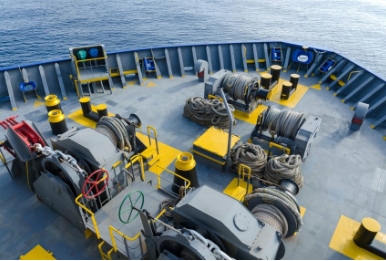
Several factors should be taken in the proper selection of deck machinery. The selection is not merely limited to choosing the most powerful or sophisticated technology; the deck machinery selected also acts in accordance with the necessities of the vessel and the tasks it is designed to perform.
1. Operational Requirements and Vessel Type
The first and foremost consideration when selecting deck machinery is the operational requirements of the vessel.
This chart offers the operational needs based on vessel types and suggests the appropriate deck machinery to meet those needs effectively.
| Vessel Type | Operational Requirements | Recommended Deck Machinery |
| Cargo Ships | Frequent loading/unloading, handling heavy cargo, containerization. | Deck cranes, cargo winches, mooring winches, capstans. |
| Oil Tankers | Deepwater anchoring, secure cargo handling, stable mooring during rough seas. | Anchor windlasses, mooring winches, tugger winches, capstans. |
| Passenger Vessels | Safe boarding and disembarking, emergency evacuation, cargo handling. | Lifeboat davits, mooring winches, deck cranes, capstans. |
| Offshore Vessels | Heavy lifting, equipment handling, dynamic positioning. | Heavy-duty winches, deck cranes, tugger winches, hydraulic power packs. |
| Bulk Carriers | Transporting bulk materials, regular loading/unloading, mooring. | Deck cranes, cargo winches, mooring winches, anchor windlasses. |
| Container Ships | Efficient container handling, secure anchoring, and precise cargo loading. | Deck cranes, cargo winches, anchor windlasses, mooring winches. |
| Fishing Vessels | Handling fishing nets, secure mooring, and anchoring in coastal areas. | Capstans, anchor windlasses, cargo winches, hydraulic systems. |
| Specialized Research Vessels | Safe mooring in remote locations, research equipment handling, crew safety during emergencies. | Anchor windlasses, mooring winches, deck cranes, lifeboat davits. |
2. Machinery Durability and Reliability
Durability and reliability, as fundamental attributes for deck machinery, put them in the limelight with external factors such as harsh weather, heavy loadings, and continuous operations. The machinery selected and appointed must demonstrate ruggedness against the hostile marine environment, resistant towards saltwater, high humidity, and temperature extreme, running long way down for the machinery to get into constant breakdowns. It will be good to choose the machinery from trusted manufacturers known for durable high-quality products.
Moreover, reliability encompasses the frequency of machine use. Due to failure, the machinery causes costly delays or risks in the critical operations, such as mooring (high-risk hazards during change) or cargo handling. Equipment known for its reliability in such demanding marine environments is, therefore, a pull.
3. Safety Features and Compliance
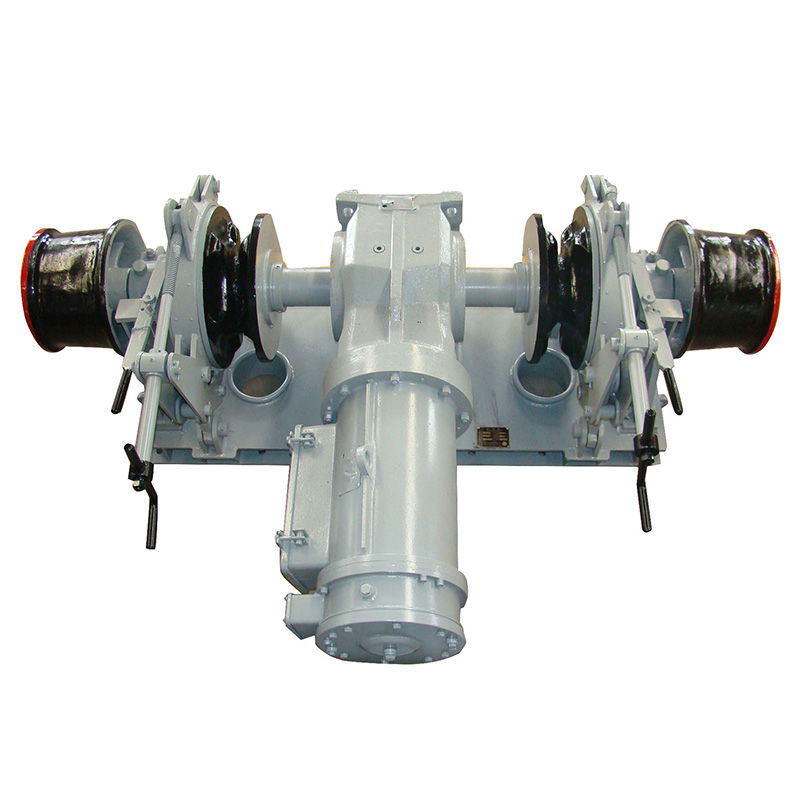
When it comes to selecting deck machinery, safety becomes a priority as the choice affects the crew’s safety as well as the operational security of the ship. These machines must comply with the international safety norms reframed by the International Maritime Organization, have installed safeguards – overload protection, emergency kill switch; protection against mooring line twisting occurs. Moreover, operation of machinery should be easy and mechanisms should be in place to reduce human error. Adding use of technology such as automation, remote control and monitoring systems that can alert operators to potential problems enhances the safety of deck machinery.
4. Power Source and Energy Efficiency
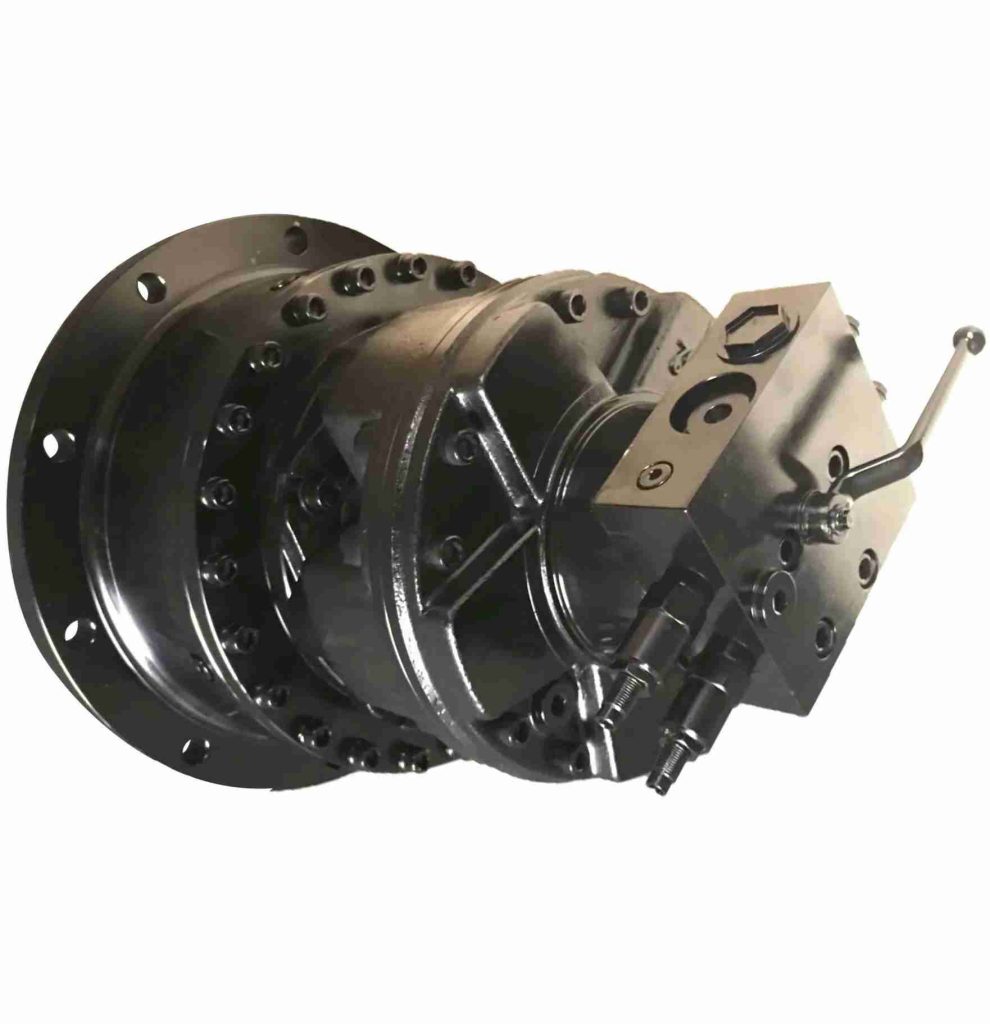
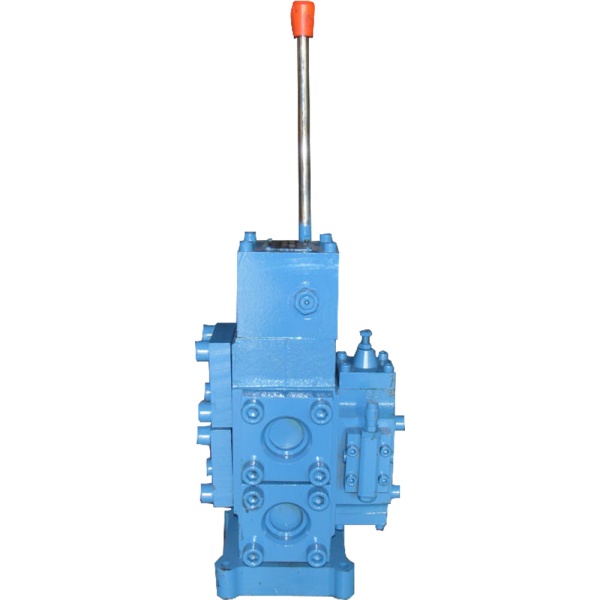
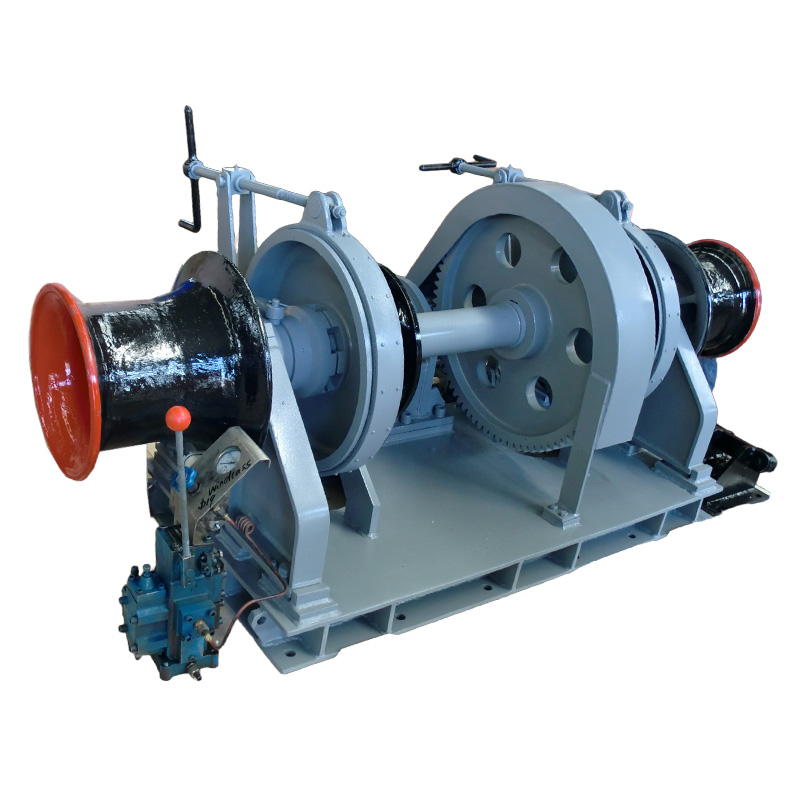
Another important consideration is the kind of power source machinery uses. Deck machinery may work on hydraulic, electric, or pneumatic power, with an array of merits and demerits for each source of power. Hydraulic systems are preferred and used by deck machinery for their brute strength, but they need a fine-level maintenance regime toward their end. Electrical systems turn out to be less energy-efficient but cleaner.
Energy buses have become increasingly essential to have, in order to give up operational costs and ardently meet environmental regulations. Machine selection is gradually making its way toward more sustainable methods, with a choice for those who will minimize fuel consumption and maximize power efficiency, thus reducing the environmental damage done by the operation of the vessel.
5. Maintenance and Serviceability
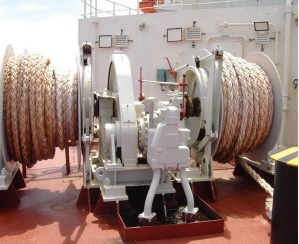
When selecting equipment, the ease of maintenance and availability of service support are of great importance. Proper maintenance of deck machinery or repair-friendly machinery could certainly reduce any unproductive hours and the costs associated with them. It would be a smart move to select equipment based on an excellent warranty policy and an access to an inventory of spare parts.
Also consider if the manufacturer or supplier will provide after-sales services, perhaps training crew members or repairing the machinery. Especially for the specialized items–like winches or cranes, which have specific requirements, having a support team that understands the system shall only make troubleshooting and repairs quicker and more efficient.
6. Integration with Other Systems
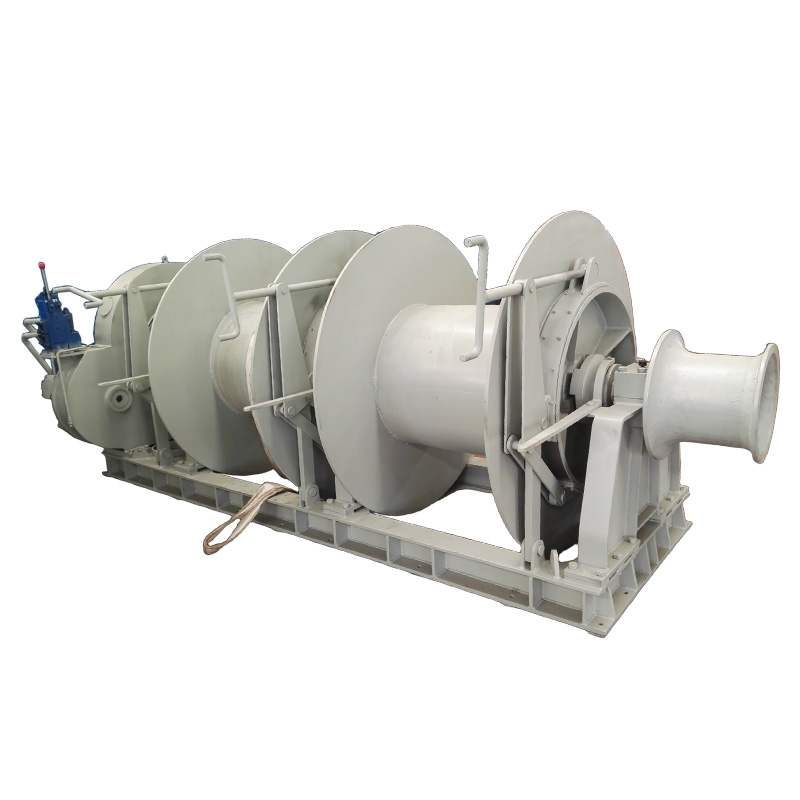
Modern deck machinery must necessarily be integrated into other ship systems, such as navigation, communication, and cargo management systems. It is important to select deck machinery that is compatible with the existing ship infrastructure. For example, equipment with automated control capabilities must be integrated into the vessel central control system in such a manner that it is accessed from single interface by operators monitoring and potentially controlling many systems. This can maximize operational efficiency, minimize human error, and facilitate predictive maintenance certification by means of data monitoring.
7. Cost Considerations
Budget always does play some role. Although safety and durability of deck machinery are critical, the budget under which the machines may be acquired for the laid-down purposes also plays a role in decision-making. Decision-makers must bear in mind the wise judgment of the total cost of ownership, considering not just the initial outlay but also the costs of operation or maintenance in the long term. Quite often, it is worth paying the high upfront price for a machine that offers high energy efficiency or minimal maintenance, hence costing less in the long run. However, buying lesser-cost machinery may well translate into higher operating costs and escalating repair and maintenance issues. Thereby, before concluding any machinery, it is very critical to carry out a careful cost-benefit analysis to ascertain that the chosen machinery is powerful and is well adapted for sufficient economic value over time.
Final Thoughts
A deck machinery is considered to be the linking component for various processes in vessels, involving mooring, anchoring, cargo handling, and emergency operations. Choosing the right deck machinery is full of complexities and every selection involves painstaking consideration of the vessel’s operational needs, machinery durability and reliability, equipment safety features, power source, energy efficiency, compatibility with the other ship systems, etc. Efficiency, safety, and longevity can be achieved through deck machinery that fits perfectly with the vessel and thus minimizes the operational cost and downtime.