

Steel vs. Composite Mooring Bollards: How to Make a Choice
As the demands of the shipping and marine industry to advance, selecting the right type of marine mooring bollard has become pretty essential. Steel and composite mooring bollards are two common options, each with its own advantages, and also a few hurdles, you can say. If you know the differences, port authorities, shipyards, and marine engineers can make steadier decisions.

Table of Contents
Understanding Steel Mooring Bollards
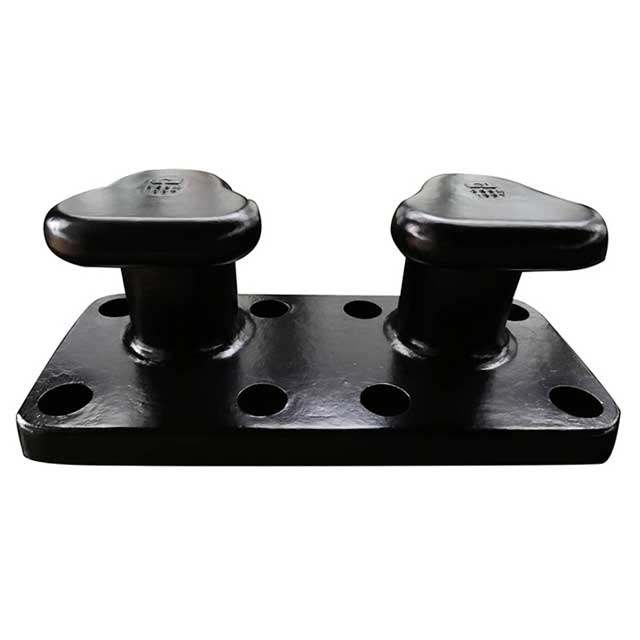
Steel mooring bollards are the traditional choice for keeping vessels secure at docks, ports, and terminals. They are typically include cast steel bollards and stainless steel bollards. They are built to manage harsh loads from large ships, plus heavy-duty port work. Their solid build, and the fact they have a history of performing well, make them a kind of foundation for modern maritime setups.
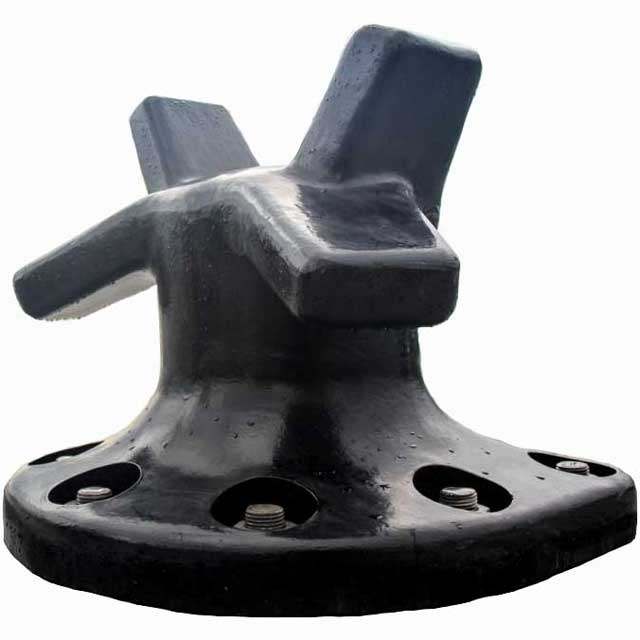
Advantages
- Exceptional Load-Bearing Capacity: Steel mooring bollards can tolerate quite high tensile forces, so they fit large vessels such as cargo ships, tankers and cruise liners.
- Durability Under Stress: Steel can deal with repeated dynamic loads brought on by waves, tides , and wind. This keeps things reliable even when conditions get really extreme.
- Long Service Life with Proper Maintenance: With the right upkeep and coating, steel mooring bollards can last for decades, which makes them a fairly cost effective choice over the years. you just have to stay on top of it, otherwise the benefit slips away.
- Wide Availability and Proven Technology: Steel mooring bollards are widely manufactured and standardized, making them easy to source and replace.
- Versatility in Design and Size: Steel can be fabricated into many shapes, from simple forms to more specific configurations, so it can fit particular port or dock needs.
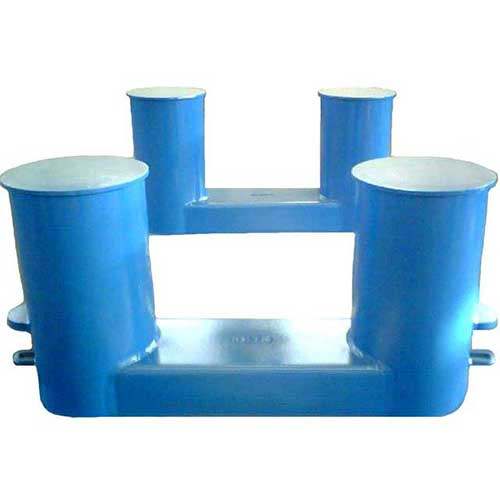
Limitations
- Susceptibility to Corrosion: Corrosion risk is real. Even with protective coatings , steel can still start to rust in rough marine surroundings, especially when maintenance spacing stretches out.
- Heavy Weight: Also, steel bollards tend to be heavy. That means you usually need dedicated equipment and extra labor for installation and any retrofitting later.
- Maintenance Requirements: There is also the upkeep side: periodic checks, repainting, and anti-corrosion treatments are necessary so structural integrity does not quietly decline.
- Impact on Mooring Lines: The stiffness of steel faces can increase wear on the ropes and mooring lines, so the lifespan can come down.
- Cost of Maintenance: Even if the starting price is moderate, ongoing upkeep can build up to a notable long-term expense.
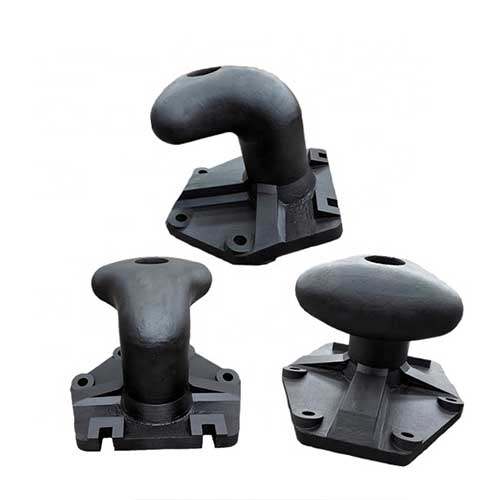
Understanding Composite Mooring Bollards
Composite mooring bollards have turned into a modern alternative to the traditional steel bollards, often built from fiberglass reinforced polymers, high performance plastics, or other advanced composite materials. People are using them more and more in ports, and marinas, especially where corrosion resistance matters, installation should be quick, and maintenance, well, cannot become a constant issue.
Advantages
- Corrosion Resistance: Composites stay naturally resistant against saltwater, UV exposure, and many chemical agents. Unlike steel, they do not rust, which cuts down on upkeep tasks and related costs , a lot.
- Lightweight and Easy to Install: These composite bollards are much lighter than steel, so they are easier to move, position, and install. This helps a lot when someone is retrofitting older docks, or setting up temporary mooring solutions.
- Reduced Rope Wear: The surface of composite bollards can be a bit more flexible, which is gentler on mooring lines. As a result ropes often last longer, and day to day operational hazards can be reduced.
- Low Maintenance Requirements: Because they have a natural resistance to corrosion and general environmental wear, composite bollards need less frequent checking, and the upkeep is mostly lighter than with other options.
- Flexibility in Design: Composite materials can be formed into different shapes and sizes, so designers can create bollards tailored to specific harbor, port, or marina needs, and not just a single standard profile.
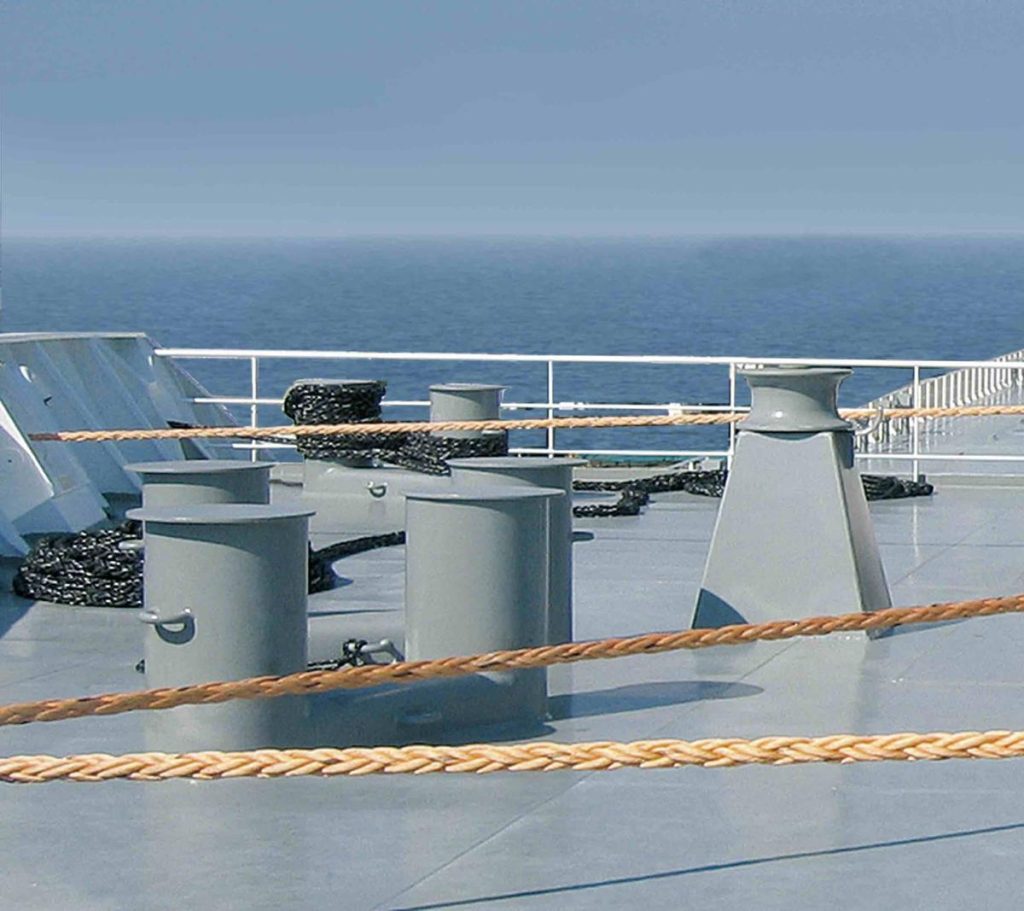
Limitations
- Lower Load-Bearing Capacity: In practice, composite bollards usually cannot reach the tensile strength of steel, so they tend to be less ideal for huge vessels or really heavy-duty operations in busy terminals.
- Higher Initial Cost: The fabrication and raw material expenses for composite bollards can be higher than for steel, even though the reduced maintenance can balance that out over time, depending on the situation.
- Potential for Material Deformation: When they face extreme forces, or repeated impacts, composites may deform more readily than steel, and that can affect mooring security if the design isn’t tuned properly in advance.
- Limited Historical Data: Compared with steel, composites have a shorter proven history in marine conditions. As a result, the long-term performance dataset is still being built, and real-world records are gradually increasing.
- UV and Abrasion Considerations: Even though it is highly resistant to corrosion, prolonged UV sunlight and abrasive contact may, after a while cause surface wear, over time, even if advanced resins help to reduce that kind of wear, or dulling, depending on conditions.
Key Differences Between Steel and Composite Mooring Bollards
| Aspect | Steel Mooring Bollards | Composite Mooring Bollards |
| Material | Carbon steel or stainless steel | Fiberglass-reinforced polymers, high-performance plastics |
| Load-Bearing Capacity | Very high – suitable for large ships and heavy-duty operations | Moderate – suitable for small to medium vessels or lighter-duty operations |
| Durability | Long-lasting with proper maintenance; strong under stress | Resistant to corrosion, UV, and chemical exposure; generally durable |
| Corrosion Resistance | Requires protective coatings; prone to rust if coating fails | Inherently corrosion-resistant; minimal maintenance needed |
| Weight | Heavy; requires more effort and equipment to install | Lightweight; easier to handle and install |
| Maintenance Requirements | High – periodic inspection and anti-corrosion treatment needed | Low – minimal maintenance required |
| Impact on Mooring Lines | Can cause higher rope wear due to stiffness | Gentler on ropes; reduces rope wear |
| Installation Flexibility | Less flexible; often requires heavy-duty infrastructure | More flexible; suitable for retrofits and variable designs |
| Cost | Moderate initial cost; long-term maintenance adds to cost | Higher initial cost; lower maintenance can offset over time |
Key Factors to Consider for Choosing Between Steel and Composite Mooring Bollards
Choosing the right marine mooring bollard directly impacts safety durability, and how efficient vessel mooring operations feel in practice. If you want to make a solid choice between steel and composite mooring bollards, it helps to understand which factors will steer their performance.
1. Load Bearing Capacity
One of the most important considerations is the load-bearing capacity of mooring bollards required for the vessels. Steel bollards are known for exceptional strength, they can take very high tensile forces, so they are a strong fit for large cargo ships, tankers, and cruise liners. Composite bollards, while still robust, usually offer moderate load-bearing capacity and tend to work better for small to medium-sized vessels, or for lighter port activities. Looking at the kinds of vessels and their sizes is critical, so the mooring stays safe and well secured.
2. Environmental Conditions
The marine environment can be pretty harsh, and how materials perform in those conditions is one of the main things that matters. Steel is prone to corrosion, especially in saltwater, or when it sits in chemically aggressive surroundings, it also tends to need regular maintenance in order to keep its structural integrity. Composite bollards, built from corrosion- resistant materials like fiberglass reinforced polymers, handle saltwater fairly well, tolerate UV exposure, and resist chemical damage with minimal upkeep. So, in places where corrosion is high, facilities often benefit from durability combined with low upkeep that comes with composites.
3. Maintenance and Longevity
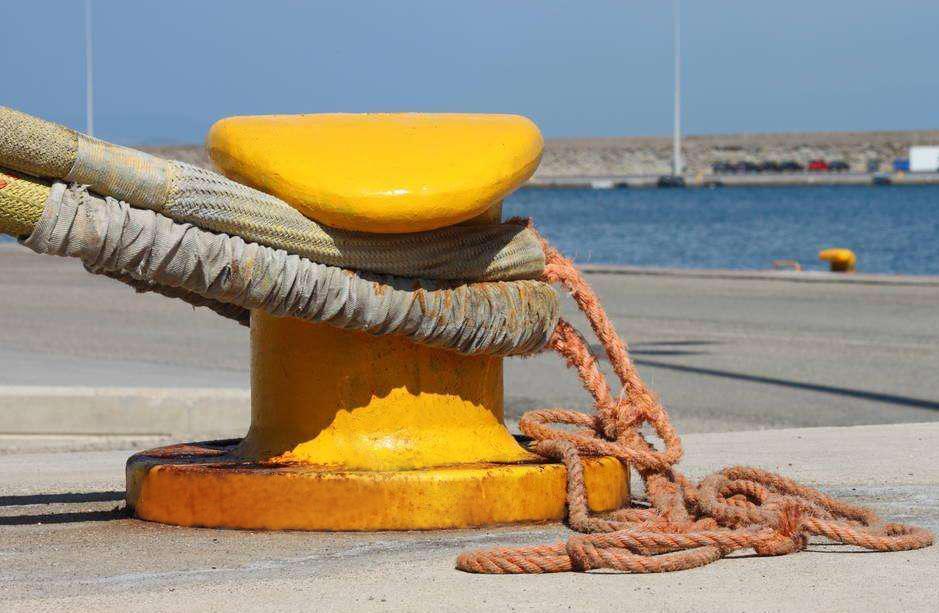
Maintenance requirements are a major factor in long-term operational costs, you know. Steel bollards demand periodic inspections, repainting, and anti corrosion treatment. While durable, failure to maintain them can lead to rust ,and structural degradation, not great in the long run. Composite bollards on the other hand need minimal maintenance, and that lowers downtime, reduces labor ,and also cuts material costs across the lifespan of the bollard. This low maintenance edge is especially appealing for operations trying to optimize efficiency.
4. Impact on Mooring Lines
The interaction between bollards and mooring lines is pretty important too. Steel bollards, being rigid, can increase rope wear and potentially shorten rope lifespan so replacement costs go up. Composite bollards have slightly flexible surfaces which are more gentle on the ropes, preserving line integrity and improving safety during mooring operations.
5. Installation and Flexibility
Requirements and flexibility for installing marine bollards are big deals, especially when you are retrofitting older docks or thinking about temporary mooring setups. Steel bollards are quite heavy, so they usually need specialized equipment to get in place , this can add to the labor time and logistics headaches. Composite bollards are lighter, easier to move around, and generally quicker to install, which gives you more room for tweaking the layout and design.

6. Cost considerations
Then the cost part matters too. In many cases steel bollards start with a lower purchase price, however they often come with stronger long-term maintenance costs because corrosion and general wear tend to show up. Composite bollards can cost more at the beginning, but you may see savings later through less upkeep, better rope longevity, and faster installation work. For that reason , it helps to review both the upfront cost and the lifecycle spend, so the facility can pick what is actually the most economical.
Summary
- Steel mooring bollards remain the standard for high-load, heavy-duty applications, providing high strength and reliability.
- Composite bollards offer corrosion resistance, ease of installation, and lower long-term maintenance, making them suitable for medium-duty or specialized applications.
Final Thoughts
The choice between steel and composite mooring bollards really should be done based on what the operation needs, the surrounding environment and those long term cost concerns. Once the marine bollards are selected carefully, ports and marine facilities can end up with safer and more efficient mooring setups , that also last longer.