
Dynamic vs. Static Mooring Systems: Which is a Suitable Choice
Various mooring systems prevail in the marine and offshore industries. The two very widely used methods are dynamic and static mooring systems. The individual system comes with distinct general advantages related to operation, yet each is somewhat limited inherently when environmental factors, operational needs and vessel specifics are taken into consideration. It becomes important for understanding the difference between dynamic and static mooring systems while considering the choice of the most appropriate solution for offshore operations, energy projects, shipping terminals, and maritime construction.
Table of Contents
What is a Mooring System
A mooring system comprises an assortment of gadgets and techniques used to tie down floating structures in a certain place. Those systems are engineered to weather the forces of nature, including waves, wind, tides, and currents, in order to keep operations safe and stable. Mooring systems, therefore, segregate into principal categories, divided according to the functionality and operational mechanisms same objectives, with a difference in practical functioning.
Understanding a Dynamic Mooring System
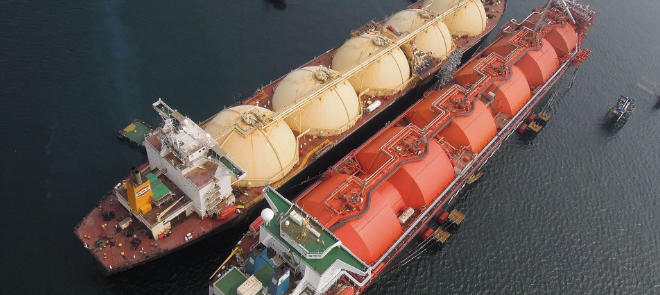
A dynamic mooring system actively controls the position of a vessel or floating structure by automated technology, propulsion systems, and the monitoring of environmental conditions in real time at all times. Rather than simply relying only on anchors and fixed lines, these systems reposition a vessel continuously using thrusters and computerized control. In the world of Dynamic Positioning(DP), this translates to achieving auto-controlled positioning of a vessel.
Key Components
These components work together to maintain vessel stability under changing sea conditions.
| Component | Function | Importance |
| Thrusters | Generate controlled propulsion forces to maintain vessel position and heading | Essential for continuous positioning adjustments |
| DP Control System | Processes sensor data and automatically controls thrusters | Acts as the central control unit of the system |
| GPS and Satellite Positioning Systems | Provide accurate real-time location information | Ensures precise vessel positioning |
| Motion Reference Units (MRUs) | Detect vessel motion such as roll, pitch, and yaw | Helps stabilize the vessel under changing sea conditions |
| Wind Sensors | Measure wind speed and direction | Allows the system to compensate for wind forces |
| Gyrocompass | Determines vessel heading and orientation | Supports accurate directional control |
| Power Generation System | Supplies electricity to thrusters and control equipment | Maintains uninterrupted system operation |
| Power Management System (PMS) | Distributes and balances electrical loads | Prevents overloads and improves operational efficiency |
| Position Reference Systems (PRS) | Use acoustic, laser, or radar technologies to verify vessel location | Enhances positioning accuracy in offshore environments |
| Human-Machine Interface (HMI) | Displays operational data and allows operator interaction | Improves monitoring and operational control |
| Alarm and Safety Systems | Detect faults and provide emergency warnings | Enhances operational safety and reliability |
| Communication Systems | Enable coordination between onboard systems and offshore facilities | Supports efficient offshore operations |
| Data Logging and Monitoring Software | Records operational data and system performance | Assists in diagnostics, maintenance, and compliance |
| Backup Redundancy Systems | Provide secondary support during equipment failure | Improves system reliability and safety |
| Environmental Sensors | Monitor waves, currents, and sea conditions | Helps optimize dynamic positioning performance |
Advantages
- High Positioning Accuracy: A region within a few meters is equipped with competing dynamic interfaces. This is particularly crucial for offshore drilling, including subsea construction and renewable energy operations.
- Rapid Operational Flexibility: Adapting to flexibility around operations is also a feature of fast movements. This occurs because the vessel does not have a bulky berth arrangement.
- Effective in Deepwater Environments: In ultra-deepwater projects, traditional anchoring may become impractical due to extreme water depths. Dynamic systems eliminate many of these challenges.
- Enhanced Safety in Certain Operations: Dynamic positioning allows operators to rapidly respond to changing environmental conditions, reducing collision or drift risks.
- Ease of Use in Certain Operations: To allow people to respond quickly when environmental conditions change, the dynamic positioning automatically reduces the risks of collision and drift.
Limitations
- High Energy Consumption: This continuous operation takes quite a lot of fuel or electric energy and therefore raises operating costs.
- Complex System Maintenance: Dynamic systems have to be maintained by skilled maintenance personnel with specialized skills in servicing of electronics and sensors as well as propulsion equipment.
- Dependence on Power Supply: Any sudden power outage or software encounter can help in exerting a detrimental control on the whole ‘positioning system’ of the vessel.
- Higher Initial Investment: The installation and integration of any type of dynamic positioning are notably higher compared to the stationary types of mooring systems.
Understanding a Static Mooring System
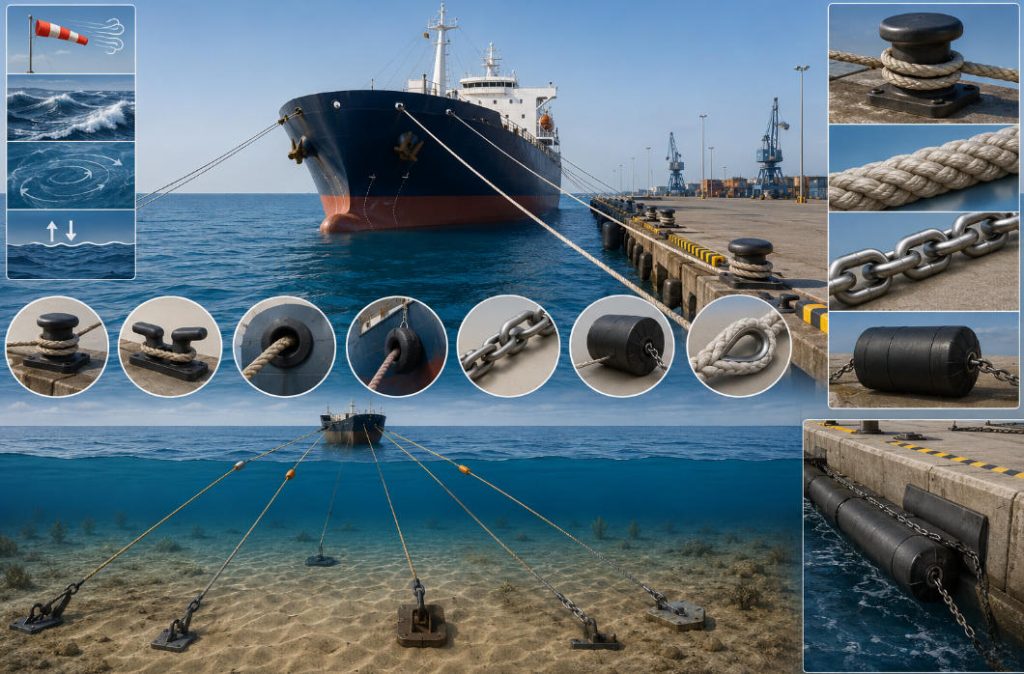
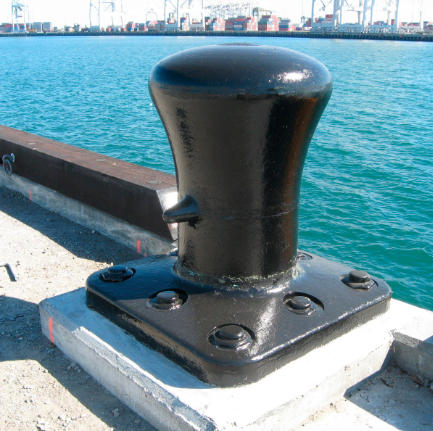
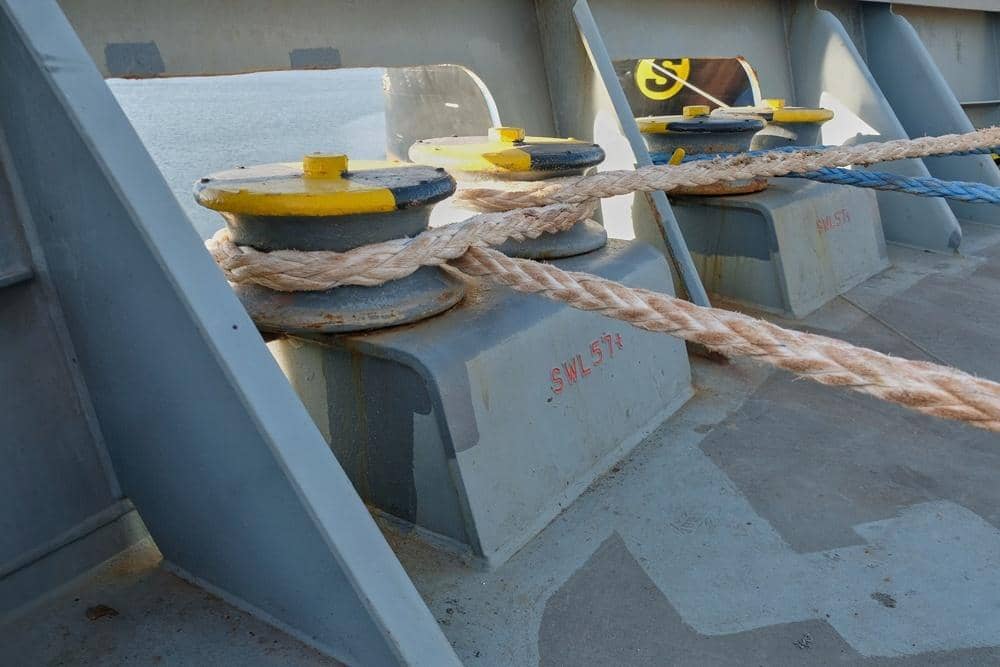
A static mooring system holds a vessel or offshore structure in place through natural interfacing docking features like chains, lines, anchors, and buoys. Once attached to the maintenance points, the mooring system can maintain the position of the vessel with restricted movement based on survivable exploitation of the ship and to solve immediate ship’s motion. Static systems have always been the insulation of choice in maritime terminal operations, off-shore oil fields, floating storage, or marine equipment applications for decades.
Key Components
The system relies on mechanical resistance and tension to maintain stability.
| Component | Function | Importance |
| Anchors | Secure the mooring system to the seabed | Provide the primary holding force for vessel stability |
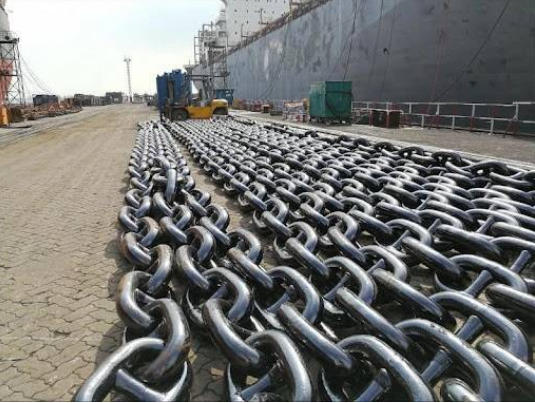
| Anchor Chains | Connect the vessel or platform to anchors | Offer strength, durability, and load resistance |
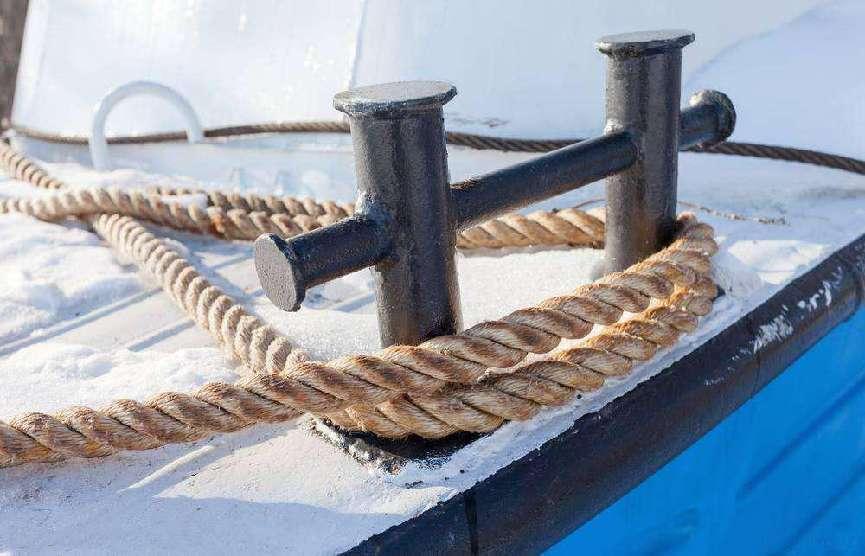
| Wire Ropes | Provide flexible connection and tension support | Commonly used in deepwater or heavy-load applications |
| Synthetic Fiber Ropes | Deliver lightweight and high-strength mooring capability | Reduce system weight and improve handling efficiency |
| Buoys | Support and mark mooring lines on the water surface | Help maintain line positioning and visibility |
| Fairleads | Guide mooring lines safely along the vessel structure | Reduce friction and line wear |
| Mooring Winches | Control the deployment and tension of mooring lines | Enable safe adjustment and securing of lines |
| Shackles | Connect chains, ropes, and anchors together | Ensure secure mechanical connections |
| Swivels | Allow mooring lines to rotate without twisting | Prevent line entanglement and stress buildup |
| Chain Stoppers | Hold mooring chains firmly in place | Prevent unintended chain movement |
| Clump Weights | Add extra downward force to mooring lines | Improve line stability and tension control |
| Chafing Chains | Protect mooring lines from abrasion | Extend the lifespan of mooring components |
| Pad Eyes and Connection Points | Provide fixed attachment locations on vessels or platforms | Ensure secure load transfer |
| Tension Monitoring Systems | Measure loads acting on mooring lines | Help maintain operational safety and stability |
| Floating Hoses or Risers | Transfer fluids between floating units and subsea systems | Support offshore production and transfer operations |
Advantages
- Reduces Operating Costs: After deployment, systems require lofty, persistent effort to offer their power discipline, thereby superfluously lowering recurring costs.
- Proven Reliability: Historical data indicate that these systems, created a long time ago, have proven their efficiency in different sea conditions over a long period of time.
- Simpler Maintenance Requirements: In comparison to the dynamic systems, the static mooring equipment is stronger mechanically, allowing easier access to check it.
- Allows Long-Term Installations: This serves floating production storage vessels, offshore terminals, and permanent offshore infrastructure systems.
- Lower Technical Difficulty: Operations do not require advanced positioning technologies and owner management.
Limitations
- Reduced Flexibility: Repositioning a statically moored vessel can be time-consuming and operationally demanding.
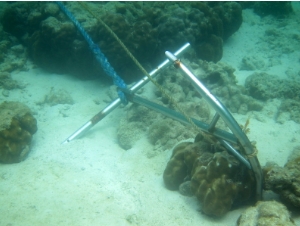
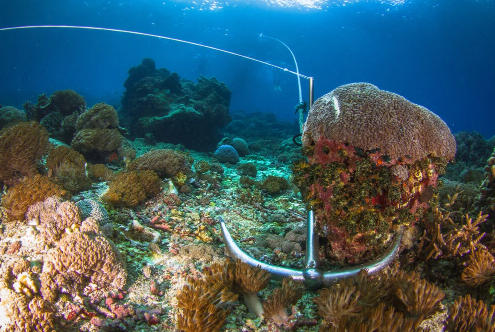
- Seabed Impact: The use of anchors can disrupt the marine ecosystem as well as damage sensitive seabed habitats.
- Ultra-Deep Water Challenges: As water depth increases, the deployment and management of anchoring systems have escalating difficulties and higher costs.
- Environmental Load Suspicion: Severe storms, strong waves, and current forces can place extreme stresses on mooring lines and anchors.
Key Differences Between Dynamic and Static Mooring Systems
| Aspect | Dynamic Mooring Systems | Static Mooring Systems |
| Positioning Method | Uses thrusters and computerized control systems to maintain position | Uses anchors, chains, and mooring lines to secure position |
| Movement Control | Continuously adjusts vessel position automatically | Holds vessel in a relatively fixed position with limited movement |
| Power Requirement | Requires continuous power supply for thrusters and control systems | Requires minimal power after deployment |
| Installation Complexity | Highly complex installation and integration | Simpler installation procedures |
| Initial Investment | Higher capital cost due to advanced technology | Lower initial cost |
| Operating Cost | Higher because of fuel and maintenance needs | Lower operational expenses |
| Maintenance Needs | Requires specialized technical maintenance | Easier mechanical maintenance |
| Deepwater Suitability | Highly suitable for ultra-deepwater operations | More challenging and costly in deepwater environments |
| Environmental Impact on Seabed | Minimal seabed disturbance | Greater seabed interaction due to anchors and chains |
| Operational Flexibility | Allows rapid repositioning and mobility | Limited flexibility once installed |
| Reliability During Power Failure | Vulnerable if power systems fail | Less dependent on onboard power systems |
| Technology Level | Advanced automation and sensor integration | Traditional mechanical-based system |
| Response to Environmental Changes | Actively adapts to wind, waves, and currents | Relies on physical strength and tension resistance |
Key Factors Influencing the Choice Between Dynamic and Static Mooring Systems
The decision between dynamic and static mooring systems should take into consideration a broad range of technical, environmental, and economic factors. Understanding the factors that influence mooring system selection aids the operator in doing the exploration with safety and effectiveness offshore.
1. Water Depth and Offshore Location
One of the foremost considerations is water depth while selecting a mooring system. In shallow and moderate water depths, static mooring systems are more preferred in that the anchors and mooring lines can be placed quite easily and economically. Ports, nearshore terminals, and floating storage units geerally employ static mooring arrangements in these settings.
With activities being conducted at deeper and ultra-deeper water depths, static mooring becomes expensive and complicated with operations. For stability, one would very likely require longer chains, heavier anchors, and much more efficient assembly work. In such a setting, dynamic mooring offers a more challenging alternative, albeit through feedback loops originating from computerized positioning and thrusters rather than from fixed anchoring along the seabed.
Offshore drilling vessels operating deep water normally rely on the technology of dik! positioning systems for keeping exact locations during drilling.
2. Environmental and Sea Conditions
Environmental conditions of the oceans have a significant impact on mooring systems’ functioning. Wind, wave, tide, and current are all factors determining the performance of an offshore structure at the sea.
Dynamic mooring systems evolve as the sea changes with it. The systems are particularly well-suited for tumultuous offshore areas displaying mercurial weather, powerful currents, and rigid positioning problems.
Cargo ships have also found static mooring systems effective under adverse conditions, provided sound anchors, chains, and cables survive the storm. The systems, however, require a commencement with an even greater degree of mechanical scaling against increasingly harsh weather.
Correlation between frequent catastrophic ocean events at a particular offshore location and the degree of flexibility in the dynamic system or stability in static-mooring installations tends to determine operator decisions.
3. Operational Flexibility and Mobility
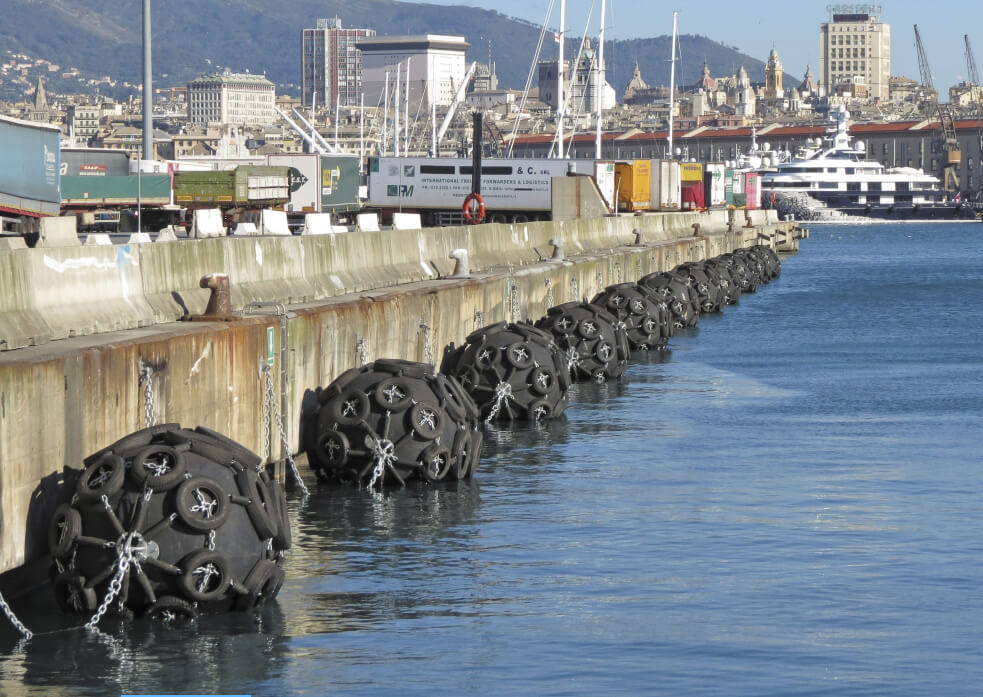
Mooring decisions should be guided by what the operation demands. Whereas inshore locations, when optimized, could allow heavier moorings to withstand storms more safely, veering due to fewer spread and mooring angles, the practical choices for such activities as offshore drilling, cable laying, etc., are generally different surroundings—a marine rubber fender array or different configuration is recommended to eliminate the initial compulsory loads and forces that these systems can create individually.
Rubber fender arrays are important for dynamic mooring systems because of mooring flexibility, maneuverability, and increasing the spread mooring area to dissipate energy. Consequently, several propellers or thrusters are often used to help these systems reach more maneuverability, particularly when these thrusters are remotely or indirectly activated to provide increased grip for the mooring system by torqueing on the turbine system.
4. Installation and Operational Costs
One of the biggest factors in choosing mooring systems is the economic consideration. Dynamic mooring systems require substantial upfront investment because of the complexity of components needed, namely, thrusters, positioning software, sensors, automation control, and protecting against failure.
Not only does the dynamic system require high installation costs, but the amount spent on fuel or electricity for the thrusters to run continuously in order to sustain position is voluminous. Maintenance costs are also large due to a high technology context of the electronic systems and propulsion requiring highly specialized technical support services.
On the other side, static mooring systems have much lower upfront costs while also cutting down operation expenses greatly. They are extremely efficient in energy saving once installed and are user friendly in maintenance. So for offshore installations, especially for long duration, the static mooring is more economically viable for the long term.
The judicious selection of the most appropriate mooring system can often hinge on the fine line in the balancing of operational savings and capital investment.
5. Safety and Reliability Requirements
Safety measure forms the backbone of any offshore operation. The system of mooring under consideration should help the vessel’s stability in and respond to exigencies ranging from general to emergency.
Innovative measures, such as backup thrusters, dual actuating systems, and emergency power supplies serve to increase safety on those occasions when mobilization accuracy is vital, such as during drilling or subsea intervention activities.
On the other hand, dynamic systems thus prove gravely dependent upon stable electrical supply and software performance. There could be a subsequent occurrence where technical breakdown might rely against an installation’s capability for positioning should backup functionalities not be adequate.
The static mooring system offers strength and relies less on the electronics. It’s not that prone to failures that would be assisted by software. While being able to bring down the potential types of problems that could lead to failures, these otherwise simple circular mooring systems are subjected to constant checking of and tidying up of their chains and ropes in order to assure them of reliability.
However, technological sophistication required in these mooring systems is determined by how much operational risk is associated with a project.
6. Vessel Type and Project Purpose
Different types of voussels and offshore structures need different types of arrangements for movement. Shifting vessles using dynamic positioning arrangements would simplify the operation especially in ports. Such vessels include offshore support vessels, drillships, scientific research vessels, and offshore wind installation vessels.
However, the offshore production units and floating storage facilities that are designed to be deployed beyond the long-term are usually installed at fixed sites. The securely designed static mooring systems tend to offer greater efficacy in these sorts of applications because they provide much-needed stability without draining lots of energy.
The purpose of a vessel operation provides the initial information which shapes the whole mooring strategy.
7. Technical Expertise and Maintenance Capabilities
Dynamic mooring consumes operators with excellent levels of expertise and technical capacity to handle automated positioners and battery programming, supported by sophisticated power devices. The operators must always ensure that the personnel required to manage and operate these systems are in the right place.
System configuration remains just the reverse with static systems: they use much more mechanical systems without the high technology of for instance computer-controlled platforms. This means maintenance and upkeep methods tend to be limited, with even fewer trained personnel required than needed for dynamic mooring.
Technical resources and maintenance infrastructure thus play an important role in the final selection of mooring systems.
8. Regulation Compliance and Industry Standards
Most offshore projects must comply with several international nautical standards and class society guidelines. As such, regulatory standards may vary depending upon factors such as those related to the mooring line’s strength, system redundancies, inspection schedules, emergency response protocols, and environmental protection strategies.
Each offshore region may advocate a specific operational standard based on local environmental risks and industrial activities, opening up gateways for regulations that can influence the design and choices of the mooring system.
Those ventures connected to the regulated offshore constructions will, by the very nature of significant enhancements concerning safety requirements and surveillance systems, most probably end up using dynamic or hybrid mooring technologies.
Summary
- Dynamic mooring systems excel in flexibility, precision, and deepwater operations
- Static mooring systems remain highly reliable and cost-effective for long-term installations.
Final Thoughts
Dynamic and static mooring systems each provide unique operational benefits. Each is routinely used in marine and offshore industries, and one or the other may be selected based on the environment, the duration of the project, operational conditions, technical requirements, etc. As the offshore industry expands into deeper waters and adopting advanced technology, right mooring system selection emphasizes on reaching the best possible balance between safety, efficiency, environmental compliance, and long-term operational performance.