Cost vs. Reliability in Choosing Life-saving Equipment for Marine Operations
Marine operations depend on safety preparedness, which establishes their operational framework. Emergency situations at sea develop into dangerous circumstances because they start without any warning and require essential life-saving equipment for protection. Operators who need to select life-saving equipment must solve a challenging problem because they must decide between two competing priorities, which are lower cost and higher reliability. The best answer lies in understanding that while cost matters, reliability is often the deciding factor when lives are at stake.
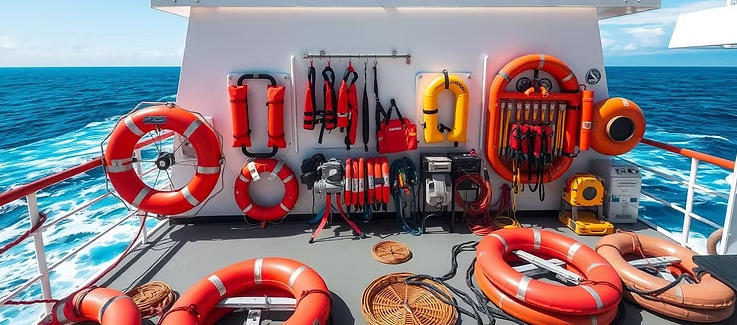
Table of Contents
The Critical Role of Life-Saving Equipment in Marine Operations
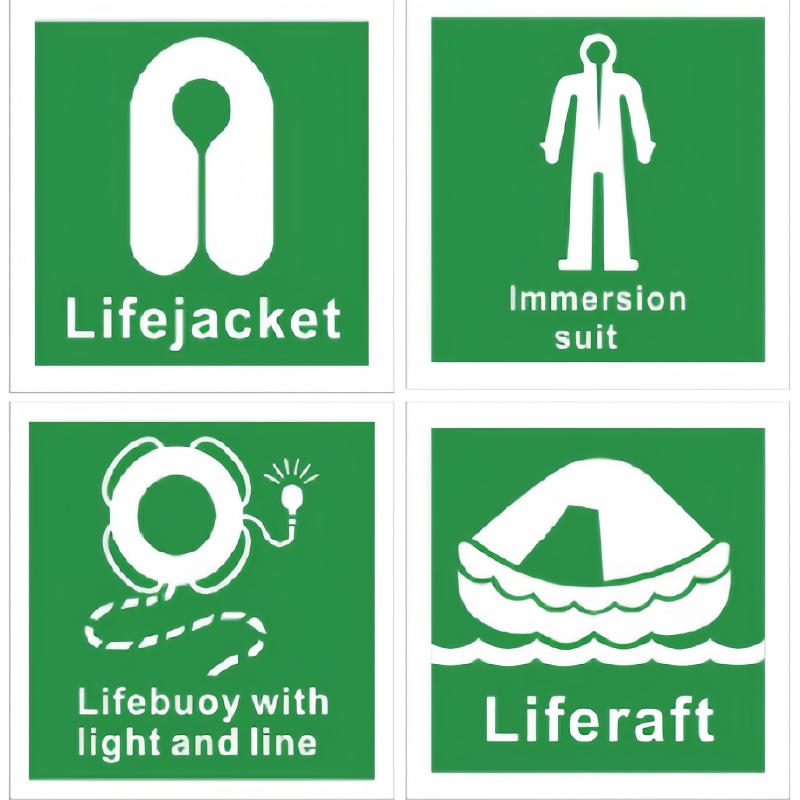
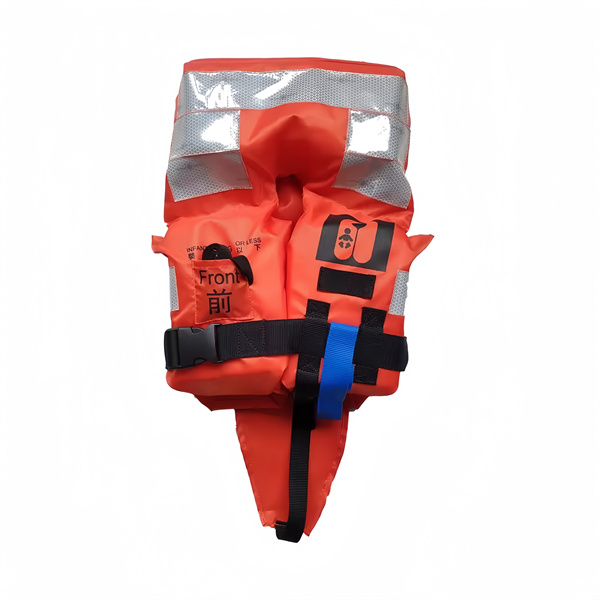
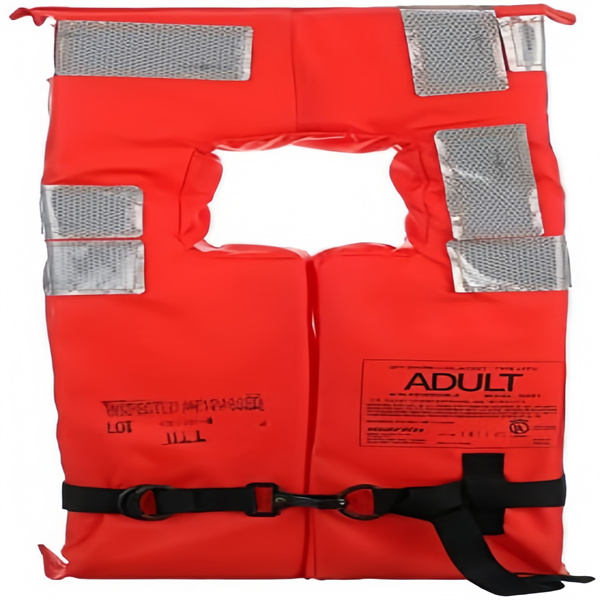
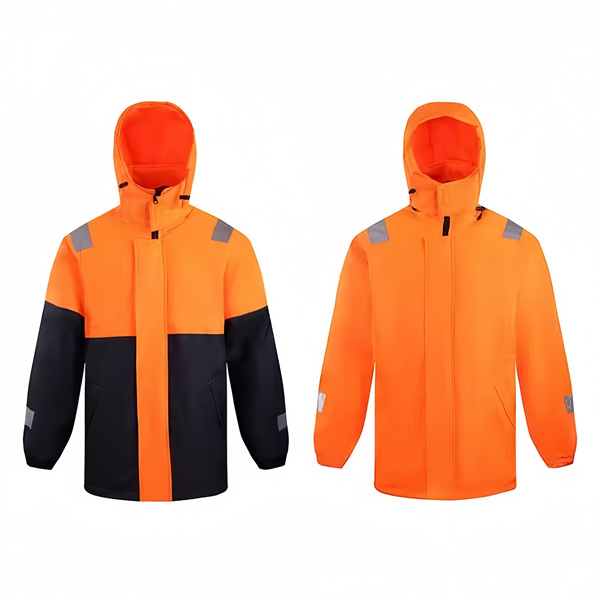
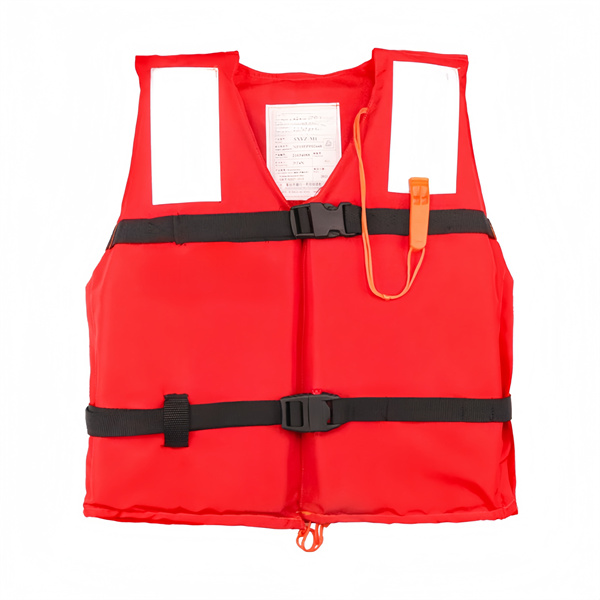
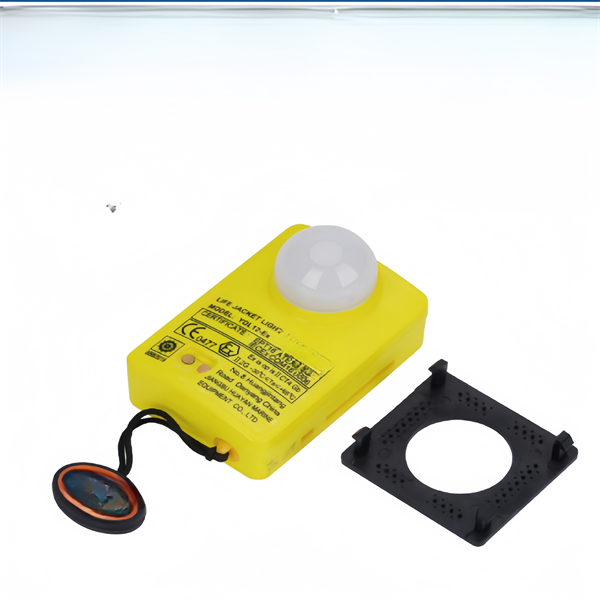
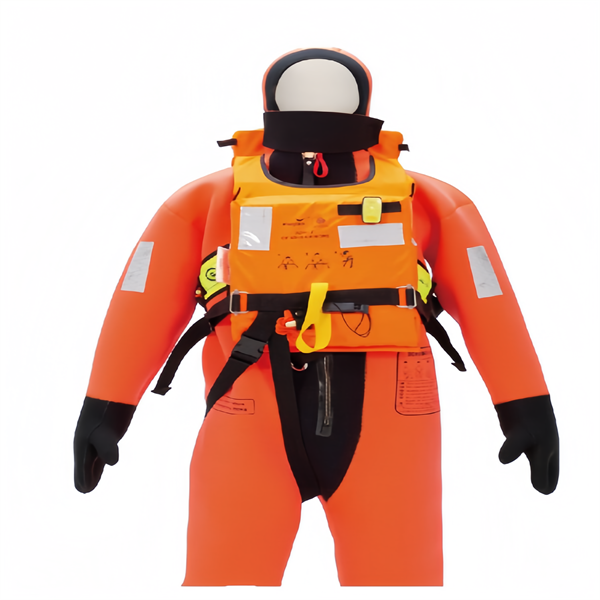
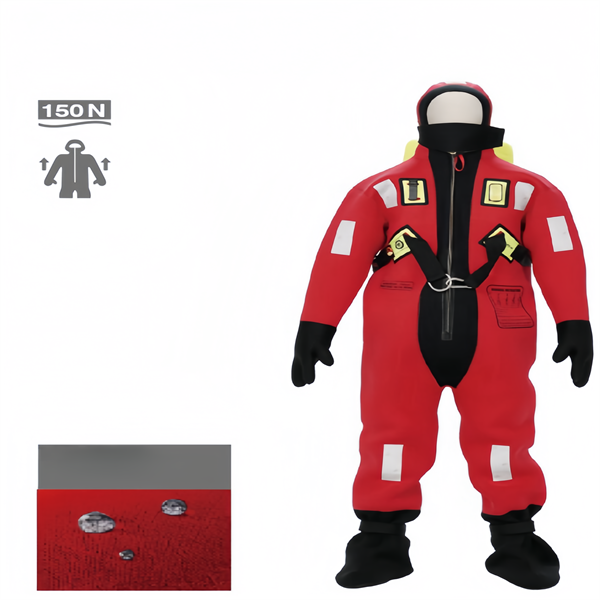
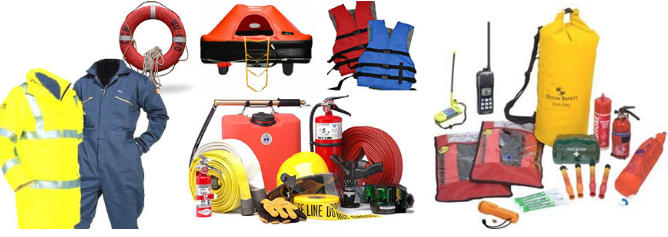
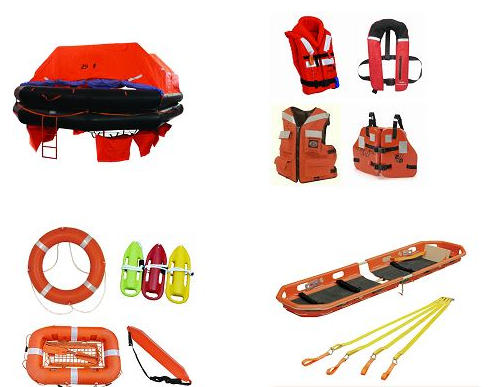
The marine environment uses life-saving equipment, which includes life jackets, life rafts, emergency beacons, immersion suits, fire suppression systems, breathing apparatus, and rescue devices. These products are designed to protect crew members and passengers during collisions, flooding, fires, machinery accidents, or abandon-ship situations. Safety gear for emergency situations must deliver correct performance, which requires equipment to function properly at any moment. This makes product selection especially important.
Why Cost is an Important Consideration for Choosing Life-Saving Equipment for Marine Operations
Marine operators must manage fuel expenses, maintenance budgets, crew costs, regulatory compliance, insurance, and vessel upgrades. Because of these financial pressures, buyers often seek cost-effective choosing options.
The following chart provides the key cost considerations in choosing marine life-Saving equipment.
| Cost Consideration | Description | Why It Matters in Marine Operations | Long-Term Effect |
| Initial Purchase Price | Upfront cost of buying marine life-saving equipment. | Impacts immediate procurement budget for vessels or fleets. | Lower price may reduce short-term spending but not always best value. |
| Installation Cost | Expenses for mounting, wiring, launching systems, or onboard integration. | Some equipment requires certified marine installation. | Poor planning can increase total project cost. |
| Maintenance Cost | Routine servicing, inspections, lubrication, cleaning, and testing. | Marine environments accelerate wear from saltwater and humidity. | Regular maintenance protects reliability and reduces failures. |
| Certification Fees | Costs for surveys, approvals, and compliance documentation. | Marine safety equipment often requires regulatory certification. | Necessary for legal operation and passing inspections. |
| Replacement Parts Cost | Price of batteries, seals, lights, inflation kits, or mechanical parts. | Spare parts availability is critical for vessel readiness. | Affordable parts reduce downtime and repair expense. |
| Training Cost | Cost of instructing crew to use equipment properly. | Crew must respond quickly during onboard emergencies. | Better training improves safety and reduces misuse. |
| Lifespan Value | Expected service life compared with total investment. | Durable equipment performs better in harsh sea conditions. | Longer lifespan lowers replacement frequency. |
| Downtime Cost | Financial loss when vessels are delayed due to faulty equipment. | Safety deficiencies can delay sailing or inspections. | High downtime cost may exceed purchase savings. |
| Warranty and Support | Coverage and after-sales service from supplier. | Fast support is important when vessels operate on schedules. | Strong support lowers operational risk. |
| Storage and Preservation Cost | Cost of protecting unused equipment from corrosion or damage. | Marine gear may remain stored for long periods onboard. | Proper storage extends readiness and service life. |
| Upgrade Cost | Future expenses to meet changing marine regulations or standards. | Safety rules may evolve over time. | Flexible equipment reduces future replacement burden. |
| Total Cost of Ownership | Combined cost of purchase, use, maintenance, and replacement. | Gives a complete picture beyond upfront price. | Helps choose the most cost-effective long-term solution. |
Why Reliability of Life-Saving Equipment Must Remain a Priority at Sea
1. Immediate Operation is Critical
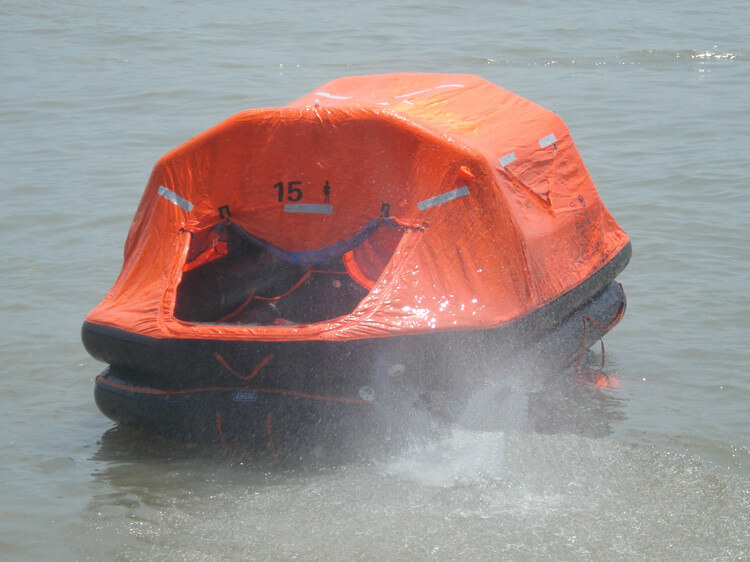
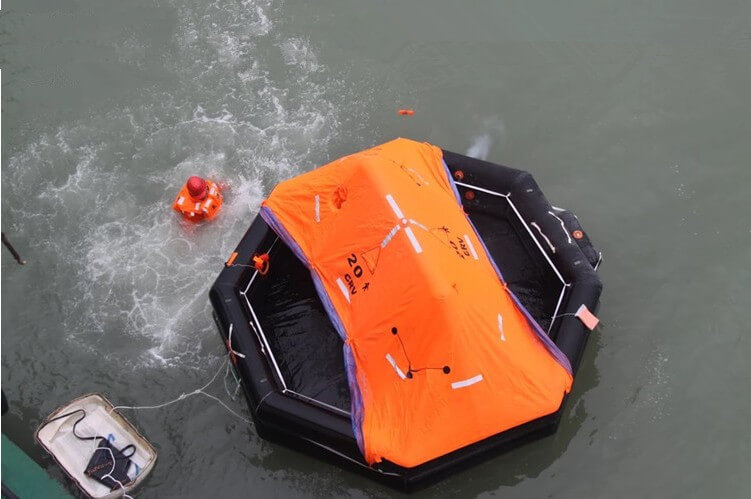
Equipment that is meant to save lives must function instantaneously when needed. A life raft must inflate as it should; the emergency beacon must transmit messages correctly; and the life jacket must rescue efficiently. There is no time for troubleshooting at sea. Panic, poor visibility, smoke, water inrush, and injuries go along with any incident. There will be no chance to get the equipment to repair.
2. Harsh Marine Conditions Cause Wear
Weakening is caused by corrosive activities of saltwater, temperature changes, and so on on any onboard equipment. When left idle for extended periods, designed maritime safety items will soon putrefy given shoddy workmanship or lack of care. However, long-standing use must build into the design machines that resist corrosion, material fatigue, water ingress, and environmental damage from storage. Having sturdy, reliable gear will mean, should a near-sinking happen, you’re ready, instead of stuck cleaning your own deck.
3. Inflatable Life Raftman Lives Depend on Reliability
There are equipment meant to save lives and protect people like crew members, passengers, contractors, and visitors. In abandon-ship situations or onboard accidents, people will be able to try the equipment available only once. Any slight unrealibility shown by a life jacket, a faulty release mechanism, a weak emergency light, or a communication device not working might put many lives at stake. Consequently, a downing plane, a sinking ship, or in a burning shipboat, for instance, proves the more compelling reason that reliability should never be sacrificed for ephemeral cost savings.
4. Confidence Improves Emergency Response
When there is an actual emergency, the people using the equipment need confidence in their gear. A crew member that believes in training in effective safety equipment will act with more reaction and decisiveness. Confidence gets rid of stuttering, puzzlement and panic. With good confidence, the person of group ensures that there were better practice in evacuation, completed life-saving actions, and achievements in the emergency management.
5. Compliance Alone Is Not Enough
Marine regulations and inspections establish minimum safety requirements. Nonetheless, meeting these are not to be treated as the ultimate goal a ship operator shall strive for. Operators have to strive for gear with performance records, extensive support for maintenance, and solid service history. Putting it simply, safety readiness goes beyond mere compliance. For this, reliability must be actively manifest in daily operations.
6. Reliability Protects Business Continuity
Upon investigating, it turns out that reliable lifesaving systems also stabilized operations. Equipment failures cause serious trouble as they can ultimately lead to statutory inspection issues, voyage delays, liability claims, negative corporate reputation, or a hike in insurance costs for the ship. When safety systems have proven reliability, the operator also protects lives and operational schedules, assets, and business viability in the long-term.
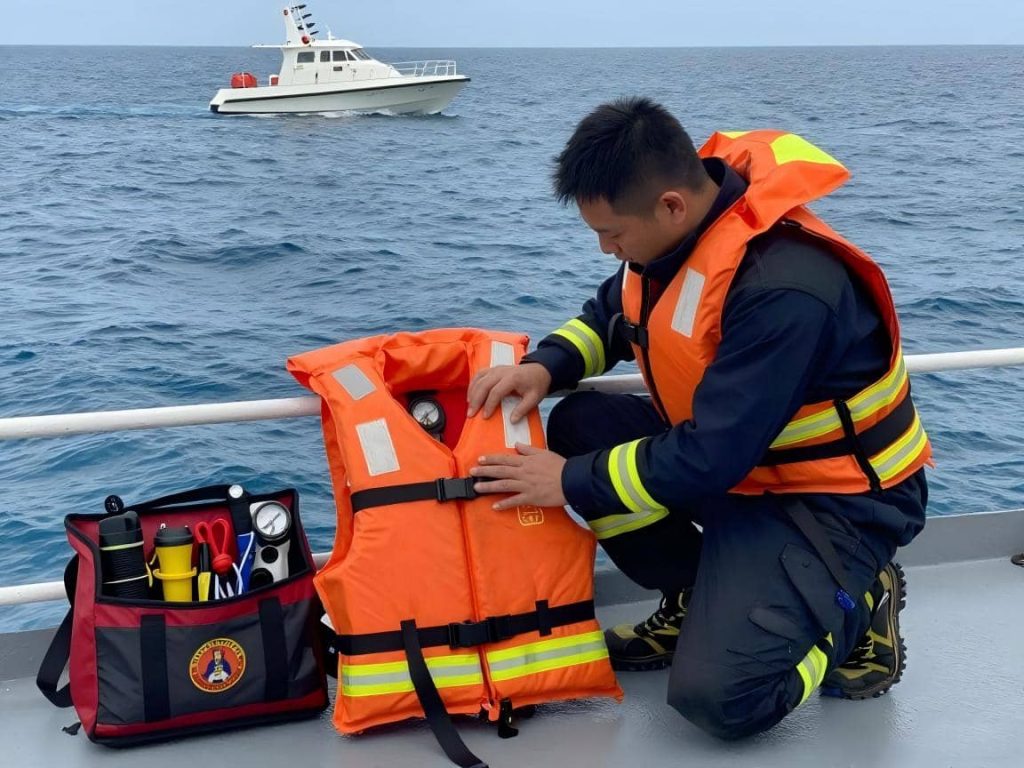
Hidden Costs of Low-Cost Life-saving Equipment
| Hidden Cost Factor | Description | Immediate Saving vs Long-Term Cost | Operational Impact |
| Frequent Repairs | Low-price equipment may use weaker materials or lower-quality components. | Lower purchase price but higher repair expenses over time. | Increased maintenance workload and unexpected failures. |
| Shorter Service Life | Cheaper products may wear out faster in harsh environments. | Saves money initially but requires earlier replacement. | Higher lifecycle cost and repeated procurement. |
| Failed Inspections | Substandard equipment may not meet safety or regulatory requirements. | Lower buying cost but expensive corrective actions later. | Delays, penalties, or temporary shutdowns. |
| Emergency Malfunction | Equipment may fail when needed during a real emergency. | Low upfront cost with potentially severe consequences. | Risk to human life and reduced rescue effectiveness. |
| Higher Replacement Frequency | Inferior durability can require more frequent unit replacement. | Small initial saving offset by repeated purchases. | Inventory disruption and budget instability. |
| Downtime Costs | Equipment failure can interrupt vessel or facility operations. | Cheap purchase can trigger expensive downtime losses. | Reduced productivity and missed schedules. |
| Training Inefficiency | Poorly designed low-cost products may be harder to use properly. | Lower equipment cost but more training time required. | Slower emergency response and user confusion. |
| Spare Parts Availability | Low-cost brands may have weak support networks. | Savings at purchase but costly delays in sourcing parts. | Extended outages and maintenance delays. |
| Liability Exposure | Equipment failure may lead to legal claims or compensation costs. | Lower initial expense with high financial risk later. | Reputational damage and legal consequences. |
| Loss of Confidence | Users may distrust unreliable safety equipment. | Cheap option reduces morale and trust. | Hesitation during emergencies and weaker safety culture. |
How to Balance Cost and Reliability in Choosing Life-Saving Equipment for Marine Operations
The most effective strategy is to balance cost and reliability for selecting life-saving equipment through long-term value rather than short-term savings.
1. Evaluate Certifications and Compliance
Let marine safety equipment meet standards and certification demands. Approved products have more certainty of being tested in real-world environments, and for legal and regulatory conformity. Choosing audited equipment keeps an operator out of trouble and away from legal complications, port delays, or inspection failures. Conformity might be taken as a minimum, with reliability being the end goal.
2. Choose Suppliers with Strong Support
Supplier quality is a significant competitive factor between cost and reliability. A quality supplier gives technical support, maintenance support, access to spare parts, warranty service, and product training. High-quality after-market support reduces down times and keeps equipment operational during its life. Sometimes the premium paid to a reliable supplier is a genuine long-term cost saver.
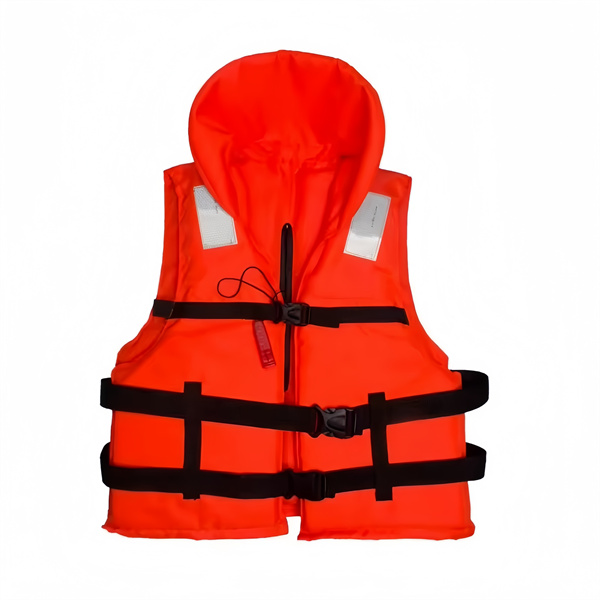
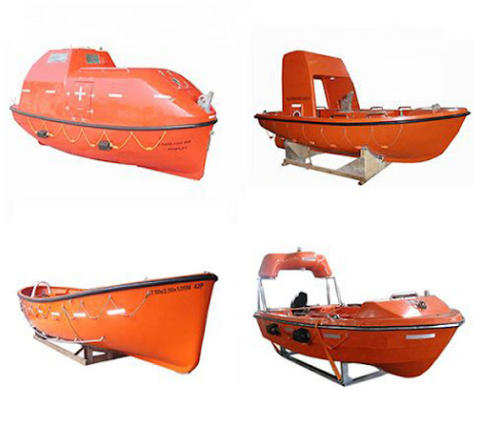
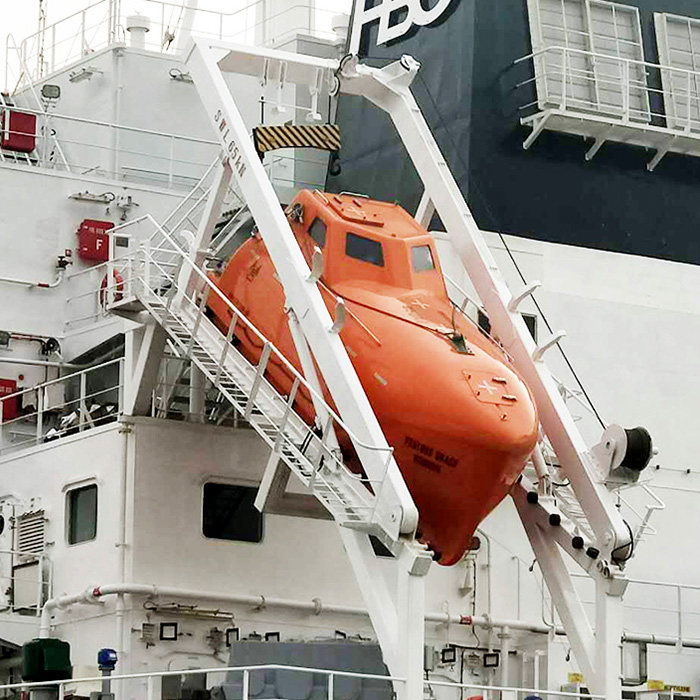
YSmarines is a trusted supplier of marine safety products designed to further improve safety at sea. Product range includes life jackets, life rafts, lifebuoys, lifeboats, emergency lighting, signaling devices, and other maritime safety solutions, all created to withstand the most severe marine environment conditions. With a focus on quality manufacturing, durability, and compliance with recognized marine standards, YSmarines enhances the safety of the shipowners, offshore operators, and marine professionals in emergency preparedness and operational safety.
3. Match Equipment to Vessel Type and Risk Level
Sailing environments in marine operations are by no means homogenous. Harbor workboats, passenger ferries, fishing vessels, and offshore support ships all come with varying operational risks. The selection of equipment is to be customized to the size of the vessel, cruising distance, weather inclination, number of passengers, and compliance with regulations. Affording more added value in areas with higher operational risk and minimizing cost in areas with lower risk will allow for a balanced procurement strategy.
4. Use Maintenance to Protect Investments
Even an extremely high-quality piece of equipment must still undergo regular inspections and check-ups in order to be maintained in its optimal form. Regular maintenance does pose a great benefit to the working life of the equipment and its being trustworthy in the first place. Consequently, appropriate maintenance will ensure better and longer-lasting performance from the equipment as well as reduce the probability of sudden equipment failure.
6. Focus on Lifecycle Value
Often, the realization of the best decision as regards buying comes from the comparison of whole life value rather than face value alone. Quite frankly, heavy, rugged equipment of the significantly fewer failures coupled with a long life and much less need for maintenance operationally outperforms in financial terms in the long haul. Balancing costs and reliability entails not only factoring what a piece of equipment costs today, but rather what it will cost and yield in years of future use.
Final thoughts
When selecting life-saving equipment for marine operations, both cost and reliability should be considered. Reliability is the priority when the emergency environment is engaged in a fast increase and the availability of assistance may be far away. By considering the lifecycle costing, regulatory requirements, supplier support, and real-world performance, mariners can make smarter buying decisions. Finally, the best piece of safety equipment is the one that will work at the time it is needed most.