Roller Fairleads vs. Closed Chocks for Managing Mooring Lines
Rope handling systems which operate effectively operate as essential systems which ensure safe and efficient vessel operations. Roller fairleads and closed chocks function as two standard components which operators use to manage mooring lines and towing ropes. The two devices perform identical functions of rope guidance and securement but their design and operational features show distinct differences. The process of selecting the appropriate component for your application requires you to comprehend the specific distinctions between the two components.
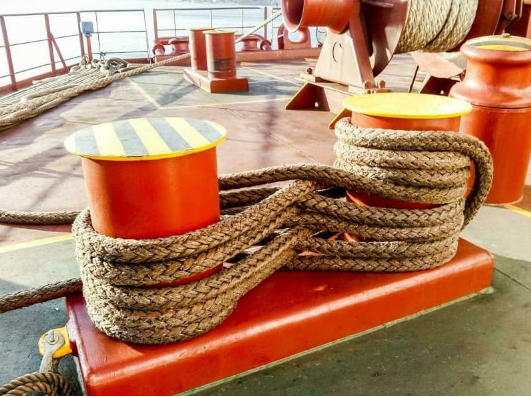
Table of Contents
Understanding Roller Fairlead for Managing Mooring Lines
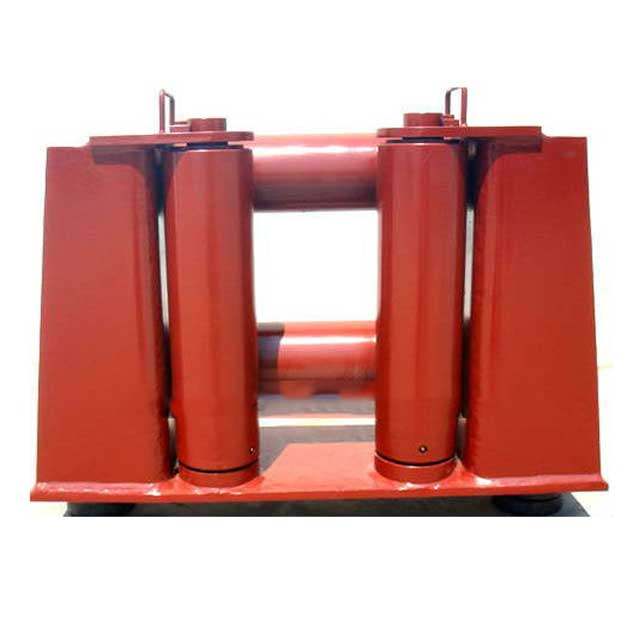
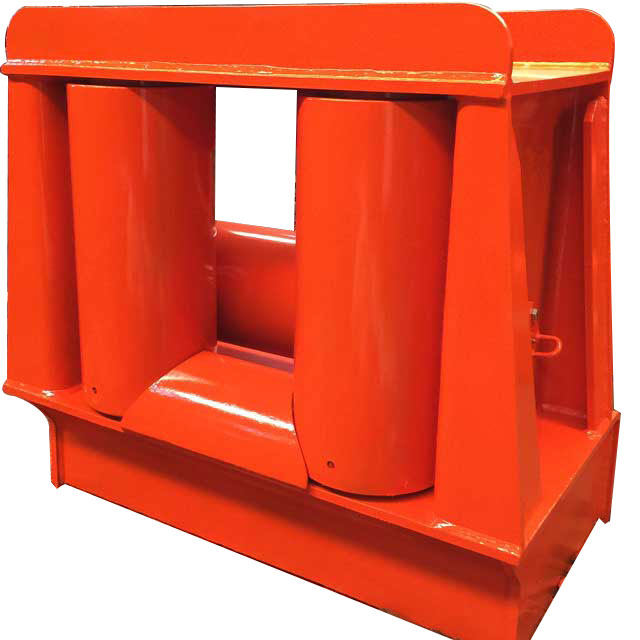
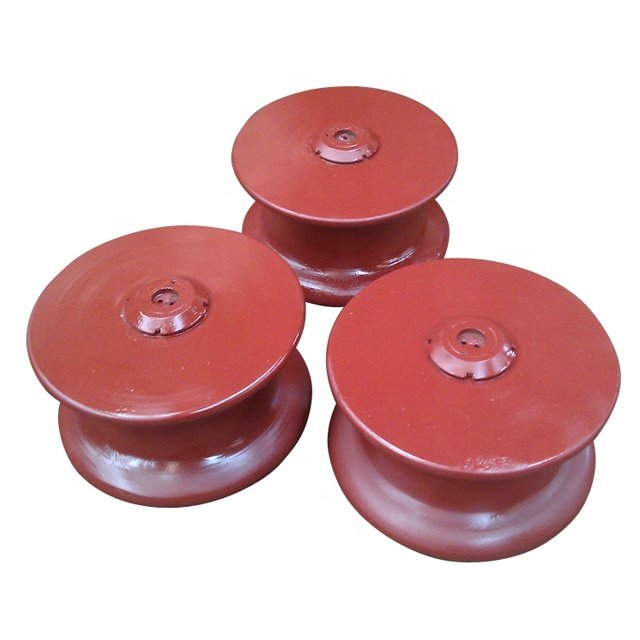
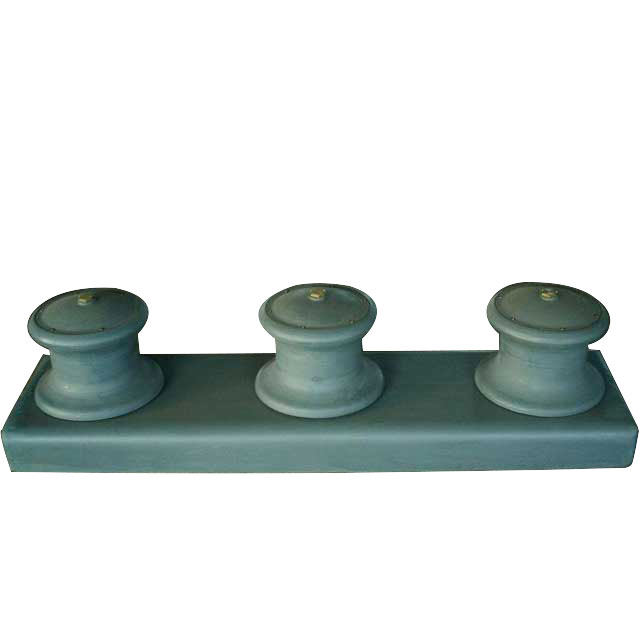
A roller fairlead is used to guide mooring lines from one point to another on a vessel or an offshore floating platform. A roller fairlead consists of a set of rollers together contained within the fairlead frame, which enables a rope to pass through with as little resistance as possible. These rollers move in a rotating manner as the rope moves, so as to reduce wear on the rope and maintain its integrity over time.
How Roller Fairleads Work in Mooring Systems
A roller fairlead is typically positioned along the side of a vessel or platform where the mooring lines are routed. Here’s how it functions:
- Rope Entry: Either the mooring line is already fed into the roller fair, or it’s wound on the winch at the vessel or the dock in the smoothest way possible. The rope runs through the series of rollers.
- Guiding the Rope: As the rope runs through the fairlead, the rollers will spin around in order to help guide the rope smoothly in a predetermined way. This creates mechanical friction to stop the buildup of excessive heat and unnecessary friction that impacts the rope-and allows the line to move safely without increased resistance.
- Load Transfer: The rollers also help manage the tension in the rope by evenly distributing the forces exerted on the mooring line, ensuring that the load is shared across the entire length of the rope.
- Exit: Finally, the mooring line exits the roller fairlead and is secured to its intended point, such as a winch, bollard, or cleat, completing the mooring operation.
Advantages
- Durability: Roller fairleads are designed to withstand harsh marine conditions. They are typically made from corrosion-resistant materials like stainless steel or aluminum to ensure long-lasting performance in salty, wet environments.
- Enhanced Safety: The reduction in friction and wear on the mooring lines directly contributes to safer operations. Strong and well-maintained mooring lines are less likely to break or fail under pressure, helping prevent accidents.
- Efficiency in High-Load Environments: In applications of heavy types where these roller fairleads are used, the mooring lines can be put under tremendous dynamic loads; the roller fairleads ensure they do not fail.
- Reduced Maintenance: Roller fairleads help greatly in reducing maintenance as there is less wear and tear on the ropes. This will extend the life of ropes so that the rope replacement becomes rare and the frequency and cost of maintenance are diminished.
- Compatibility with Various Mooring Systems: Roller fairleads are compatible with most mooring systems, including single-point mooring (SPM), multi-point mooring, and dynamic positioning systems, making them highly adaptable to different operational requirements.
Limitations
- Maintenance: Roller fairleads require regular maintenance to ensure the rollers continue to operate smoothly.
- Space Requirements: They may require more space than closed chocks due to the need for multiple rollers.
Types
This chart helps illustrate the different types of roller fairleads and their typical applications in mooring and rope handling operations.
| Type of Roller Fairlead | Description | Applications |
| Horizontal Roller Fairlead | Rollers are arranged horizontally, guiding the rope along a flat plane. | Best for systems where the rope moves primarily in a horizontal plane, such as docking and stationary mooring operations. |
| Vertical Roller Fairlead | Rollers are mounted vertically to guide ropes that move in a vertical direction. | Used for systems where ropes are raised or lowered, such as in lifting or dynamic mooring applications. |
| Multiple Roller Fairlead | Multiple rollers are arranged in a row to handle several mooring lines. | Ideal for large vessels or ports where several mooring lines are managed simultaneously. |
| Fixed Roller Fairlead | Rollers are mounted in a fixed frame, allowing for steady, non-moving rope guidance. | Suitable for stationary mooring points, such as docking where movement is minimal. |
| Combination Roller Fairlead | Incorporates both horizontal and vertical rollers in one system. | Used in complex mooring systems requiring multi-directional rope handling, such as offshore rigs or vessels with varied load movements. |
What are Closed Chocks for Guiding and Securing Mooring Lines
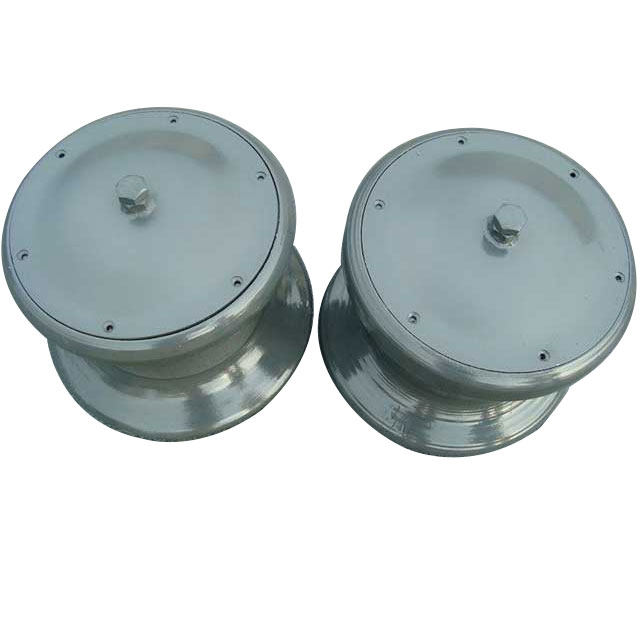
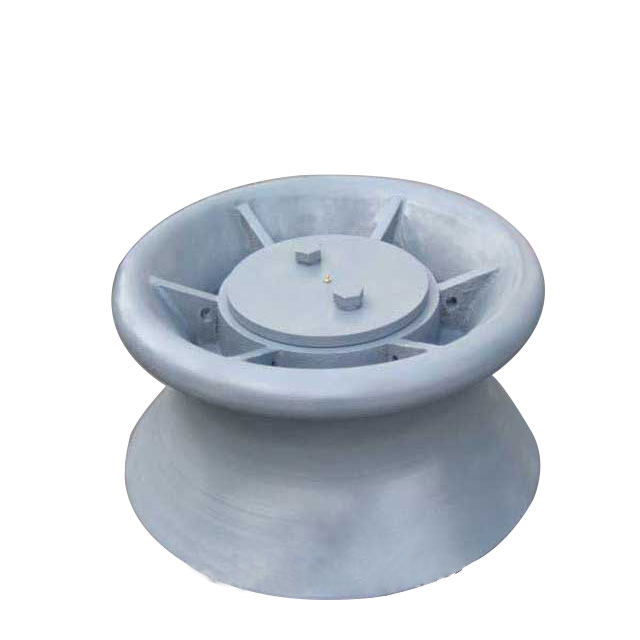
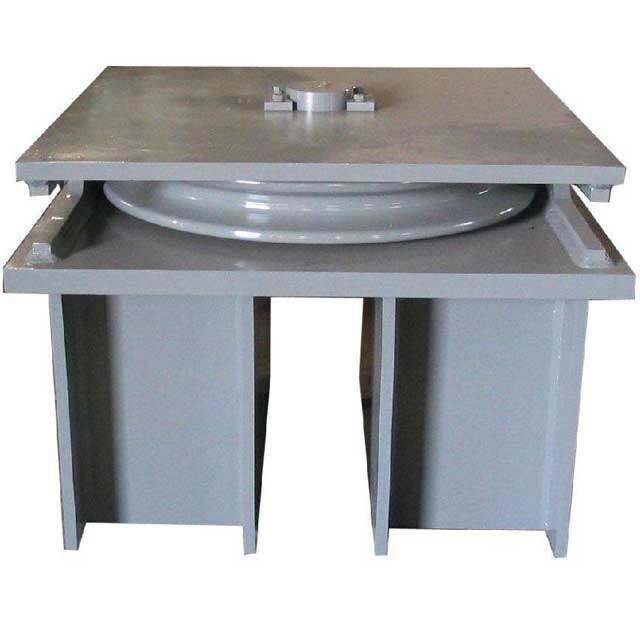
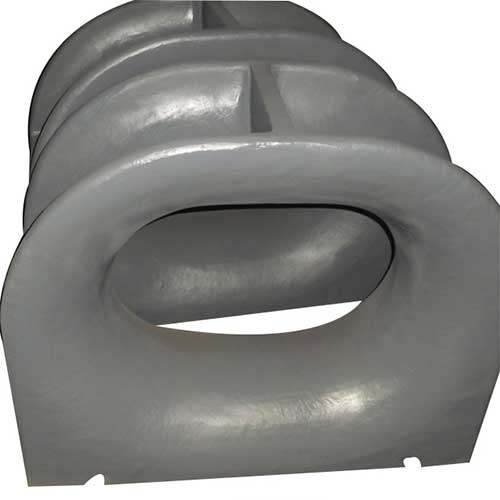
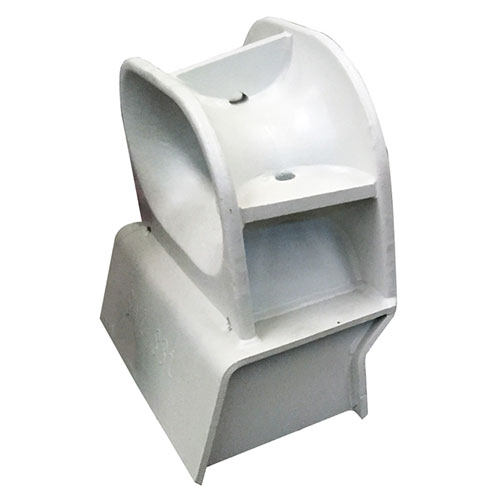
In harbur works, a closed chock is a fixed unwieldy-like set-up made of a durable material like steel or cast iron, property constructed for guiding and securing mooring lines. The other major design difference between roller fairleads and closed chocks is that roller fairlead comprises a rigid structural frame while a closed chock has smooth inside surfaces which provide for an easier brow of the mooring ropes with minimum friction. Since the structure entirely encloses the rope path and provides a proper guiding channel, it is classified as “closed”.
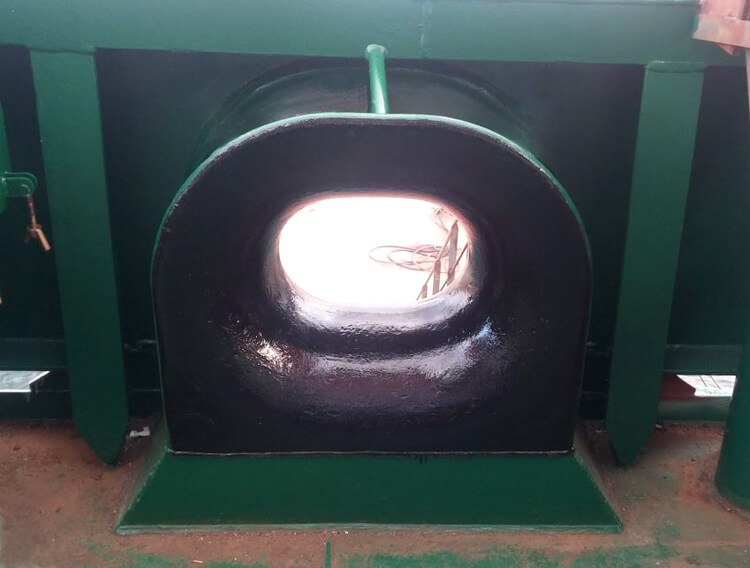
Key Features
- Fixed Structure: The chock is a stationary equipment that does not have any moving parts to deteriorate by constant friction forces when the ship is resting in a berth; compare this to the rotating rollers in roller fairleads.
- Smooth Interior: Never less in friction with the mooring lines, the interior smoothness of a closed chock is its distinctive feature.
- Construction: Closed chocks are crafted from high alloy steels like stainless or carbon, cast iron or the like to withstand the harsh marine environment and to offer toughness wetted materials.
- Shape: The U-shape or the semicircle chock design is visibly honed to direct the rope, thus avoiding curves and terminological kinks, that can damage the line.
How Closed Chocks Work in Mooring Systems
Closed chocks are typically installed on the side of a vessel or platform where mooring lines are guided from one location to another. Here’s how they function:
- Rope Entry: The mooring line enters through the external side of the chock from the vessel’s winch or from the docking station.
- Guiding the Rope: The internal dimensions of the closed chock offer minimal resistance to the movement of the chemically attacking rope. However, this is carried out differently than a roller fairlead in that even though the rope is sliding along the smooth surface. It does not wrap around a larger part of the structure.
- Directing the Load: The chock is meant to provide an even distribution of forces as the line passes through it, thereby maintaining the tension throughout. The rigid part of the chock is the main instigator preventing any slippage or misalignment of the rope.
- Pulling the Rope Out: The rope, following its way through the chock to extend to the winch, cleat, or bollard for securement, has completed line handling.
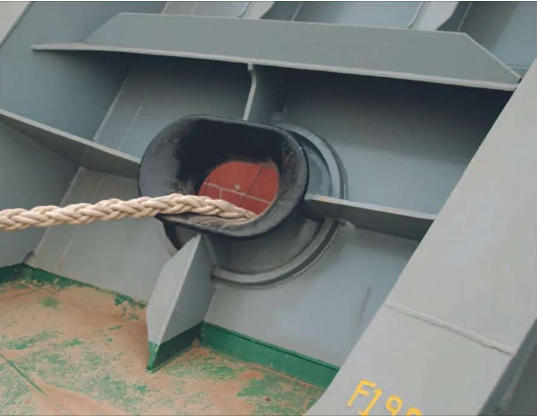
Advantages
- Low Maintenance: Close chocks are free from maintenance since they have nothing to break down inside them, unlike brass rollers that must be greased on a regular basis to let the rollers work.
- Compact and Simple Design: Being closed, the chock is of simple design and it is easy to install. Closed chocks require lesser space and are easy to handle compared to roller fairleads that have several rollers.
- Durability: Indefinitely, these chocks, made of durable, marine-hardened materials capable of repacking most corrosive attacks, mentioned solids and lubricant questions, and offer solutions to the long-term reliability customers often need under the most critical of circumstances.
- Cost-Effective: With their solid build and absence of moving parts, stainless-steel closed chocks are comparatively rather cost-efficient to design and install when compared with roller fairleads.
- Secure Rope Handling: Closed chocks offer a rope handling solution that guarantees the ropes are well-affixed to the bollards, thus lowering the chances of their being badly worn through abrasiveness and friction with a turning block. The enclosed, stainless-steel units bestow inimitable safety and include a chafe protection that is conducive to the integrity of the rope all throughout its useful life.
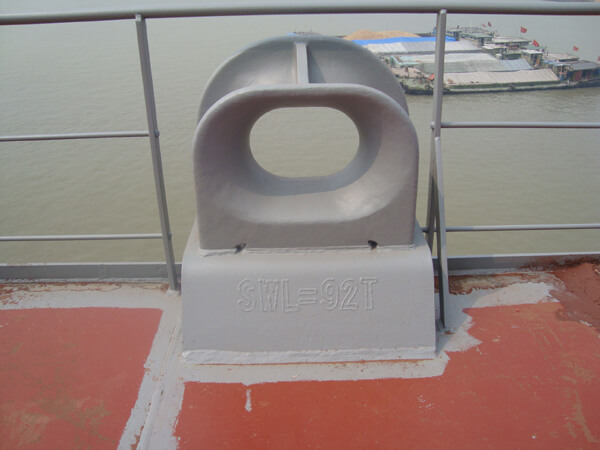
Disadvantages
- Higher Friction: As rolling elements are not assembled, a greater degree of friction exists between the chock and the rope. Such friction will, in the long run, damage the rope rather quickly. This will render this chock inadequate in properly serving a dynamic application.
- Limited Flexibility: Having a rope that works in constant motion or under a dynamic environment would drastically weaken the adhesion of the chock. Consequently, these chocks are best suited to fast mooring or light-duty use, theatres of operations confined to only a little less dynamic activity.
- Not Suitable for High-Dynamic Loads: In circumstances, such as when a rope is adjusted with a high dynamic load, a roller fairlead would provide better welfare to the buckling rope than closed chocks.
Types
This chart provides an overview of various closed chock types, highlighting their designs and the most suitable applications.
| Type of Closed Chock | Description | Best Use Case |
| Standard U-shaped Closed Chock | A simple U-shaped design that securely guides mooring lines through a fixed channel. | Ideal for general mooring and docking operations where ropes are stationary or under light load. |
| Double Closed Chock | A larger version designed to handle multiple ropes simultaneously. | Used in applications where more than one mooring line needs to be managed at the same time, such as in high-load docking. |
| Swivel Closed Chock | A closed chock mounted on a swivel mechanism, allowing for some rope movement. | Suitable for applications requiring some flexibility in rope movement, while still guiding the rope securely. |
| Heavy-Duty Closed Chock | A robust, reinforced design capable of handling high loads and heavy ropes. | Best for offshore platforms and large vessels with high-load mooring systems. |
| Single Closed Chock | A single, compact closed chock designed for small-scale or light-duty mooring. | Ideal for smaller vessels or low-load docking situations. |
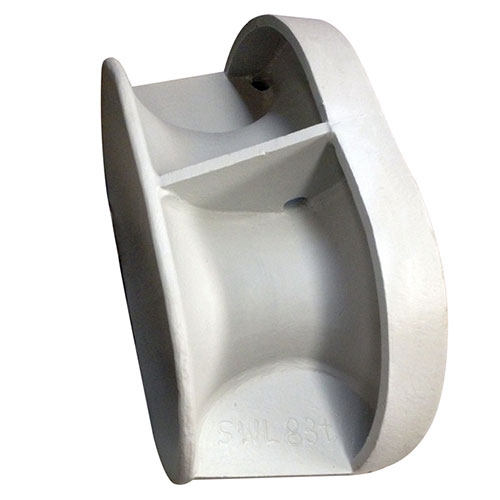
Key Differences Between Roller Fairlead and Closed Chock for Managing Mooring Lines
This chart highlights the specific differences between roller fairleads and closed chocks in the context of managing mooring lines
| Feature | Roller Fairlead | Closed Chock |
| Design | Multiple rotating rollers mounted in a frame. | Fixed, U-shaped structure with smooth, rigid internal surfaces. |
| Rope Movement | Allows dynamic rope movement with minimal wear. | Best for stationary ropes or light dynamic load. |
| Friction | Low friction due to rotating rollers. | Higher friction as the rope slides along stationary surfaces. |
| Maintenance | Requires regular maintenance of rollers for smooth operation. | Low maintenance due to no moving parts. |
| Space Requirements | Requires more space for the frame and rollers. | More compact and space-efficient. |
| Durability | Highly durable, especially in high-dynamic load applications. | Durable but more suited for static mooring or low-dynamic loads. |
| Load Distribution | Even load distribution due to rollers. | Less even load distribution compared to roller fairlead. |
| Cost | Generally more expensive due to complexity. | More cost-effective due to simpler design. |
| Ideal Use Case | High-load, dynamic mooring or towing operations. | Static mooring or applications with minimal rope movement. |
| Rope Protection | Offers better rope protection in dynamic conditions. | Less protection in dynamic conditions due to higher friction. |
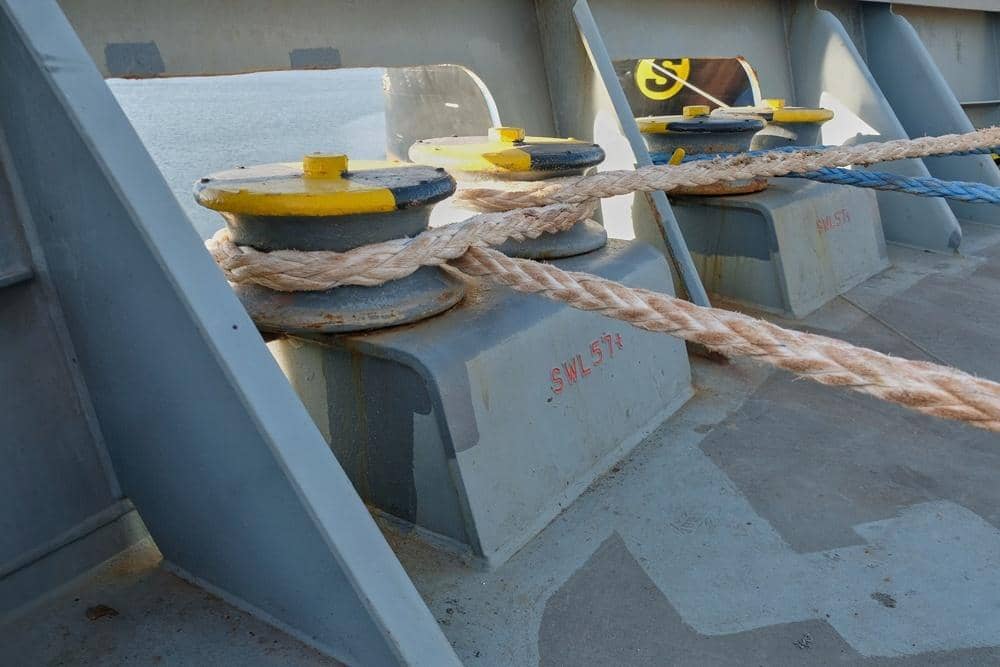
Key Considerations for Choosing Between Roller Fairlead and Closed Chock
1. Understanding the nature of the mooring operation
Mooring lines handling system will depend largely on the nature of the specific mooring operation you are suggesting to carry out. A move to the dynamic conditions involving the frequent movement of the mooring lines and sudden load-shifting, such as towing, offshore anchoring, or station-keeping, generally calls for the employment of a good-quality roller fairlead. Roller fairleads mount a plurality of revolving rollers that prevent the containment of friction while the rope moves, which would best suit the dynamic and stressing operational environments. The moving action of the rollers ensures very smooth handling of the rope, thus ensuing in lessened maintenance, perhaps never even requiring maintenance as long as the house is in constant tension.
On the other hand, for a static mooring operation in which mooring lines remain under constant tension and are not changed frequently, a closed chock is often enough. A closed chock will provide an unchanging pathway for the ropes and is aptly suited for circumstances in which the lines are relatively stable, such as port docking or stationary mooring systems. Although closed chocks do not offer the low-friction benefits of a roller fairlead, they can still provide adequate handling of the mooring lines in situations where the dynamic load handling is not a concern.
2. Assessment of Maintenance Requirements
Maintenance is one of the significant factors to be considered in choosing your hardware between a roller fairlead and a closed chock. As a moving part, the roller fairlead certainly demands frequent maintenance appropriate for smooth functioning of an operation. The rollers must be inspected for signs of wear and tear, be lubricated with time, and be replaced whenever necessary. Marine conditions might exacerbate the need for more maintenance of roller fairleads because, especially in the salt, wear to moving parts is speeded up. Maintenance of rollers cannot be alienated from the equation in deciding about downtime risk and system efficiency.
However, the closed chocks are built with a simpler construction, consisting of no moving parts and a static design that lessens the need for maintenance. The lack of rollers to lubricate or replace in closed chocks makes them intrinsically durable and cost-effective during operation in remote settings. Nonetheless, safety and ecology-wise, this general principle is associated with higher friction and increasing wear on mooring lines due to dynamic conditions.
3. Space Considerations and Installation
With this premise, the issue of space must find a consideration factor in deciding on either system. In contrast, much greater space requirements must be issued with roller fairleads, concerning frame sizes and broader roller distribution, particularly in a situation characterized by small-scale vessels or offshore installations accommodative of very little real estate. The expanded base of roller fairleads is more suitable for larger ships or installations not severely afflicted by space restrictions.
Contrarily, closed chocks are usually more compact and space-friendly. Because of the flat design, chocks occupy less space, so, where space is scarce on vessels or platforms, simple closed chocks would be the appropriate choice. For smaller vessels or decks that have a shortage of space, streamlined closed chocks are perfect for mooring line handling.
4. Durability and Loading Distribution
Durability is of utmost importance to any of these two modes, particularly marine antigens that are in continuous exposure to highly corrosive elements and major wear forces. Roller fairleads are designed to endure high dynamic loads and commonly made from corrosion-resistant materials like stainless steel or aluminum. The rollers in a roller fairlead distribute the load appropriate to those in the mooring line, thereby disallowing any sharp-point-located pressure and more than a minimal wear on such a line. In such cases, these roller fairleads appear most suitable in offshore mooring systems or in tug-boom operations where high dynamic loads are a common occurrence.
Although roller fairleads are durable and provide a better-disciplinary load distribution and are cheaper on the pocket; a closed chock is not made of enduring but still resilient materials. On the other hand, as the rope slides through it, there will be more friction over a fixed design, causing more wear on the mooring line, and that is not good for maintaining a line in the dynamic condition. Closed chocks function very well in static conditions, but roller fairleads perform better in conditions that are all about high movement and stress-such as landslide or your hard landing with your parachute!
5. Cost Considerations
The anchor design costs are an influential factor in the decision-making process. Roller fairleads are obviously going to come with higher initial costs due to the complexity and movability in moving parts if compared to closed chocks. Maintenance requirements can make a system not only a better virtue for operations requiring dynamic handling of rope but also incurring higher operational costs. Then again, when one utilizes a closed chock, the cost savings are usually at the expense of performance. The simpler chock design, if not the cheapest upfront option, is undoubtedly the most cost-effective; unfortunately, there are dime-a-dozen variations both for the other more expensive ones and those that may even stay that way. Also, the lower initial cost makes chocks a much more convenient and worthwhile investment in dynamic applications, be it stationary or light-duty if it still saves labor charges over the long term due to maintenance.
Summary
- If your mooring lines are subjected to high dynamic loads, frequent movement, or changing tensions, a roller fairlead is the ideal choice due to its low-friction design and ability to handle demanding conditions.
- For operations whereby proved productive service of mostly stationary mooring lines or lighter dynamic loads, closed chocks offer a cost-effective and low-maintenance solution.
Final Thoughts
Though roller fairleads and closed chocks are essentials in handling marine lines effectively, the design for each system has different applications. By carefully considering your practical operational needs, you can select the most appropriate system for your vessel or offshore platform, which will provide more efficient and longer use in a rope-handling operation.