
Rescue Boats vs. Lifeboats: What are the Key Differences
In marine safety operations, both rescue boats and lifeboats do an essential job of protecting human life during emergencies at sea. Even if these two survival craft are often talked about together, they are designed for different purposes, they work with different operational capabilities, and they must meet different safety requirements. Getting the differences between rescue boats and lifeboats right matters a lot for ship operators, offshore industries, and maritime safety professionals.
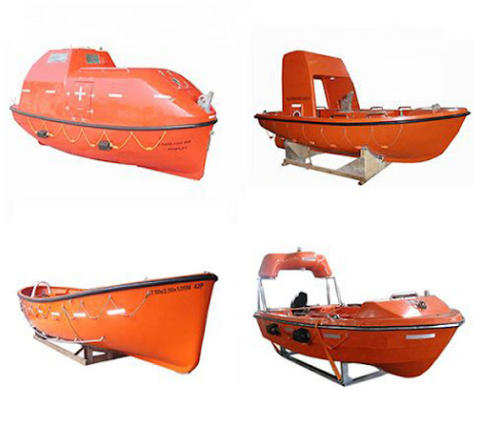
Table of Contents
Understanding the Functions of Rescue Boats in Emergency Operations
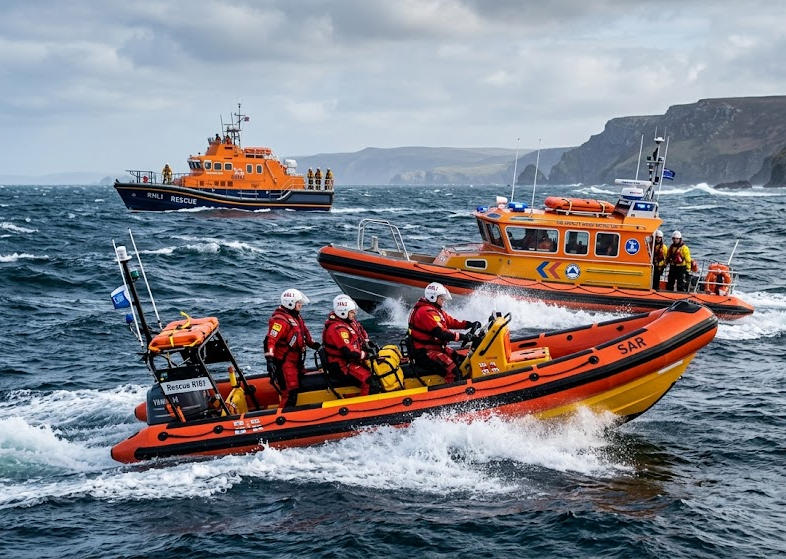
Rescue boats are meant more for active emergency response than for long-term survival, so their purpose is pretty straightforward, locate someone, come close, and then recover people who are struggling at sea.
You will usually see these boats in man overboard events, where a quick reaction is needed to save the person who ended up in the water. They can also help a damaged vessel, pull survival craft alongside, carry injured crew members, and support emergency evacuation work too.
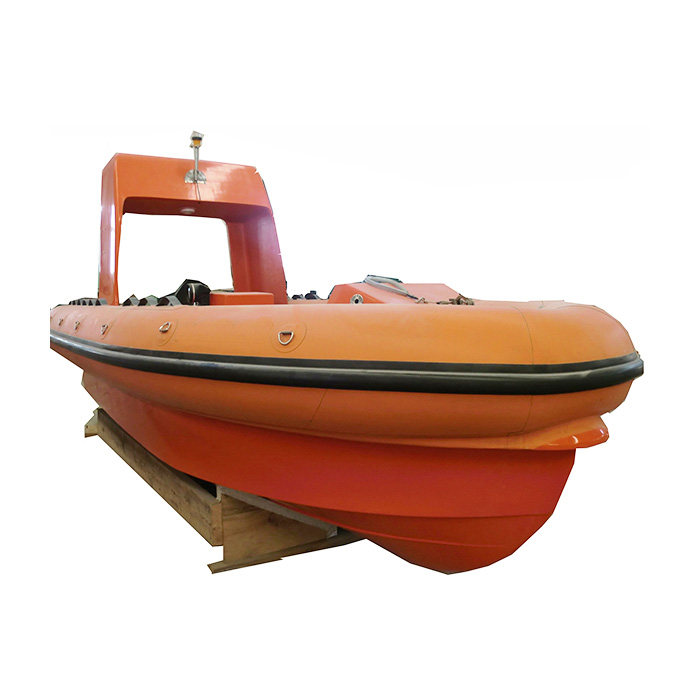
Since the whole rescue cycle often depends on fast movement and accurate steering, rescue boats are made with strong maneuverability and powerful propulsion. Their layouts let a trained crew work efficiently even when the sea conditions turn difficult.
A lot of rescue boats also carry specialized gear, like rescue ropes, lifting devices towing systems, searchlights, communication tools, and recovery equipment. With these tools rescue teams can respond quickly and more safely when something goes wrong.
The Role of Lifeboats in Maritime Safety
Lifeboats are a basic part of a vessel’s life-saving equipment system, and usually they are the main way for people to leave a ship or offshore structure when conditions become unsafe. Their main intent is to let passengers and crew members evacuate in a controlled manner. They also create a temporary survival environment where people can stay sheltered, protected, until rescue teams reach the scene.
Modern lifeboats are built so they can handle challenging marine conditions, even when the weather feels relentless. The hulls tend to be quite strong, along with buoyancy systems that keep things steady, and the protective design details helps a lot with staying stable in rough waters. Many of them are fully enclosed, which means occupants are shielded from strong winds, heavy rain, cold temperatures and waves, at the same time.
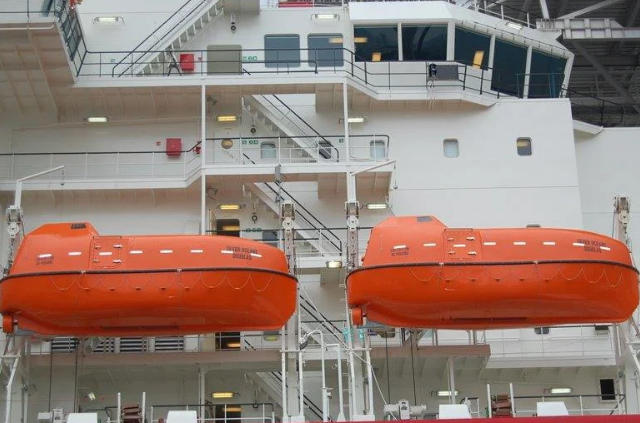
Most life boats also carry survival essentials, like emergency food supplies, drinking water, first-aid gear, signaling tools, navigation instruments, and communication equipment. This kit is meant to sustain the people inside for extended time spans, particularly if rescue takes longer than expected.
In commercial shipping, passenger vessels, and offshore work sites, life boats act as a key escape option, when evacuation is unavoidable, for example after a sinking event, a fire situation, or major structural damage.
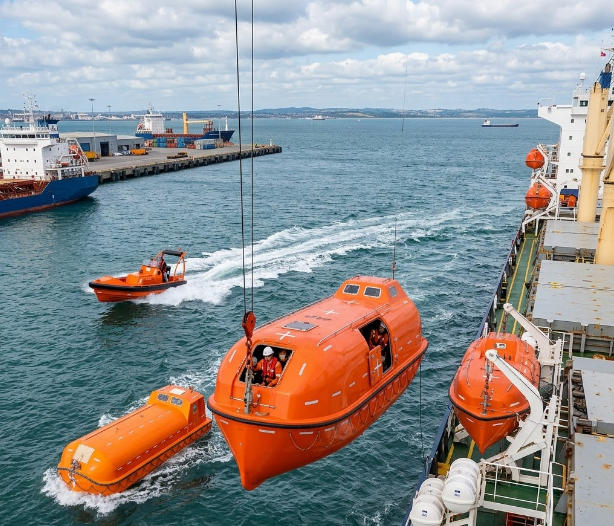
Key Differences Between Rescue Boats and Lifeboats
Figuring out the main differences between rescue boats and lifeboats helps ship operators, offshore facilities, and maritime staff select the right equipment and keep emergency response working properly.
1. Purposes and Roles in Emergency Situations
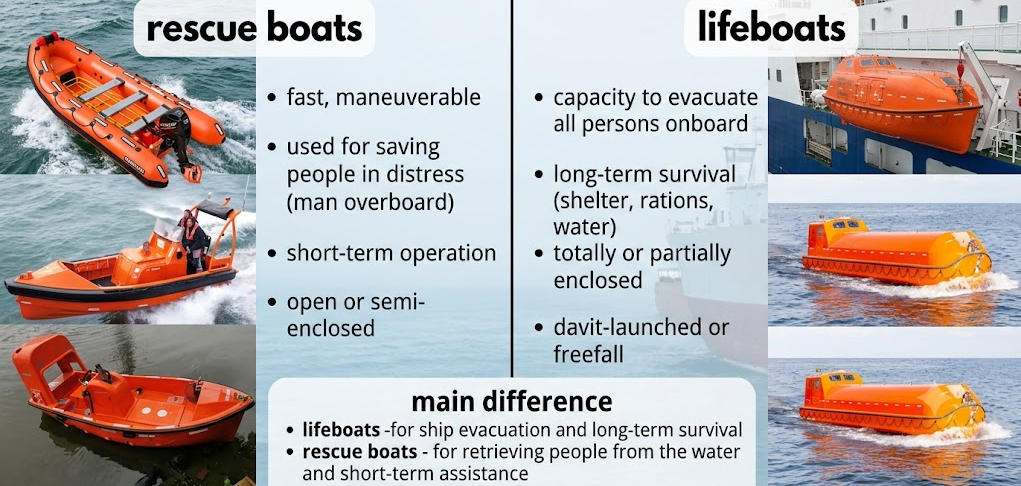
The biggest difference between rescue boats and lifeboats is the job each one is meant for. Lifeboats are built as a safe way of escape during serious maritime emergencies like ship fires, collisions, flooding, or a full sinking scenario. The main goal is to keep passengers and crew alive after they evacuate, by offering cover, needed supplies, and solid defense from rough ocean conditions.
Rescue boats work a little differently. Instead of being mainly for getting everyone off the ship, they are meant to back up rescue work. A rescue boat helps a trained team move fast toward people who have gone overboard, help those who are injured, tow disabled survival craft, and give immediate practical support while the incident is still unfolding.
So, even though both belong to the same emergency picture, a life boat is about survival after leaving the vessel, and a rescue boat is about taking action while the rescue is happening.
2. Design and Construction
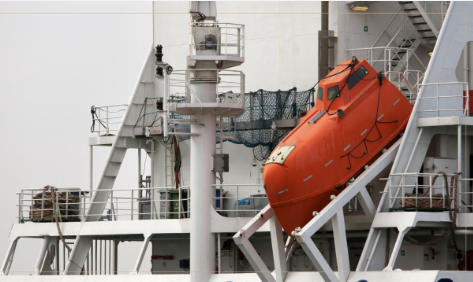
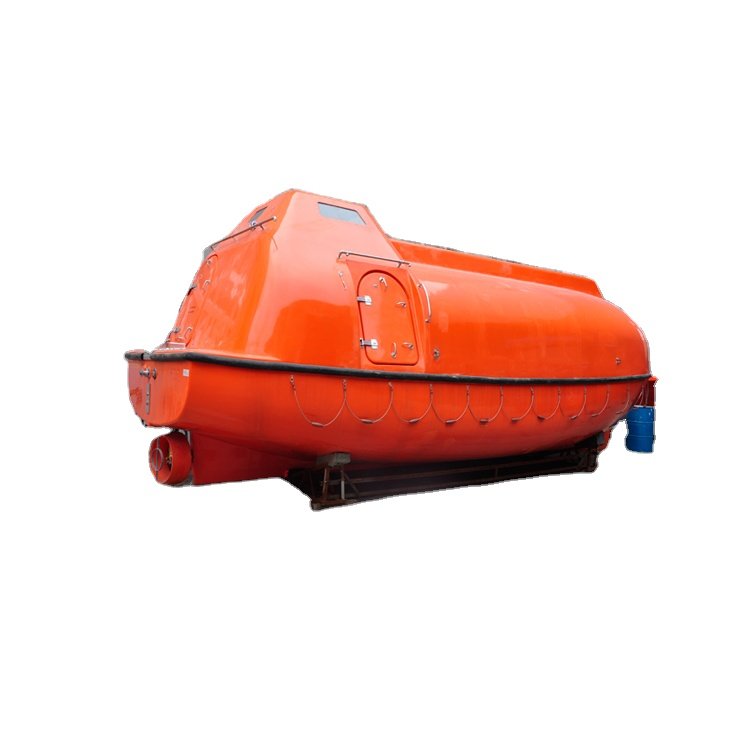
The design philosophy behind lifeboats really leans into durability, protection, and extended survival in practice. A lot of lifeboats are fully or partly enclosed, so occupants get shielded from wind, waves cold temperatures and other hazardous conditions. Their strong structure is made to deal with rough seas, and to keep a secure area going while everyone is waiting for rescue, even when things feel unstable.
Modern life boats are commonly fitted with emergency supplies, navigation tools, communication gear, propulsion systems, and various protective systems that let people endure for a long while.
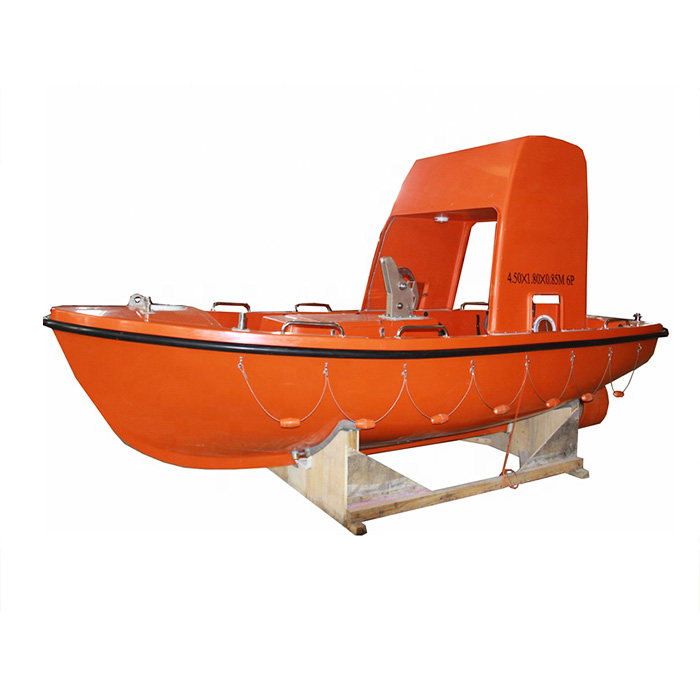
Rescue boats tend to have a more flexible, lightweight design, because they need to travel fast and work efficiently during urgent response. Quite a few rescue boats are open, or only partially enclosed, so responders can reach people in the water without too much delay. Their design focuses on speed, maneuverability, and daily operational efficiency rather than prolonged survival.
3. Speed and Maneuverability
Speed and maneuverability matter a lot and they are what separate rescue boats from lifeboats in practice. Lifeboats are made mostly to get away from a damaged vessel and sit in a safer spot. Their speed is usually enough for evacuation, but it is not tuned for immediate action or fast reaction.
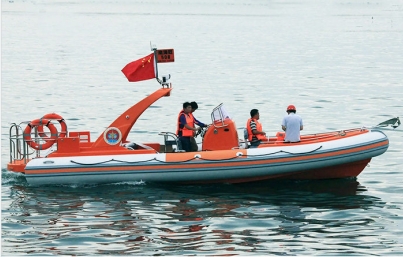
Inflatable fast rescue boats need better handling because they have to come alongside people in rougher waters. They should turn rapidly, steer around obstacles, and stay working near ships, platforms, or offshore structures. Because of that, rescue boats are often fitted with stronger engines and improved control systems so they can respond without much delay when something happens.
Being able to reach people in distress as soon as possible is why rescue boats are such a critical piece in maritime rescue operations.
4. Capacity and Equipment
Lifeboats usually have a bigger passenger capacity, because they are built to evacuate a lot of people in one moment, at the same time. Commercial vessels and offshore installations often need lifeboats that can take in the whole crew and also the travelers, in case of emergency.
Inside a lifeboat, the gear is angled toward survival and self-sufficiency, so occupants aren’t left struggling immediately. People aboard may have access to provisions like food and fresh water, medical supplies, signaling instruments, and protective equipment, which help them last until rescue arrives.
Rescue boats tend to have a smaller capacity since they are meant to move rescue staff and recovered individuals, not to host an entire ship’s population. Their equipment is oriented to urgent response, such as rescue lines, towing tools, searchlights, communication devices, and aids meant for assisting injured persons.
5. Launching and Operation
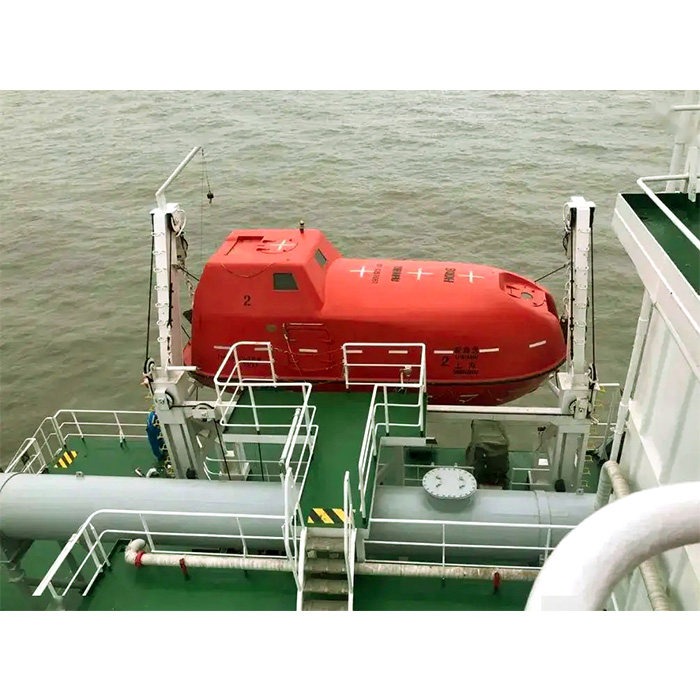
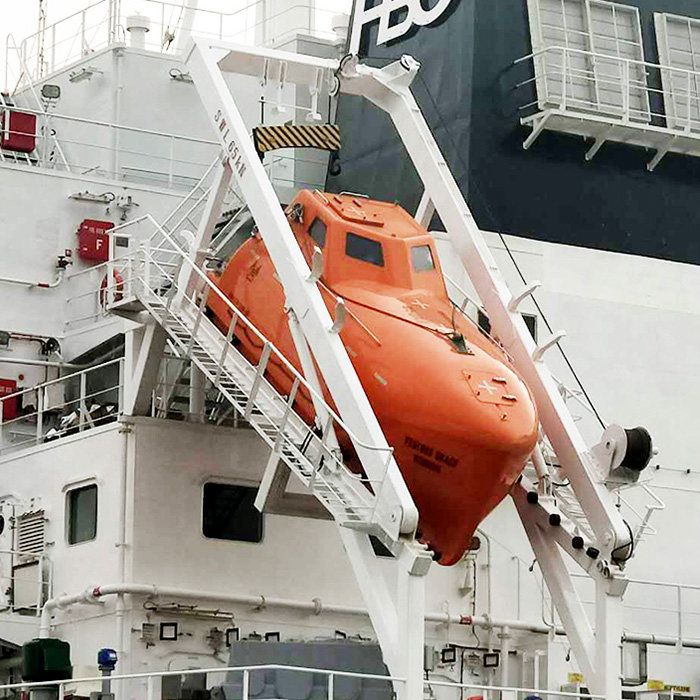
Life boats are usually kept in special spots, and they are launched only when something serious happens, or during scheduled safety drills. The whole lifeboat launching system is made so passengers can get out fast and in a secure way. On many newer ships, you will see enclosed lifeboats working with davit launching equipment, or they use free-fall arrangements for release.
Rescue boats, on the other hand, are meant for more frequent use. Because they might be involved in training activities, regular rescue prep, and also real emergency response, their launching systems need to handle repeated cycles. Crew members have to learn how to manage these rescue boats smoothly, even when the weather shifts, or the sea gets choppy.
6. Regulatory Requirements
Both rescue boats and lifeboats must follow international maritime safety rules. The International Maritime Organization, IMO, sets out the expectations for how survival craft are designed, how they are tested, how they get maintained, and how they are used in daily operations on commercial ships and offshore facilities.
Yet, the requirements for each kind of craft point to their distinct roles, even if that gets a bit blurred at first. For lifeboats, the rules lean heavily into evacuation capacity, staying power in rough conditions, and decent protection against the environment. For rescue boats, the emphasis shifts toward brisk response, good maneuverability, real rescue capability, and recovering people from the water without delay.
Also, routine inspections, maintenance schedules and crew training in life boats matter, so both kinds of craft stay prepared for emergencies. If any part slips, the whole thing becomes less reliable, pretty quickly.
Summary Comparison Chart
| Comparison Aspect | Rescue Boats | Lifeboats |
| Primary Purpose | Designed for active rescue operations, such as recovering people from the water, assisting survivors, and supporting emergency response activities. | Designed for emergency evacuation and survival when a vessel or offshore facility must be abandoned. |
| Main Function | Performs rescue missions and provides immediate assistance during maritime emergencies. | Provides safe shelter and survival support for passengers and crew after evacuation. |
| Design Focus | Focuses on speed, maneuverability, accessibility, and quick response. | Focuses on durability, protection, buoyancy, and long-term survival. |
| Structure Design | Usually open or partially enclosed to allow easier access to people being rescued. | Often enclosed or partially enclosed to protect occupants from harsh weather and sea conditions. |
| Speed Capability | Generally faster to quickly reach people in distress and respond to emergency situations. | Usually has moderate speed mainly for moving away from a dangerous vessel and maintaining a safe distance. |
| Maneuverability | High maneuverability for operating in rough seas, narrow spaces, and rescue areas. | Lower maneuverability compared with rescue boats because survival is the primary objective. |
| Passenger Capacity | Carries fewer people because it is mainly used for rescue teams and recovered individuals. | Designed to carry larger numbers of passengers and crew members during evacuation. |
| Equipment Focus | Equipped with rescue tools such as towing equipment, rescue ropes, searchlights, and recovery devices. | Equipped with survival supplies such as food, water, first-aid kits, signaling devices, and protective equipment. |
| Operational Use | Used during man-overboard incidents, emergency recovery operations, and assistance missions. | Used during ship abandonment caused by sinking, fire, collision, or other major emergencies. |
| Engine and Propulsion | Often equipped with powerful engines for rapid movement and quick response. | Equipped with reliable propulsion systems designed for safe evacuation and survival. |
| Launching Frequency | Designed for frequent launching during drills, training, and rescue operations. | Mainly launched during emergencies or scheduled safety exercises. |
| Crew Requirements | Operated by trained rescue personnel who perform emergency response tasks. | Occupied by evacuated passengers and crew members under emergency procedures. |
| Environmental Protection | Provides limited protection because quick rescue response is the priority. | Provides stronger protection against wind, waves, cold, and extreme marine conditions. |
| Typical Applications | Commercial ships, offshore platforms, coast guard operations, and marine rescue services. | Cargo ships, passenger vessels, offshore installations, and other SOLAS-regulated vessels. |
How to Choose Between Rescue Boats and Lifeboats
Selecting between rescue boats and lifeboats depends on the working conditions and the safety requirements at hand.
- A rescue boat provides the ability to actively respond to emergencies and save people in the water.
- A lifeboat provides a secure escape option when evacuation is necessary.
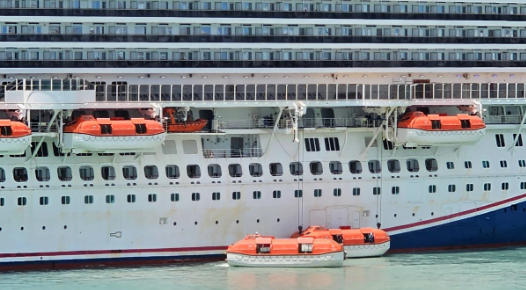
- In many marine environments, including commercial shipping, offshore platforms, and passenger vessels, relying on only one type of survival craft would limit emergency response capabilities. The combination of reliable lifeboats and capable rescue boats provides a more comprehensive approach to protecting human life at sea.
Final Thoughts
Even though rescue boats and lifeboats both count as important maritime safety gear, they do not really do the same job. Rescue boats are more about quick reaction, recovery, and emergency aid, while lifeboats are more about survival, evacuation, and protection when people have to abandon ship. Also, having a clear idea of how these two marine craft compare helps operators choose appropriate equipment, strengthen emergency readiness and improve safety for passengers and crews.