
How to Choose the Right Marine Rubber Fender for Your Port
Global shipping traffic keeps increasing, and ships are becoming larger and heavier. The issue of vessel berth safety and infrastructure protection is becoming more and more troublesome for ports and harbors. The marine rubber fender system is one of the most important parts of a modern port. The rubber fenders, when correctly chosen, play a major part in absorbing the energy during the vessel’s berthing, protecting the quay structures, and reducing casualties to the vessel.
This manual is mainly addressed to the professionals of the ports in terms of engineering and procurement, giving them an equal chance to get involved with the process of selecting the right marine rubber fender, considering all the technical parameters, and also going for a well-known rubber fender manufacturer that will provide long-term operational safety and cost effectiveness.
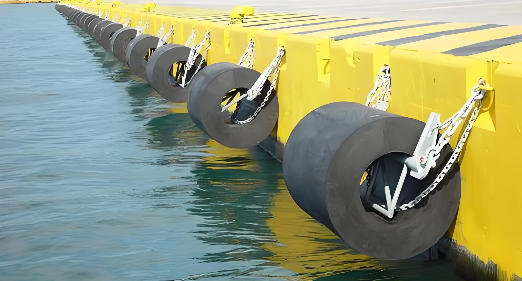
Table of Contents
What Is a Marine Rubber Fender System?
The marine fender system section with the rubber fenders is a defensive setup which is constructed at the sea ports, harbors, and the like in order to absorb the energy of ship-movement, Fender physics is causing the kinetic energy to be transformed into the elastic deformation of the fender material which in return is reducing the forces that result in the contact of the ship’s hull and the quay wall.
Usually, the whole fender system comes with these parts:
- High-performance rubber fender body
- Front panel or frontal frame
- UHMW-PE facing pads for low friction
- Anchor bolts and mounting hardware
The suit combination creates a firm and strong port rubber fender system that is capable of providing protection from the dock wall for the new ship at all times, even in extreme tidal and heavy-traffic days as well as repeatedly dolphins in the case of the same-equipped.
Why Marine Rubber Fenders Are Critical for Ports and Harbors
From a port owner’s or procurement manager’s viewpoint, rubber fenders are not just accessories—they are structural safety systems.
Key reasons rubber fenders are essential:
- Protection of port infrastructure: Reduces structural stress on quay walls and piles
- Vessel safety: Prevents hull damage during berthing operations
- Operational continuity: Minimizes downtime caused by repair or accidents
- Cost control: Lower long-term maintenance and replacement costs
In the context where ultra-large container ships, LNG carriers, as well as bulk carriers are being built, the choice of the proper rubber fender for port and harbor applications has become a crucial engineering decision instead of merely a regular purchase.
Main Types of Marine Rubber Fenders
Understanding different marine rubber fender types is essential for correct selection and procurement.
| Fender Type | Key Advantages / Features | Typical Applications | Energy / Performance Notes |
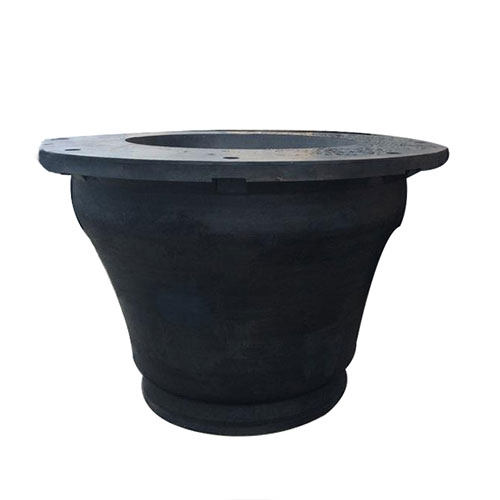
| Cone Rubber Fender | – High energy absorption capacity | Container ports, oil & gas terminals, deep-water berths | Suitable for large vessels and high berthing energy |
| – Stable performance under large deflection | |||
| – Low reaction force | |||
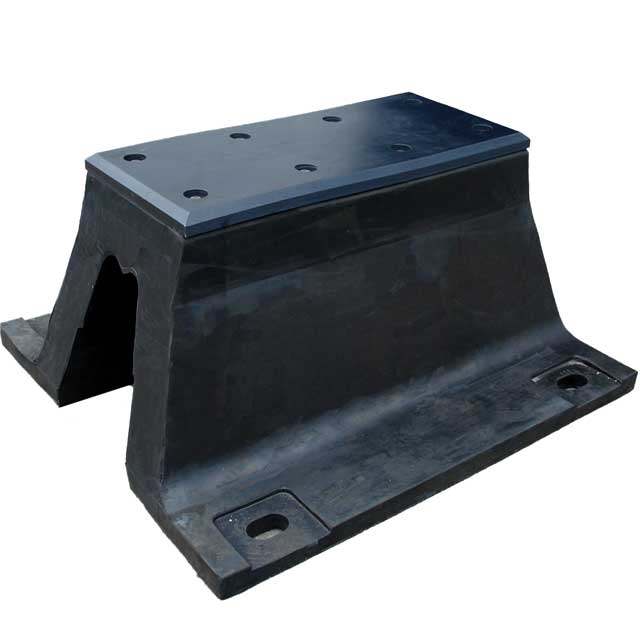
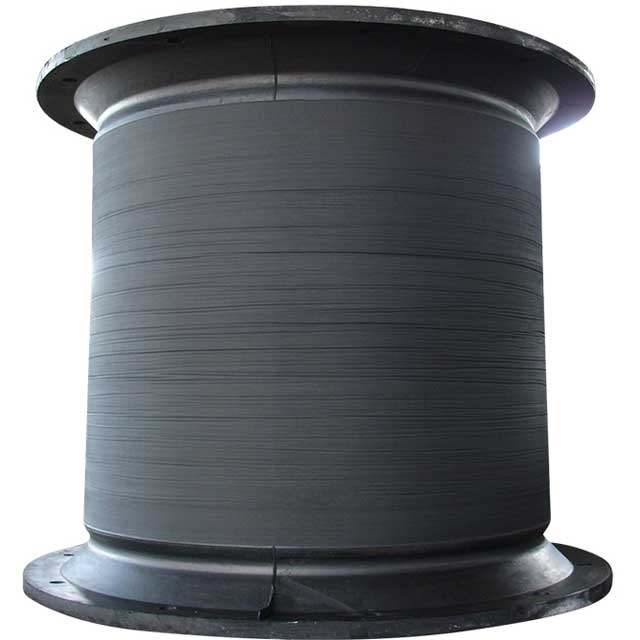
| Cell Rubber Fender | – Proven and reliable design | General cargo ports, bulk terminals, multipurpose harbors | Suitable for medium to high energy berthing |
| – Flexible mounting options | |||
| – Versatile performance | |||
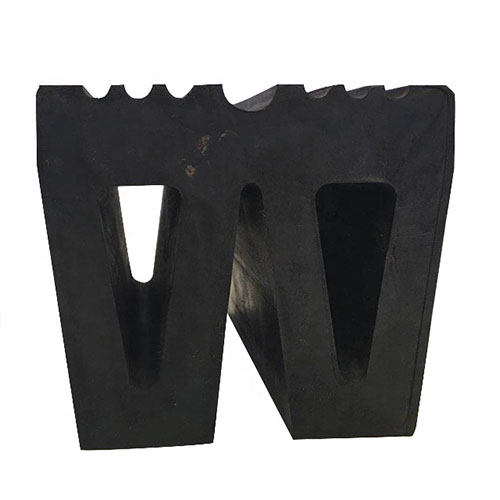
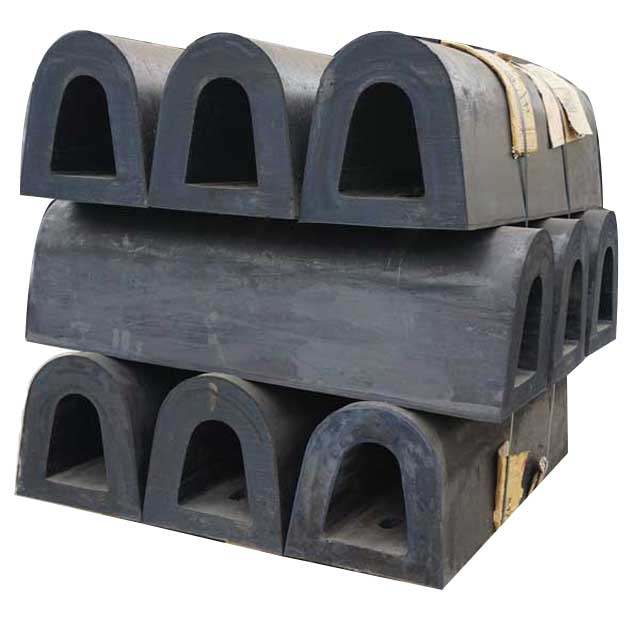
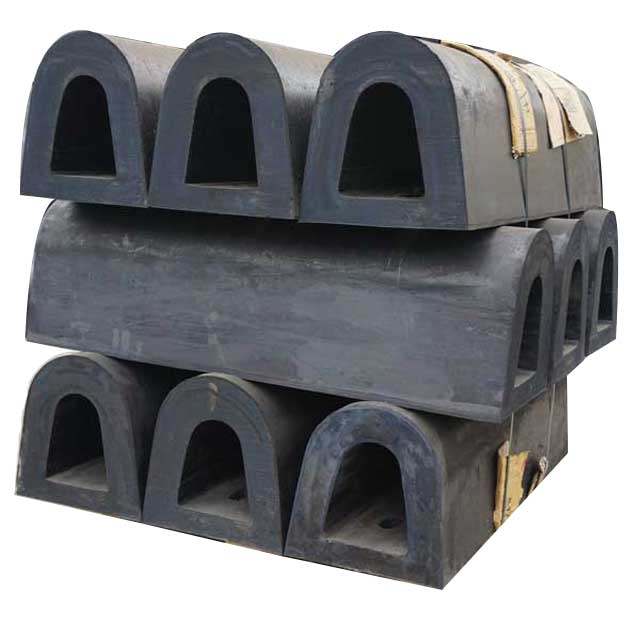
| Arch Rubber Fender | – Simple structure and easy installation | Small and medium-sized docks, retrofit projects | Balanced performance and cost |
| – Moderate energy absorption | |||
| – Cost-effective | |||
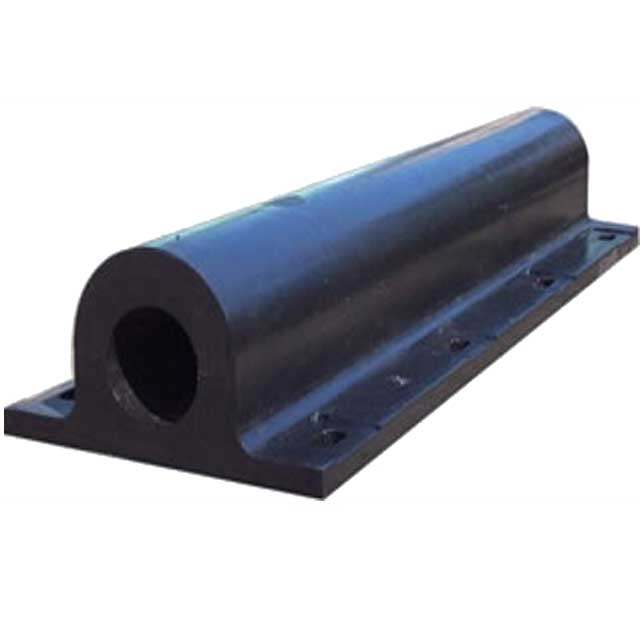
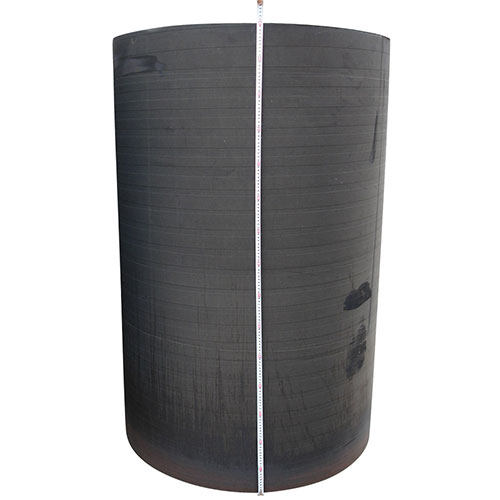
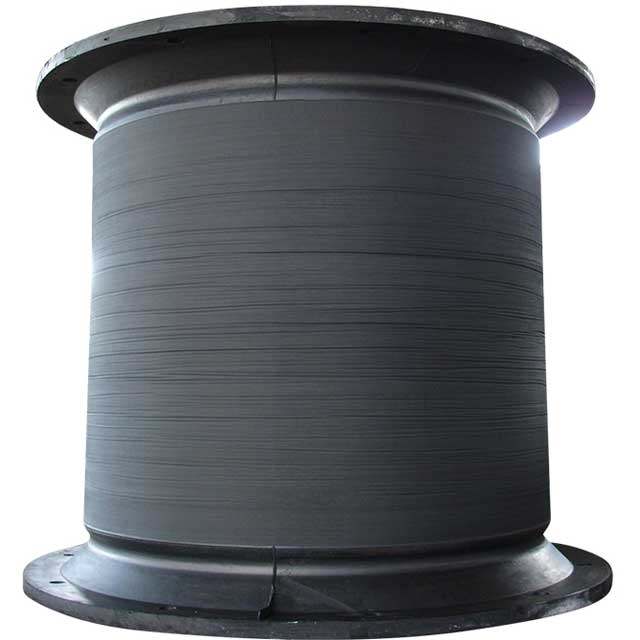
| Cylindrical Rubber Fender | – Simple cylindrical shape | Small jetties, fishing ports, temporary berthing facilities | Suitable for low-energy berthing |
| – Easy replacement and maintenance | |||
| – Economical solution |
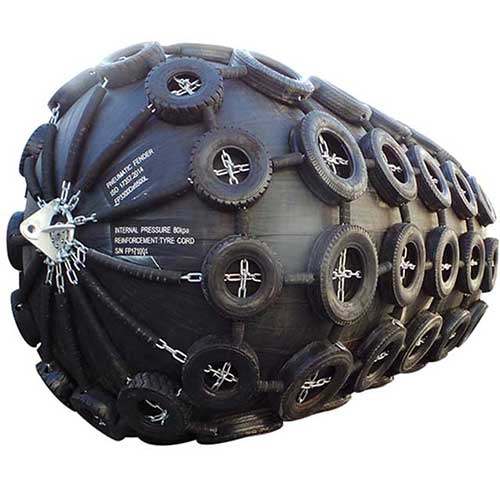
Marine Rubber Fender Applications by Industry
The distinct sectors have technical and operational problems sector-wise, and marine fender systems have to meet the requirements that are specific to each of these sectors in terms of safety, efficiency, and durability.
The following are some of the applications that are common in the different industries:
- Container Terminals: The terminals at these locations always have high berthing energy of high-volume vessels and a high turn-around rate in their operations, so they need fenders that have a high energy absorption capacity and low reaction force to protect both the ship and the quay structure.
- Bulk Cargo Ports: These ports handle vessels that carry heavy loads, and the berthing angles they operate at could be the variable angles (e.g., when side-on loading is being done), so they need fenders that are very strong to resist the pressure and forces that may not be even.
- Oil & Gas Terminals: The fender systems at the oil & gas terminals are the ones that very strictly follow the safety protocols and environmental protocols at the same time. They are the most reliable fender systems, and they must be fire-resistant, as well as having performance that is consistent with the strictest operational standards.
- Ferry & Ro-Pax Terminals: Involving high-frequency docking schedules and putting passenger comfort and safety at the top, the use of fenders that reduce the impact forces and at the same time allow smooth and easy mooring is a must at these terminals.
- Naval Bases & Shipyards: The berthing at these places has to be precise for many different kinds of vessel and the durability that is required for to be able to stay in use around the clock is very high, which very often requires fenders to be one of the mooring aids, and they would be something out of the ordinary, such as the berthing arrangements in shipyards.
- Offshore Platforms: Operating in the harshest marine environment at the same time and having continuous harsh weather, need fenders that are made of state-of-the-art rubber compounds, which are resistant to ozone, UV radiation, and saltwater corrosion.
The selection of the most suitable rubber fender for port and dock protection is a very important and critical engineering decision, which needs a very specific match between fender performance characteristics and the particular site conditions, including vessel size, berthing velocity, tidal variations, and structural limitations.
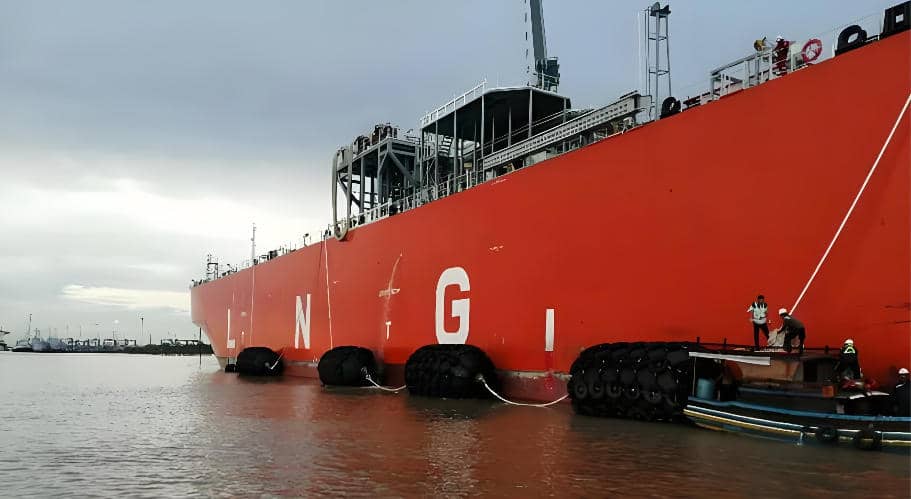
Key Technical Parameters When Selecting a Rubber Fender
For the prudent evaluation of the fender products, energy absorption, and certification data are the main requirements, even if the appearance, prices, or both are not included.
Among the selection criteria are the following:
- Energy Absorption (EA): The primary criterion is the total amount of kinetic energy (in kNm or kJ) that can be absorbed by a fender during the impact of a vessel. Higher EA values are required for larger vessels or vessels with faster berthing speeds.
- Reaction Force (RF): It is the force (in kN) shared between the wall of the quay and the hull of the vessel. The less the reaction force is, the better, if for a given energy absorption it is smaller, as it helps to reduce stress on the port’s infrastructure and the vessel itself.
- Fender Deflection & Performance Curve: This is the maximum deformation, usually represented as a percentage of the initial height of the fender. The high-performance fenders that are able to be subjected to big deformations (e.g., 55-60%) still have a constant, known reaction force, as can be noticed in the force-deflection curves.
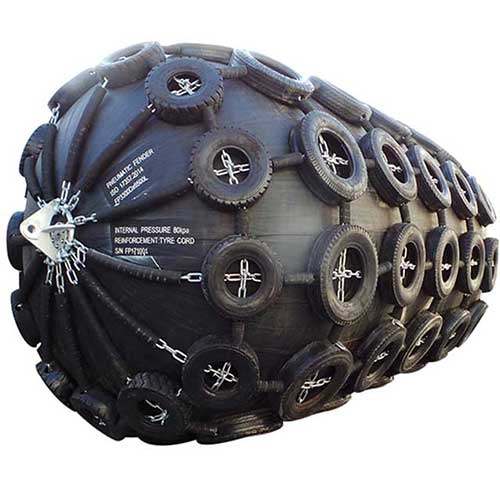
- Compliance with Design Standards: Fender manufacturers develop and test products according to standards set by the World Water Transport Infrastructure Association PIANC or relevant ISO standards (like ISO 17357 for pneumatic fenders), thus providing performance and safety margins that have been verified.
A good manufacturer has to come up with a full set of technical documents as part of his/her offering, such as, but not limited to, test reports duly certified by an accredited third-party test laboratory, detailed calculation sheets for certain berths, and material specifications.
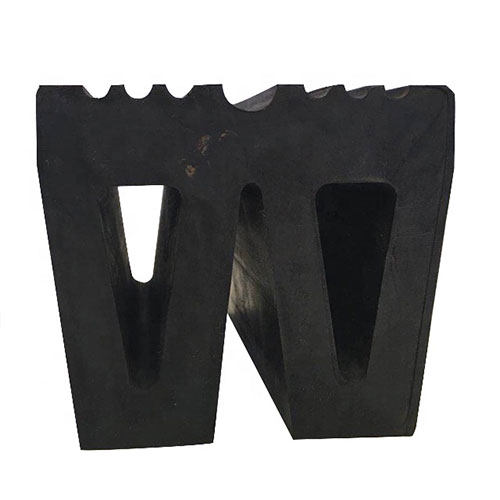
How to Choose a Reliable Marine Rubber Fender Manufacturer
The choice of a supplier who has the required expertise is as critical for port infrastructure projects as selecting the right type of fender, since it determines not only the success of the project in the long run but also the lifecycle costs that are associated with it.
In order to choose a reliable supplier, the following evaluation criteria areas should be included in a key supplier evaluation criterion:
- Proven Project Portfolio: It should have been involved with large-scale projects in the port, harbor, and offshore sector worldwide, and this must be attested to by references.
- Engineering & Customization Capability: The supplier should have competent engineers who can do the required design, carry out the performance calculations, and generate manuals for specific products that go beyond the ones that are listed in the catalogues.
- Certification & Quality Assurance: The company should certify the fact that it has strict and controlled quality checks that are implemented and that they are in line with the international standards of PIANC and ISO. The equipment should also have the CE mark and a related certificate. Raw material inspection and final product testing must be the standard procedure that is followed.
- Technical Support & Service: It should have, among others, a clear policy on logistics, and a 24/7 just-in-time delivery network, which would include at least one port with spare parts and experienced staff available at all times, etc.
Teaming up with a skilled, knowledgeable marine fender provider who has hands-on experience will help you decrease and control the uncertainties of your project, and also ensure the full functionality and durability of the anchoring system over the years.
Custom & OEM Marine Rubber Fender Solutions
An individualistic sort of operational profiles, structural layouts, and environmental conditions is typical in every port. Currently, the average fender products available in the market may sometimes fail to fulfill the customers’ expectations to the fullest extent and consequently, may not serve the purpose well.
A professional OEM provider that manufactures original equipment to be sold under the name of another company gives custom solutions, such as:
- Customized Specifications and Resistance Measures: The fenders are created so that they meet the particular energy absorption, size, and shape requirements found outside the boundaries of the standard ranges.
- Special Rubber Compounds: Developments of mixtures which are used in harsh temperature areas, as well as those with high abrasion resistance and those that resist oils, ozone, and UV exposure greatly.
- Tailor-made Fastening Systems: Design of the chain, bracket, or panel systems that are compatible with both new constructions and retrofits in existing quay walls is made together in order to get the best solution.
- All-around Engineering Backup: Thorough guidance is available throughout the whole design process; drawings for the installation, as well as technical help, are given on-site.
Especially beneficial for those managing complex, large, or specialized port development projects are the fendering solutions made from a marine rubber material.
Installation, Maintenance, and Service Life
Installing the right way is vital as it directly affects the rubber fender system’s output, safety, and operational time.
Key factors that affect the installation and maintenance of the rubber fender system:
- Accurate Anchoring & Alignment: Making sure that the fenders are placed in the exact manner according to the design drawings and are securely anchored to resist all loading directions.
- Bolt Torque & Tolerances Checked: Using the recommended torque values on the mounting bolts and following defined tolerances to prevent premature wear or failure.
- Inspection and Maintenance Periodically: Carrying out a regular program to examine the rubber surface for cuts, abrasions, or cracking, and all metal components for corrosion, wear, or integrity.
High-quality marine rubber fenders can deliver reliable service for 15–20 years or even more with proper selection, installation, and periodic maintenance, meaning a long-term investment in port infrastructure rather than just a consumable item.
Why Choose a Marine Rubber Fender Manufacturer from China
In recent years, global port projects have increasingly turned to Chinese manufacturers to fulfill their marine fender needs because they are the third best in the world.
- Cost-Effective Manufacturing: More than just competitive pricing, they would also give value to large-scale procurements without losing the highest levels of international quality.
- Large-Scale Production Capacity: They can manufacture in bulk without a hitch, meeting order deadlines and various requirements of giant port projects.
- Advanced Rubber Technology: Their in-house developed, unique technology in the area of rubber compounding and molding places them as a top employer of the best young engineers in the world.
- Flexible Customization & OEM Services: Not only are they excellent at making customer design requests come alive, but they are also an all-rounder when it comes to solutions.
- Extensive Global Export Experience: The customers of this Chinese manufacturer are countless, and they have not only exported containers to various parts of the world but have also catered to the various and high-tech logistics needs of the project.
A rubber fender manufacturer in China that is highly-rated and experienced in the industry is ready to produce and deliver top-quality, certified products that will help to make the projects of port developers and contractors more efficient and economical all over the world.
Frequently Asked Questions (FAQ)
Q1: What is the lifespan of marine rubber fenders?
Marine rubber fenders typically last 15 to 20 years with good design and care.
Q2: What are the distinctions between cone and cell rubber fenders?
Cone fenders can handle more energy by dissipating it through a lower reaction force, which is why they are great for huge vessels. Cell fenders, on the other hand, are more adaptable and widely used.
Q3: What is the direction for selecting the right rubber fender size?
The size of the boat, the velocity of berthing, the structure of the quay, and the environmental conditions are important in the selection. It is recommended to conduct professional calculations.
Q4: Do marine rubber fenders conform to international standards?
Fender design depends, and good manufacturers do follow the guidelines provided by PIANC and the standards of ISO.