
How High-load Roller Fairleads Work for Offshore Mooring Systems
Offshore mooring systems are kind of a big deal for keeping vessels, floating platforms and other offshore structures steady, even when the sea is rough. In these challenging environments, high-load roller fairleads really matter, because they help the mooring system work as it should for longer. These devices guide the mooring lines and at the same time, cut down wear and tear, which in turn boosts safety and efficiency.
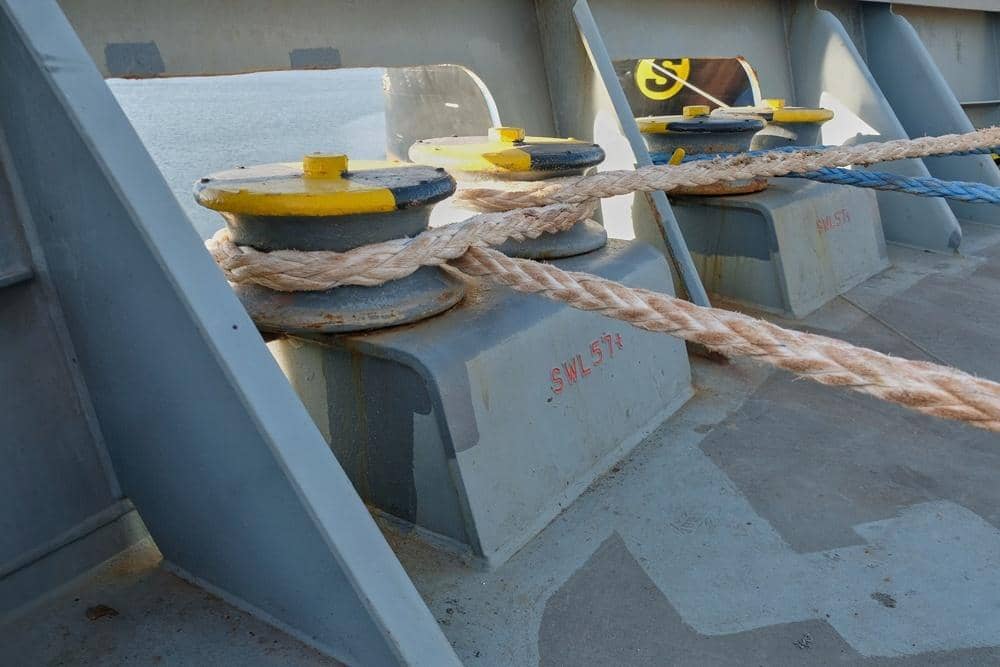
Table of Contents
Understanding the Basics of High-load Roller Fairleads
A high-load roller fairlead is basically a guiding device made to steer mooring lines along certain routes, while also lowering friction and mechanical strain. Where a fixed fairlead just forces the line to slide, a roller fairlead uses rotating rollers. Those rollers let ropes, wires or even chain segments move more smoothly as tension shifts and the line angle changes. That rolling motion, rather than dragging, helps prevent abrasion and keeps mooring gear working longer.
Out in the field, offshore conditions can mean massive loads on the lines, plus constant motion. Roller fairleads help keep the line integrity in good shape, improve operational safety and also reduce maintenance work, which everyone appreciates.
Design and Functionality of High-load Roller Fairleads for Offshore Mooring Systems
1. Structural Design
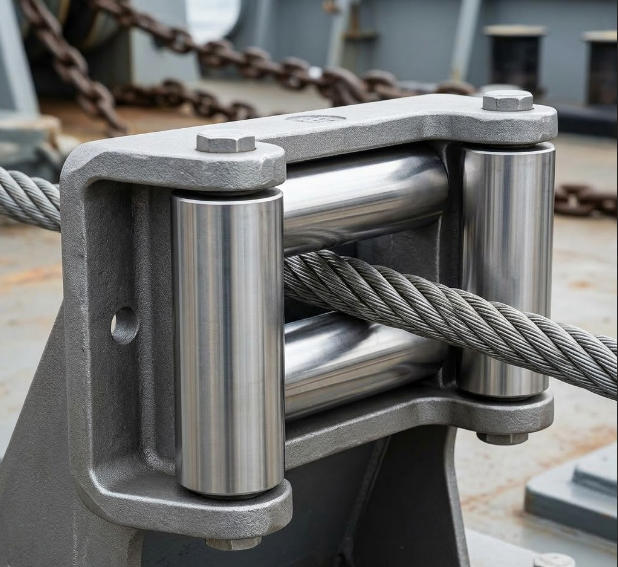
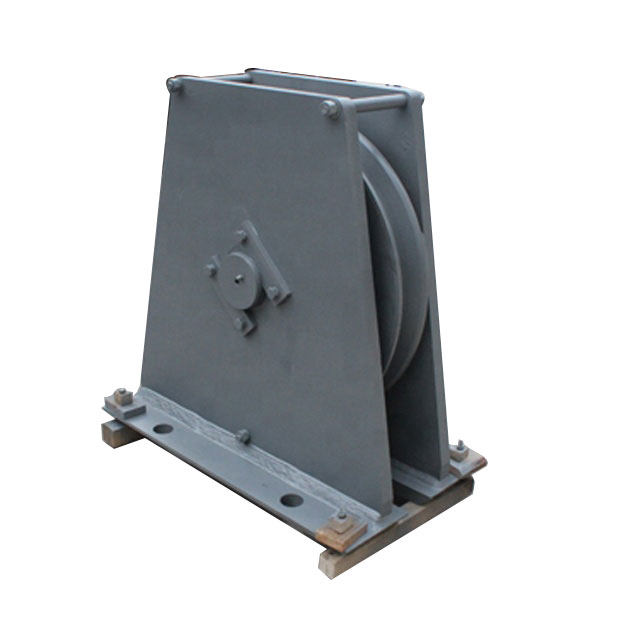
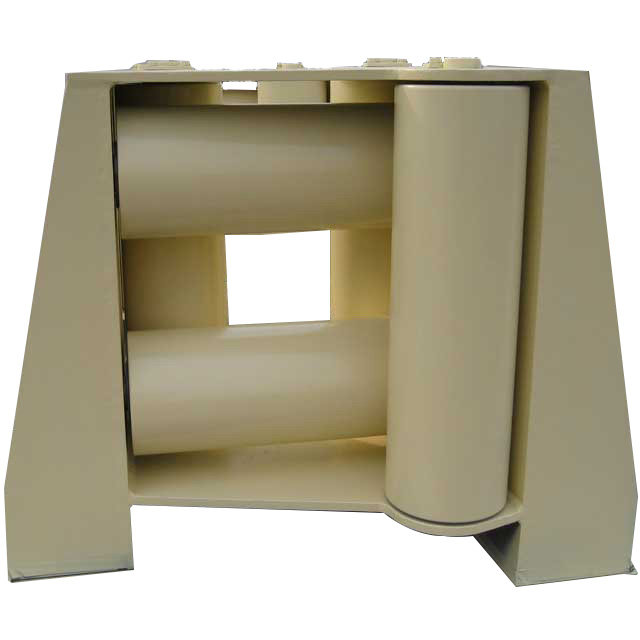
Designing high-load roller fairleads is really about strength, durability, and how well the loads are shared across the system. In practice, the main structure usually includes a robust steel frame that holds several rollers, so the mooring line can be guided along different directions without losing control.
The frame is fabricated from high-strength steel, and it is meant to resist both tensile forces and sideways loads that can be intense. Reinforced side plates plus load-bearing brackets are added to reduce the risk of bending, twisting, or other structural deformation when the equipment is operating in harsh conditions. During the design phase, engineers often apply finite element analysis to get a better view of stress patterns, and then to improve the overall reliability, especially for long-term service.
The rollers themselves are engineered to work with large diameter ropes, wire ropes, synthetic mooring lines, or chains. Depending on the use case, the rollers can be built with hardened steel surfaces, stainless steel bodies, or specialized coatings that boost wear resistance and corrosion protection.
2. Roller Arrangement and Load Distribution
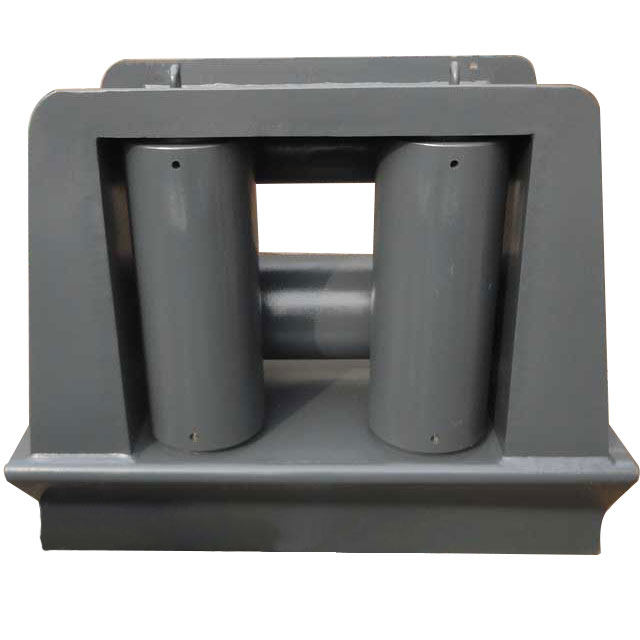
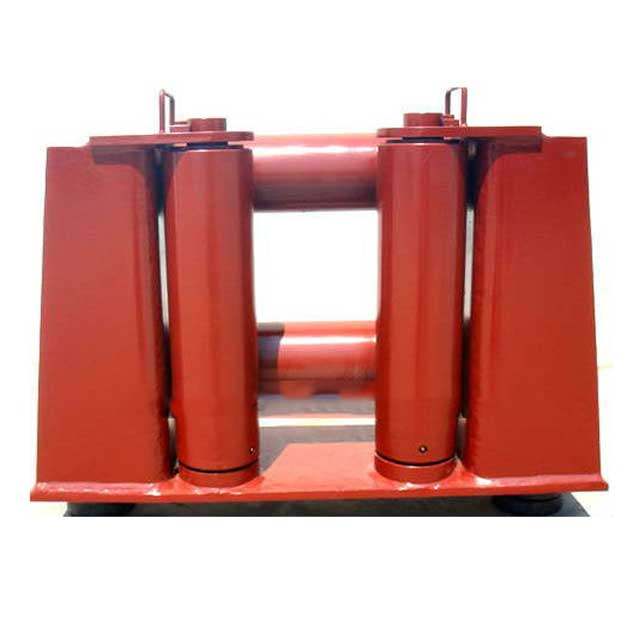
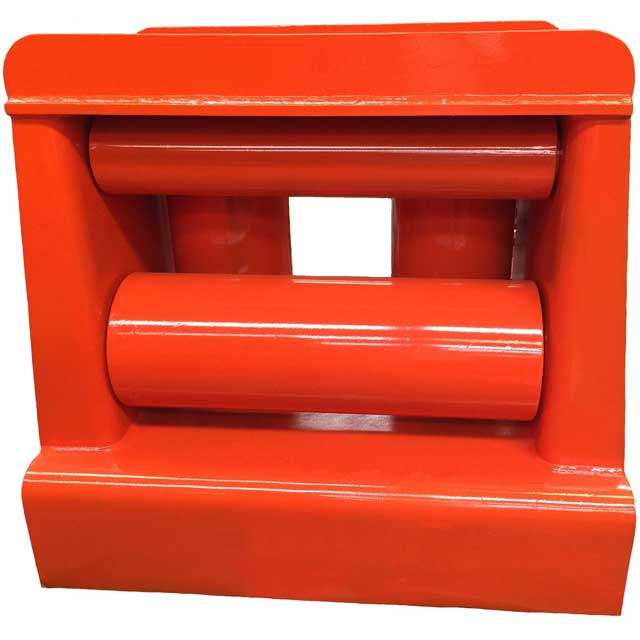
One of the most crucial aspects in roller fairlead design is the way the rollers are placed. Several rollers are positioned in a deliberate pattern so the loads are shared evenly, and so theres no overpowering pressure at just one contact point.
Horizontal rollers and vertical rollers tend to work together to steer mooring lines through changing lead angles. This setup lets the fairlead handle multidirectional forces that show up in offshore work. By spreading the contact forces across multiple roller contact points, the system helps limit localized abrasion on both the rollers and the mooring line.
Proper roller alignment is essential if you want smooth line travel, and also to reduce the energy loss that shows up because of friction. Precision manufacturing makes sure those rollers rotate freely while still keeping consistent load-sharing.
3. Bearing Systems and Rotational Performance
The overall efficiency of a roller fairlead depends a great deal on how the bearing system performs. Most high-load roller fairleads use heavy-duty bearings built to handle real radial forces and axial forces, but still keep a clean roller rotation.
In modern designs, you’ll often find sealed bearings, these block seawater, sand, and other contaminants from getting inside. With those enclosed arrangements, maintenance demands go down, and operational reliability goes up, especially in rough marine conditions. Also, improved bearing materials and lubrication methods help the components last longer, and they extend the service life.
The low-friction rotation these bearing systems enable, helps minimize resistance when the line is moving , which in turn reduces stress concentrations and also lowers the risk of mooring line damage.
4. Corrosion Protection and Environmental Resistance
Offshore structures sit there facing seawater, humidity, salt spray, and those fluctuating temperatures. Because of that, corrosion resistance becomes a major design factor for high-load roller fairleads.
Manufacturers use multiple protective strategies such as hot-dip galvanizing, marine-grade coatings, epoxy paint systems and stainless-steel components. In certain contexts, sacrificial anodes or cathodic protection systems are also applied, to strengthen the anti-corrosion performance.
Together, these protection measures keep the fairlead’s structural stability and functional output intact across long service intervals, even in harsh marine environments.
5. Functionality Under Dynamic Mooring Conditions
Offshore mooring lines rarely stay still. Forces from the environment keep changing line tension and direction, and it makes the whole situation feel dynamic, not static at all. In that sense high-load roller fairleads are built for that kind of wandering, so they can handle the motion while still guiding the line in a controlled way.
When the mooring line shifts, the rollers rotate so they follow the line movement. That rolling action reduces friction a great deal, compared with fixed contact surfaces. Because of this the line can slide more smoothly, with less abrasion and unnecessary wear. The fairlead also manages changing lead angles, and it helps prevent tight bends that could weaken the mooring line over time.
By cutting down mechanical resistance, roller fairleads help deliver a steadier load transfer between the mooring line and the offshore structure. With that, the whole mooring system tends to perform better, and it also supports safety under changing sea conditions.
Type of High-load Roller Fairleads Used for Offshore Mooring Systems
| Type of Roller Fairlead | Design Characteristics | Typical Applications | Key Advantages |
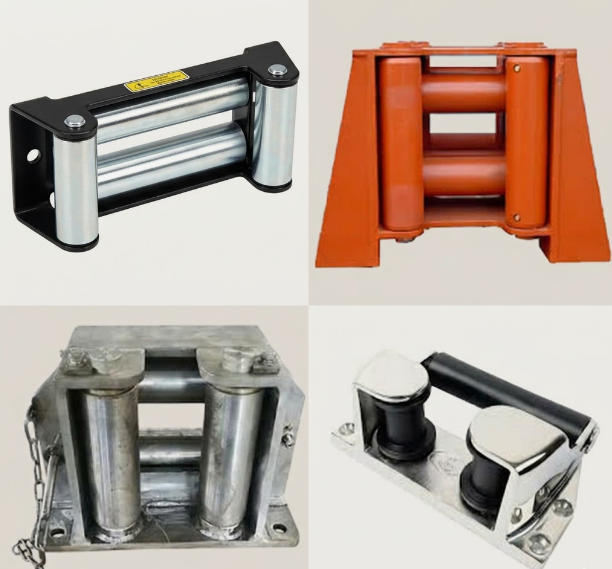
| Single Roller Fairlead | One horizontal or vertical roller to guide mooring lines. | Small vessels, simple mooring setups, shallow-water operations. | Compact, lightweight, easy to maintain. |
| Double Roller Fairlead | Two rollers (usually vertical and horizontal) arranged to accommodate moderate lead angles. | Medium-scale offshore platforms, small FPSOs. | Reduces line wear, accommodates directional changes. |
| Multi-Roller Fairlead | Multiple rollers in both horizontal and vertical directions. | Large FPSOs, semi-submersibles, deepwater mooring systems. | Distributes load evenly, handles high tension, minimizes line abrasion. |
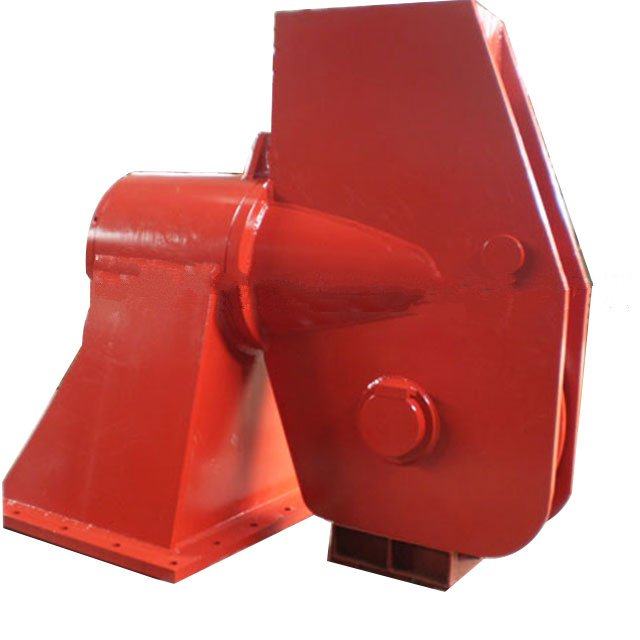
| Swivel Roller Fairlead | Rollers mounted on a swivel frame to adjust to changing line angles. | Floating wind turbines, turret-moored units, vessels in dynamic environments. | Allows multidirectional line movement, prevents sharp bends, improves line longevity. |
| Heavy-Duty Chain Fairlead | Rollers designed specifically for guiding chains or heavy wire ropes. | Offshore drilling rigs, floating production units using chain moorings. | Supports extremely high loads, reduces friction, prevents chain damage. |
| Sealed Bearing Roller Fairlead | Incorporates sealed bearings to prevent ingress of seawater, sand, or contaminants. | Deepwater and harsh offshore environments. | Low maintenance, corrosion-resistant, long operational life. |
Applications of High-load Roller Fairleads for Offshore Mooring Systems
| Application Area | Description | Benefits |
| FPSOs (Floating Production Storage & Offloading Units) | Guides mooring lines to maintain station-keeping while handling dynamic loads. | Reduces line wear, ensures stable positioning, enhances safety. |
| Semi-Submersible Platforms | Manages mooring ropes in multi-anchor configurations under deepwater conditions. | Even load distribution, smooth line movement, prolongs mooring line life. |
| Offshore Drilling Rigs | Facilitates line guidance during drilling operations with fluctuating environmental loads. | Minimizes shock loads, prevents sudden line stress, ensures operational reliability. |
| Floating LNG Facilities | Supports complex mooring arrangements with heavy tension lines. | Reduces friction, improves line longevity, maintains precise positioning. |
| Offshore Wind Turbine Foundations | Guides mooring lines for floating wind turbines to accommodate tidal and wind variations. | Enhances line durability, accommodates dynamic angles, supports long-term operations. |
| Harbor and Marine Terminal Mooring | Assists in berthing operations for vessels under changing tidal or current conditions. | Prevents line abrasion, ensures smooth docking, improves operational efficiency. |
| Deepwater Mooring Systems | Handles extreme line tension in deepwater oil & gas projects. | Reduces maintenance frequency, improves safety, distributes load evenly. |
Maintenance of High-Load Roller Fairleads for Offshore Mooring Systems
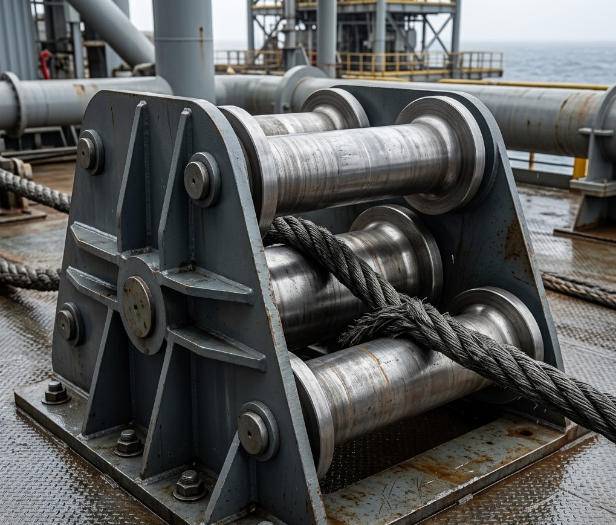
Proper maintenance of high-load roller fairleads is essential to ensure their reliability, extend service life, and prevent costly failures that could compromise the safety of offshore structures and vessels.
1. Regular Inspection
Routine inspection forms the foundation of an effective maintenance program for high-load roller fairleads. Since these components are subjected to constant mechanical stress, regular examinations help identify signs of wear, deformation, corrosion, or damage before they develop into serious problems.
Visual inspections should focus on the roller surfaces, support frames, welds, bearings, and mounting structures. Any abnormal wear patterns, cracks, misalignment, or corrosion should be carefully evaluated. Early detection allows operators to schedule repairs during planned maintenance periods, reducing the risk of unexpected downtime and equipment failure.
2. Monitoring Roller Surface Condition
The condition of the roller surfaces directly affects the performance of the fairlead and the lifespan of the mooring lines. Over time, repeated contact with ropes, wire ropes, or chains can cause surface wear, grooves, or localized damage.
Regular monitoring ensures that roller surfaces remain smooth and free from defects that could accelerate abrasion of the mooring line. Surface measurements and non-destructive testing methods may be used to assess wear levels and determine whether refurbishment or replacement is necessary. Maintaining proper roller surface quality helps preserve efficient load transfer and minimizes line damage.
3. Bearing Maintenance and Lubrication
Bearings are among the most critical moving parts within a roller fairlead. They allow the rollers to rotate freely under heavy loads while reducing friction and mechanical resistance. Bearing performance can deteriorate over time due to contamination, insufficient lubrication, or prolonged exposure to seawater.
Proper lubrication is essential for maintaining smooth operation and preventing premature wear. Maintenance personnel should follow manufacturer-recommended lubrication schedules and use marine-grade lubricants suitable for offshore environments. For fairleads equipped with sealed bearings, inspections should verify seal integrity and identify any signs of leakage or contamination.
Well-maintained bearings improve roller efficiency, reduce operating loads, and contribute significantly to the overall reliability of the mooring system.
4. Structural Integrity Assessment
The structural frame of a high-load roller fairlead must withstand substantial static and dynamic forces throughout its operational life. Continuous exposure to cyclic loading can lead to fatigue damage, particularly around welds, support brackets, and load-bearing connections.
Comprehensive structural assessments should be performed at scheduled intervals. These evaluations often include ultrasonic testing, magnetic particle inspection, and other non-destructive examination techniques to detect cracks or hidden defects. Verifying structural integrity helps ensure that the fairlead can continue to safely manage high mooring loads without compromising offshore operations.
5. Alignment and Load Distribution Verification
Proper alignment is essential for the efficient operation of high-load roller fairleads. Misalignment can result in uneven load distribution, excessive roller wear, and increased stress on mooring lines.
During maintenance activities, technicians should verify that rollers rotate freely and remain correctly aligned with the intended line path. Any deviations should be corrected to restore optimal performance. Maintaining proper alignment reduces friction, improves load-sharing among rollers, and extends the service life of both the fairlead and the mooring system.
6. Managing Wear in High-Load Applications
Offshore mooring systems often operate under extreme loading conditions, particularly in deepwater environments and regions with severe weather. As a result, wear management becomes an important aspect of fairlead maintenance.
Historical inspection data, load records, and operational conditions can be used to identify components that experience accelerated wear. Predictive maintenance strategies allow operators to replace or refurbish critical parts before failures occur. This proactive approach reduces maintenance costs and enhances operational reliability.
7. Digital Monitoring Technologies
Modern offshore facilities increasingly utilize digital monitoring systems to support maintenance activities. Sensors integrated into mooring systems can provide real-time information on loads, roller movement, vibration levels, and structural stress. These technologies enable condition-based maintenance, allowing operators to identify potential issues before they become critical. By combining real-time monitoring with routine inspections, offshore operators can improve maintenance planning, reduce unplanned outages, and maximize equipment performance.
Final Thoughts
High-load roller fairleads are indispensable parts in offshore mooring systems; they deliver enhanced durability, less friction, and, in the same breath, improved safety. They’re able to take high tensile forces and dynamic load situations, so they help guard mooring lines and offshore structures. In the end, this supports the efficient, safe running of maritime operations in challenging environments