

Sliding vs.Hinged Marine Doors: How to Make a Choice
Marine doors are critical pieces in ship design; they keep everyone safe, help daily operations run smoothly, and support environmental protection. Among the most commonly used types of marine doors, sliding and hinged marine doors show up the most. Still, what matters is the difference between them, the benefits each brings, and where they fit best, for shipbuilders, naval architects, and the people who run marine operations.
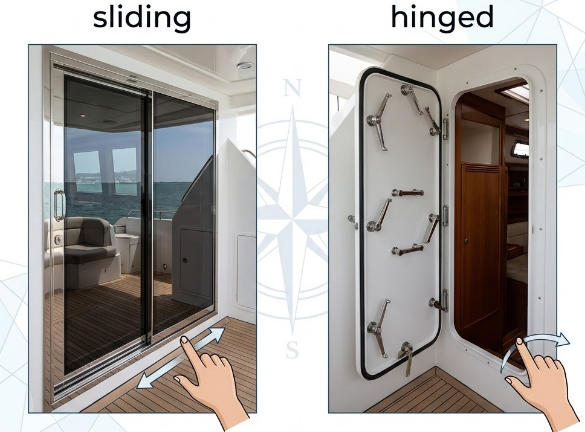
Table of Contents
Understanding Sliding Marine Doors
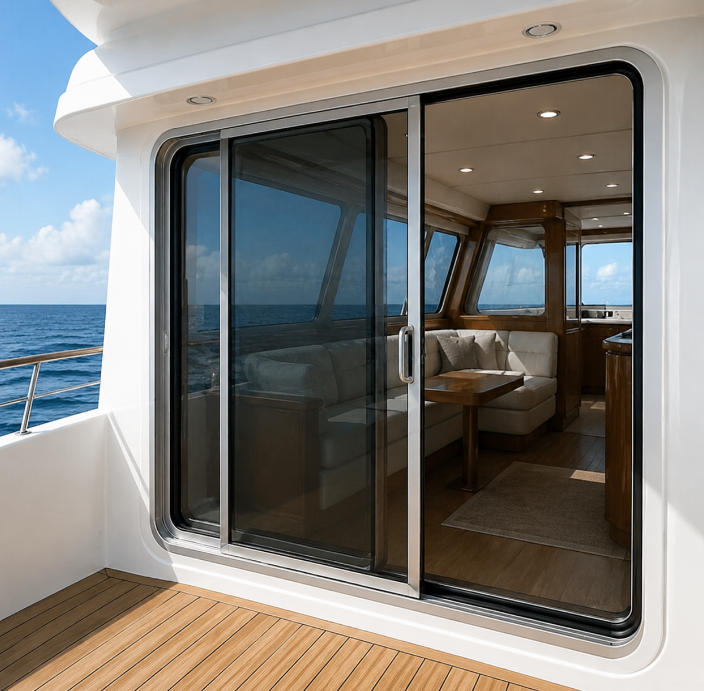
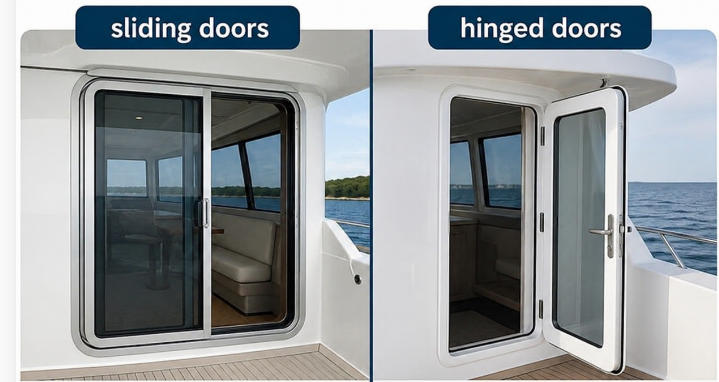
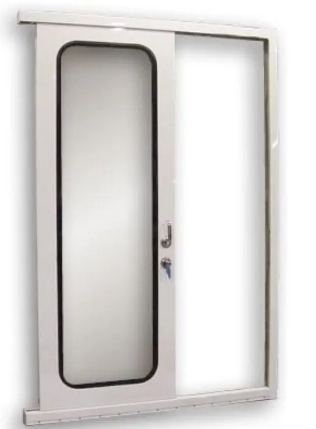
Sliding marine doors work on a horizontal rail. Instead of swinging, they shift sideways to open or close, like a traditional hinged door would not do. This style is often found where space is tight and speed is needed, for example in engine spaces, cargo holds, workshops, or those narrow passageways that feel too small. You can find sliding doors that are operated by hand, but many are fitted with automated systems for better workflow, and faster access.
Advantages
- Space Efficiency: Sliding doors do not need a swing radius, so they’re great where space is tight, or in high-traffic corridors. People and equipment can go through smoothly without getting blocked by a door leaf, which, in practice, feels more natural.
- Quick Access: Automated sliding doors, or well-designed manual ones, can open and close in a fast manner. This supports rapid transitions between compartments, especially when there is an emergency, when time matters more than usual.
- Durability Against External Forces: Because sliding doors sit inside their tracks, wind, waves, or other outside pressures are less likely to interfere with operation. As a result, accidental opening risk is reduced, even with harsh conditions around.
- Customization Potential: Sliding doors can be equipped with different materials, locking systems, and sealing methods. That way they can be tailored to specific environment demands, for example weathertight protection, or noise reduction, depending on the setup.
Limitations
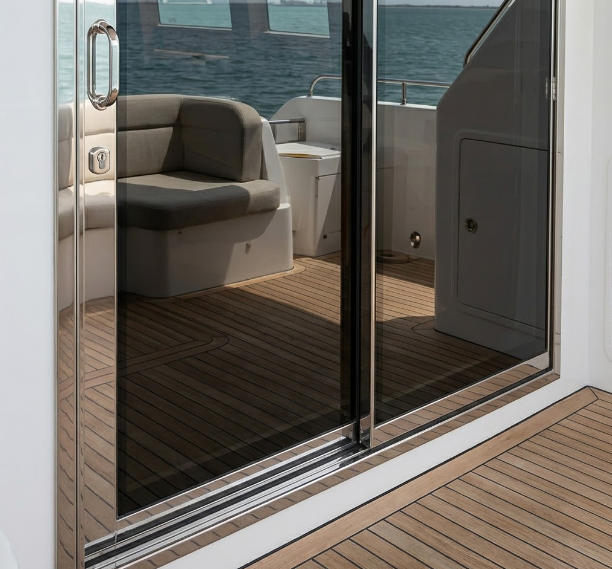
- Maintenance Needs: The track plus roller system needs regular inspection and maintenance, so to stop corrosion or jamming or even misalignment. This becomes really important in marine environments, where humidity is high and salt exposure just keeps happening.
- Sealing Challenges: Sliding doors can be built to be watertight or weathertight, but getting a perfect seal sometimes becomes more complex than with hinged doors. especially when you have high water pressure, or actual flooding conditions.
- Initial Installation Complexity: Putting sliding doors in place often calls for precise alignment, and also structural reinforcement for the track system. that can push upfront costs higher and can stretch installation time a bit, compared to other options.
- Potential Mechanical Failure: the sliding mechanism can be exposed to debris, rust, and mechanical wear. Over time it may start to hinder smooth operation, if it is not maintained properly.
Understanding Hinged Marine Doors
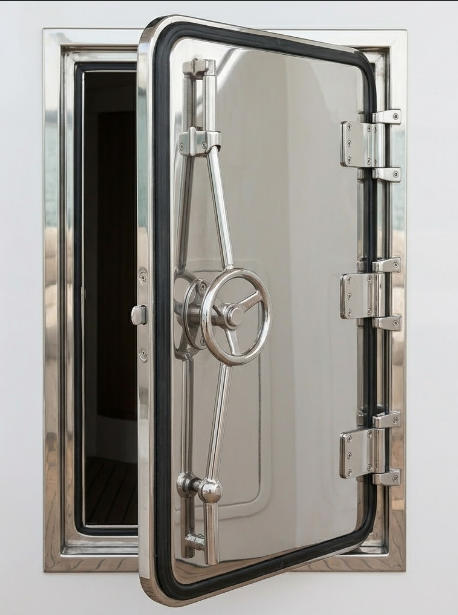
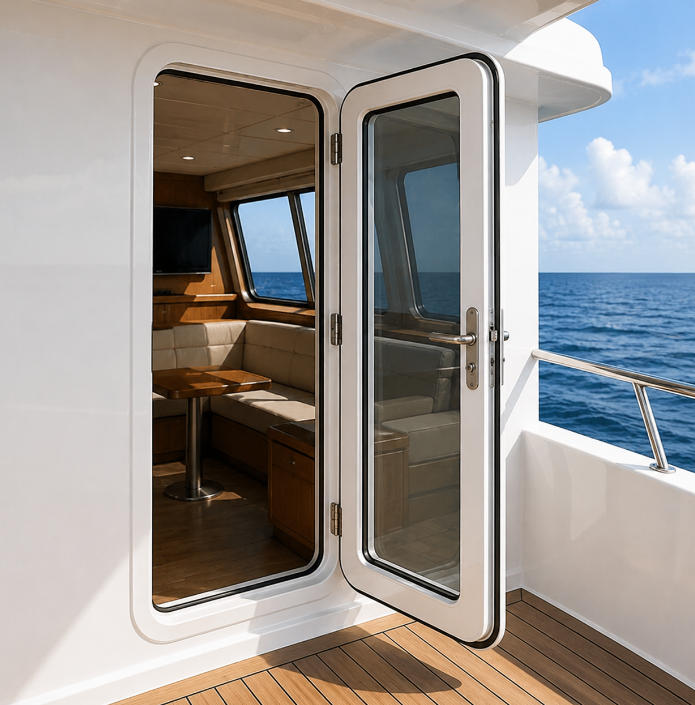
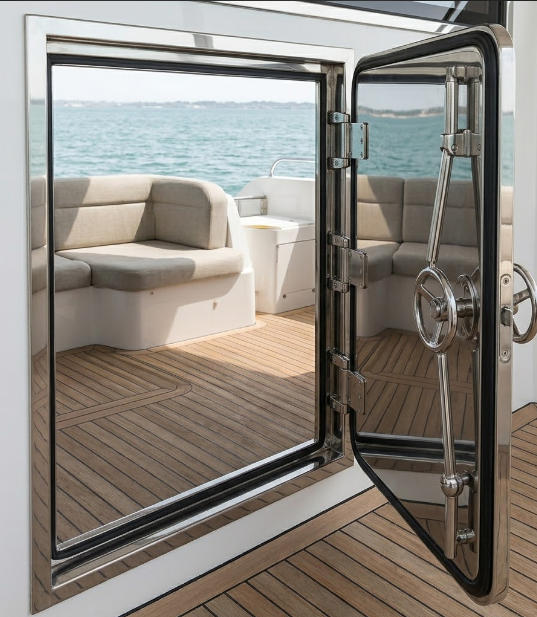
Hinged marine doors , also known as swing doors are basically the kind of doors that pivot on one or more hinges, and then they open and close. They may swing inwards or outwards, depending on what the setup needs, and they are often installed in spots where you need dependable everyday use, like crew cabins, emergency exits, and enclosed spaces that call for watertight or weathertight protection. Because they’re straightforward in construction, hinged doors are usually chosen for their reliable closure performance and overall sturdiness.
Advantages
- Simple and Durable Design: Hinged doors have fewer moving bits than sliding doors, which makes upkeep easier and reduces the odds of mechanical hiccups.
- Effective Sealing: With the right gaskets and locking parts fitted, hinged doors achieve strong watertight and weathertight sealing, giving better guarding during harsh sea conditions.
- Ease of Operation: The swinging motion feels natural, so crew members can open or close the door quickly, without special training required.
- Lower Maintenance Requirements: Hinged doors generally need less fuss, beyond occasional hinge lubrication and a quick check on sealing parts, really.
- Structural Strength: The door frame together with the hinges can handle heavy loads, which is useful in areas exposed to high pressure or accidental impact.
Limitations
- Space Requirements: Hinged doors need a free zone so the door can swing, and in narrow hallways, or tight rooms it can become troublesome, it may block movement.
- Traffic Interference: In places with lots of movement, the swing motion can delay people flow, and in emergency moments it can become a safety concern.
- Manual Effort for Large Doors: Bigger hinged doors may demand noticeable physical strength to open and close, especially if there are no mechanical assist devices installed.
- Potential for Seal Wear: Frequent opening close cycles can slowly compress sealing gaskets, leading to seal degradation, so periodic replacement is needed to keep the barrier watertight.
Key Differences Between Sliding and Hinged Marine Doors
| Aspect | Sliding Marine Doors | Hinged Marine Doors |
| Operation | Moves horizontally along a track | Pivots on hinges, swings inward or outward |
| Space Requirement | Minimal, ideal for narrow corridors | Requires swing space, can obstruct in tight areas |
| Sealing Capability | Can be weathertight or watertight, but more complex | Generally provides stronger watertight/weathertight sealing |
| Maintenance | Track and rollers require regular maintenance to prevent jamming or corrosion | Hinges and gaskets require minimal maintenance |
| Durability | Vulnerable to track misalignment, debris, or rust | Robust and simpler, fewer mechanical failure points |
| Ease of Operation | Can be manual or automated, smooth operation | Intuitive swinging motion, may require effort for large doors |
| Safety in High Traffic / Emergency | Efficient, does not block passageways | Swinging motion can interfere with traffic, risk in rough seas |
| Installation Complexity | Requires precise alignment and structural support for tracks | Easier to install, simpler frame and hinge system |
| Ideal Applications | Engine rooms, cargo holds, narrow passageways, high-traffic areas | Crew cabins, emergency exits, compartments needing strong sealing |
Key Considerations for Choosing Between Sliding and Hinged Marine Doors
1. Space and Layout Constraints
One of the first things to think about when choosing between sliding and hinged doors is the available space. Sliding doors move along a track and they do not need extra clearance to swing open, so they tend to work well in narrow corridors, compact engine rooms, or busy areas where obstruction has to stay very low. Hinged doors, on the other hand, pivot on hinges and they do need enough room to swing inward or outward. In tight locations, that swing can get in the way of passageways or interfere with equipment, and with personnel moving, so careful layout planning becomes essential if hinged doors are selected.
2. Operational Needs and Frequency
The working frequency of a door also matters a lot in this choice. Sliding doors give a calm, smooth movement and they are often automated, so entry feels fast where rapid passage is needed. That becomes especially relevant during emergency situations or in zones where people come and go all the time. Hinged doors, even if they are more straightforward in layout, do not always deliver the same speed when traffic is heavy, in particular when the door panel is big and needs real effort to open. Yet they still make sense in spaces where use is less frequent and dependable sealing and behavior are more important than quick operation.
3. Safety and Sealing Performance
In marine environments safety and sealing capabilities are paramount, and yes, that sounds obvious but it matters. Hinged doors usually end up giving a better seal for watertight or weathertight uses, because compression gaskets plus multiple latching points can make a very secure barrier, even when things get rough. Sliding doors can reach similar sealing levels though, but the design and the installation have to be done with care, otherwise you may see seepage under extreme loads. So the decision between the two comes down to the exposure level to water, weather, and environmental pressures that match the ship’s specific operating profile.
4. Maintenance and Durability Considerations
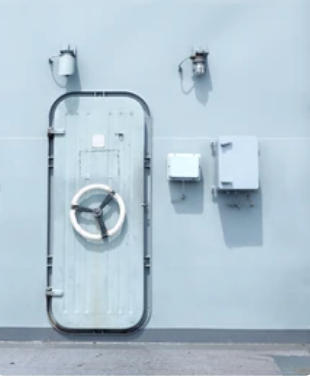
Maintenance requirements and long-term durability of marine doors are also important. Sliding doors tend to depend on tracks and rollers, these parts can become affected by corrosion, they may start to jam, or drift out of alignment, if upkeep is weak or irregular. That means regular review, and preventive maintenance routines are essential, so everything stays smooth and predictable. Hinged doors usually have fewer moving elements, so they are easier to service and, in general, they hold up better through the years. When deciding between sliding and hinged doors, it makes sense to consider whether you have the maintenance capacity on hand, and what service life you realistically expect from the door, especially in a marine environment where conditions are harsher.
5. Automation and Accessibility Needs
For areas requiring automation or enhanced accessibility, sliding doors often offer advantages. They can be easily fitted with motorized systems for hands-free operation, enabling rapid closure in emergencies or facilitating movement in high-traffic zones. Hinged doors, although simpler, are less amenable to automation and may require additional mechanisms for assisted opening if the door is large or heavy. This consideration is especially important in critical areas such as engine rooms, cargo holds, or emergency exits.
Summary
- Sliding marine doors excel in confined spaces and high-traffic areas where speed and automation are important
- Hinged marine doors provide robust sealing, simplicity, and durability, making them suitable for areas requiring reliable watertight or weathertight protection.
Final Thoughts
The choice between sliding and hinged marine doors depends on the particular operational needs, space availability, safety standards and maintenance constraints. Choosing properly makes sure it is not just convenience and efficiency, but also safety and protection for personnel and assets at sea. Marine architects and ship operators need to review each situation carefully to decide the best door arrangement, keeping functionality aligned with safety and long life.