Panama vs. Universal Mooring Chocks: How to Choose the Right Solution
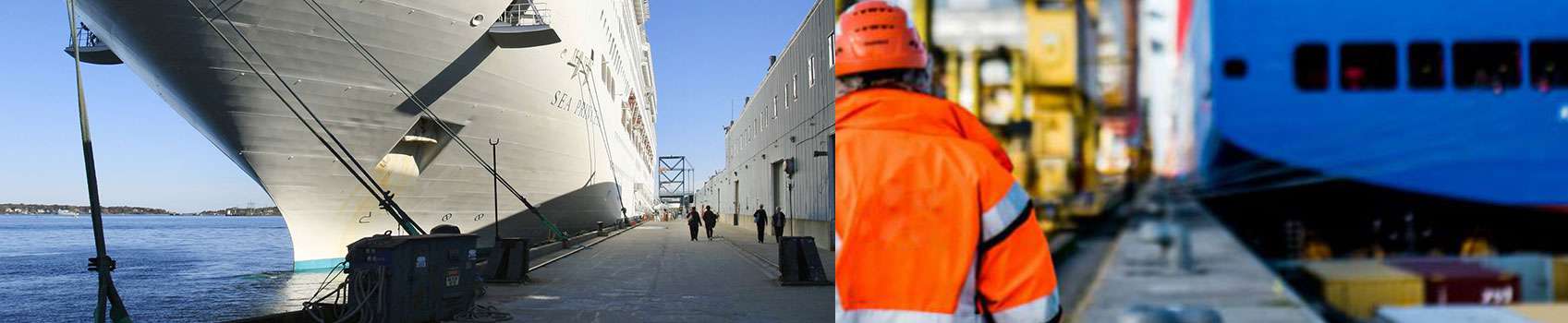
The operation of mooring chocks lies in their function to direct and safeguard mooring lines which travel from the ship to the shoreline. The friction reduction and rope protection capabilities of mooring chocks enable stable line positioning during different weight conditions. Panama mooring chocks and universal mooring chocks represent two of the most frequently studied mooring systems which modern port designers and shipbuilders use in their work. Shipbuilders and port authorities and offshore engineers need to understand the structural and operational distinctions that exist between Panama chocks and universal mooring chocks because this knowledge helps them choose the right solution.
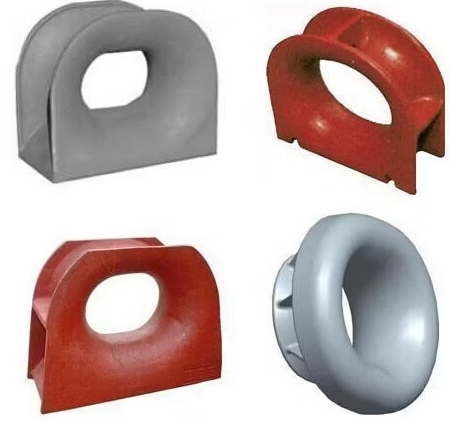
Table of Contents
Understanding Panama Mooring Chocks
The Panama Canal requires Panama mooring chocks to meet specific size and space standards. Vessels transiting the canal must adhere to strict beam and deck fitting limitations, and deck equipment such as chocks must not protrude beyond specified boundaries.
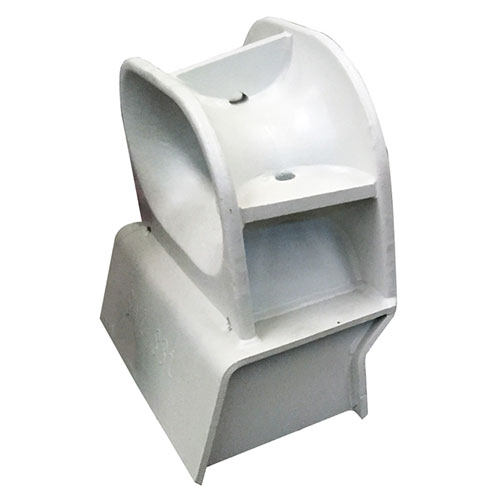
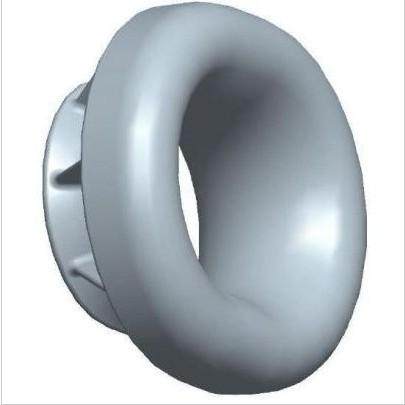
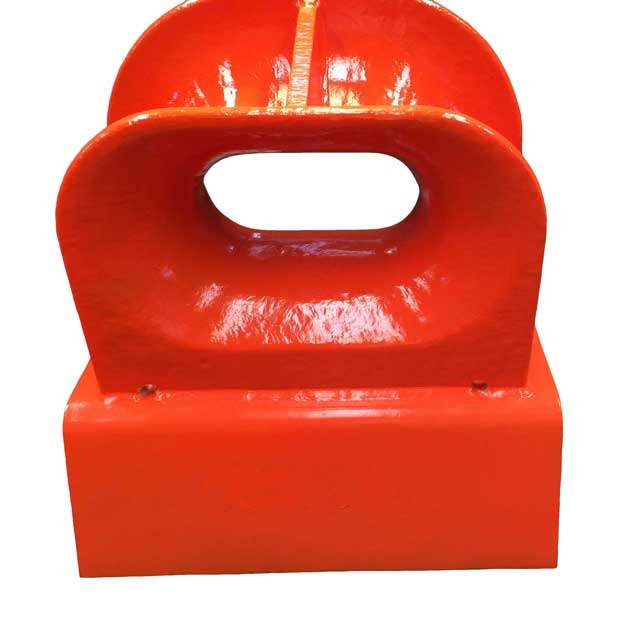
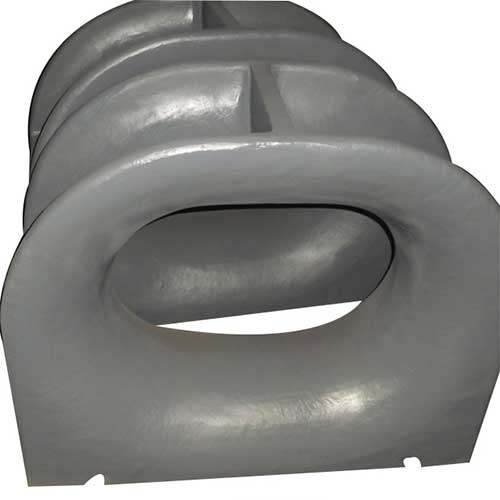
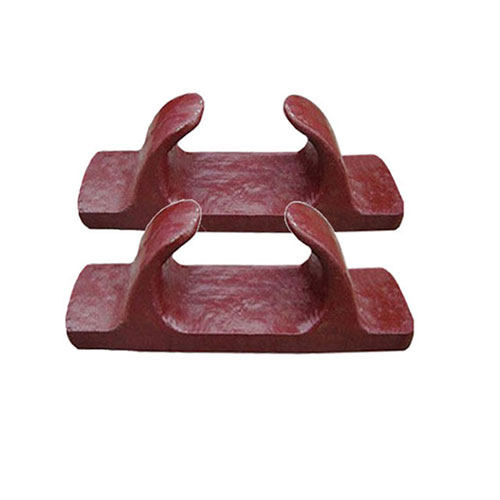
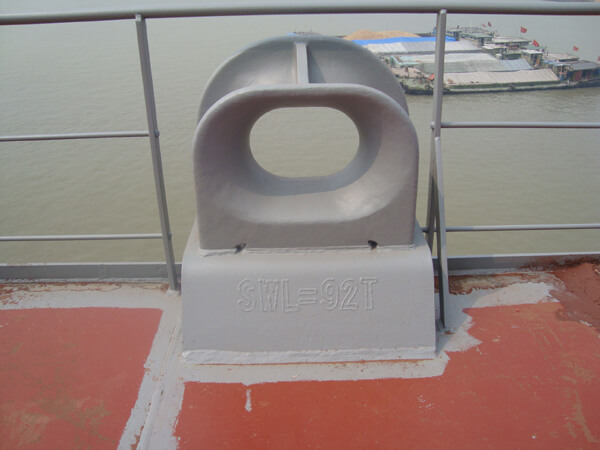
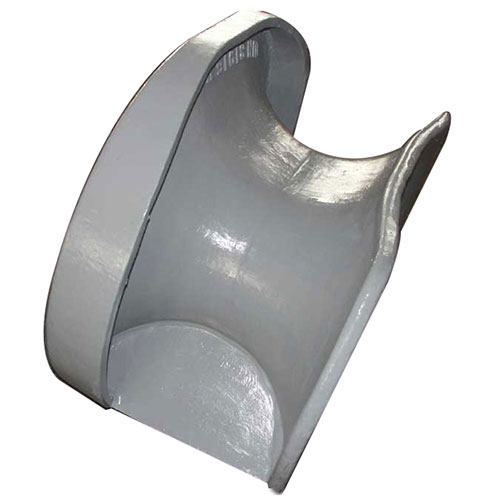
Panama chocks are typically closed-type or fully enclosed chocks with a smooth internal throat. The enclosed configuration ensures that mooring lines remain guided within a defined pathway, preventing lateral escape or uncontrolled movement.
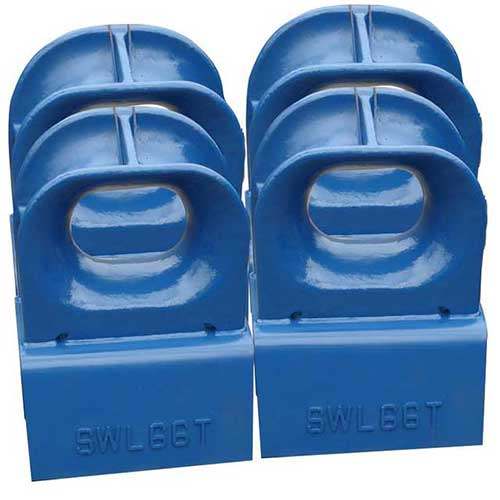
The manufacturers create the mooring chocks with high-strength cast steel materials which meet ISO international marine standards and classification society standards. The product manufacturers design their products with compact profiles which keep their dimensions within the maximum allowed hull envelope required for Panamax vessels.
The main structural components of the system include: l
- Fully enclosed or oval-shaped throat
- Smooth, polished internal surfaces to reduce abrasion
- Heavy-duty construction for high line loads
- Deck-mounted or bulwark-mounted installation
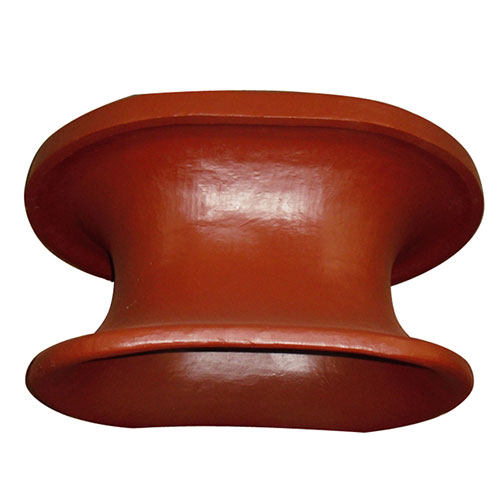
The primary advantages of Panama chocks include controlled line alignment, enhanced safety in restricted waterways, and compliance with international canal standards. However, their enclosed structure may limit flexibility in multi-directional mooring scenarios.
What are Universal Mooring Chocks
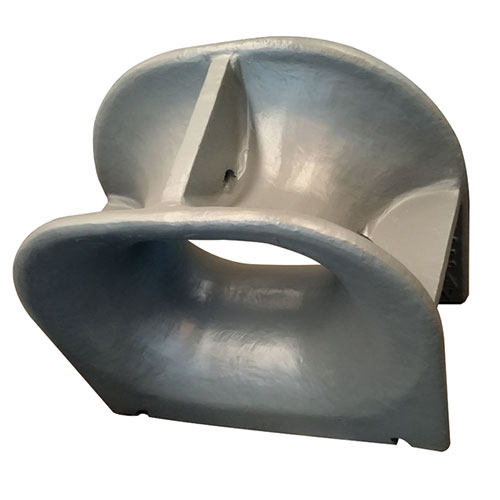
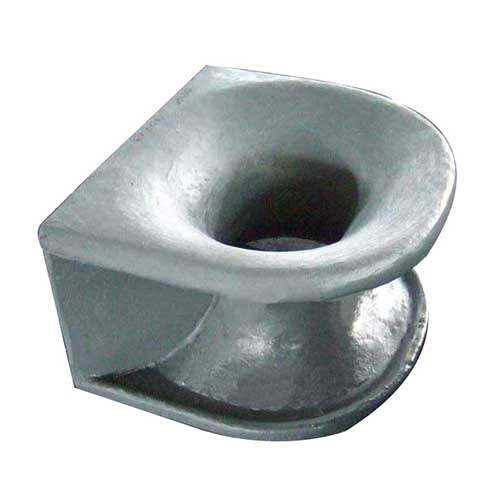
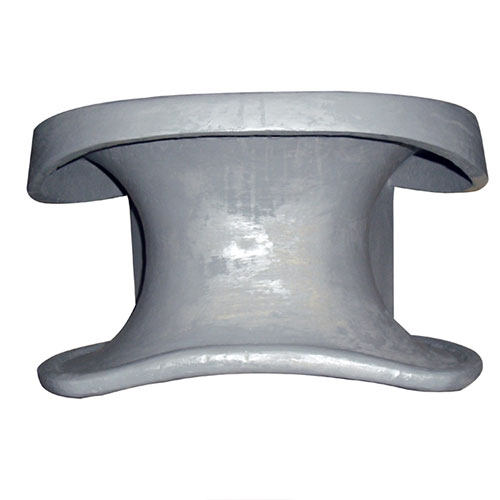
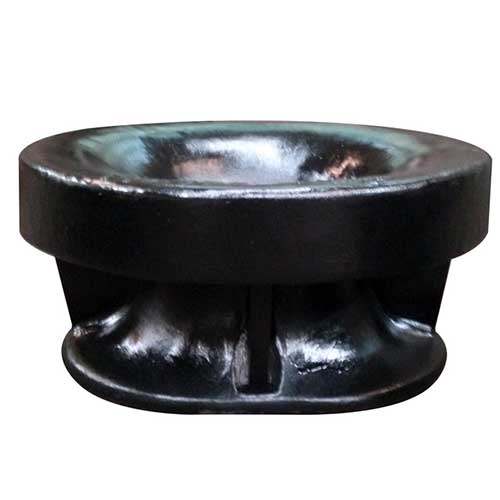
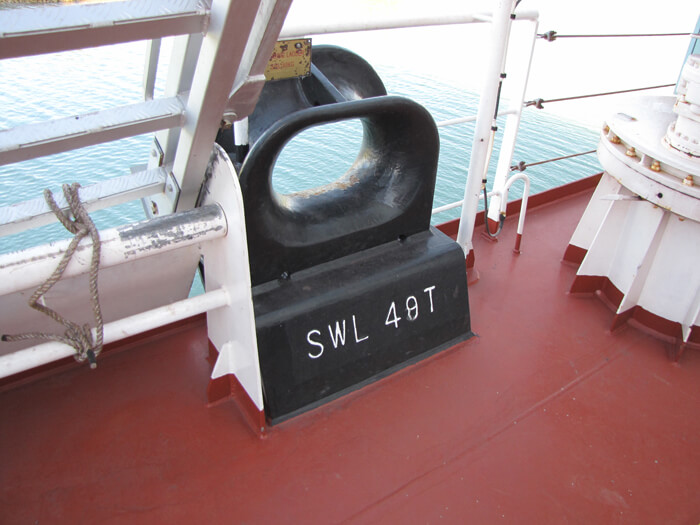
Universal mooring chocks, as the name suggests, are designed for broader application across various vessel types and port configurations. They are usually open-type chocks or partially enclosed chocks that enable mooring lines to pass through at multiple angles.
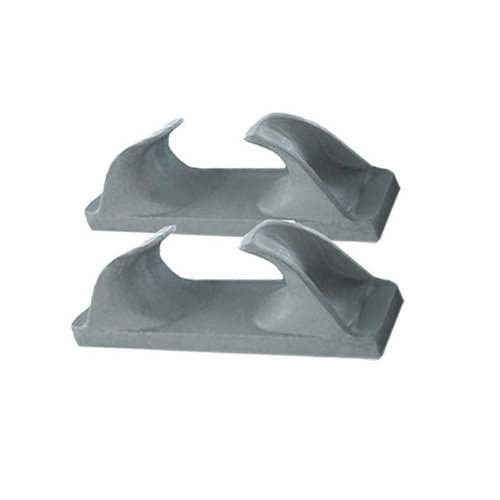
The design permits mooring lines to thread through at different horizontal and vertical angles without significant limitations. They are commonly made from high-strength cast steel or fabricated steel plates and meet international marine standards like ISO and classification society regulations. Based on the vessel’s design and operational requirements, these chocks can be mounted on the deck, bulwark, or built into the hull structure.
Key structural features include:
- Open or partially enclosed throat design.
- Smooth internal contact surfaces to reduce friction.
- Reinforced base for enhanced load-bearing strength.
- Wide angular tolerance for multi-directional mooring
Universal chocks are often selected for general cargo ships, tankers, container vessels, and offshore support vessels where adaptability and multi-directional line handling are priorities. They provide ease of maintenance and inspection due to their more accessible structure.
Key Differences Between Panama and Universal Mooring Chocks
The comparison shows that Panama mooring chocks focus on meeting regulations and maintaining fixed alignment. Universal mooring chocks provide operators with the ability to conduct their operations in various ways.
| Comparison Aspect | Panama Mooring Chocks | Universal Mooring Chocks |
| Primary Design Purpose | Designed to meet strict dimensional and clearance requirements for vessels transiting the Panama Canal | Designed for general-purpose mooring across various ports and offshore environments |
| Structural Type | Typically fully enclosed or closed-type throat | Open-type or semi-enclosed structure |
| Dimensional Compliance | Strict hull envelope compliance to avoid protrusion beyond ship side limits | No specific canal-related dimensional constraints |
| Line Guidance | Provides controlled, confined line alignment | Allows greater freedom of line movement and angular variation |
| Multi-Directional Flexibility | Limited flexibility due to enclosed design | High flexibility for multi-angle mooring configurations |
| Typical Load Orientation | Optimized for longitudinal and controlled transit loads | Designed to handle variable directional loads |
| Inspection & Maintenance | Slightly more restricted internal access | Easier visual inspection and maintenance access |
| Operational Focus | Canal transit, regulated waterways, controlled berthing | Commercial ports, offshore platforms, LNG terminals |
| Installation Precision | Requires precise alignment to maintain compliance | More adaptable to different deck configurations |
| Application Scope | Panamax and canal-transit vessels | Broad range of commercial and offshore vessels |
Key Factors to Consider for Choosing Between Panama and Universal Mooring Chocks
Selecting between Panama and universal mooring chocks requires a careful evaluation of vessel operations, regulatory constraints, structural design, and long-term performance expectations.
1. Trading Route and Regulatory Requirements
The vessel’s planned trading route serves as the primary factor which determines its operational requirements. Ships which use the Panama Canal multiple times must meet exact specifications for their dimensions and required equipment clearance. The design of Panama mooring chocks meets these standards because it keeps deck fittings within the maximum hull limits. Panama chocks serve as the standard equipment for most operations which require transit through the canal. Universal mooring chocks offer greater operational freedom to vessels which operate in open ports that do not face canal limitations.
2. Mooring Configuration and Line Angles
Mooring geometry varies widely depending on berth orientation, tidal conditions, and vessel type. Universal mooring chocks are designed to accommodate multi-directional line leads, making them suitable for ports where mooring lines must be adjusted at various angles. Panama chocks, with their enclosed structure, offer more controlled alignment but less angular freedom. If the vessel frequently experiences complex mooring arrangements, universal chocks may offer operational advantages.
3. Vessel Design and Deck Layout
Chock selection depends on both deck space and structural design. Chocks require exact placement to fulfill Panama dimensional requirements. The enclosed design of the system affects deck line distribution. Universal chocks provide better system compatibility because they work with various deck designs and structural systems. The design phase requires shipbuilders to assess reinforcement requirements and load transfer paths and installation constraints.
4. Load Capacity and Operational Stress
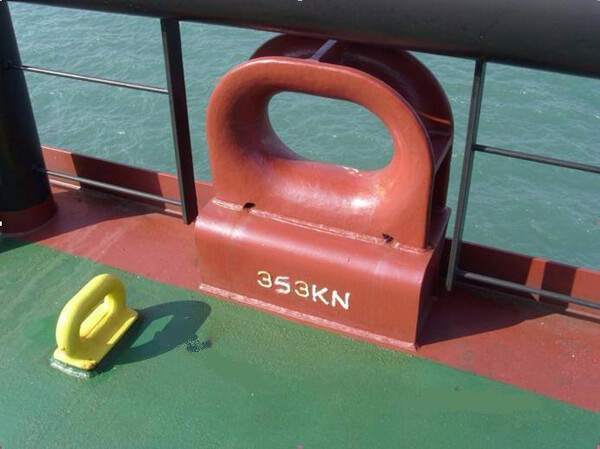
The two chock types allow for high mooring load resistance but their operational performance shows small variations. Panama chocks are designed to operate with specific longitudinal loads which occur during canal transit and tow operations. Universal chocks are built to withstand directional load changes which occur in commercial ports and offshore operations. Universal chocks provide better stress resistance when environmental conditions experience dynamic or shifting changes.
5. Rope Type and Wear Considerations
Modern vessels increasingly use high-performance synthetic ropes in addition to traditional steel Modern vessels now use advanced synthetic ropes as their primary towing equipment while keeping traditional steel wire ropes. Universal chocks provide the necessary flexibility to handle different rope materials and various lead angles. Panama chocks use an enclosed throat design to control abrasion but this design restricts extreme angle movements. Rope material selection together with diameter determination and tension level assessment forms a critical process to achieve minimal wear and maximum operational lifespan.
6. Maintenance and Inspection Accessibility
Ease of inspection and maintenance should not be overlooked. Universal mooring chocks, due to their open design, allow easier visual inspection and cleaning. This can reduce downtime and simplify routine maintenance. Panama chocks, while robust, may require more careful internal inspection due to their enclosed geometry. Maintenance planning should align with vessel operational schedules.
7. Long-Term Operational Flexibility
Future operational changes should also be considered. A vessel initially assigned to regional trade may later expand to international routes requiring canal transit. In such cases, installing Panama-compliant chocks from the outset may prevent costly retrofits. Conversely, vessels dedicated to offshore support or multi-port commercial operations may benefit more from the adaptability of universal mooring chocks.
8.Cost and Lifecycle Value
People require assessment of all elements which include long-term durability and maintenance needs and rope wear assessment and potential regulatory compliance expenses. Universal chocks enable wider application across various operational conditions despite Panama chocks needing more precise manufacturing standards. The analysis of lifecycle expenses delivers better understanding than the evaluation of acquisition costs.
Summary
- If you need to meet canal standards and ensure controlled line alignment then Panama chocks provide a specialized solution that meets their regulatory requirements.
- Universal mooring chocks deliver operational flexibility through their ability to adapt to different directions.
Final Thoughts
The distinct functions of Panama and universal mooring chocks create two fundamental components which support maritime operations. Panama chocks work as dedicated solutions which provide strict compliance with canal transit requirements through their capacity to manage line movement in a regulated manner. Universal chocks provide flexible operational capabilities which extend to various ship types and different docking circumstances. The selection of mooring chocks according to a vessel’s operational needs and its anticipated future activities will help shipowners and engineers to achieve optimal navigation safety and equipment longevity and system efficiency during their operations at sea.