
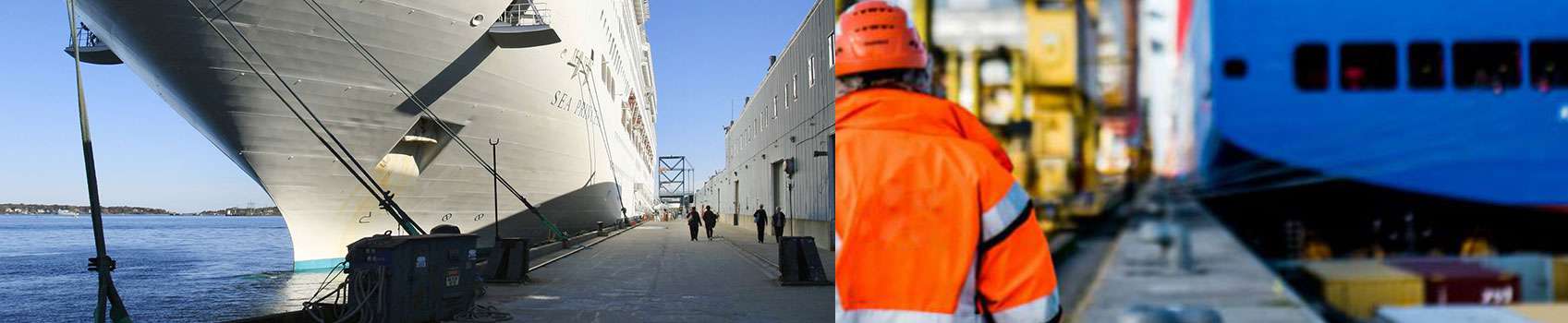
How to Customize Mooring Chocks for Specific Vessels
Mooring chocks are used for keeping vessel mooring safe and working smoothly. While standard chocks work well for many ships, specific vessels, such as offshore supply ships, tugboats or research vessels, often need customized mooring chocks to meet unique operational demands. Customization ensures better performance, more safety, and longer service life under the specific kind of conditions they face.
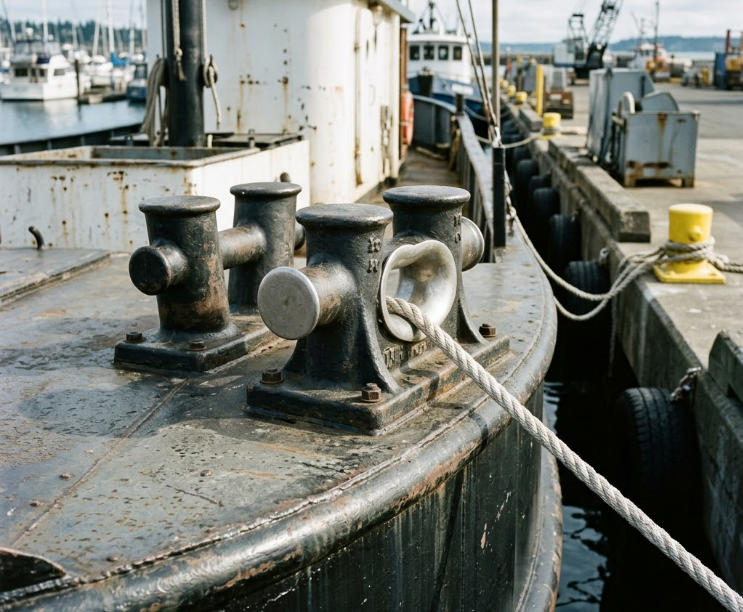
Table of Contents
Understanding the Basics of Mooring Chocks
Mooring chocks serve as protective guides for the mooring lines, letting the lines move in a controlled way while still blocking damage. How the chock is shaped and where it is placed matters a lot, it affects mooring efficiency too, and it can change how safe the crew is during handling. For specialized vessels running in rough or tricky waters, standard mooring chocks sometimes do not manage the heavy loads, extreme weather, or odd deck arrangements well enough, so customization becomes a necessity.
Factors Driving Customization in Mooring Chocks
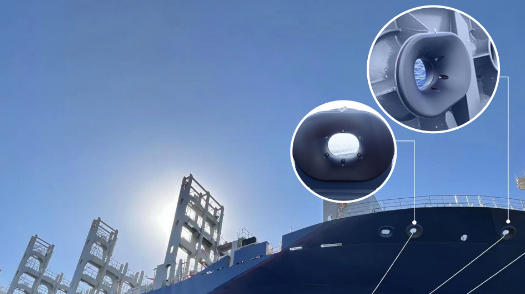
This chart provides the main drivers for customizing mooring chocks to meet specific vessels as well as different operational demands.
| Factor | Description | Impact on Customization |
| Vessel Type and Size | Different vessels, such as tankers, cargo ships, or naval vessels, have unique mooring requirements. | Chock dimensions, strength, and design must be tailored to the vessel’s size, weight, and mooring patterns. |
| Environmental Conditions | Wind, current, tidal range, and wave intensity vary by location. | Materials, coatings, and structural reinforcements are customized to withstand local environmental stresses. |
| Operational Requirements | Frequency of docking, load capacity, and type of mooring lines used. | High-frequency use may require durable materials; specialized lines may need specific chock angles or diameters. |
| Material Selection | Corrosion resistance, wear resistance, and mechanical strength vary across materials. | Choice of steel grades, composites, or coatings is adjusted based on expected stress and environmental exposure. |
| Deck Layout Constraints | Space, placement, and accessibility on the vessel’s deck. | Chocks are customized to fit available space while maintaining optimal line angles and safety. |
| Regulatory Standards | Classification society rules and local maritime regulations. | Compliance may dictate specific dimensions, safety factors, or material specifications. |
| Specialized Applications | Offshore operations, LNG vessels, or other unique missions. | Design adaptations ensure compatibility with specialized mooring procedures or dynamic loads. |
Design Considerations for Customizing Mooring Chocks on Specific Vessels
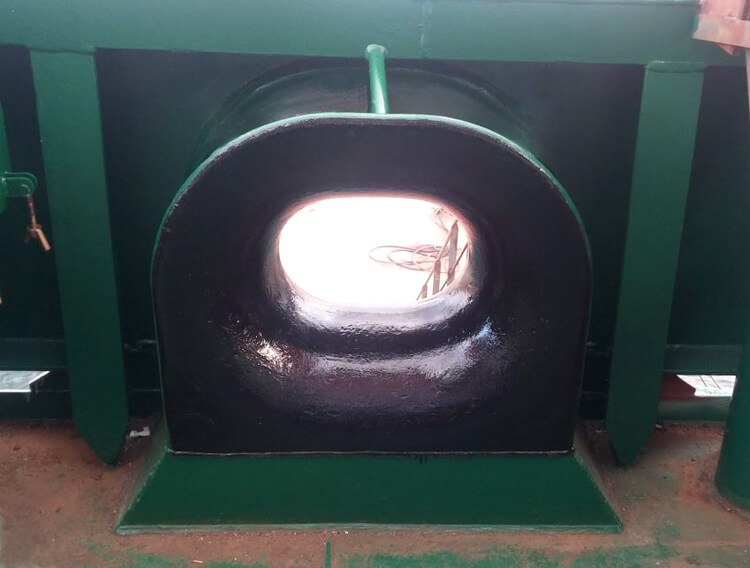
Customizing mooring chocks involves careful design considerations that account for load, environmental conditions, deck layout, and safety requirements.
1. Chock Shape and Line Guidance
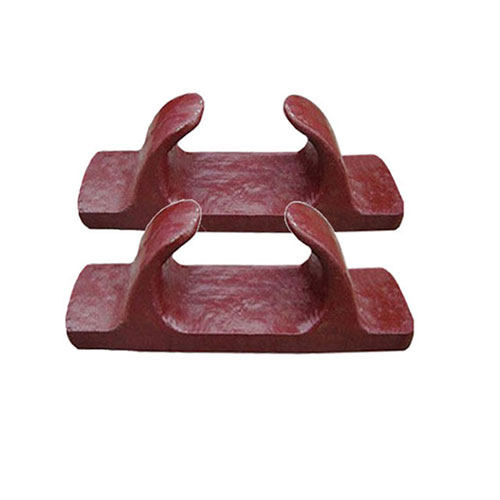
The shape of a mooring chock plays a critical role in reducing line wear and ensuring smooth operation.
The following chart provides the various shapes of mooring chocks.
| Design Aspect | Function | Impact on Mooring Performance |
| Rounded Edges | Reduce sharp bends and friction on mooring lines | Minimizes rope wear and extends line lifespan |
| Flared Openings | Guide lines smoothly into the open chock | Ensures controlled line movement and prevents kinking |
| Reinforced Flanges | Strengthen high-stress areas of the chock | Allows chocks to handle higher tension and heavy loads safely |
| Proper Alignment | Ensure lines approach at optimal angles | Distributes forces evenly, reduces abrasion, and enhances mooring efficiency |
| Smooth Surface Finish | Minimize rough spots on contact surfaces | Prevents line damage and ensures safer operation for crew |
2. Sizing and Load-Bearing Capacity
When you customize mooring chocks, the main goal is that they can handle the exact loads the vessel may see. The diameter of the chock opening and the full outer dimensions are set from the mooring line size, and from what kind of line it is too. If sizing is right, the line should glide through smoothly without getting forced into sharp bends , since those bends can reduce strength gradually. Engineers often do stress analysis to confirm the chock stays within limits during peak loading , while also considering weather related forces, vessel displacement, and the kind of jerky or shifting motions that happen while mooring.
3. Material Selection and Durability
Material selection is a cornerstone of customized chock design.
| Material | Key Properties | Applications |
| Marine-Grade Steel | High strength, durable under heavy loads | Ideal for vessels handling large mooring forces; long service life in demanding conditions |
| Stainless Steel | Corrosion-resistant, strong | Suitable for vessels exposed to saltwater or corrosive environments; reduces maintenance needs |
| Composite Materials | Lightweight, corrosion-resistant | Used when weight reduction is critical; resists environmental degradation while maintaining performance |
| Coated or Treated Metals | Enhanced wear and corrosion resistance | Extends lifespan of chocks in harsh marine environments; reduces maintenance frequency |
4. Deck Configuration and Equipment Integration
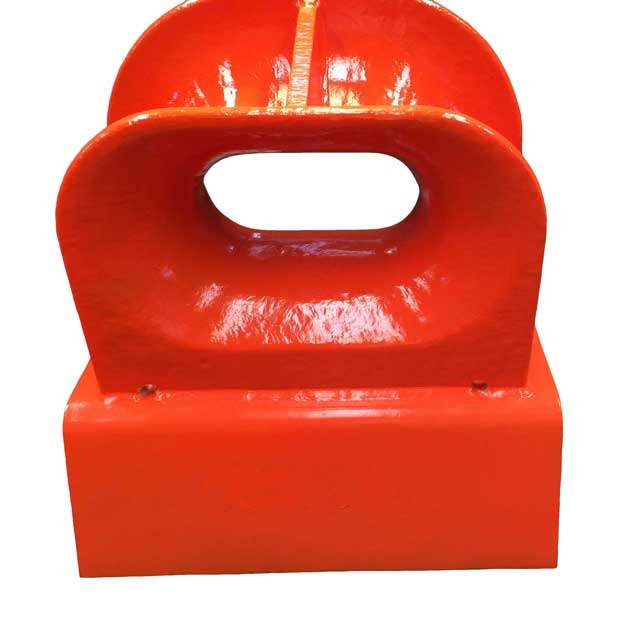
The placement and orientation of mooring chocks need to match the vessel deck layout and any existing equipment. Customized chocks are often designed to integrate quietly with anchor winches, fairleads and tensioning devices, so that operation stays smooth without getting in the way. In the design process they also pay attention to the specific angles at which the lines arrive at the chocks , because this helps keep the forces evenly distributed. That approach also helps minimize the risk of line chafing. When everything is integrated well operational efficiency improves, and the chances of accidents during mooring are reduced.
5. Safety and Regulatory Compliance
Customized mooring chocks, have to meet strict safety standards and follow the industry rules, yes. The International Maritime Organization (IMO) guidelines alongside classification society requirements control the minimum design baseline for load capacity, material behavior, and installation methods. If the design team follows these benchmarks, vessels can help protect the crew and also avoid equipment malfunction during mooring operations. Designers commonly do rigorous testing and simulations, so they can validate that the chocks perform reliably across multiple conditions, at sea and in port.
Benefits of Customized Mooring Chocks
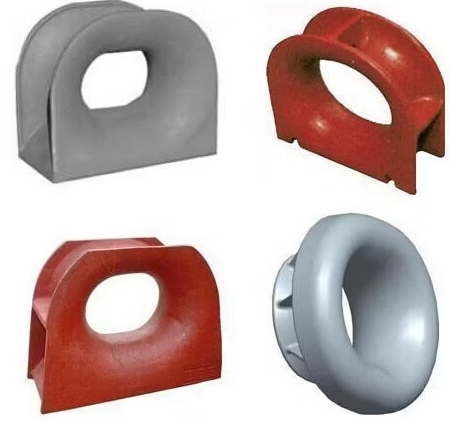
When the unit is tailored to a vessel’s specific operational needs, these mooring chocks tend to improve safety, support smoother efficiency, and extend service life.
1. Enhanced Safety
One of the primary benefits of customized mooring chocks is improved safety. When they are properly designed, the chocks help guide mooring lines smoothly, so the risk of line slippage, snapping, or sudden recoil is reduced. That in turn can minimize accidents on deck, and it helps keep crew members ,and equipment protected during docking, undocking, and while the vessel is moored under challenging, and sometimes unpredictable, conditions.
2. Improved Operational Efficiency
Customized mooring chocks also help with day to day workflow. They streamline mooring operations because the lines take the best passage path, with no unnecessary friction or annoying interference. As a result the mooring process becomes faster ,and more controlled. The crew can manage the lines with better precision, which matters a lot in real time operations. Better line handling also means vessels spend less time in port. That can be critical for sticking to operational schedules and overall productivity.
3. Reduced Maintenance and Line Wear
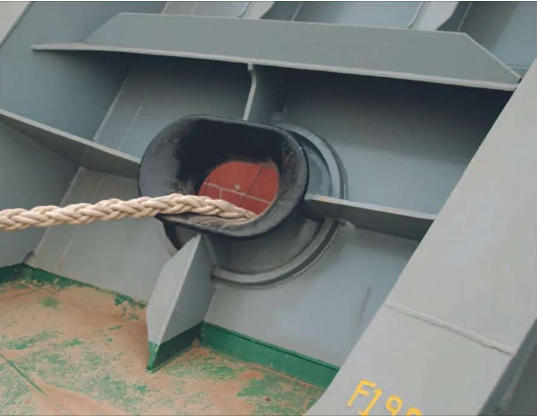
By reducing stress points, and steering the guiding lines the right way customized mooring chocks really help lessen the wear and tear on mooring ropes. It helps extend the actual lifespan of the lines, plus it tends to reduce the maintenance needs for the chocks too. Durable materials and reinforced designs play a key part here, they improve endurance and also bring down the replacement costs, as well as the downtime that comes with repairs.
4. Adaptability for Specialized Operations
Specialized vessels usually face very particular environmental conditions, like high winds, strong currents or icy waters. Customized chocks are made to deal with those situations, material selection, sizes, and even orientation are matched to the specific loads and each operational scenario. This flexibility keeps things dependable where normal chocks may fail, or where frequent adjustments become a constant issue.
5. Long-Term Cost Savings
Even if customized mooring chocks end up demanding more money up front, the long term gains tend to outweigh that initial spend. There is less line replacement, reduced deck wear, fewer maintenance chores, and better day to day operational performance, and those factors add up to real cost savings across the whole service life of the vessel. Also, the added safety with dependable performance helps lower the chance of expensive mishaps or unexpected downtime.
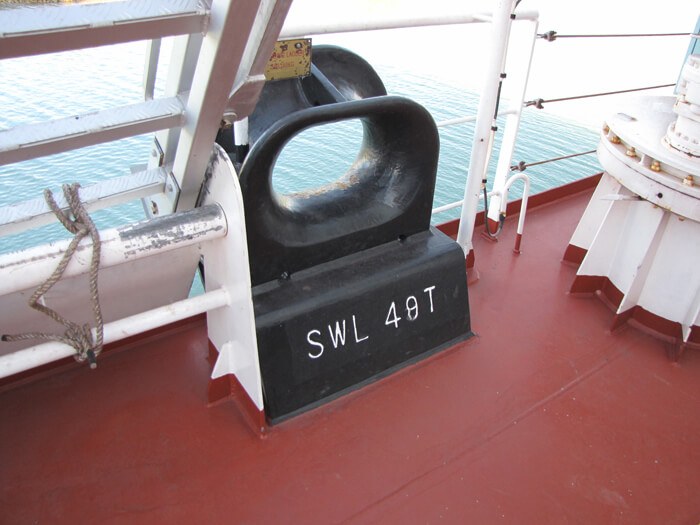
Cooperating with Trusted Mooring Chock Manufacturers
Custom mooring chocks need precise engineering and quality materials, because small details can matter. Collaborating with experienced mooring chock manufacturers, the process becomes more precise, since the chocks can be made around the vessel specifications and then checked under simulated loads. Also they remain aligned with the relevant standards, of course. Many manufacturers also offer consultations, plus CAD design and stress analysis, so the final solution works with the best balance between strength, stability, and practical use.
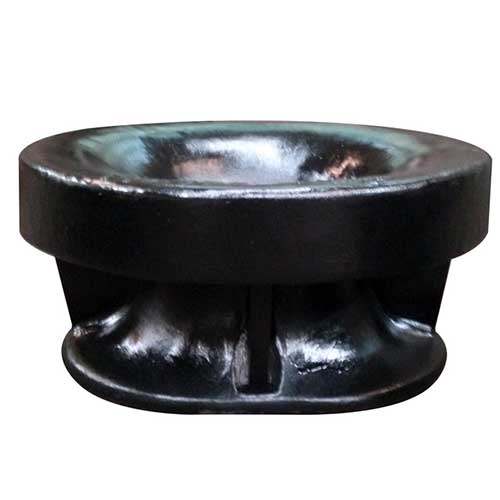
YSmarines offers expertly engineered, customized mooring chocks for specific vessels and demanding marine setups. Each marine mooring chock is tailored to vessel type, the expected load requirements, and the operating environment, so the hardware stays safer, last longer, and helps the mooring routines run more efficiently in real operations.
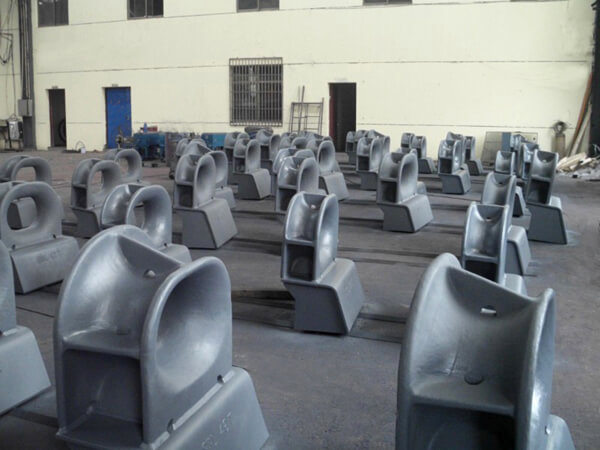
mooring chock manufacturer
Final Thoughts
For specific vessels, standard mooring chocks can’t quite meet the special needs tied to how operations run, what environmental conditions look like, or the safety standards that have to be followed. When people customize mooring chocks, they end up dealing better with these challenges, which improves vessel performance, raises crew safety and boosts operational efficiency. Through considering the vessel type, material selection, design parameters and coordinating with reliable suppliers, operators can ensure the mooring system works well.