
The Innovative Use of Marine Passenger Seats Integrated with Life Jackets
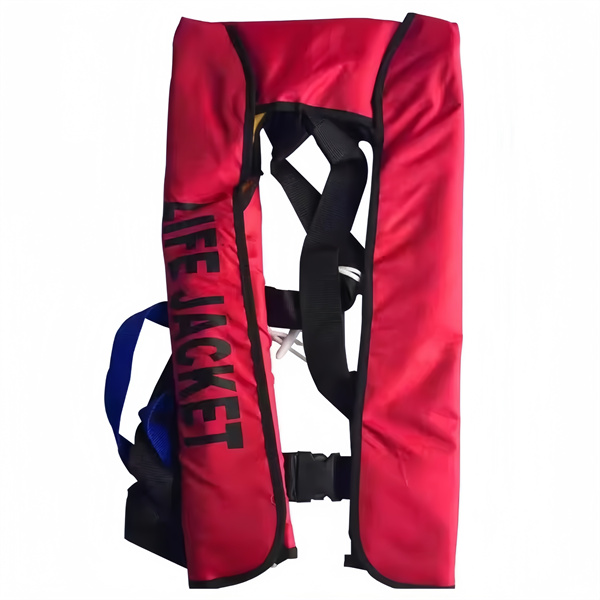
In modern maritime travel, ensuring quick and efficient safety response in emergency situations is essential. Traditional methods for storing life jackets that are scattered across the overhead bins, or underneath seats frequently cause delays and confusion during emergencies. A revolutionary solution has been developed that involves marine passenger seats integrated with life jackets. This innovative design combines comfort and immediate access to life-saving equipment. It provides a practical solution to the long-standing issues of life jackets storage, accessibility and effectiveness in emergency response.
Table of Contents
Why Integrating Life Jackets into Marine Passenger Seats is Essential
1. Enhancing Emergency Readiness
During marine emergencies, seconds count. Traditional methods for storing life jackets, such as compartments, lockers, or compartments beneath seats–can result in delay and chaos when a rapid evacuation is required. The integration of life jackets in marine passenger seats guarantees that everyone is able to access immediately and regularly to their own personal flotation device, dramatically reducing time to evacuation and stress.
2. Simplifying Passenger Response in Crises
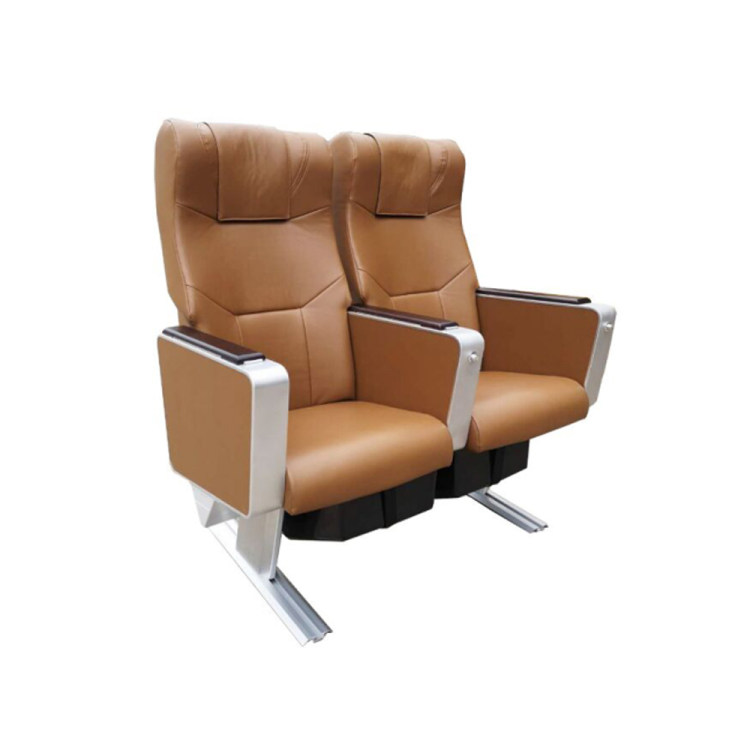
Emergencies can cause anxiety panic, confusion, and chaos. Integrating life jackets in the seat itself the passengers do not have to hunt for safety gear. The design is built-in to facilitate a natural reaction: sit down while removing an emergency life jacket out of the seating compartment and be prepared for evacuation. This practical setup is beneficial for travelers or tourists who aren’t familiar with maritime protocols.
3. Ensuring Consistent Regulatory Compliance
Standards for maritime safety in the international community, like the ones outlined in the documents of IMO and SOLAS are based on a one-to-one proportion of life jackets to passengers. Integrated seats make it easier to comply by ensuring that each seat is equipped with an individual life jacket which makes inspections simpler and more secure. Crews can check visually that the jackets are in place and properly stored in order to streamline the pre-departure check.
4. Optimizing Space and Vessel Layout
Many vessels, particularly high-speed ferries and offshore platforms, space is a problem. The integrated life jacket seating removes the need for large storage lockers, thereby freeing up the cabin for better mobility and the comfort of passengers. This creates an organized, cleaner passenger space without risking security.
5. Reducing Maintenance Complexity
Through integrated systems, maintenance is more efficient. Life jackets that are stored in specially designed compartments are shielded from UV damage, water physical wear and tear. The process of replacing and inspecting them is easier, since crew members use a seat-by-seat checklist in order to make sure that all safety equipment is in good and in good condition.
6. Boosting Passenger Confidence
If safety equipment is easily and easily accessible the passengers feel more safe. Being aware that a life jacket is within reach improves confidence in the safety procedures of the vessel. This additional layer of security is crucial for nervous passengers or those traveling who travel long distances or on remote sea routes.
Design Innovations in Marine Passenger Seats Integrated with Life Jackets
1. Converging Safety and Comfort
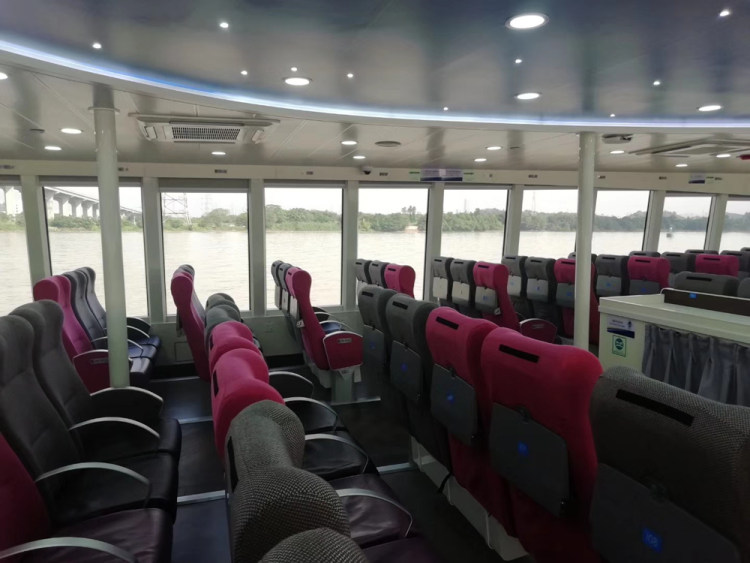
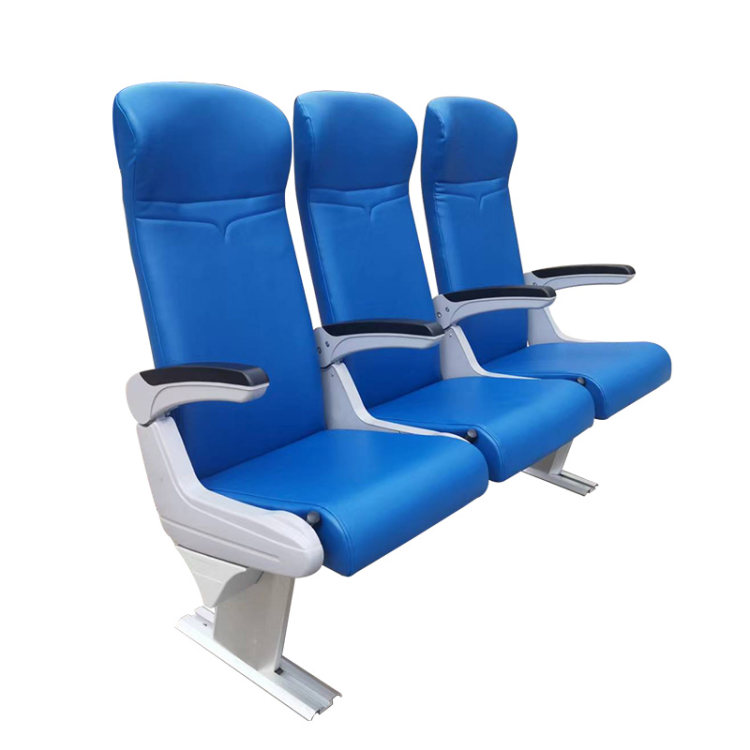
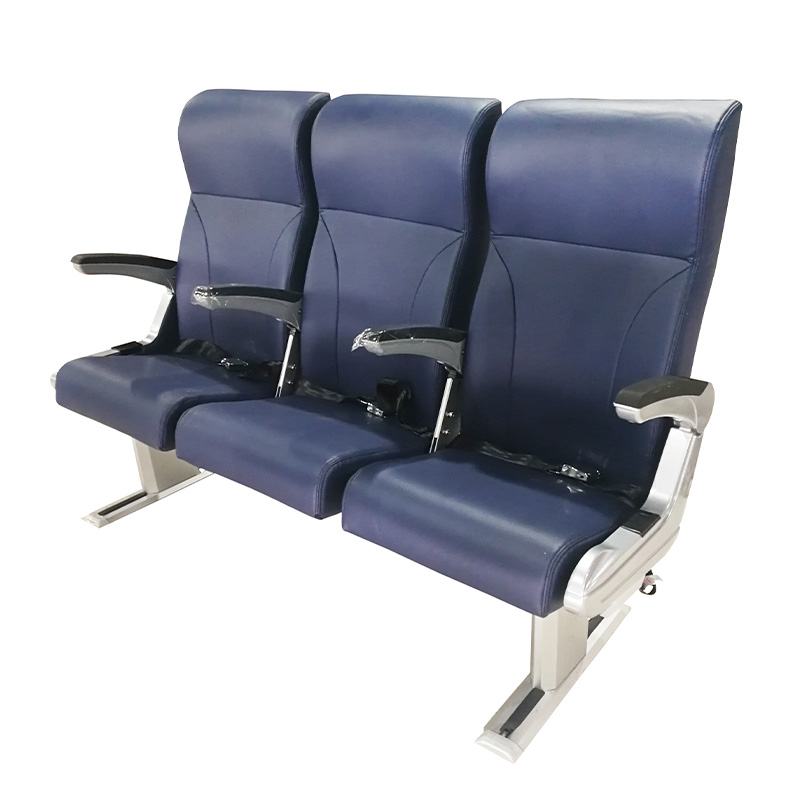
The most fundamental innovation in design can be found in the capacity to integrate two crucial functions–seating as well as safety equipment — into one seamless unit. In the past, designs often compromised comfort or accessibility. Modern integrated seats are designed to provide ergonomic comfort. They come with the highest density foam, lumbar support and adjustable contours and all the while securely securing an emergency life jacket. The seats are designed to guarantee that the presence the safety device doesn’t hinder the user’s overall experience.
2. Smart Compartment Engineering
Modern seats are equipped with cleverly designed compartments–usually located beneath the cushion or in the backrest–that protect the life jacket from moisture, UV exposure, and mechanical wear. The areas are lined with waterproof materials, and feature vents to avoid the buildup of mildew. The opening mechanisms have changed from zippers that are simple to tabs that are quick-access magnetic flaps, magnetic tabs, or snap-lock systems which allow people to open their life jackets with a minimum of effort, and with no tools.
3. Rapid Deployment Systems
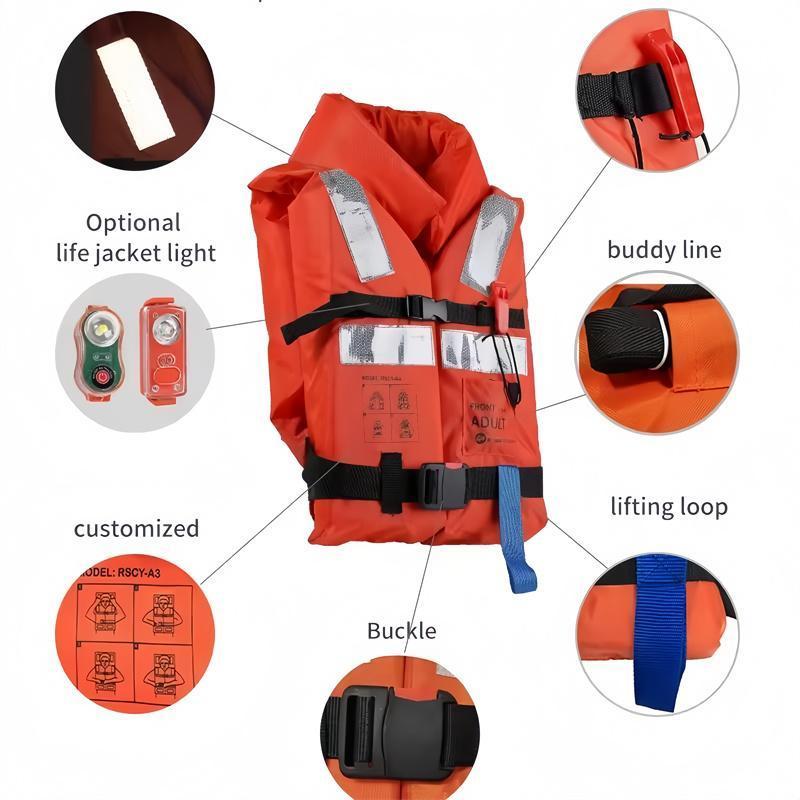
Life jackets with seat-integrated technology are designed with an intuitive use in mind. In situations of high stress, people might be confused or physically limited. Innovative mechanisms like one-pull release mechanisms make sure your life jacket will be pulled out in a single movement, which reduces reaction time and enhancing survival odds. Certain systems also include visual signals, such as colored pull handles or glow-in-the dark instructions that guide the wearer in low-light or in chaotic situations.
4. Lightweight and Modular Design
To be able to adapt to various vessel types, such as catamarans with high-speed engines, ferries as well as offshore boats for crew, companies are employing modular seating systems that are made using light composite material. They not only decrease the overall weight of vessels but additionally make retrofitting much easier. The seats that modularize can be taken off or replaced in a single step without impacting the overall design, which makes maintenance and upgrades more affordable.
5. Sensor and Monitoring Integration
A trend that is growing in the field of high-tech marine seating is the incorporation of sensors that are smart and check the condition, presence and access to life jackets. These sensors are able to alert crew members that the life jacket is not present damaged, damaged, or not properly stored. This feature not only guarantees the compliance with international maritime safety standards, but it also adds a proactive component to the emergency preparation.
6. Sustainability and Materials Innovation
Sustainability is becoming a top priority when it comes to marine designs. A lot of modern integrated seats make use of eco-friendly materials like recycled marine-grade plastics and low emission foams. Life jackets are also made from biodegradable flotation material and PVC-free coatings. This reduces the environmental impact but not compromising the performance.
7. Aesthetic and Functional Customization
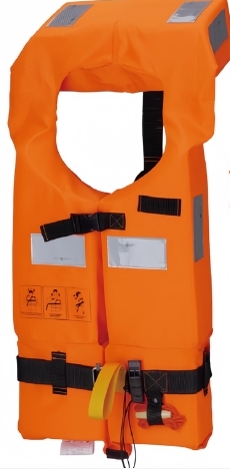
Design innovation isn’t limited to functionality–visual integration also plays a role. Marine operators can select custom fabrics, finishes as well as color palettes that are in line with the brand’s identity, while also maintaining safety-related visibility features. Safety instructions, logos and other signage are incorporated within the seat’s design which reduces the requirement for printing additional materials and improving the clarity of visual.
Industrial Application of Marine Passenger Seats Integrated with Life Jackets
This chart demonstrates the wide applicability of integrated seat-life jacket systems for recreational, commercial and defense marine operations that provide the high level of operational efficiency and emergency readiness.
| Industry Sector | Application Scenario | Benefits |
| Passenger Ferries | Transport between islands and coastal areas | Quick evacuation, compact storage, higher passenger turnover safety |
| Cruise Ships | Emergency seating in lifeboats, or muster stations | Enhances emergency readiness, reduces panic, simplifies safety drills |
| Offshore Oil & Gas Platforms | CTVs, which are crew transfer vessels (CTV) and standby evacuation zones | Increases compliance and provides the immediate availability of lifejackets in high-risk areas |
| Naval & Coast Guard Vessels | Rescue craft and patrol boats | Rapidly responds, secure deployment during high-pressure missions |
| High-Speed Water Taxis | The transport of water through urban areas in the cities of major importance | Increases space, increases safety, and speeds up the process of boarding |
| Inland Waterway Transport | Lake tours, river cruises and intercity boats | Simpler gear checks, increases security for tourists in regions that are regulated |
| Tourism & Adventure Boats | Dolphin-watching and whale watching, the diving shuttles eco-tour vessels | Improves confidence of passengers, provides the ease of access to lifejackets even in remote areas |
| Military & Defense Training | Troop carriers | Comfort and safety are combined for intense training scenarios. |
Challenges and Solutions in Integrating Life Jackets into Marine Passenger Seats
This chart demonstrates how smart engineering and innovation are overcoming the practical and regulatory challenges that make integrated life jacket seats a viable solution across the marine industry.
| Challenge | Description | Solution |
| Limited Space Within Seat Structure | Seats must be designed to provide convenience and storage space for heavy life jackets | The use of lightweight, foldable jackets and an optimized design of the seat compartment |
| Accessibility in Emergency Situations | Life jackets should be quickly and easily accessible in times of stress. | The incorporation of pull-tabs that are intuitive with glow-in-the-dark handles one-motion release mechanisms |
| Material Durability in Harsh Marine Environments | The exposure to humidity, saltwater and UV may cause degradation of materials | Use of marine-grade corrosion-resistant materials for seats as well as life jacket housing |
| Safety Regulations Compliance with Safety Regulations | Should be in line with SOLAS, IMO, and local standards with no compromise | Testing and design certifications in line with International maritime safety guidelines |
| Maintenance and Inspection Complexity | The integration of systems could make routine tests | Integration of RFID tags or sensors that monitor the condition of the jacket and its presence |
| Weight and Structural Integrity | Life jackets added to the seat can impact the weight of a seat and its stability | Composite materials that are lightweight and light weight, as well as reinforced structural components that have been tested for load. |
| Cost of Retrofitting Existing Vessels | Replacing seating across fleets of vehicles can cost a lot | Modular seat kits are designed to be inexpensive retrofitting |
| Passenger Comfort and Aesthetics | Safety features shouldn’t affect the appearance of the cabin | Contoured ergonomic seat contours, as well as hidden compartments that keep the modern, clean design |
Emerging Technologies Enhancing the Integration of Marine Passenger Seats with Life Jackets
To improve security in the marine environment, the integration of life jackets into marine passenger seats has marked an important advancement. However, this integration isn’t just a design issue for mechanical engineers and it’s being influenced by the latest emerging technologies that improve security, monitoring and passenger experience.
1. Smart Sensing and IoT Monitoring
The most revolutionary innovations is the use of Internet of Things (IoT) technologies to track the condition and availability in life vests. Seats can now be fitted with sensors in the seat that will determine whether the life jacket has been properly stored or if it has been altered or is not present at all. These systems are able to provide real-time notifications to crew dashboards, easing the pre-departure inspections, and making sure that they are in the safety standards are met.
2. RFID and NFC Tagging
Radio Frequency Identification (RFID) and Near Field Communication (NFC) are being increasingly utilized to track individual life jackets inside integrated seating. These tags are used to store important information like the date of manufacture along with service history and the status of compliance. Maintenance teams are able to scan every seat with an portable device or handheld, thus reducing the need for manual logs and preventing utilization of defective or expired equipment.
3. Lightweight Composite Materials
The problem of fitting life jackets into seats without compromising the structural integrity of the seat or comfort for passengers is being tackled by the latest lightweight composites. New materials such as reinforced thermoplastics and carbon-fiber-reinforced polymers allow for stronger, thinner seat frames that house life jackets discreetly, while also reducing vessel weight and improving fuel efficiency.
4. Fire-Retardant and Mold-Resistant Fabrics
In marine environments, seating systems are exposed to salt, water also UV radiation. The latest advancements in marine-grade upholstery include materials that are not only fireproof, but also resist to mildew, mold, and fade. They ensure the safety of both the seating structure as well as the life jackets embedded in it which extends the life of the structure and reduces maintenance time.
5. Ergonomic and Biometric Design Tools
By using digital models and biometric data, engineers can now develop seat systems which are safe and ergonomic. 3-D scanners and simulations of human factors can help manufacturers ensure that the jacket compartment is not interfering with posture, legroom or seat recline, but being able to be quickly deployed in emergency situations.
6. Augmented Reality (AR) in Crew Training
Although it is not directly a an element of the design of the seat Although it is not directly part of the seat design, augmented reality is employed in crew training programs to recreate evacuation scenarios with seats that have integrated life jackets. This increases preparedness and acquaints personnel with the procedures for deployment, thereby increasing effectiveness during real emergencies.
7. Modular and Customizable Design Platforms
The new modular seating platforms enable operators to personalize life jackets that integrate to fit specific vessel layouts as well as regulatory requirements and the demographics of passengers. These modular systems facilitate retrofitting projects and allow rapid changes to configurations without compromising security or design consistency.
8. Sustainability and Eco-Friendly Components
As the environmental standards increase manufacturers are adopting more sustainable techniques in their production. This includes recycling plastics to make life jacket casings as well as biodegradable foam components and low emission coatings and adhesives. These developments reduce the environmental impact, while ensuring high safety performance.
Final Thoughts
The integration of life jackets into passenger seating is more than just a product design innovation and it’s a major shift in maritime safety’s concept. In combining comfort with disaster preparedness, this new technology reduces risk, simplifies logistics and improves passengers’ confidence. As safety expectations rise and technology advances, integrated seating systems are set to be a common feature on passenger vessels, indicating the next generation of smart life-saving designs in the maritime industry.