Fixed vs. Reclining Boat Seats: Which Type to Choose
Boat seating is an instrumental factor in terms of comfort and performance on the water. An ideal choice of boat seats would entail a great level of difference in local outcomes and aesthetics depending on the prospective use, including leisure cruising, fishing, to commercial marine work. Fixed and reclining boat seats are the more typical choices for any ship. Both have benefits and are set to be used under different marine environments and scenes. Only by finding out about their differences will one be in a better position to make an informed decision for the suitable marine seats.
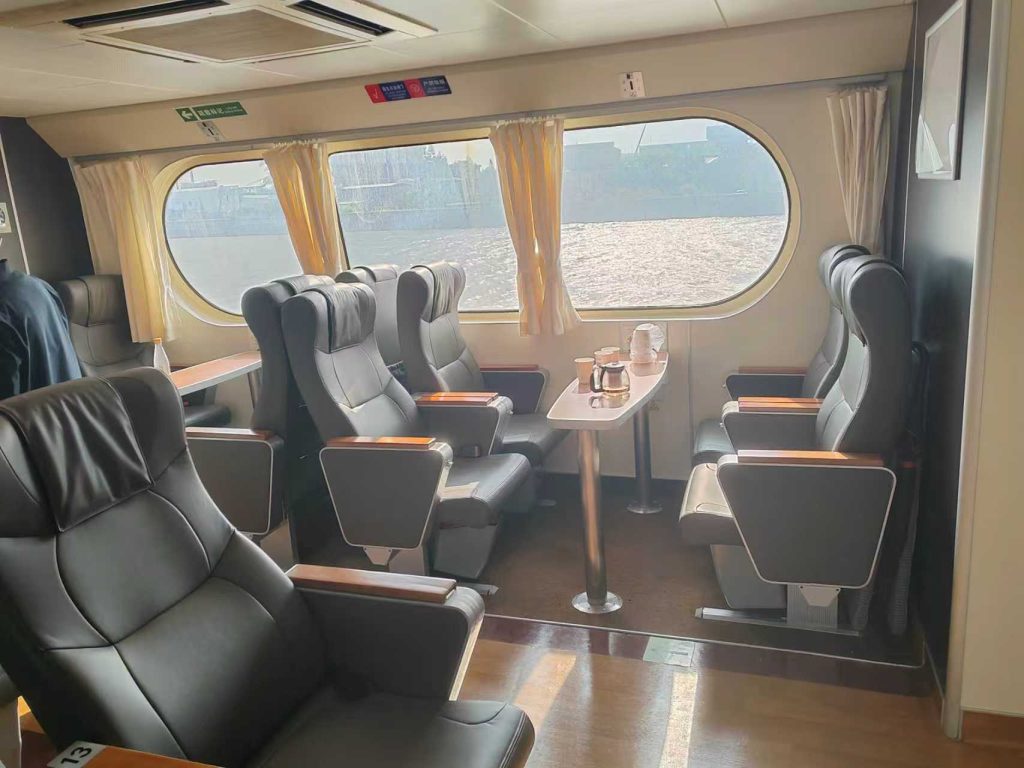
Table of Contents
Understanding Fixed Boat Seats
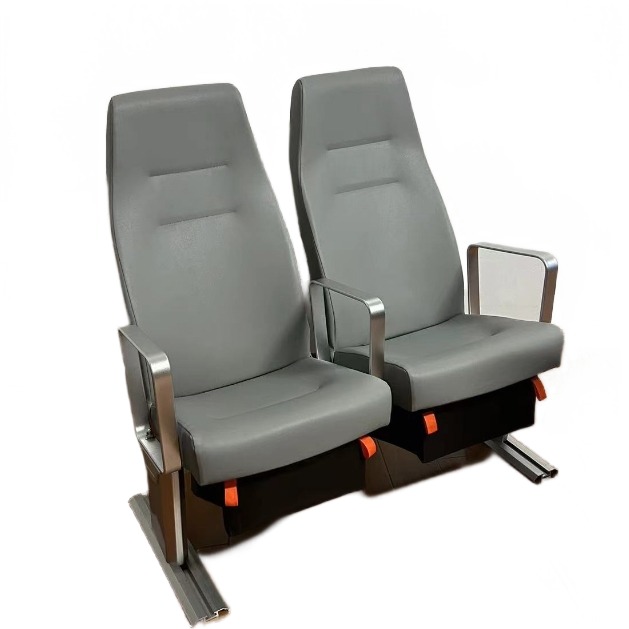
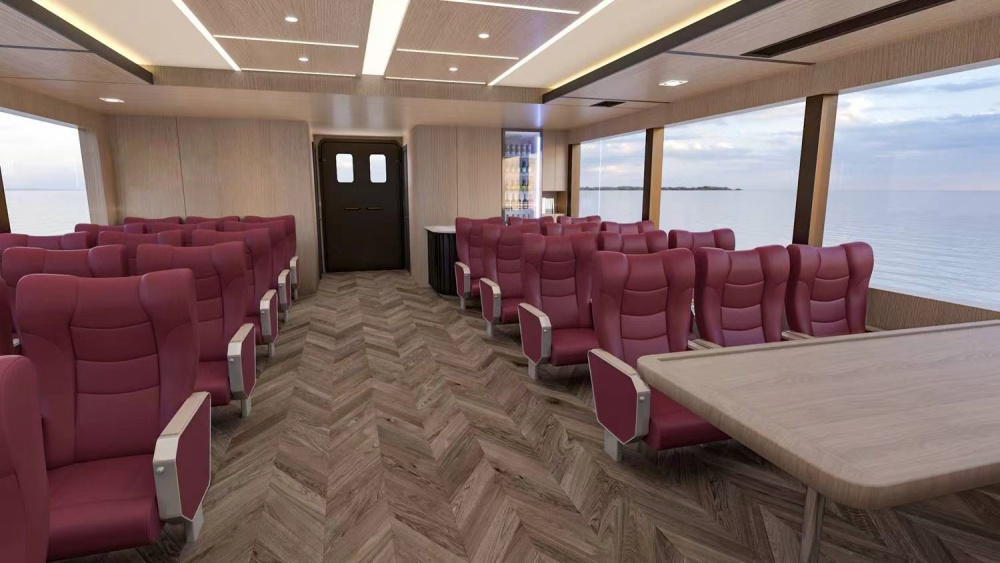
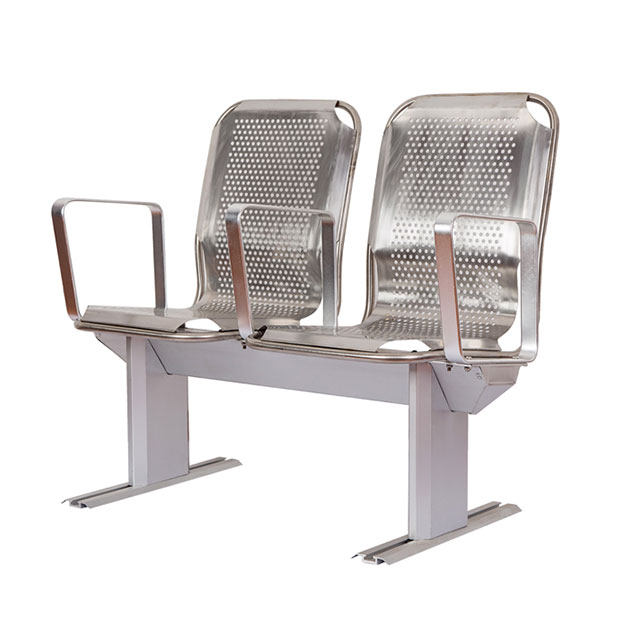
Fixed boat seats are non-adjustable seating systems designed with a stationary base, with no backrest adjustment. About everywhere we find fishing boats, workboats, control surfaces of vessels are demanding circumstances where durability, simplicity, and reliability are utmost. Made with some very durable materials such as marine grade plastic, aluminum, stainless steel, these seats are designed to withstand harsh environmental conditions like saltwater exposure, UV radiation, and continuous vibration. Their simplistic design does not focus on comfort-zone-created rigidity that one can expect from the complicated freeze-proof equipment; rather, it’s utility-focused and as such really a reliable choice for some ardent conditions.
Advantages
- High Durability: These fixed boat seats do not have any form of adjustable moving parts, meaning that you will hardly experience any mechanical issues. It is owing to their sturdiness that they will last to the maximum requirement even in potentially grueling marine environments based on the rigors of usage.
- Low Maintenance Requirement: Since there are no hinges with other movable parts inevitably high maintenance, the chances of having to service a seat in comparison to adjustable seats are rather slim. All these seats require for maintenance is a regular clean-up together with some inspections at times, making them low-maintenance solutions overall.
- Excellent Stability: The immovable fitting of the boat seat provides firm stability, which is especially desirable in high-speed and rugged marine environments. Maximum stability contributes greatly toward the safety and control of the operator.
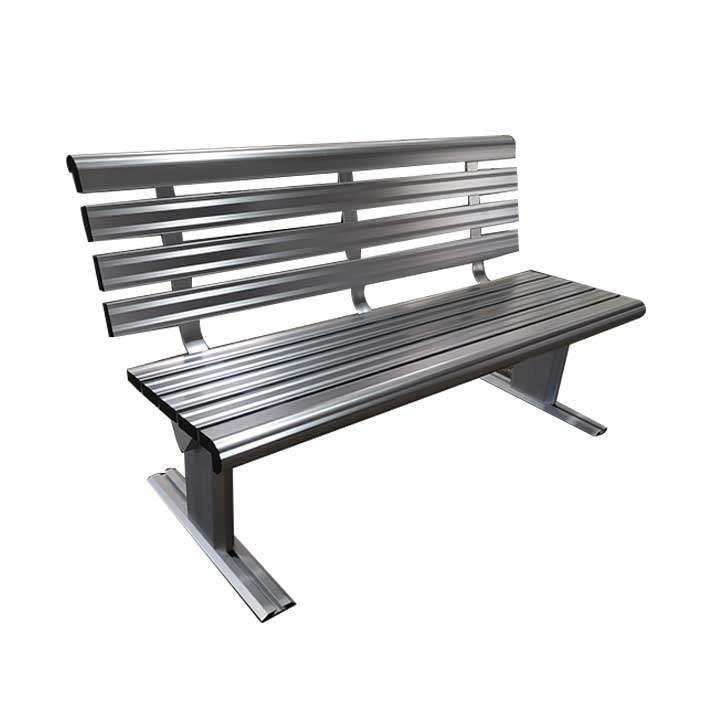
- Space Efficiency: Built by design in a modular and streamlined form, the fixed seating is effectively compact to fit into small-sized decks. This makes them perfectly suited for a boat with companionway seating on board of fewer people.
- Cost-Effectiveness: As these boat seats can offer a more economic choice when compared to the alternative adjustable and reclining kinds because of the simple nature and minimal use of material in its construction.
Limitations
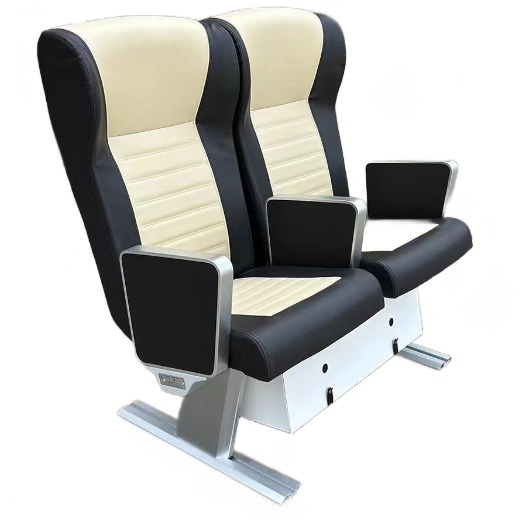
- Limited Comfort: Fixed marine seats force users to adjust to the seating position, leading to discomfort especially in the case of long-distance journeys.
- Lack of Ergonomic Support: Therefore, they lack the usual adjustment such as lumbar supports and reclining backs that ensure good posture and screen against fatigue.
- Reduced Versatility: Designed for purposes and locations they are good for, these marine seats might not be suitable for all kind of boat activities, most especially where flexibility and long seating hours may be required.
- Minimal Features: When it comes to facilities, fixed boat seats cannot go further. These seats lack such amenities as padding or other cushioning enhancements that have become intrusive installations in these seats.
Types
| Type | Description | Key Features | Typical Applications |
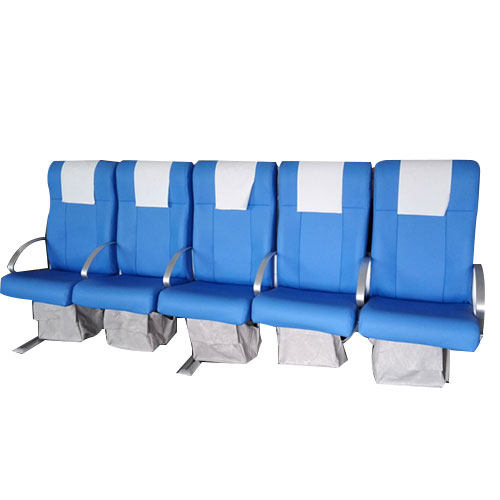
| Bench Seats | Long, continuous seating structure designed to accommodate multiple passengers | Simple design, space-efficient, high seating capacity | Passenger boats, small ferries, leisure boats |
| Bucket Seats | Individual molded seats with a contoured shape for single users | Better support than flat seats, compact, often lightly padded | Fishing boats, small motorboats |
| Pedestal Fixed Seats | Seats mounted on a fixed pedestal base for elevation | Elevated position, stable base, improved visibility | Fishing boats, helm stations |
| Fold-Down Fixed Seats | Seats with foldable backrests but fixed seating angle when in use | Space-saving when not in use, lightweight | Small boats, recreational vessels |
| Backless Seats (Stools) | Simple flat seating without a backrest | Minimalist design, lightweight, easy to install | Utility boats, short-duration seating areas |
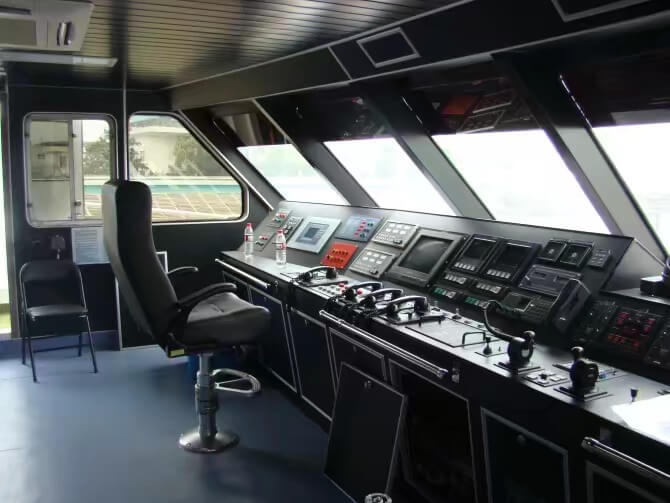
| Helm Chairs (Fixed) | Fixed-position captain’s chairs designed for steering stations | Sturdy construction, often cushioned, designed for control and stability | Commercial vessels, patrol boats, workboats |
| Jump Seats | Compact auxiliary seats that remain fixed in position | Small size, secondary seating option, often integrated into boat structure | Speedboats, recreational boats |
| Box Seats (Storage Seats) | Seats integrated with storage compartments underneath | Dual functionality (seating + storage), durable, space-efficient | Fishing boats, multipurpose vessels |
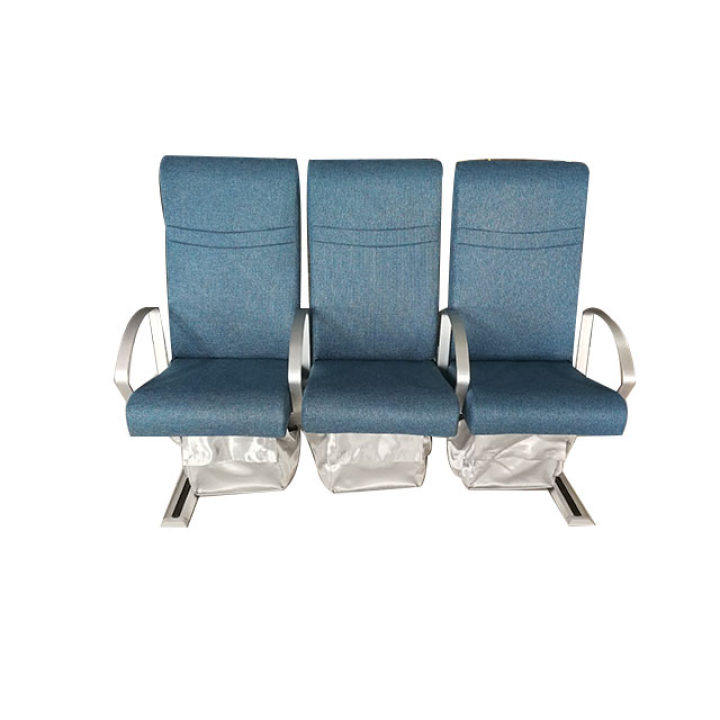
Understanding Reclining Boat Seats
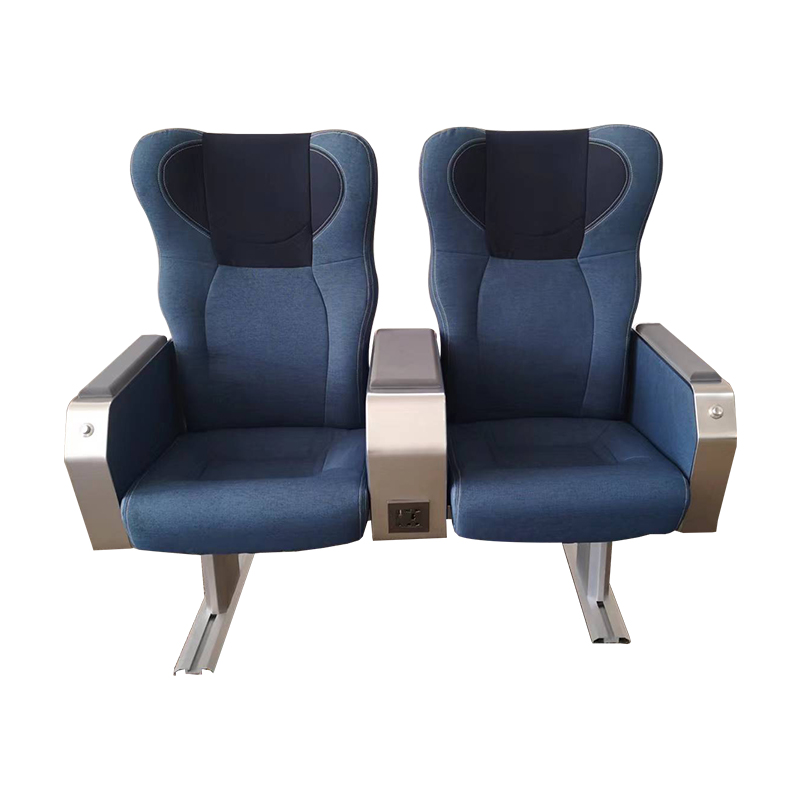
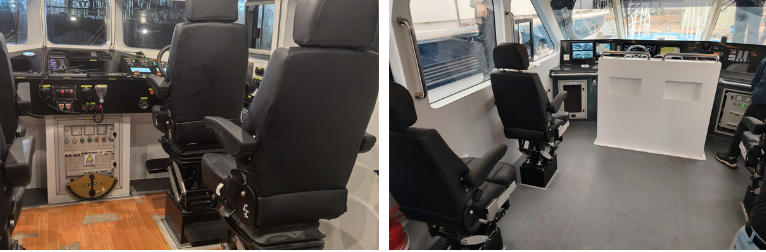
Reclining boat seats provide adjustable seating wherein the user is provided with flexibility to adjust the angle of inclination of the backrest (and sometimes the seat cushion as well) to ensure maximum comfort and ergonomics. These are existed in recreational boats, yachts, cruise ships, and pleasure fishers, making user comfort a priority.
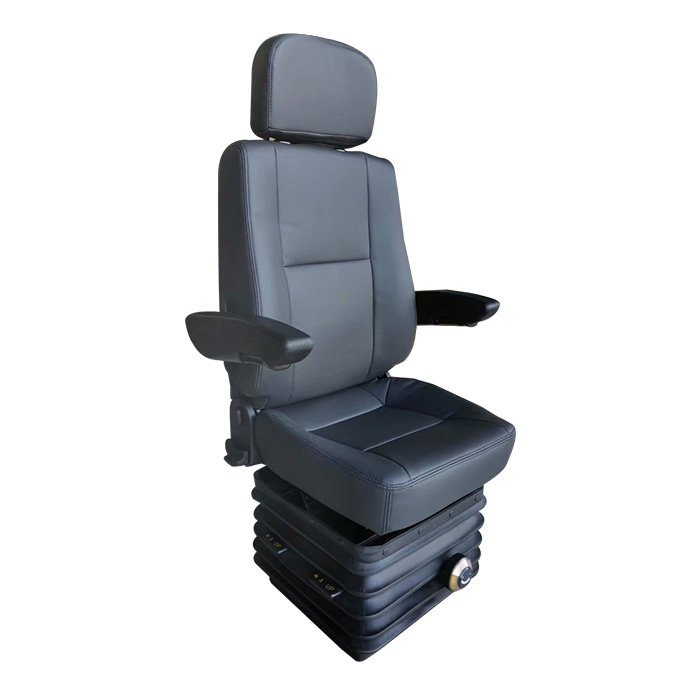
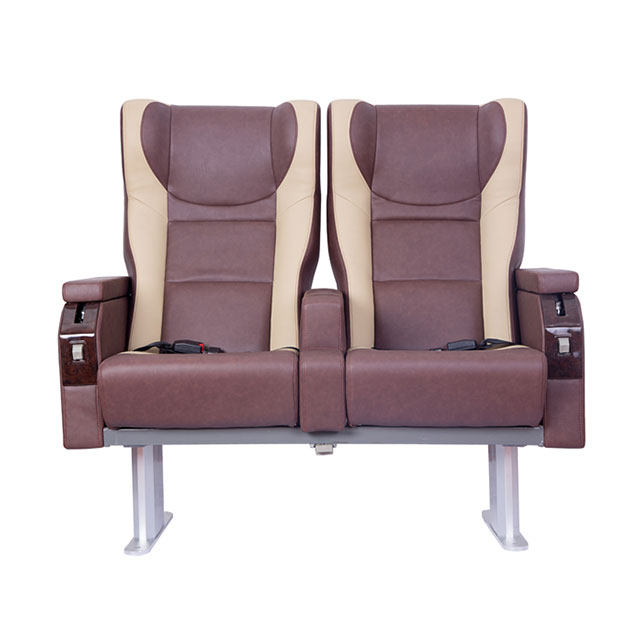
Where possible, reclining boat seats are usually constructed of marine-grade materials, such as corrosion-resistant metal frames, high-density foam padding, and UV-resistant upholstery. Other designs may include additional features, such as armrests, headrests and suspension systems. Upholstery could potentially be water-resistant or at least easy-to-maintain in such a design. So, these types of seats are very suited to those long treks and periods of sitting in between activities owing to their flexibility and ergonomic design.
Advantages
- Enhanced Comfort: Customization of back support enables a user to set the best seating position, which helps eliminate back and shoulder strain diseases. Hence, for long trips or simple hours of boating, these types of seats seem to be ideal.
- Improved Ergonomic Support: Most of the reclining boat seats provide both torso and thigh support by allowing for side-to-side or front-to-back adjustment. This hints at an ergonomically sensible design that may enhance the level of user comfort in a great way.
- Greater Flexibility: Reclining marine seats can meet many users’ needs and preferences in any variety of activities. Some might wish to sit a bit more upright during navigation, while some would want to stretch out for a lovely leisure time. That makes these seats pretty popular across the range of boating applications.
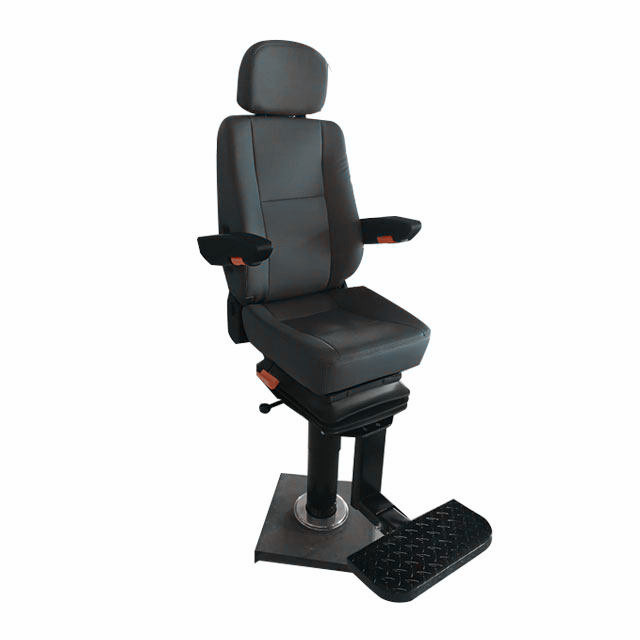
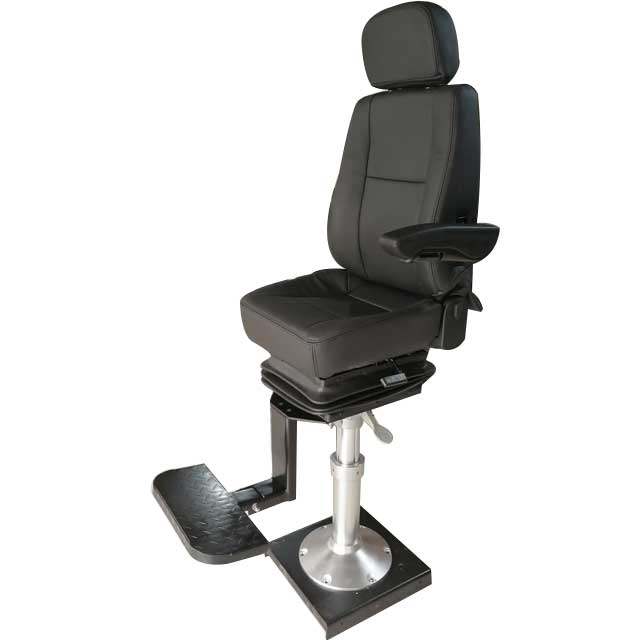
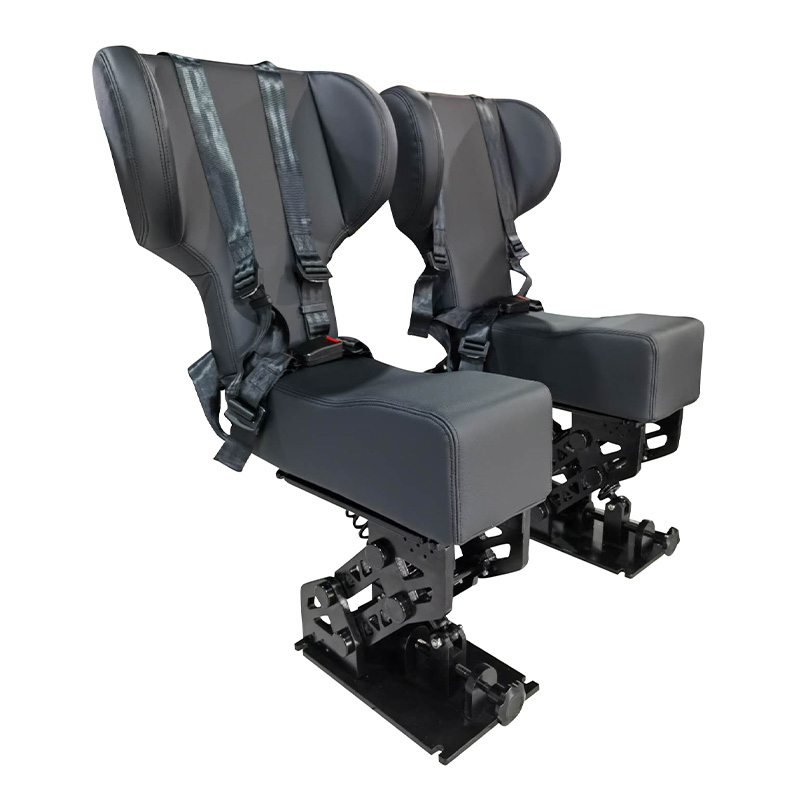
- Premium Features and Design: Armrests, classier padding, and sometimes shock-absorbing systems are just a few of the extra features reclining marine seats afford regarding user comfort, such as suspension shock absorbing pilot chair, saddle suspension ship chair, flip-up yacht seat, etc. Modern design definitely adds to a sleek and stylish appearance on board.
Limitations
- Higher Maintenance Requirements: The presence of operating mechanical parts, hinges, reclining mechanisms and demand maintenance on a regular basis. Lubrication, inspection, and occasional replacement may be required for such parts.
- Increased Initial Costs: The price difference between a fixed seating system and a reclining-action system makes the latter system more expensive.
- Larger Space Requirement: Space for the seats is a major factor, and the extra bulk doesn’t really go well with the need for adjusting functions, but the opposite cannot be said of the smaller vessels.
- Potential for Mechanical Wear: Now that rejuvenating mechanisms early on in their life can wear out under constant strain, which is exaggerated by harsh marine conditions. In severe circumstances, violence to saltwater and humidity can expedite corrosion if not checked.
Types
| Type | Description | Key Features | Typical Applications |
| Standard Reclining Seats | Basic seats with adjustable backrests | Simple reclining mechanism, moderate padding | Recreational boats, small leisure vessels |
| High-Back Reclining Seats | Seats with extended back support for improved comfort | Full back and neck support, enhanced cushioning | Long-distance cruising, yachts |
| Folding Reclining Seats | Seats that can recline and fold down when not in use | Space-saving design, lightweight, easy storage | Small boats, fishing vessels |
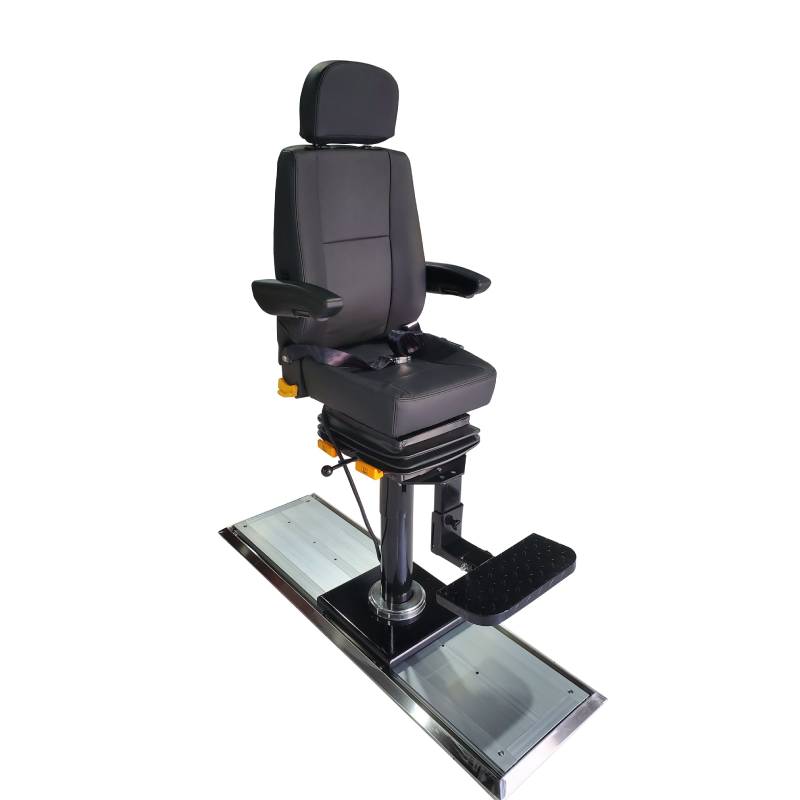
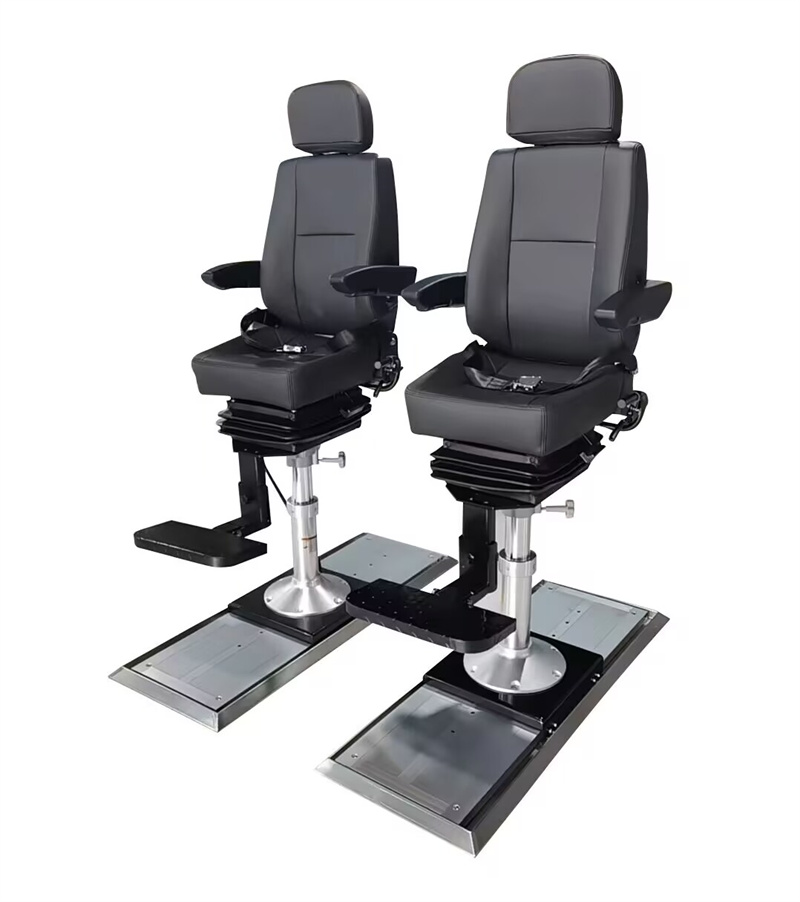
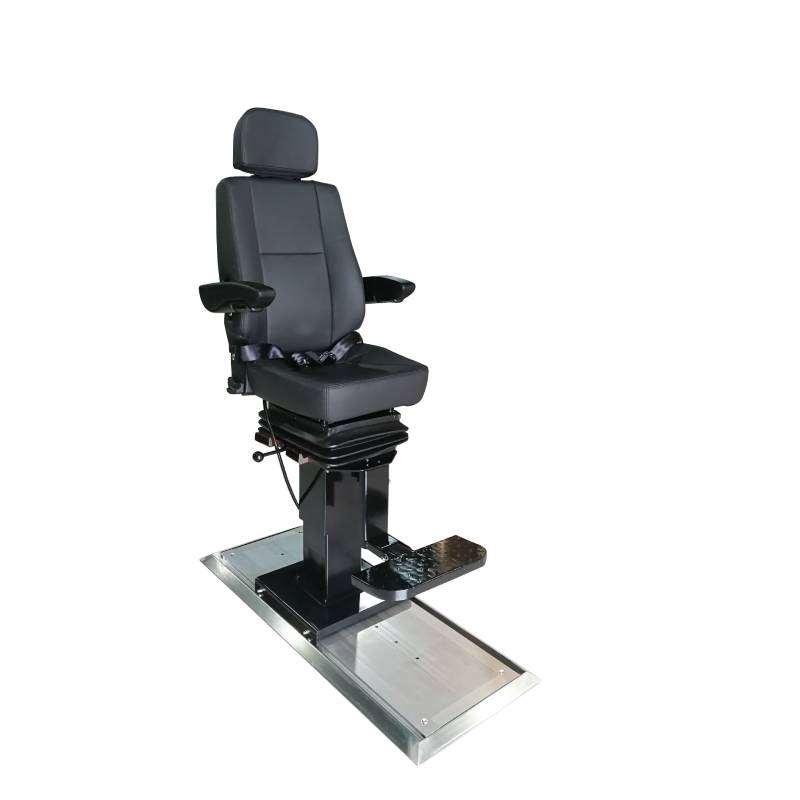
| Captain’s Reclining Chairs | Premium seats designed for the helm with reclining functionality | Armrests, thick padding, ergonomic design, sometimes swivel function | Yachts, luxury boats, control stations |
| Suspension Reclining Seats | Seats equipped with shock-absorbing systems and reclining features | Vibration reduction, enhanced comfort in rough waters | High-speed boats, offshore vessels |
| Swivel Reclining Seats | Seats that rotate and recline for flexibility | 360-degree rotation, adjustable backrest | Fishing boats, multipurpose recreational boats |
| Lounger-Style Seats | Extended reclining seats designed for relaxation | Deep recline angles, plush cushioning, sometimes with leg support | Luxury yachts, sun decks |
| Bench Reclining Seats | Multi-person seats with reclining backrests | Shared seating, adjustable sections, space-efficient for groups | Pontoon boats, leisure boats |
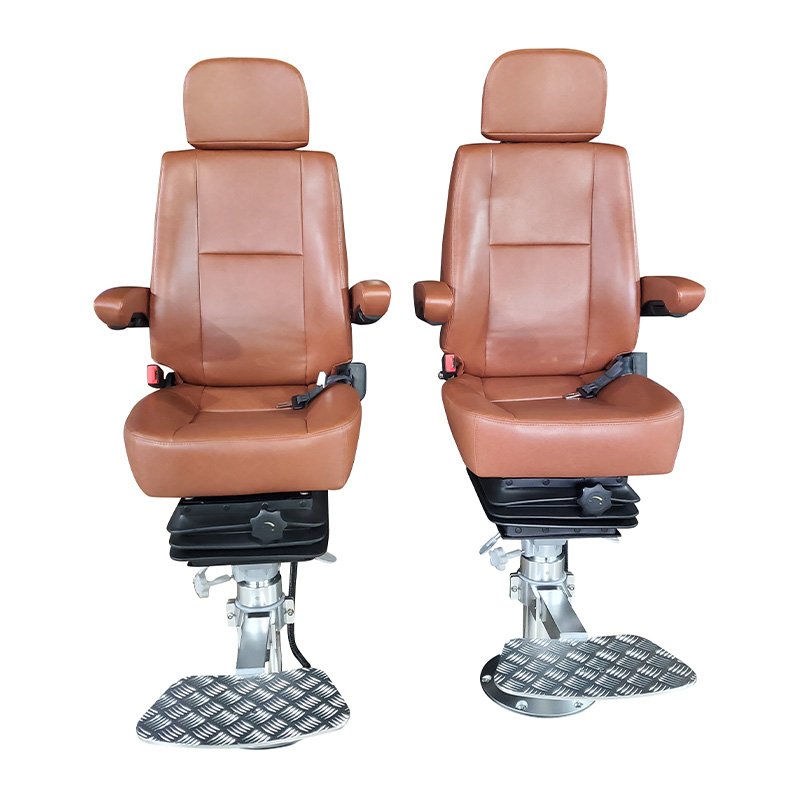
Key Differences Between Fixed and Reclining Boat Seats
| Aspect | Fixed Boat Seats | Reclining Boat Seats |
| Design Structure | Simple, rigid construction with no moving parts | Adjustable design with reclining mechanisms and moving components |
| Adjustability | No adjustability; fixed position | Adjustable backrest (and sometimes seat base) for customized positioning |
| Comfort Level | Basic comfort; suitable for short durations | High comfort; ideal for long trips and leisure use |
| Ergonomics | Limited ergonomic support | Enhanced ergonomic support with better posture alignment |
| Durability | Highly durable due to fewer mechanical parts | Moderate durability; moving parts subject to wear |
| Maintenance | Low maintenance requirements | Higher maintenance due to mechanical components |
| Space Requirement | Compact and space-saving | Requires more space for adjustment and reclining functions |
| Weight | Generally lighter | Typically heavier due to added features |
| Cost | More affordable | Higher cost due to complexity and comfort features |
| Features | Minimal features; focused on function and reliability | Additional features like armrests, padding, headrests, and suspension systems |
| User Experience | Stable and practical but less comfortable over long periods | Comfortable and flexible, enhancing overall onboard experience |
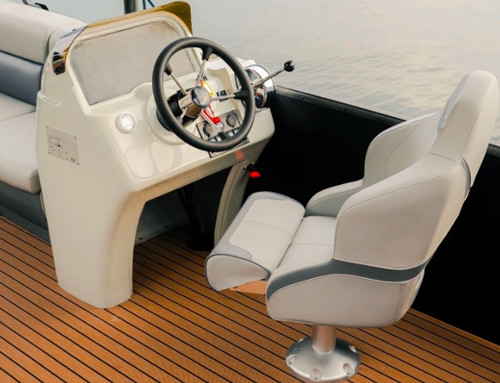
Key Factors to Consider for Choosing Between Fixed and Reclining Boat Seats
Finding a suitable boat seating means a ticket to comfort, safety and, of course, enhancements in the overall vessel’s performance. Fixed and reclining boat seats come with their specific advantages. The right calls for the kind of boat wants to run, the type of environment stable sea or churning surf and what one expects of the seating.
1. Intended Use of the Vessel
For cases where the functions of a boat are primary, holders go for fixed seats that cater to reliability, sturdiness, and redundancy, while also fulfilling obligations expected from their intended purpose. Meanwhile, recreational and high-end owners, seeking comfort and relaxation, favor adjustable seats that fully allow seating adjustments to adapt to the journey that lies ahead.
2. Comfort and Ergonomic Requirements
Comfort writ large, especially if one must stay out there on the water for prolonged periods of time. Reclining seats possess adjustable backrests and may have cushioning to provide better body efficiency and comfot and less fatigue. Fixed seats marked by their stability generally lack lumbar support that any trained professional would recommend; hence, they are certainly more suited for shorter-duration use or those applications where comfort is of no particular concern.
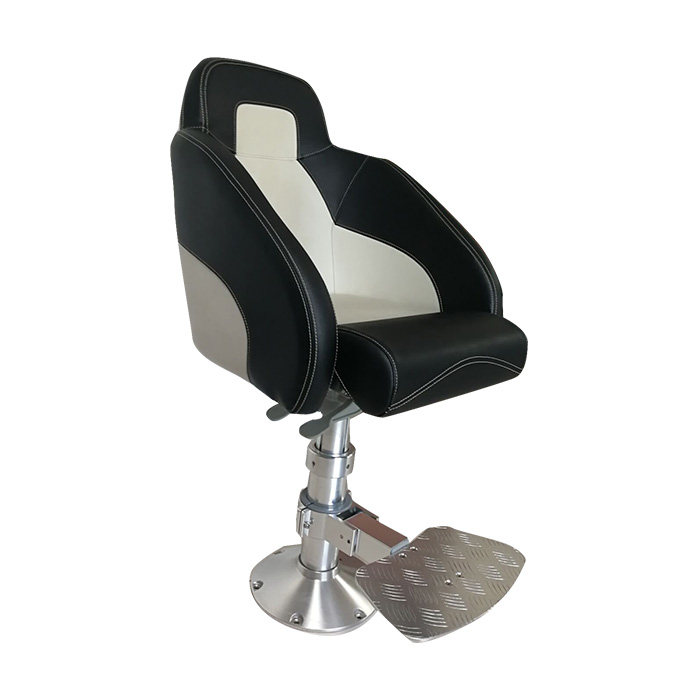
3. Durability and Environment Conditions
Some marine environments are nothing to underestimate; salt water, humidity level, and high UV exposure can be rough. Usually with few moving parts, the fixed boat seats are bound to be prime items for stability as well as in terms of accident of being worn out, coroded or stuck. In contrast, to expect the reclining variety to function normally at such conditions, maintenance and care have to be properly administered to these creatures made out of marine-grade materials.
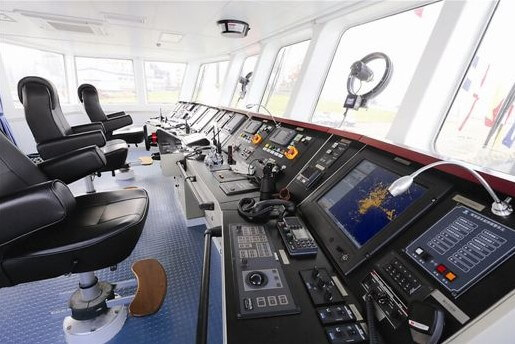
4. Maintenance Requirements
Variability regarding maintenance requirements is raised for both. Fixed seats are massively low on maintenance because they simply require routine cleaning and some inspections. Adjustability of reclining seats gives fairly more extreme exposure to maintenance use as the track and slider may involve lubrication and a gamut of other inspection as time inevitably wanes. This would consequently dictate the budget for the enterprise; hence this factor is a vital one for the operators who never wished to see much downtime and maintenance costs.
5. Space Availability on Board
The available space on a vessel would prove to be another reason to be considered for choosing seats. Fixed seats are usually small with an effective use of space, which makes them a good choice for smaller vessels or vessels that have to pack as many seats in as possible. Reclining seats typically require more space to occupy their adjustable features, making them good or bad relative to the situation where they find themselves.
6. Budget Considerations
It is another aspect that costs must account for. With a significantly inferior design and simplicity in the system, fixed boat seats cost much less due to fewer components. In turn, reclining seats cost more. Buyers should balance the benefits of costs at the start because the performance and maintenance costs are ultimately compared.
7. Safety and Stability
Safety is key for any marine setup, but fixed seats are way too low to the ground and offer a stable and comfortable seating position, which is a must in heavy weather or high-speed conditions. Reclining seats are safe but with the recline feature, user control might be decreased, less rigidity ensured, and less stiffness under extreme conditions, so fixed seats must be preferred for rough backdrops.
8. Aesthetic and User Experience
Often, however, functionality is a key factor to consider when selecting passenger-optimized seating arrangements. For boats designed with the passenger experience in mind, aesthetics, and comfort can prove a significant differentiator. These sleek, modernized seats can be made from premium materials and can offer an array of creature comforts that add to the atmosphere onboard. By contrast, fixed seats tend to be efficient and basic-looking.
Summary
- Fixed seats excel in durability, simplicity and cost-effectiveness, making them ideal for demanding and space-limited applications.
- Reclining seats, provide superior comfort and flexibility, making them well-suited for leisure and long-duration boating.
Final Thoughts
Both fixed and reclining boat seats serve important roles for marine applications, each with target symmetries to provide for different functions. The right choice is to balance operational needs with the comfort expectations of each user. When one evaluates the specific demands of a boat, the proper marine seating can then be set up that will bring about increases in performance and enjoyment during its use.