Cost vs. Performance in Optimizing Mooring Bollard Selection
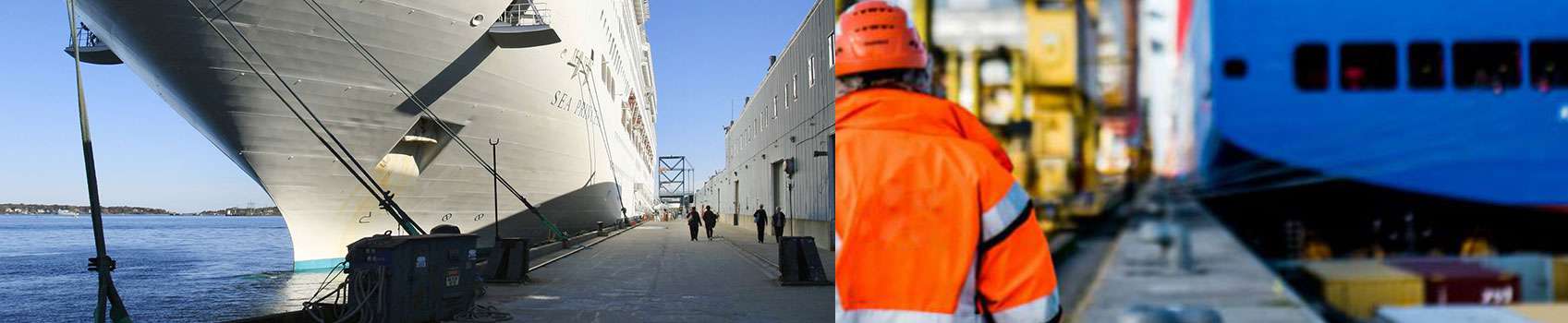
Mooring bollards are an essential infrastructure of a port as they act as the primary mechanism by which ships can safely dock. Determining the optimal choice of a bollard is a cost vs. performance issue. This article aims to focus the important issues affecting cost, performance, and long-term value for the mooring bollard selection.
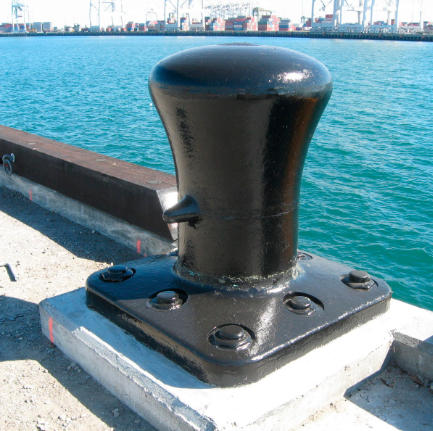
Table of Contents
Understanding the Functions of Mooring Bollards
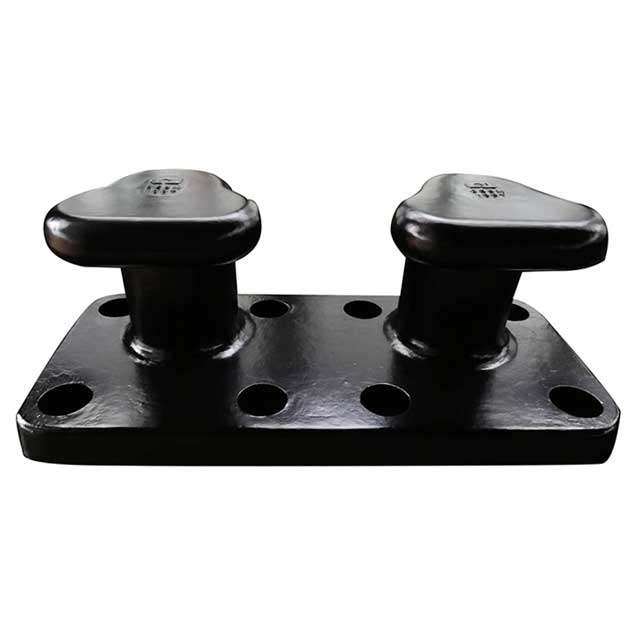
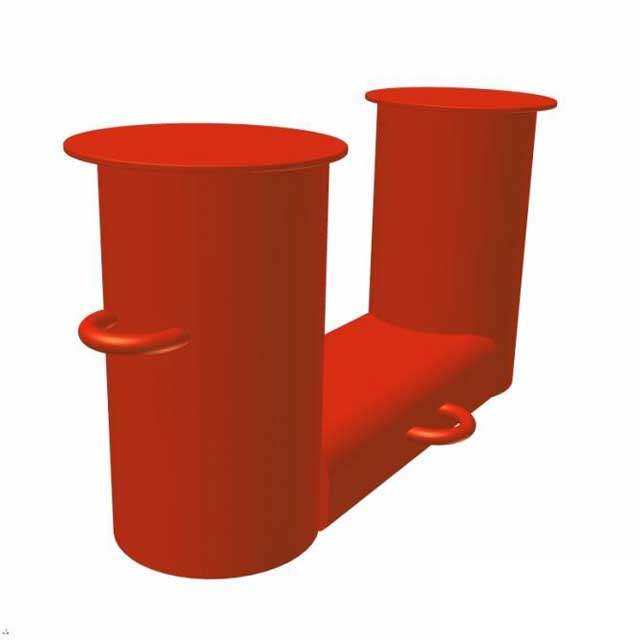
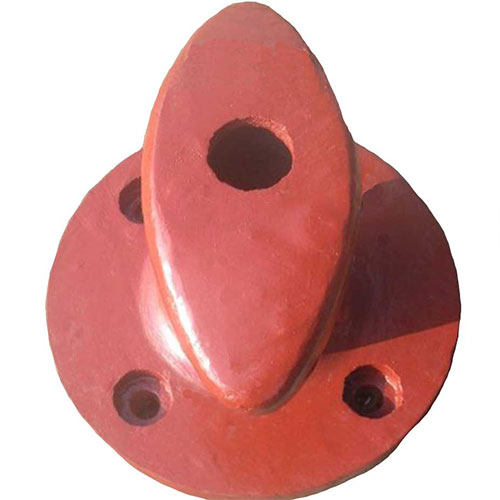
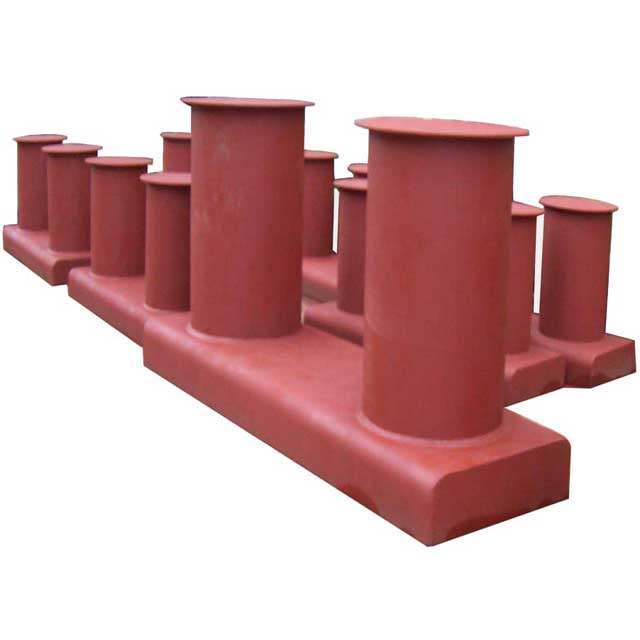
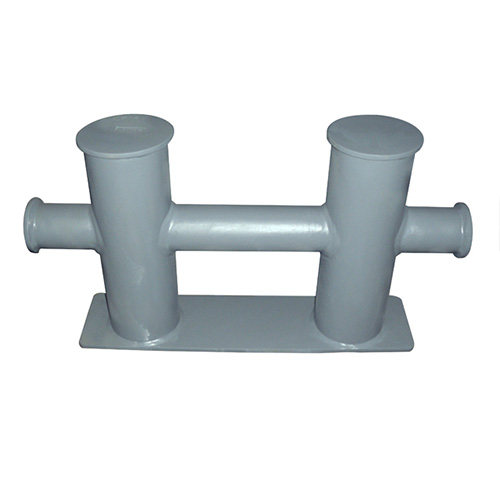
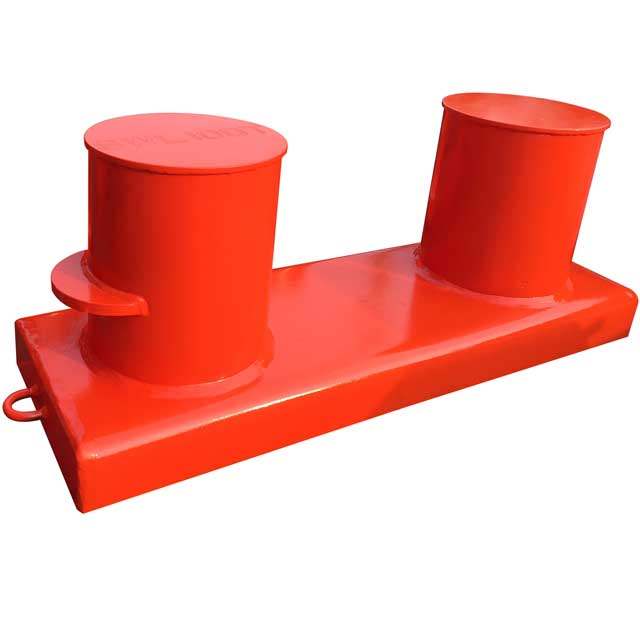
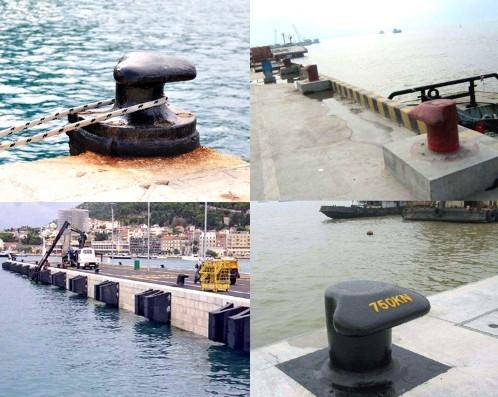
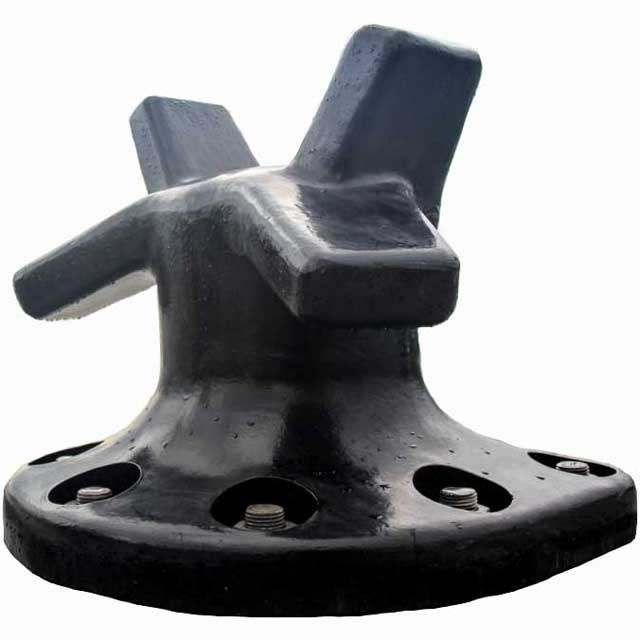
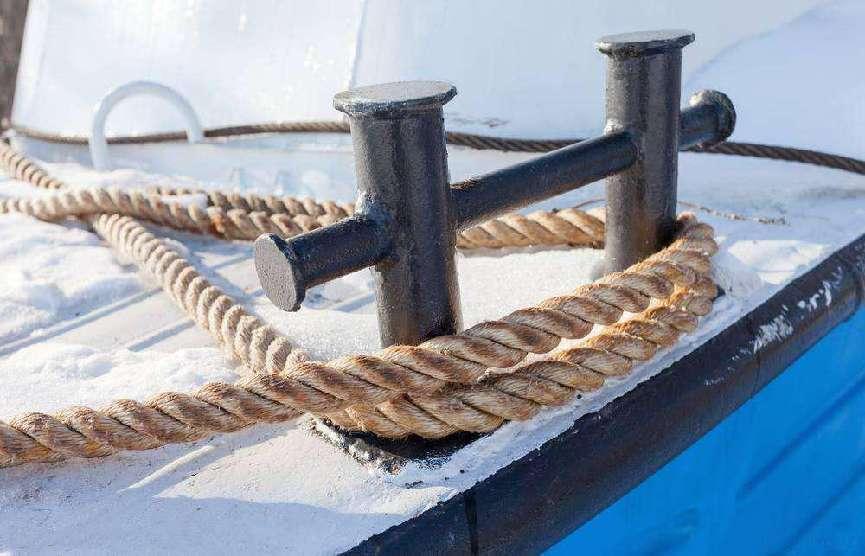
Mooring bollards are strong, fixed posts designed to withstand the forces of the mooring lines. They come in different shapes, sizes, and materials for different types of applications ranging from small recreational harbors to large commercial ports. The primary goal is preventing vessels from drifting and, at the same time, accommodating for the dynamic forces of the environment such as wind, and wave current.
Key Performance Metrics for Evaluating Mooring Bollards
| Metric | Description | Importance |
| Load Capacity | Maximum tension the bollard can safely handle from mooring lines. | High-capacity marine mooring bollard can ensure vessel stability and prevents bollard failure. |
| Durability | Resistance to corrosion, wear, fatigue, and environmental exposure. | Extends service life and reduces replacement frequency. |
| Maintenance Requirements | Frequency and complexity of inspections, repairs, or surface treatments. | Affects long-term operational costs and reliability. |
| Safety Features | Design aspects such as smooth surfaces, rounded edges, and spacing to prevent line damage. | Minimizes crew injuries and protects mooring lines. |
| Environmental Compatibility | Ability to withstand harsh marine conditions, including saltwater, UV, and temperature changes. | Ensures consistent performance in specific port or harbor conditions. |
Key Cost Factors in Mooring Bollards
| Cost Factor | Description | Impact on Total Cost |
| Material Costs | Cost of steel, ductile iron, or composite materials used in bollard construction. | Higher-quality materials increase upfront cost but improve durability. |
| Installation Costs | Expenses related to foundation work, labor, and equipment for mounting the bollard. | Complex installations raise initial investment. |
| Maintenance Costs | Costs for inspections, corrosion protection, repairs, and routine upkeep. | Frequent maintenance increases long-term operational costs. |
| Replacement Costs | Expenses incurred when bollards fail or reach the end of their service life. | Inadequate bollards may need early replacement, adding to life-cycle cost. |
| Environmental Adaptation | Costs associated with making bollards resistant to harsh marine conditions, e.g., coatings or treatments. | Protects investment and reduces corrosion-related repairs over time. |
Challenges and Solutions in Optimizing Mooring Bollard Selection for Balancing Cost and Performance
1. Meeting Diverse Operational Requirements
Challenge
Perhaps the most challenging element is the variety of operational requirements. Ports get different kinds of vessels ranging from large to small ships and can come with varying weights which means that they can pose different load applications on the mooring bollards as well. A bollard that is designed and suitable for small recreational boats may not be adequate for large cargo swimming vessels. Line tension must be estimated to be within the maximum line tolerances and safety margins must be added, albeit, from a cost perspective but such over estimations may not be financially prudent.
Solution
When determining operational needs, there is a need to understand the types of vessels and sizes that will be docking as well as the expected mooring line loads and extreme environmental conditions that can be experienced, such as high winds, rough waters, and strong currents. Making an operational needs analysis as described will ensure that the bollard is neither over designed, resulting in waste of money, and otherwise under designed, exposing the area to safety risks and premature costly replacements.
2. Evaluating Material Performance in Harsh Environments
Challenge
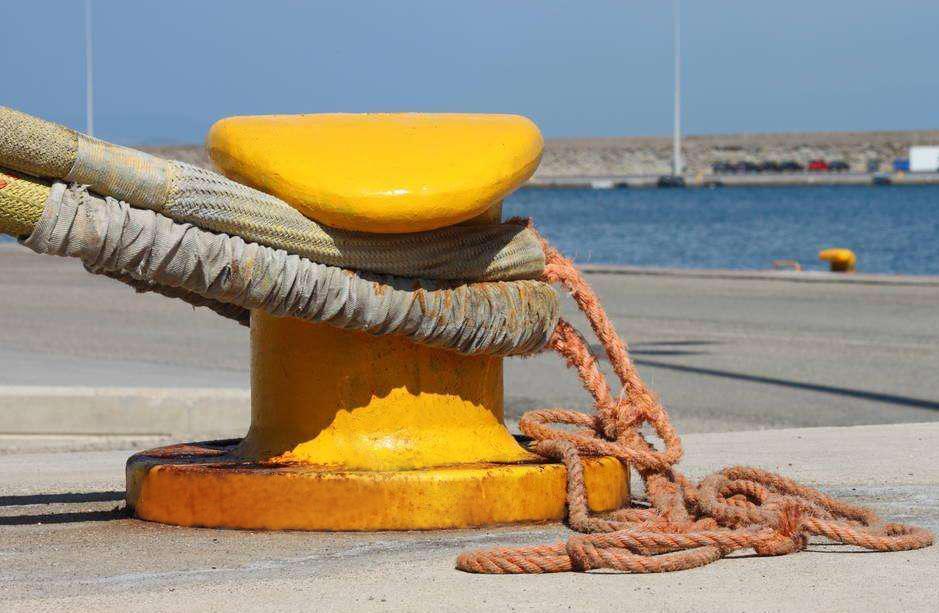
Environmental conditions also present a problem. The marine bollards must withstand the corrosive nature of saltwater, extreme weather fluctuations, UV sensitivity, and the mechanical wear that is sure to come from the constant operational use. High-strength steel and ductile iron are some of the best options as they are very durable. Their upfront costs are pricier, though. Composite materials have low maintenance needs, but they will not be able to hold as much weight. Finding the right balance of durability and upfront costs is going to be a very difficult task.
Solution
The choice of materials is going to have major influence on the costs and the performance of marine mooring bollards. Having high-strength steel and ductile iron is going to have an upfront higher cost, but it’s going to be well worth it as they are very durable and will be able to hold a lot of weight, all while withstand corrosion. Composites are going to have higher maintenance needs while also with having lighter loads. The environmental exposure and expected usage will give the managers the right balance so that no excessive costs are made with the appropriate durability.
3. Balancing Initial Investment and Life-cycle Costs
Challenge
A lot of port operators don’t think about the long-term implications of their purchasing choices. For example, while cheaper bollards reduce the initial costs, they often require more maintenance or need to be replaced more frequently. This increases long-term expenses. On the other hand, purchasing more expensive, high-quality, corrosion-resistant bollards increases the initial cost, but will lead to less expensive overall costs throughout the bollards service life. This obviously is a complex calculation, particularly with environmental conditions and problems with wear and tear.
Solution
Prioritizing the lowest purchase price (and the initial investment) can be a trap, as bollards that are inexpensive but highly susceptible to corrosion and mechanical wear will drive even higher maintenance and replacement costs over the bollard’s service life. A lifecycle cost analysis, which takes into account not just the purchase price, but also the costs associated with installation, maintenance, and replacement over the service life, will indicate the best options.
4. Managing Safety and Regulatory Requirements
Challenge
There is no disputing the fact that in the maritime industry, safety is a must, not just a bonus. Safety is of the utmost importance when it comes to maritime operations. It’s also a requirement that bollard design must comply with all safety standards and regulations, specifically, that no line can slip or break and that the crew are not injured in any way. Finding the right intersection of maintaining safety, cost, and performance is a challenging task, especially if financial constraints limit which materials and design approaches can be utilized. Failure to comply will lead to accidents that cost money, so it is important to comply or be left with a damaged reputation legally and publicly.
Solution
From a safety and regulatory perspective, no compromises can be made. Design of mooring bollards to be able to stop line slippage, increase risk of injury to crew, and stave off compliance with maritime regulations. Assessed design features of bollards focusing on operational safety and durability, and develop effective strategies that incorporate smooth surfaces, optimal spacing, and rounded edges. Integrating safety with optimal design features in the selection process is guaranteed to preserve performance without the added costs of accidents and compliance irregularities.
5. Managing Installation and Maintenance Complexity
Challenge
There is an added layer of challenges brought about by the complexity of the installation of mooring bollards. In most cases, larger, larger capacity bollards come with reinforced foundations and specialized installation equipment which escalates costs as well as time spent on the installation. The type of the mooring bollard and the environment also dictate the extent of maintenance required. An imbalance where selection is for the optimal performing type that comes with extreme frequent maintenance can over time exhaust operational resources and offset performance benefits gained at the start.
Solution
The installation complexity and the costs therein can be reduced through selection of mooring bollards that are suitable for the existing structures on the dock. In selecting designs that are optimal to performance, imbalanced maintenance routines can be avoided by balancing on those that provide minimal maintenance over time or easy maintenance scheduled at intermittent routines to avoid optimal performance.
Final Thoughts
It is always a trade-off between initial cost and long-term performance for any piece of mooring bollard. If you only look at the initial purchase price, you will end up unsafely compromising the purchase and will incur excessive life-cycle costs. Understanding the load and other requirements, along with assessing the conditions of the environment and the available mooring bollards’ required maintenance efforts, will yield the best bang for your buck. In other words, you get the best value and the most cost-effective option for a marine bollard when it is one that will cost you the most initially when you fully consider the cost throughout its life. It must also be one that will give you the needed reliability all the time.