How to Maintain Marine Anchors Properly
Marine anchors represent critical elements that ensure both safety and operational efficiency of vessels. Anchors must function correctly for all types of vessels which includes commercial ships, offshore platforms, recreational boats, etc, because these vessels operate in extreme environments that include strong currents and corrosive seawater, they experience mechanical stress. The holding power of anchors requires proper maintenance which also extends their service life while reduce the risk of failure during anchoring operations.
Table of Contents
Why Maintaining Marine Anchors is Important
Marine anchors function under extremely challenging conditions because they operate in one of the most difficult maritime environments. Saltwater exposure causes rapid corrosion while seawater contact with seabeds which include sand and mud and rock creates both abrasion and structural damage. Maintenance activities should take place at regular intervals because the anchor system experiences two different types of wear which will result in diminished holding capacity and complete operational failure. The process of maintaining marine anchors results in better safety outcomes which lead to decreased expensive repairs and reduced operational interruptions.
Common Types of Marine Anchors and Their Maintenance Needs
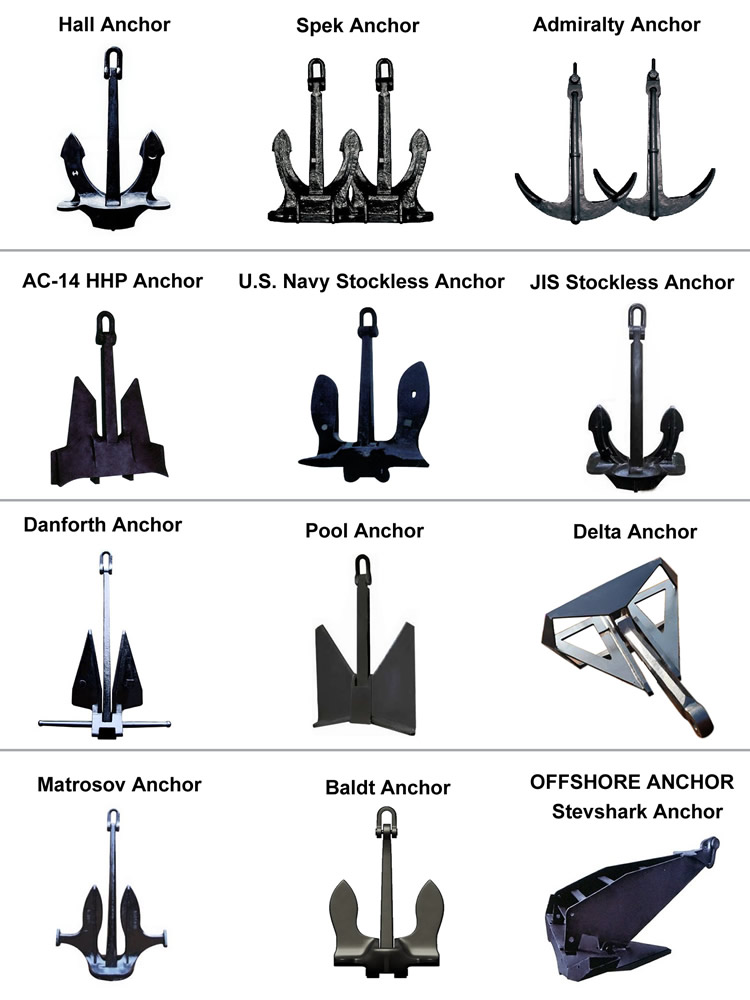
This chart provides the main anchor types and their specific maintenance requirements, helping ensure optimal performance and longevity in marine environments.
| Anchor Type | Key Characteristics | Common Issues | Maintenance Needs |
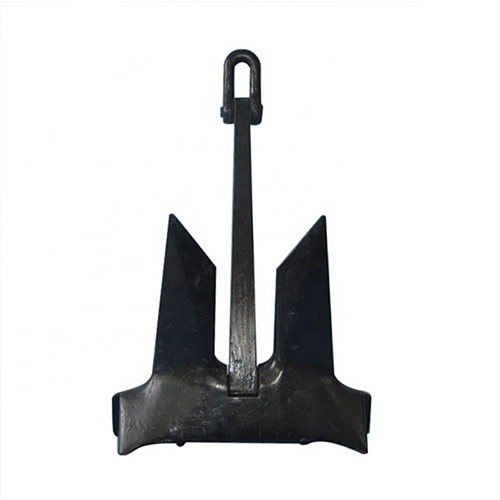
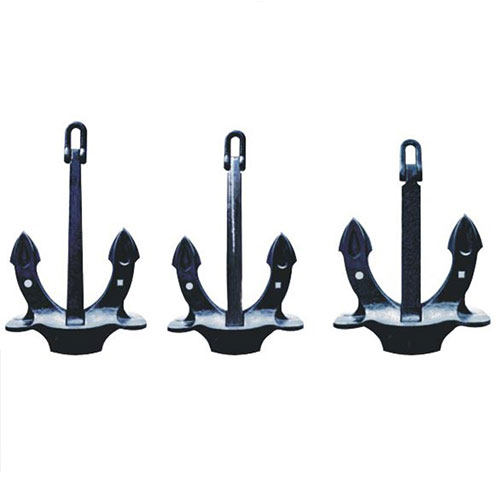
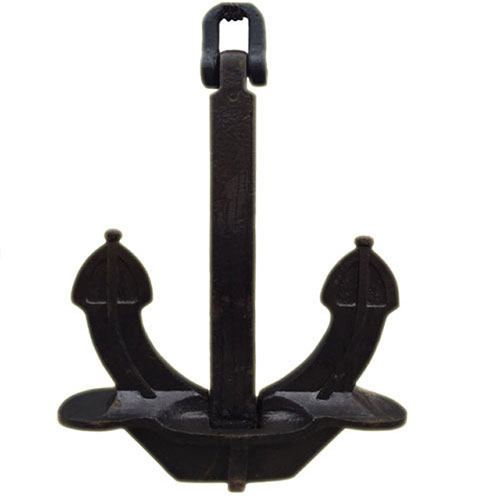
| Stockless Anchor | Widely used on commercial ships; no stock, pivoting flukes | Wear at hinge/pivot points, corrosion, deformation | Inspect moving joints regularly, lubricate pivot areas, apply anti-corrosion coatings |
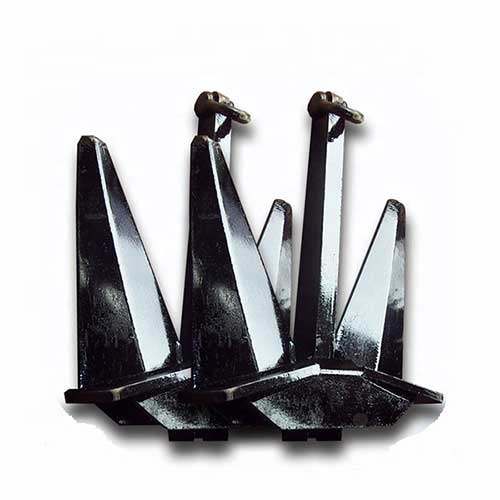
| High-Holding Power (HHP) Anchor | Higher efficiency with reduced weight; strong holding capacity | Stress concentration, potential bending or cracking | Conduct frequent structural inspections, use non-destructive testing, monitor for deformation |
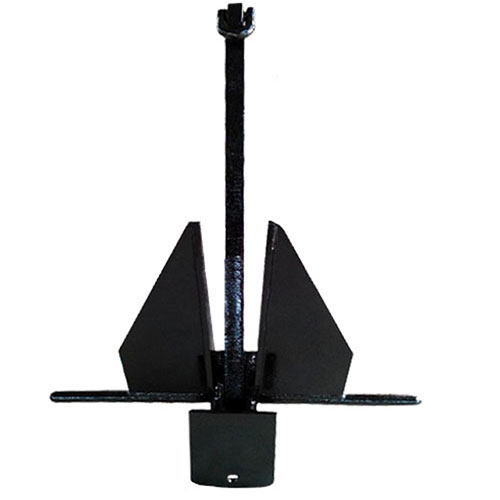
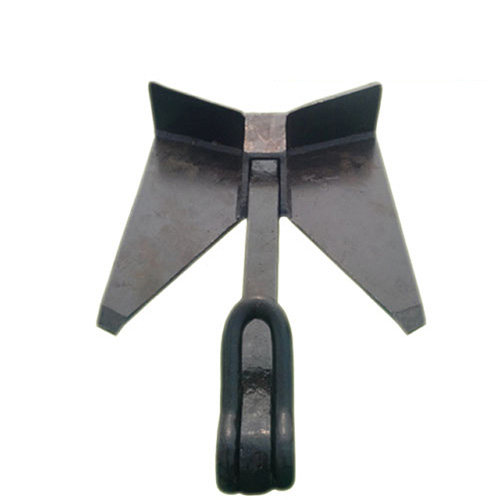
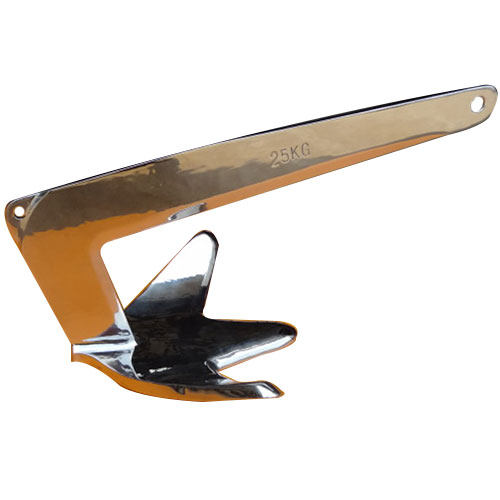
| Plow Anchor | Good penetration in sand, mud, and grass; common on yachts | Tip wear, corrosion, debris accumulation | Clean after use, inspect and maintain tip condition, recoat protective layer |
| Fluke (Danforth) Anchor | Lightweight with large flukes; excellent for soft seabeds | Fluke bending, hinge wear, corrosion | Check fluke alignment, inspect hinge pins, rinse with fresh water and dry thoroughly |
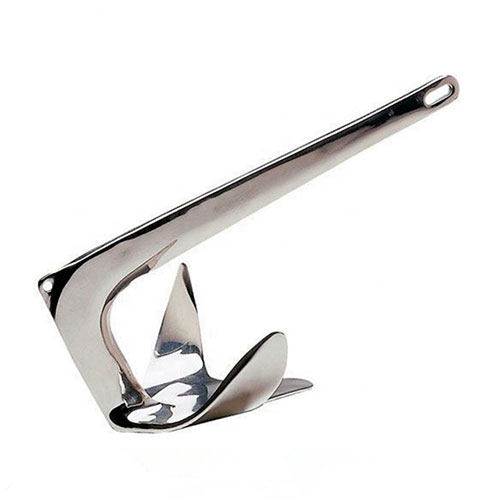
| Bruce Claw Anchor | Easy to set; performs well in various seabeds | Surface wear, reduced holding in very soft mud | Routine inspection for cracks, clean regularly, maintain protective coating |
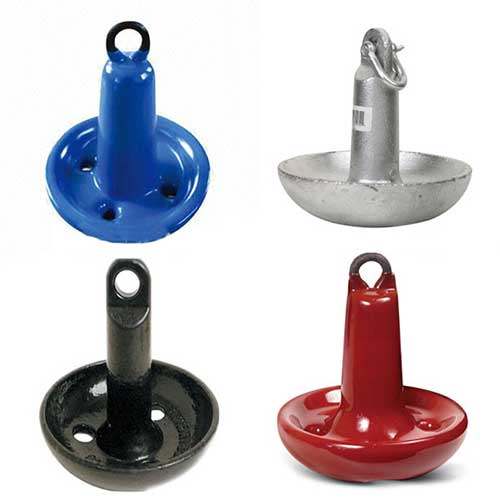
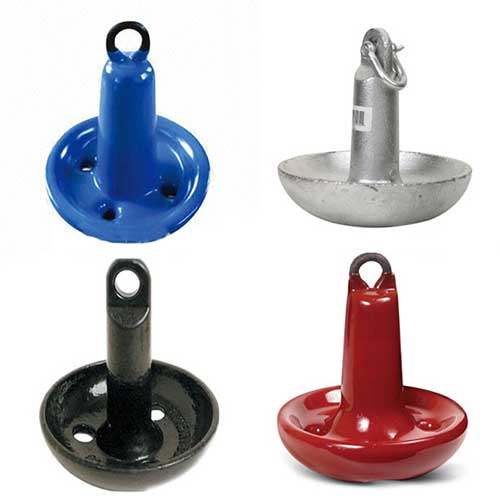
| Mushroom Anchor | Used for permanent moorings; embeds into seabed over time | Long-term corrosion, difficult inspection | Periodic retrieval (if possible), apply heavy-duty corrosion protection, monitor condition |
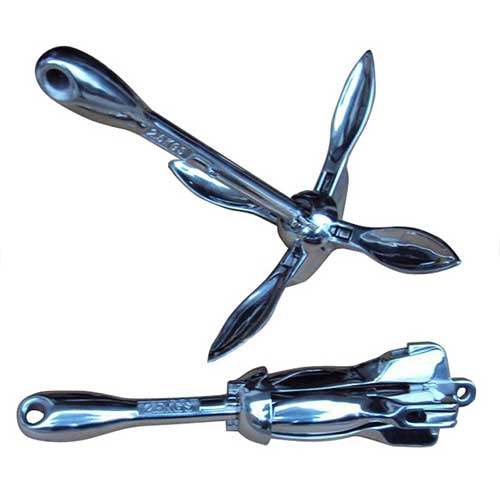
| Grapnel Anchor | Compact; multiple hooks for rocky seabeds and small boats | Hook bending or breakage, rust formation | Inspect hook integrity, repair or replace damaged parts, apply rust-resistant coatings |
Key Strategies for Maintaining Marine Anchors Properly
Implementing effective maintenance strategies can significantly enhance marine anchor performance, extend service life, and reduce the risk of failure.
1. Establishing a Routine Inspection Program
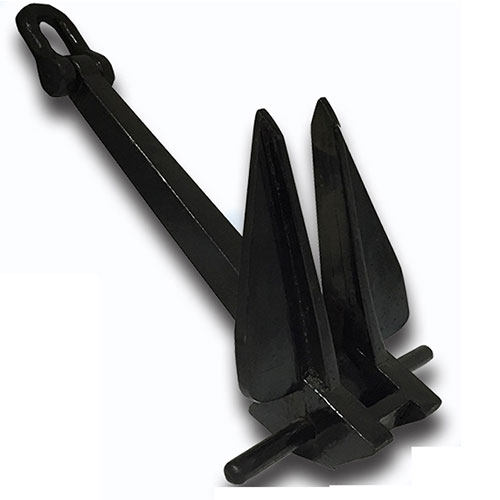
A structured program allows thorough inspections that provide routine maintenance for anchors. Regular visual inspections need to be performed to find early signs of corrosion, cracks, bending deformation, or excessive wear. Special attention should be devoted to such critical areas as the shank, crown, flukes, and weld joints, as they are subjected to significant stresses during anchoring.
For those vessels that are operated in very severe conditions, non-destructive testing techniques (for example, ultrasonic or magnetic particle) should be employed in order to carry out advanced periodic inspections. These techniques would also help in the discovery of internal flaws that may go unnoticed by routine checks, thereby enhancing safety and reliability.
2. Implementing Effective Corrosion Control Measures
Corrosion is perhaps the biggest bane to anchor maintenance in the marine environment. This is due to the oxidation caused by saltwater exposure which gradually weakens the structure of the anchor. Galvanizing and using marine-grade epoxy paints should be considered as effective remedies. These coatings may need to be reapplied and sometimes even maintained to ensure the application of the entire anchor. On large anchors placed for extended periods, cathodic protection could provide further reductions in corrosion rates. Regular cleaning works to eliminate all salt deposits, marine growth, and sediment in the marine environment.
3. Ensuring Proper Cleaning After Each Use
Also, maintaining your anchor cleaning becomes an invaluable practice to follow. Anchors can develop cruft, which assemblages upon hardening, becomes mud, sand, or organic matters. This setting of hardened debris and the usual corrugation through the seabed increases the damage and rate of corrosion on the anchor.
After flushing an anchor with fresh water, any contaminants are eradicated, and as a benefit, resistance to salty ambient conditions is minimized. It is necessary to advise for the adoption of further cleaning measures for these anchors that need to test harsh and muddy conditions for disappearance of residues.
4. Maintaining Anchor Chains and Connecting Components
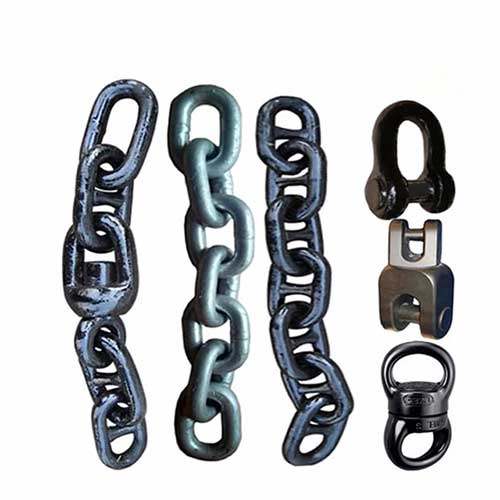
The anchor system is only as strong as its weakest component; the maintenance of anchor chains, shackles, and connecting hardware are of comparable significance. Chains must be checked for wear, elongation, and corrosion, mostly concentrated at areas where links contact each other often.
Shackles and pins should be confirmed duly screwed and without margins, cracks, or deformation. Through proper lubrication of movable parts, one can reduce abrasion and elongate the working life of these critical components.
5. Applying Timely Repairs and Replacements
Preventing small issues from turning into more substantial problems should be a priority. Surface corrosion, for example, should be manageable through cleaning and recoating, while gently repairing the wrinkles with controlled restoration processes for other objects.
Extreme measures, such as replacement, should be considered when straightforward structural repairs are found too dangerous. Works concerning any repairs must be in full compliance with the rules followed in maritime investigation and classification societies in order that such works continue to be acceptable.
6. Optimizing Storage and Handling Practices
Proper storage and handling of anchors can significantly reduce unnecessary wear and damage. Anchors should be securely stowed to prevent movement during transit, which can cause mechanical stress and impact damage.
Hawse pipes, anchor pockets, and storage compartments should be kept clean and free of obstructions to ensure smooth deployment and retrieval. Crew members should also be trained in correct handling procedures to minimize accidental damage during operations.
7. Using Modern Maintenance Technologies
This chart summarizes advanced technologies that are transforming marine anchor maintenance from reactive approaches to intelligent, data-driven strategies, improving both safety and operational efficiency.
| Technology | Description | Key Applications | Benefits |
| Non-Destructive Testing (NDT) | Inspection techniques that assess internal integrity without damaging the anchor | Ultrasonic testing, magnetic particle testing, radiography | Early detection of cracks, fatigue, and hidden defects |
| Smart Sensors and IoT Monitoring | Sensors integrated into anchoring systems to collect real-time data | Load monitoring, stress/strain measurement, corrosion tracking | Enables condition-based and predictive maintenance |
| Digital Maintenance Management Systems (CMMS) | Software platforms for managing inspection and maintenance records | Maintenance scheduling, lifecycle tracking, compliance reporting | Improves efficiency, traceability, and decision-making |
| Corrosion Monitoring Systems | Systems designed to measure and track corrosion rates in real time | Electrochemical probes, corrosion sensors in seawater | Supports proactive corrosion control and coating maintenance |
| Advanced Protective Coatings | High-performance coatings engineered for marine environments | Epoxy coatings, thermal spray aluminum (TSA), nano-coatings | Extends service life and reduces maintenance frequency |
| Cathodic Protection Systems | Electrochemical methods to prevent metal corrosion | Sacrificial anodes, impressed current systems (ICCP) | Provides continuous corrosion protection in seawater |
| 3D Scanning and Digital Twin Technology | Digital modeling and replication of anchor structure for analysis | Laser scanning, deformation mapping, digital twins | Accurate wear analysis and predictive lifecycle management |
| Robotics and ROV Inspection | Use of remotely operated vehicles for underwater inspection | Deep-water anchor inspections, hazardous environment checks | Enhances safety and reduces need for manual diving |
| Predictive Analytics and AI | Data-driven tools to forecast maintenance needs | Failure prediction models, condition-based maintenance planning | Minimizes downtime and optimizes maintenance intervals |
| Automated Cleaning Technologies | Mechanized systems for efficient cleaning of anchors | High-pressure jet systems, robotic cleaning tools | Reduces labor, improves consistency, and prevents buildup |
Training and Operational Awareness
An effective crew training will include knowledge about the right handling techniques, hence minimizing operational damages.
Past operational experience is instrumental in crew training to ensure that anchor handling safely takes place, thereby reducing the chances of inadvertent damage. Operational awareness on seabed conditions and avoiding overload stands its significance in maintaining wear down and extending an anchor’s life span. Well-trained crews are an essential part of an effective maintenance strategy.
Summary
Maintaining marine anchors is one of the most crucial safety aspect of maritime safety and operational efficiency. By inspecting the anchors, controlling the corrosion effectively, cleaning them, repairing them, etc, shipowners can keep their anchors reliable in the most challenging conditions. Proactive maintenance extends the life of the anchor and ensures peace of mind during anchoring.