SOLAS and IMO Regulations for Lifeboats: What are the Key Requirements
Lifeboats are one of the most essential life-saving appliances on a ship, which is a means of protecting the crew and passengers in emergencies. For the purpose of attempting to guarantee reliability and the general effectiveness of life boats, the International Maritime Organization (IMO) and the International Convention for the Safety of Life at Sea (SOLAS) have detailed regulations on the design, equipment, maintenance, and operation of the lifeboat. These regulations form the basis for the global standard on the safety and performance of lifeboats in the maritime sector.
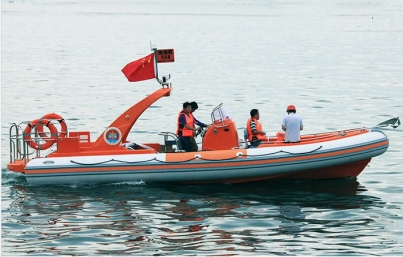
Table of Contents
The Foundation of SOLAS and the IMO Regulations for Lifeboats
Maritime safety on a global scale is primarily attributed to the SOLAS Convention and the regulations set in place by the IMO. During the 1914 maritime conference, in the wake of the Titanic disaster, the SOLAS Convention was adopted. This Convention has undergone a series of revisions, the most comprehensive in 1974, and the IMO continues to update it to align with the latest technological and safety improvements. As the safety agency of the United Nations, the IMO is responsible for enforcing maritime safety regulation through the Maritime Safety Committee (MSC). Together with the SOLAS agreement, the IMO provides a complete framework for the design, testing, and maintenance of lifeboats.
Key SOLAS and IMO Requirements for Lifeboats
1. Lifeboat Capacity and Type Requirements
According to SOLAS, every vessel must carry sufficient lifeboats to accommodate all persons on board.
Here’s a detailed chart summarising lifeboat capacity and type requirements according to SOLAS and IMO Regulations
| Category | Regulatory Reference (SOLAS/IMO) | Requirement Description | Purpose |
| Minimum Capacity | SOLAS Chapter III, Regulation 21 | Every vessel must carry lifeboats with enough total capacity to accommodate all persons on board. Passenger ships often require 100% capacity on each side of the vessel. | Ensures full evacuation capability in case one side becomes inaccessible. |
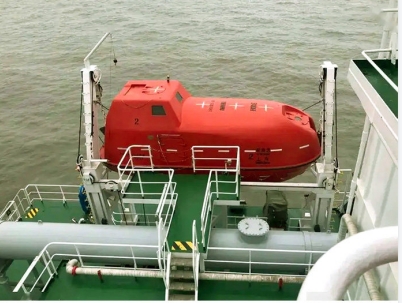
| Type of Lifeboat Required | SOLAS Chapter III, Regulation 31; IMO LSA Code | The type of lifeboat depends on the ship’s design and operational conditions. Common types include totally enclosed, free-fall, and partially enclosed lifeboats. | Provides flexibility to match vessel type and risk level with appropriate safety equipment. |
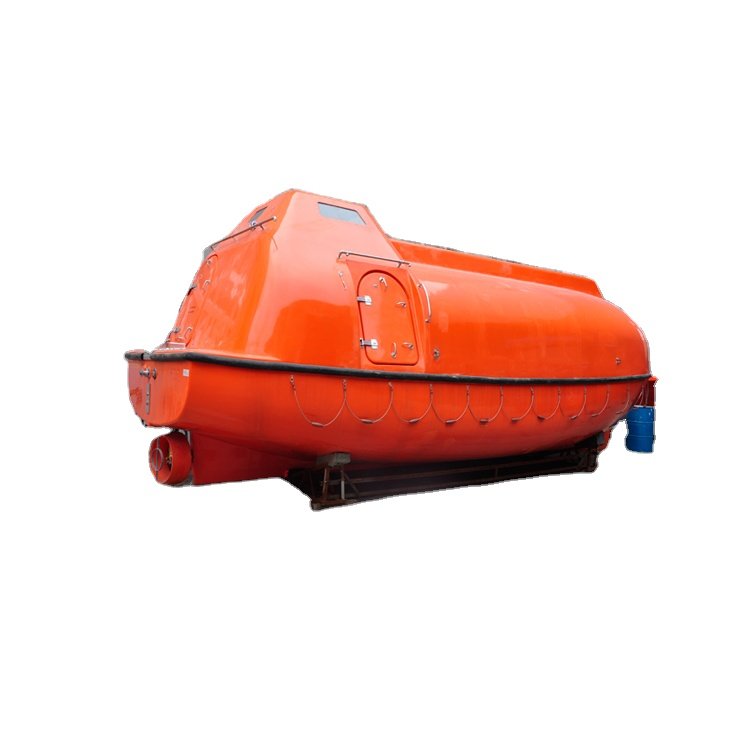
| Totally Enclosed Lifeboats | LSA Code, Section 4.5 | Must protect occupants from fire, smoke, and rough weather; suitable for oil tankers, chemical carriers, and ocean-going ships. | Ensures maximum safety and environmental protection during emergencies. |
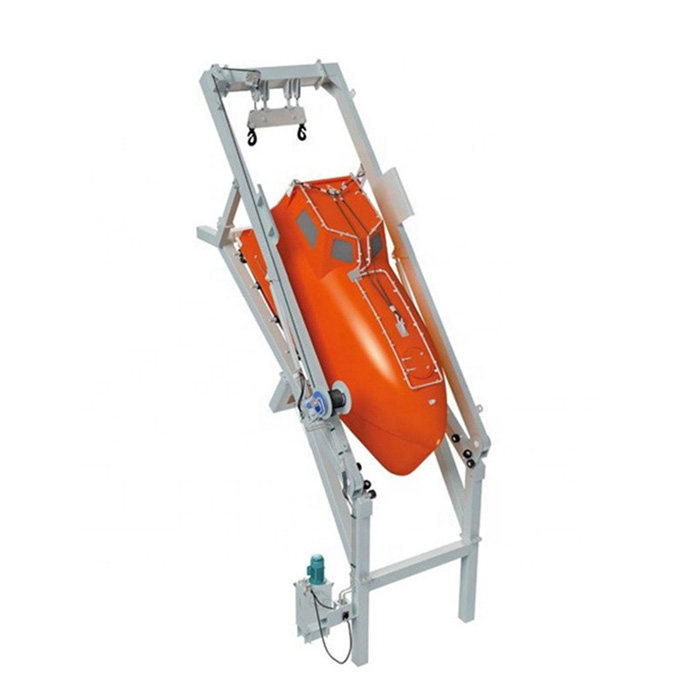
| Free-Fall Lifeboats | SOLAS Regulation 31.1.4; LSA Code, Section 4.7 | Designed to launch rapidly by gravity from a free-fall ramp. Typically required on oil tankers and high-risk vessels for quick evacuation under extreme conditions. | Reduces launch time and minimizes crew exposure to danger during abandonment. |
| Partially Enclosed Lifeboats | LSA Code, Section 4.6 | Used mainly on passenger ships operating in moderate climates. Provide partial cover for protection against wind and spray. | Balances protection and ventilation, suitable for shorter voyages. |
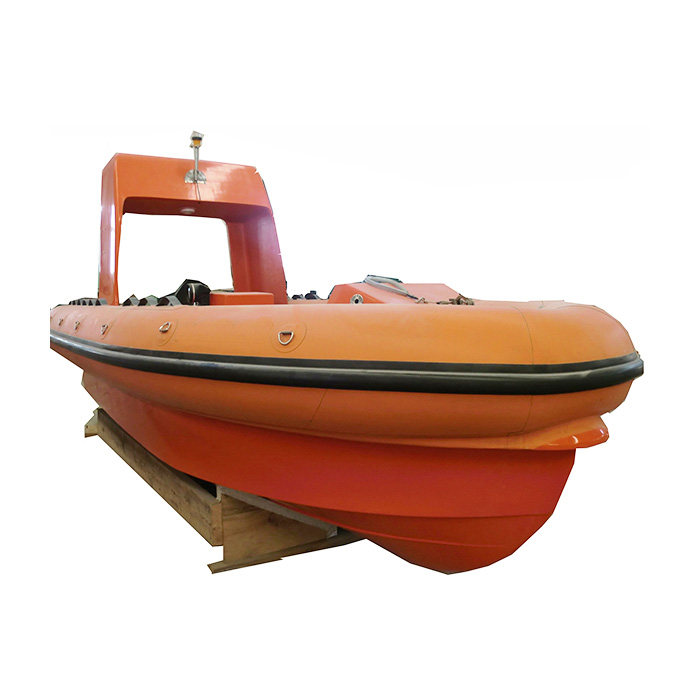
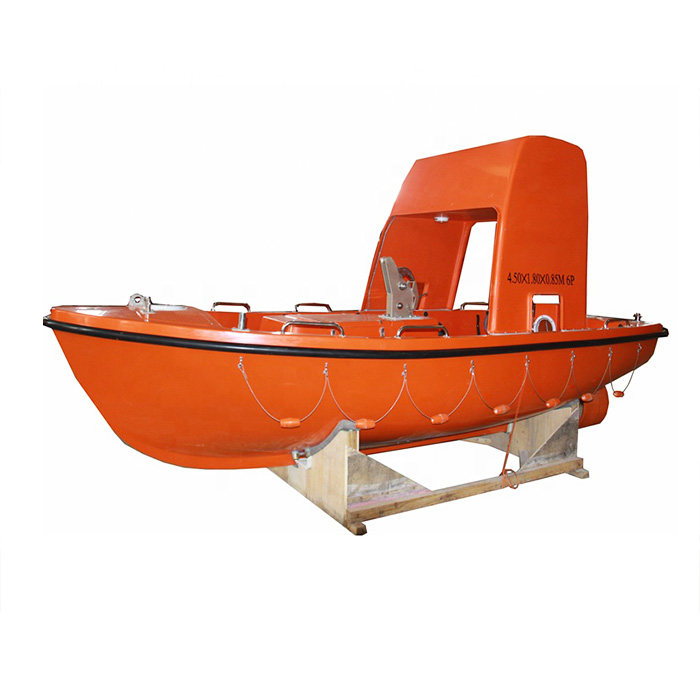
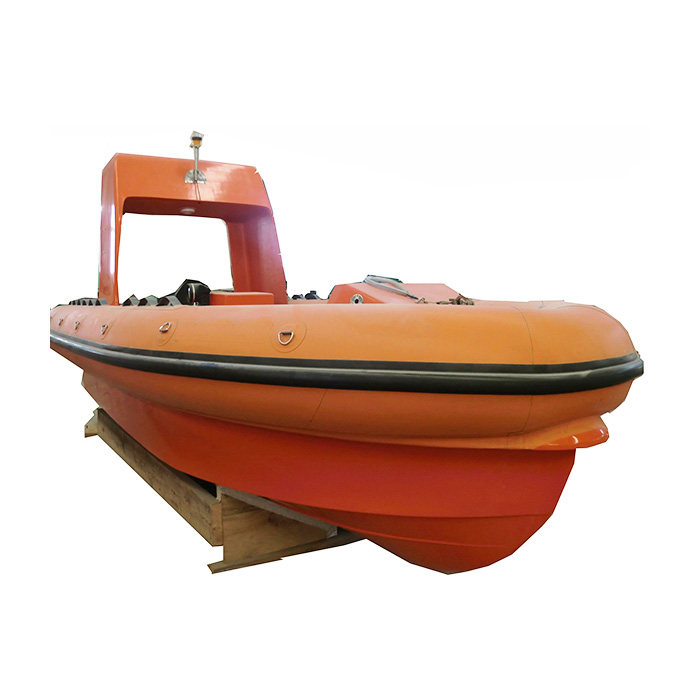
| Rescue Boats | SOLAS Chapter III, Regulation 31.2 | Every ship must carry at least one rescue boat in addition to lifeboats; used for recovering persons in the water and towing liferafts. | Enhances rescue capability and flexibility during emergencies. |
| Launching and Recovery Systems | SOLAS Regulation 34; LSA Code, Section 6.1 | Lifeboats must be launchable under a 20° list and 10° trim using davits or free-fall mechanisms. Launching gear must allow quick, safe release. | Ensures lifeboats can be deployed safely even when the ship is unstable. |
| Equipment and Supplies | SOLAS Chapter III, Regulation 34; LSA Code, Section 4.1 | Each lifeboat must carry water, food rations, first-aid kits, signaling devices, and propulsion systems. | Guarantees survival capability for occupants after evacuation. |
2. Design and Construction Standards
According to the Lifeboats section of IMO and LSA Code, lifeboats must be strong, buoyant, and capable of withstanding extreme sea conditions. Marie Lifeboats must be constructed with fire-retardant materials and designed to remain afloat, fully loaded, and after being damaged. Under extreme conditions, lifeboats must be capable of being safely launched, such as when a ship is listing 20 degrees or pitching heavily. The launching systems including davits and release gear must allow for quick and safe launching of the lifeboats and ensure that there are no single points of failure that will prevent the lifeboats being launched.
3. Mandatory Equipment and Survival Supplies
According to SOLAS and the LSA Code, each life boat must have the required life support and communication supplies and life-saving equipment. Such equipment comprises oars, bailers, compasses, rations, freshwater, thermal protective aids, first aid supplies, and signalling devices, which include mirrors, rockets, and flares. Life boats must have a watertight canopy for protection against extreme weather and an engine or some form of propulsion for manoeuvrability. These requirements are made so that survivors can sustain themselves for a long while awaiting rescue.
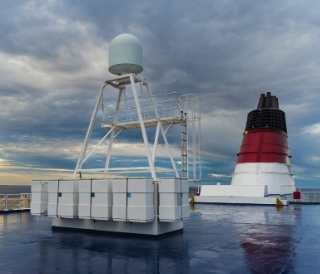
4. Inspection, Maintenance, and Testing
SOLAS and IMO regulations emphasize that lifeboats must always be ready for immediate use.
This comprehensive chart provides inspection, maintenance, and testing in life boats according to SOLAS and IMO Regulations.
| Category | Regulatory Reference (SOLAS/IMO) | Requirement Description | Impact |
| Weekly Inspection | SOLAS Chapter III, Regulation 20.6 | Lifeboats, rescue boats, and launching appliances must be visually inspected weekly to ensure they are in proper working condition and ready for immediate use. | Detects early signs of wear, corrosion, or malfunction, ensuring operational readiness. |
| Monthly Operational Check | SOLAS Chapter III, Regulation 20.7 | A detailed monthly inspection must be conducted by the ship’s crew, including checking the condition of lifeboats, release gear, and engines. Results must be recorded in the ship’s logbook. | Provides documented assurance of safety compliance and early identification of faults. |
| Annual Thorough Examination | SOLAS Chapter III, Regulation 20.11; IMO MSC.1/Circ.1206/Rev.1 | Lifeboats, launching appliances, and release gear must undergo a thorough annual inspection by a certified service provider or trained personnel. | Ensures safety-critical systems are examined and tested by qualified experts. |
| Five-Yearly Dynamic Load Test | IMO MSC.1/Circ.1206/Rev.1 | Every five years, a dynamic on-load test of the lifeboat and its release system must be carried out to verify mechanical strength and performance under working conditions. | Confirms structural integrity and reliable function of load-bearing components. |
| Maintenance Responsibility | SOLAS Chapter III, Regulation 20.10; IMO MSC.402(96) | All maintenance and repair work must be performed by authorized service providers following manufacturer’s guidelines. Maintenance schedules should comply with IMO Resolution MSC.402(96). | Prevents unsafe practices and ensures standardized servicing procedures worldwide. |
| Testing of Launching Systems | SOLAS Chapter III, Regulation 20.4; LSA Code Section 6.1 | Davits, winches, and release hooks must be tested under simulated load conditions to verify smooth operation and emergency release capability. | Reduces risk of mechanical failure during drills or real emergencies. |
| Release Mechanism Inspection | IMO MSC.1/Circ.1392 | On-load release systems must be examined, tested, and certified to ensure they cannot be released accidentally under load. Defective systems must be replaced or modified. | Prevents accidents due to unintentional release during lowering or launching. |
| Record Keeping | SOLAS Chapter III, Regulation 20.8 | All inspections, tests, and maintenance activities must be logged in the ship’s records with dates, findings, and signatures of responsible personnel. | Creates traceability and proof of regulatory compliance for port state control. |
| Crew Familiarization and Training | SOLAS Regulation 19; STCW Convention | Crew members must be trained and familiarized with lifeboat inspection procedures, launch operation, and safety precautions during maintenance. | Improves operational safety and minimizes human error during emergencies or drills. |
5. Lifeboat Drills and Crew Training
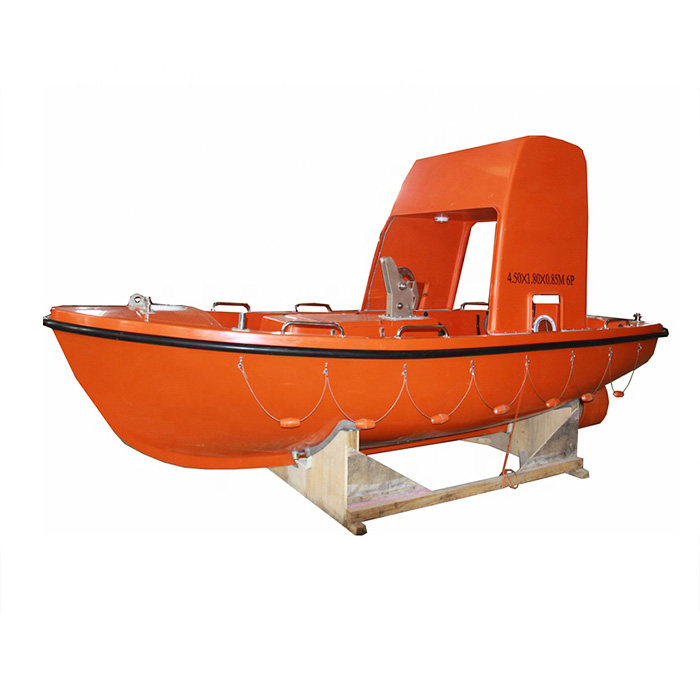
No matter how advanced a lifeboat may be, it will serve no purpose if no crew is trained to operate it. Under SOLAS Regulation 19, ships must conduct lifeboat drills once a month to ensure that all crew members know how to launch, board, and operate the lifeboat. Furthermore, once every three months, the crew must launch the lifeboat and manoeuvre it in the water. Also, the Standards of Training, Certification, and Watchkeeping (STCW) Convention requires seafarers to demonstrate proficiency in lifeboat operations as part of the certification. These activities are aimed at mitigating risks during actual emergencies.
Technological Advancements and Regulatory Updates in SOLAS and IMO Regulations for Lifeboats
Safety standards and technological innovations have historically improved the deployment, dependability, and user control of life boats. The IMO and SOLAS regulations have and will continue to spearhead the evolution of international regulatory frameworks for the lifeboat industry.
1. Advancements in Lifeboat Design and Construction
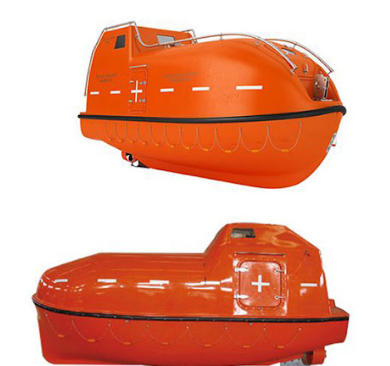
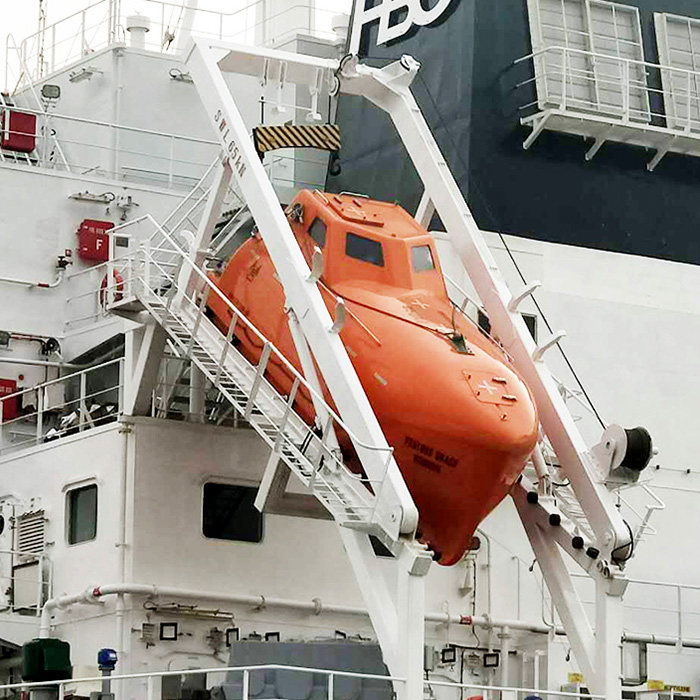
In the design and structure of lifeboats, there have been notable advancements in recent years. Open lifeboats have been replaced by fully enclosed, fire-protected versions which offer much greater protection from flames and smoke and even from more severe weather conditions. The adoption of free-fall lifeboats has transformed evacuation procedures, as they can be deployed rapidly even in severely listing ships. These lifeboats are designed to be impact resistant, which allows safe entry into the water without injuring the occupants.
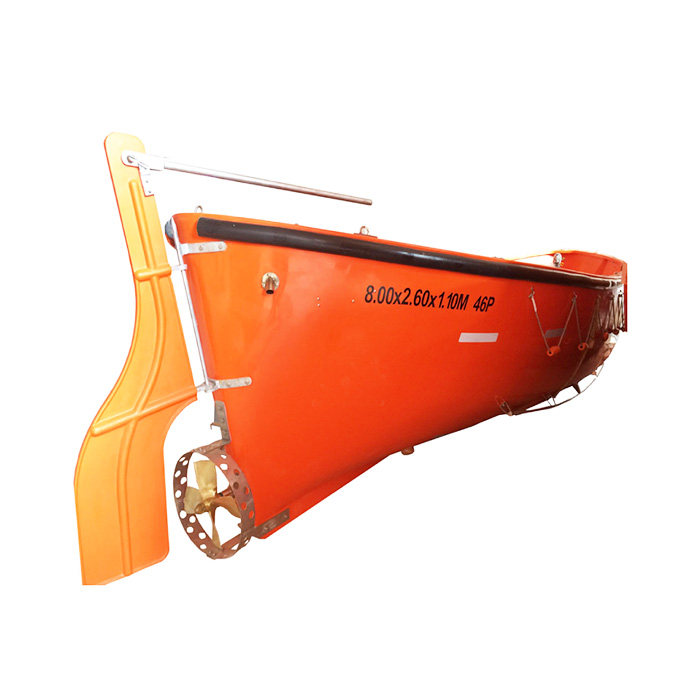
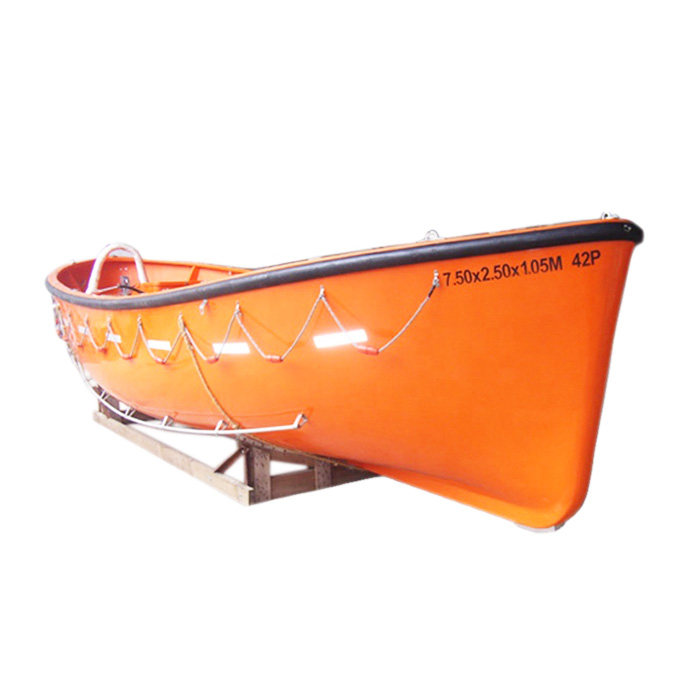
open lifeboat
Self-righting lifeboats have been designed to return to an upright position after capsizing. This reduces the maintenance required over the operational life of the vessel, while also ensuring greater survivability. Current self-righting design advancements have allowed for improved lifeboat corrosion resistance and self-righting capabilities. The use of modern materials, reinforced fiberglass composites and marine grade aluminium alloys, have also increased lifeboat durability.
2. Improvements in Launching and Release Systems
There’re technological advancements in lifeboat launching and release systems, in the last 2 decades, refocused the industry. The lack of automated release and other modern features in launching systems posed serious risks to lifeboat retrieval systems, which were activated in drills and emergencies. The risks associated with automated lifeboat retrieval had been addressed with the introduction of revised safety standards by IMO. The standards derived from MSC.1/Circ.1392 demanded the redesign and testing of on-load release hooks to prevent premature and, to the greatest extent possible, accidental release of the hooks.
In modern systems, the incorporation of hydraulics, automation, and failsafe systems permits operation under load without the danger of accidental disconnection. Remote monitoring systems allow for the real-time assessment of the operating conditions of davits, winches, and fall wires. These innovations have improved reliability and reduced operational hazards during both the training and the real emergency launch.
3. Integration of Technology and Digital Monitoring
The monitoring and maintenance of lifeboats have shifted to new levels as a result of new digital technologies. More and more, vessels have digital inspection systems and maintenance software that tracks and records lifeboat test results, maintenance activities, and service records. The IMO advocates such systems as a means of ensuring traceable compliance with the SOLAS inspection requirements.
Modern lifeboats can carry their own communication equipment and are now provided with beacons (EPIRBs) that automatically activate during an emergency and GPS systems that allow real-time tracking of the lifeboat’s position and relay it to the appropriate rescue authorities. Other systems that enhance survival in emergencies include solar-powered lights, batteries with monitors, and digital systems that provide diagnostics and situational awareness.
4. Enhanced Maintenance and Training Standards
Operational advancements and technological change have redefined the service and operational characteristics of lifeboats. The IMO has updated and amended regulations stating that lifeboat inspection and maintenance can only be carried out by certified service providers or trained employees. For example, the procedures for periodic inspection and functional testing lifeboats are standardised in the IMO circular MSC.1/Circ.1206/Rev.1.
Crew training has incorporated virtual simulations and real-world lifeboat operation modules, which has significantly streamlined the training process. The IMO likely meets the requirements of the STCW with the installation and operation of modern lifeboat systems, which consist of free-fall mechanisms and advanced release gear.
5. Ongoing Regulatory Updates and Future Outlook
The IMO continues to revise the LSA Code and SOLAS, updating the content to incorporate lessons learned from maritime incidents and emerging technologies. The next anticipated amendments will regulate autonomous technology, alternative power systems for lifeboats, and smart safety monitoring. The anticipated operational changes to lifeboats that integrate electric or hybrid propulsion systems are predictable and expected to comply with the IMO’s decarbonisation strategy. These changes also promote the design of more modern lifeboats, which advance the IMO’s sustainable development requirements.
Additionally, the IMO’s arrangements with shipbuilders, marine equipment manufacturers and classification societies allows innovations to be thoroughly vetted before they become part of the international regulatory framework. This integrated approach allows for the safe implementation of new technology.
Summary
The collaboration of SOLAS and the IMO provides a fully comprehensive and adaptive regulatory framework for lifeboat safety, incorporating all components of the safety system, from design and construction through to maintenance and crew operation. The regulatory framework’s international standards promote safety for all persons at sea and, as such, must be adhered to as a legal obligation.
Ship operators and owners maintain compliance with SOLAS and IMO lifeboat regulations to reinforce the principles of safety with the knowledge that each lifeboat performs the regulatory requirement of premier efficiency in a time of emergency, thus assuring the safety of all persons who may need to be rescued.