Smart Life Saving Equipment: Integrating GPS and IoT for Real-Time Vessel Safety Monitoring
Table of Contents
In the year 2026, the maritime sector has finally reached an important turn in its history. Digitization has conquered practically all aspects of sea transport and related industries, and the development of life saving equipment has undergone a revolutionary change from non-autonomous deadweight solutions to active microprocessor technologies. For procurement managers in the commercial shipping and offshore oil and gas sectors, the priority is no longer just “compliance,” but “connectivity.”
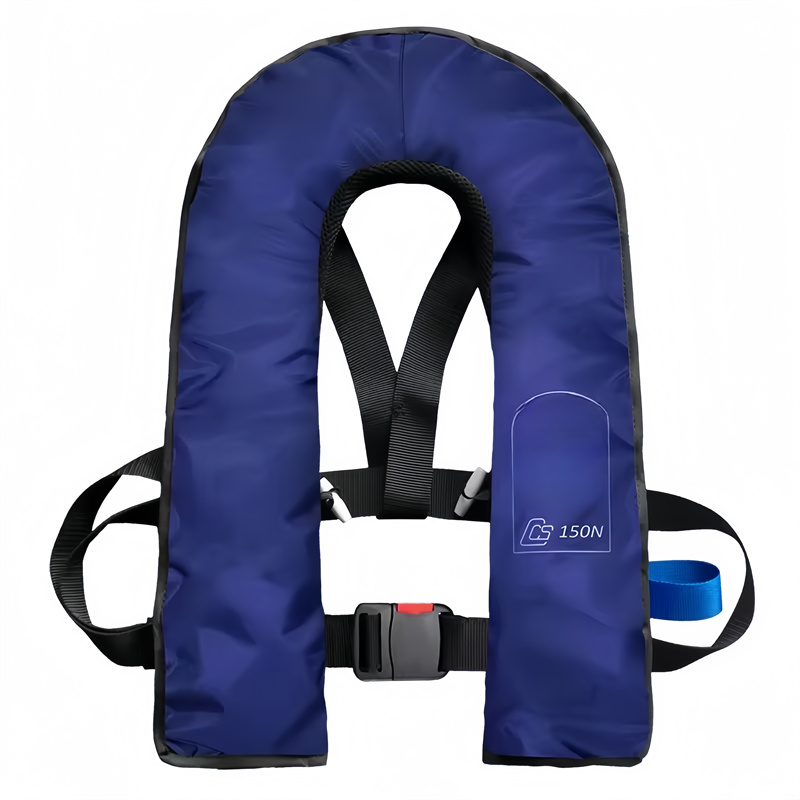
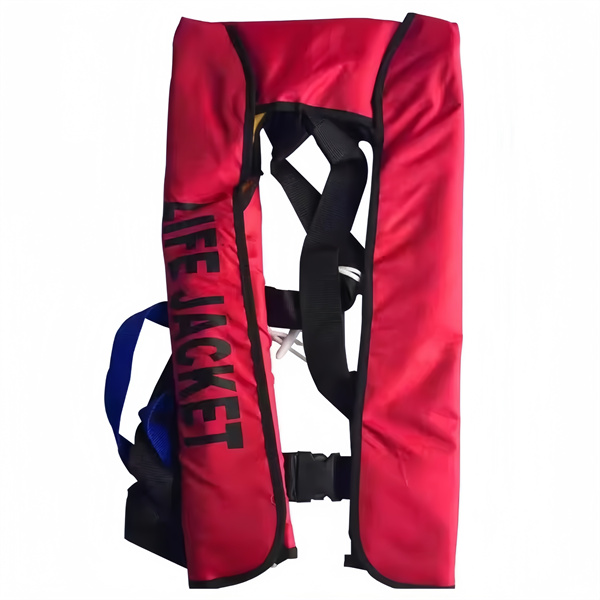
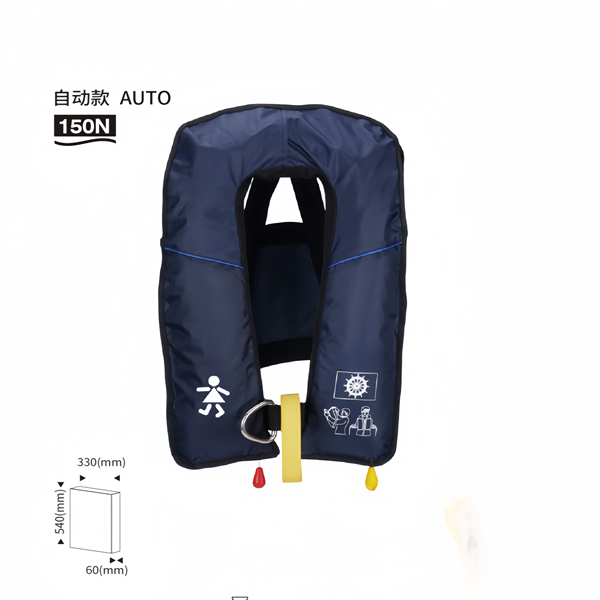
In this new era, inflatable safety equipment is undergoing its most significant evolution in decades. This article explores how the integration of IoT, AIS, and GPS technologies into inflatable life jackets is redefining search and rescue (SAR) operations and why these smart solutions have become the top choice for high-end maritime operations.
The 2026 Context: Why “Analog” Is No Longer Enough
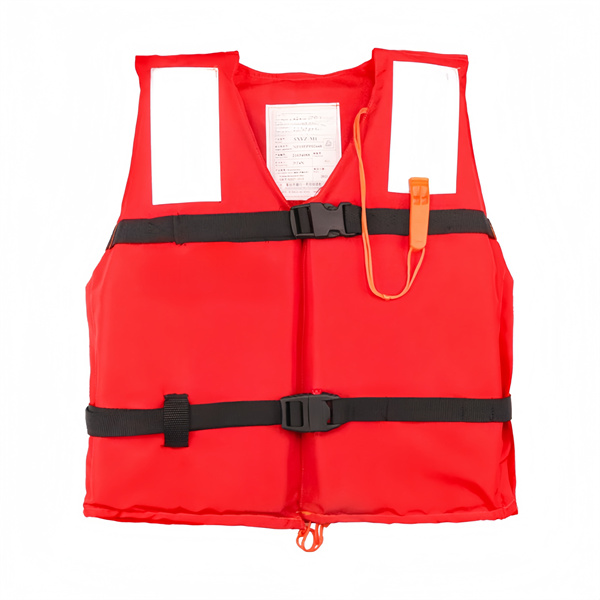
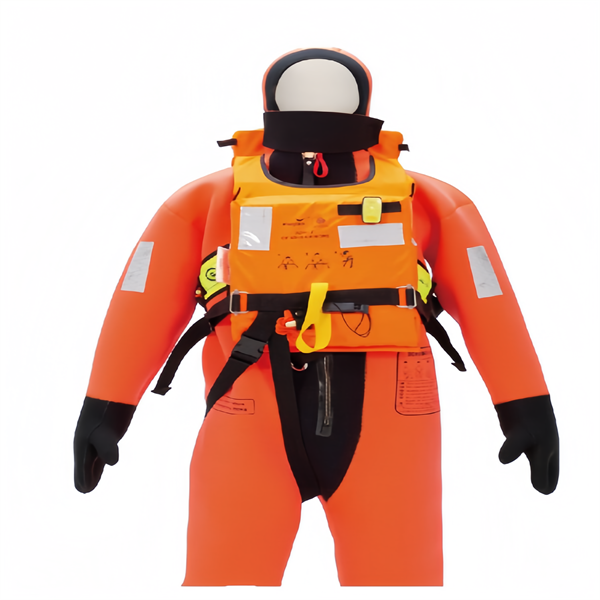
For over a century, the primary goal of life saving equipment was to keep a person afloat. However, floating is only half the battle. In the vast, turbulent environments of the North Sea or the deep Atlantic, “finding” the casualty is the true challenge. Statistics from 2024 and 2025 showed that even with standard SOLAS-approved vests, rescue delays due to low visibility or drift remained a critical risk factor.
As we enter 2026, the industry has embraced the “Digital Safety Ecosystem.” Marine safety is now data-driven. Modern inflatable safety equipment must now act as a beacon, a communicator, and a life-support monitor all in one. This transition is driven by the need to minimize the “Golden Hour” in maritime SAR—the critical window where the chances of survival are highest.
The Anatomy of a Smart Inflatable Life Jacket
How can the 2026 inflatable life jackets generation be differentiated from previous ones? It is the embodiment of “The Four Pillars of Maritime Intelligence” in conjunction with an environmentally improved design.
A. IoT-Integrated Connectivity
Modern inflatable safety equipment is now part of the Internet of Things (IoT). Sensors embedded within the vest monitor the integrity of the CO2 cylinder and the hydration level of the automatic firing bobbin. This data is transmitted to the ship’s safety management system (SMS), allowing officers to verify that every vest on board is 100% functional without manual inspection. This significantly reduces human error and maintenance overhead.
B. AIS (Automatic Identification System) MOB Technology
The most significant breakthrough is the integration of AIS Man Overboard (MOB) devices. Upon inflation, the vest automatically activates an AIS signal. This signal alerts all vessels within a 4-5 mile radius, displaying the casualty’s exact location as a red “MOB” icon on their electronic chart displays (ECDIS). In high-traffic commercial lanes, this ensures that the closest vessel—not just the mother ship—can initiate a rescue.
C. GNSS/GPS Precision Positioning
Coupled with AIS, high-precision GNSS receivers provide real-time coordinates. In the past, drift models were used to guess where a person might be. In 2026, we track them in real-time. This precision is vital for life saving equipment used in the offshore wind and oil industries, where currents are often unpredictable.
D. Intelligent Water-Sensing & LED Synchronization
Unlike older models, 2026’s smart inflatable life jackets feature multi-spectral LED strobes that adjust their intensity based on ambient light. They also include “Water-Sensing Logic” to prevent accidental inflation from heavy rain or sea spray, ensuring the vest only deploys when a true immersion event occurs.
Serving the High-End Commercial & Offshore Sectors
Advanced inflatable safety equipment is in the greatest demand from industries such as the offshore oil and gas and commercial shipping. What exactly makes these industries the leaders in the utilization of such products?
- Risk Mitigation in Remote Locations: For offshore platforms, a man-overboard incident is a nightmare scenario. Smart life saving equipment provides a digital safety net that bridges the gap between the platform and rescue helicopters.
- Insurance and Liability: Leading maritime insurers in 2026 have begun offering premium discounts for fleets equipped with AIS-enabled inflatable life jackets. The logic is simple: faster recovery equals fewer fatalities and lower claims.
- Crew Confidence: In an era of labor shortages in the maritime sector, providing the highest grade of safety equipment is a powerful tool for crew retention and morale.
Sustainability: The Green Side of Safety
As we move through 2026, “Safety” also means “Sustainability.” The latest inflatable safety equipment is now manufactured using recycled high-tenacity nylons and PFC-free DWR (Durable Water Repellent) coatings. Manufacturers are moving away from disposable components, opting instead for modular designs where electronics can be easily upgraded or recycled at the end of their service life. This aligns with the IMO’s “Green Shipping” mandates, ensuring that life saving equipment protects both the person and the planet.
Selection Guide: What to Look for in 2026
When procuring inflatable life jackets for a commercial fleet today, consider the following “2026 Standard” checklist:
- Automatic Activation: Does it feature a failsafe hydro-static or water-sensing trigger?
- System Compatibility: Can the IoT sensors integrate with your vessel’s existing bridge software?
- Ergonomics: Is the 3D-neck design optimized for long-shift wear (crucial for offshore workers)?
- Global Compliance: Does it meet the dual USCG Level 70/150 and SOLAS/MED certifications?
Conclusion: The Future is Inflatable and Intelligent
The era of the “dumb” life jacket is over. As we look towards the remainder of 2026 and into 2027, inflatable safety equipment will continue to become more autonomous and more integrated into the global maritime digital grid.
Investing in high-tech inflatable life jackets is no longer a luxury for elite yachts; it is a fundamental requirement for any serious commercial maritime operation. By combining the physical reliability of high-buoyancy life saving equipment with the precision of modern digital technology, we are not just keeping sailors afloat.