

How to Install and Maintain Marine Doors Properly
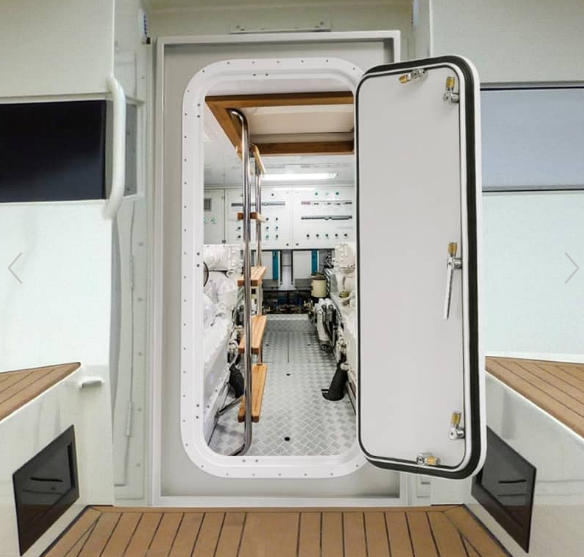
The safety and security functions of marine doors protect vessels while their operational performance depends on these doors. The doors used in this system provide watertight and weatherproof protection because they are built to endure the extreme conditions of marine environments. The correct installation process and proper maintenance procedures for marine doors determines their operational lifespan and performance capabilities. This article outlines key aspects of installing and maintaining marine doors which include the best practices and the typical difficulties encountered during installation and maintenance work.
Table of Contents
Types of Marine Doors
Before diving into installation and maintenance, it’s important to understand the different types of marine doors.
This chart provides the various types of marine doors, their key applications, and features.
| Type of Marine Door | Description | Applications | Key Features |
| Watertight Door | Designed to prevent water ingress. | Engine rooms, cargo holds, lower decks. | Seals tightly, prevents water from entering during rough seas. |
| Fireproof Door | Built to resist fire and smoke. | Engine rooms, cargo holds, fire-sensitive areas. | Fire-resistant materials, often self-closing. |
| Hinged Cabin Door | Basic door with hinges. | Cabins, storage areas. | Simple design, space-efficient, may not be watertight or fireproof. |
| Sliding Door | Door that slides to one side. | Spaces with limited room, access to rooms or decks. | Saves space, may be watertight or fireproof depending on the design. |
| Soundproof Door | Designed to reduce noise transmission. | Crew quarters, offices, and cabins. | Provides insulation from external noise, often used in passenger ships. |
| Steel or Aluminum Door | Made of durable metal for enhanced strength. | High-security areas, external doors. | Corrosion-resistant, strong, and durable under extreme conditions. |
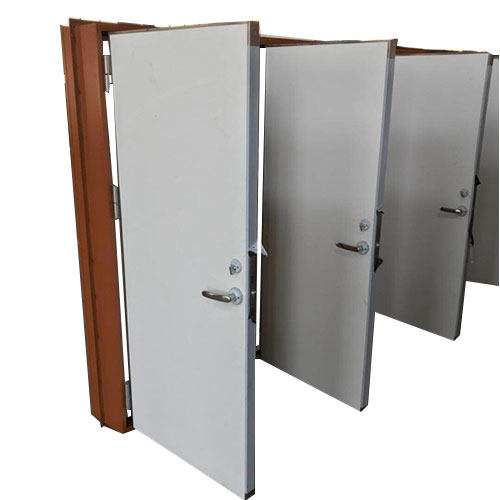
Each type requires specific considerations for installation and maintenance to ensure they perform as intended in a marine setting.
The Step-by-Step Process for Installing Marine Doors
1. Site Assessment and Preparation
To signal the initiation of the installation activity, a thoughtful evaluation of the site was essentially important. These latter deterrents for premature installation include a thorough consideration that there are no obstructions and that structural tests have been satisfactorily conducted on this area of marine door installation. Further, the surface has to be level and free of damage so as to think of fixing the door and frame. Also, the heritage frame or structure has to be given a check for type and possibility of an unsuitable surfacing.
2. Selecting the Right Type of Marine Door
Later we have to figure out which marine door is right for the installation area. Marine doors come in different types, such as watertight, fire-proof, sliding, and hinged types. The type shall have meaning in the location where they are to be installed on the ship. For example, a watertight door should be installed in vulnerable areas to flooding while those ship areas they are installing in-engine rooms and various other high-risk areas should be required to have fire-proof doors.
3. Preparation of Materials and Tools
Before mounting the door, it is important for all needed tools and materials to be present. Common material requirements are the door, frame, gasket/seals, hinges, mounting hardware, etc. It is essential to find materials appropriate for the environment in which they are to be utilized. It is crucial to use non-corrosive material on the door and frame, which can be affected by salty air and water. Installing these door and frame systems must be non-vulnerable to such corrosion issues. The tools that will need to be used in the installation include a level, a drill, screws, wrenches, and, if it is a more complex installation, spot welding equipment.
4. Preparing the Door Frame
The next step entails requiring preparation of the door frame. The door’s frame shall undergo inspection to make sure that it is free from any defects, square, and ready to accept the door. If required, the frame needs to be cleared off of dirt, smoothed off and coated with an anti-corrosive material to avoid any future damage. Most important is the checking of dimensions of the frame against the door’s strict dimensions. Mismatch of the frame dimensions can cause misalignment, which in return can jeopardize the operation of the door.
5. Positioning and Aligning the Door
Secure the door as soon as the frame is ready. This step is essential; if the door and the doorframe do not align, the door will be out of functioning align, Use a level to level the door upright and straight. This is, particularly for weathertight doors, especially crucial, as the door cannot engage correctly if it has the slightest deviation, and thus is unable to seal correctly and prevent water leakage. Alignment is also important for the fireproof door so that fire resistancy will not be compromised.
6. Securing the Door
Once the door is aligned, it has to be fixed to the doorframe. Depending on its design, proximityal locks, screwing, or welding may be used to attach the door in place. It is important to fix the door firmly in the doorframe to avoid any movements, or loosening of the door on the other hand, these could cause functional problems such as leakage, and difficulty in opening and closing. Use a spanner to tighten the bolts solidly so the door is robust and strong enough to withstand the stresses of the harsh marine environ.
7. Installing Seals and Gaskets
For watertight and airtight doors, the installation of seals and gaskets is crucial to prevent water or air from passing through. Ensure that the seals are in good condition and properly aligned while being carefully installed around the door’s edges. Seals and gaskets play a crucial role in maintaining the door’s functionality, especially for watertight doors, where the integrity of the seal directly affects the vessel’s safety. They make sure there is no visible damage to the seals before they close the door.
8. Testing the Door’s Functionality
The operational test is carried out on the same door which had last been sealed and then secured. Exercise the swing of the door, ensuring unhampered functioning with no need to apply undue force. Moreover, if the door is guaranteed to be selfclosing then one would ascertain that it would close effectively. Water-proof doors must be subjected to strength testing to ensure that no water can permeate through it. Appraise closely and make sure that the fireproof door closes properly without any possibility of shutline, which may eventually endanger the door’s fire-fighting ability.
9. Final Inspection
Once the door is installed and successfully tested, there comes the stage of the final inspection of the door. The Superintendent should examine for any misalignment, excessive gaps, improper sealing, loose hinges, or locks, as well as the proper tension of all fasteners that the door gives the intended operation. Issues encountered during this inspection should be corrected prior to the door being accepted. The door must, however, pass a most exhaustive final inspection before being confirmed for use; there shall be no remaining concerns regarding faults in the door performance, which may otherwise be hazardous as they shall in harsh marine conditions.
Essential Aspects of Maintaining Marine Doors
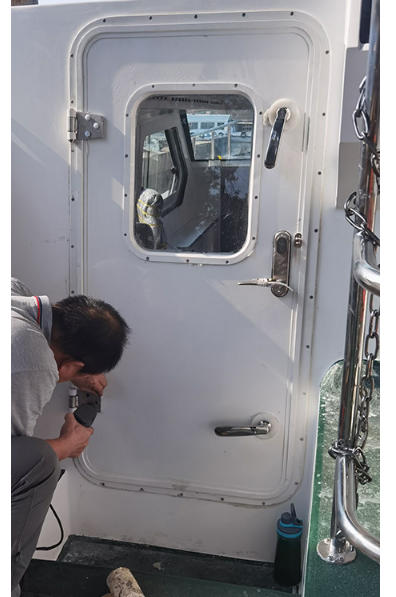
Marine doors are exposed to harsh conditions, including saltwater, extreme temperatures, and constant wear and tear from daily use. Regular maintenance is essential in ensuring the flexibility of these doors and hence preventing future troubles such as leakage, rust, or something as serious as a fire accident. By implementing a proactive maintenance program, vessel operators can avoid costly repairs, improve safety, and extend the life of the doors. Routine maintenance also ensures compliance with maritime safety regulations and standards.
1. Routine Inspections
Primary among marine-door upkeep practices are routine inspections. These inspections serve to unearth any tell-tale signs of defects or wear that may affect the door’s overall performance. Inspections must be instituted at pre-set intervals and whenever the vessel is about to venture out for a major voyage or has just returned after an encounter with severe weather conditions.
Key inspections include:
- Visual Inspection: Observe the door and its frame to determine whether any sign of corrosion, a crack, or a damage can be seen. Make sure that hinges, locks, and handles are functional.
- Seal Integrity: Watertight or airtight door seals and gaskets, if any, should be checked to ensure their intactness. Any worn or damaged seals should be immediately replaced to prevent leaks.
- Alignment Check: Ensure perfect alignment of the door and that it opens and closes smoothly. Misalignment can cause issues with door seals leading to water or air seepage.
Having an inspection done frequently helps prevent little things from growing into bigger issues that could cost a lot in repairs or become risky.
2. Protecting Against Corrosion
Marine doors are prone to the severity of corrosion more than any other threat. Saltwater, high moisture, and habits may cause corrosion and ramp cartilage of the door with passage of time, leaving the door weak and dysfunctional. Regular cleaning and treatment to the metal parts should help prevent corrosion. Wash the door with clean fresh water to remove the salt and trash, and then coat it with a corrosion-resistant material for longevity. Points of possible concern would be the hinges, locks, and the frame, which could be influenced quite heavily by the corrosiveness of highly demanding marine exposure.
Regular cleaning is not about appearances only; it also ensures the longevity of the door. By sanitizing the door, the contaminants are removed from the surface, preventing the serendipitous corrosion that could develop from encrusting or other kinds of build-up. It is necessary to integrate cleaning as a routine maintenance regime, especially for structures and doors close to constant saltwater or seawater sprays, to keep those elements from weakening the door and taking over the load supporting it.
3. Lubrication and Moving Parts Maintenance
Regular lubrication of marine doors, particularly the ones with hinges and blocking mechanisms, is a must for their usability. Friction and wear might develop on those parts due to the goings-on of the doors constant opening and shutting, which could hinder their proper functioning if maintenance is given little attention. Lubrication does away with such a barrier by reducing friction, thus assuring the continuity of operations of these moving parts.
That is stated to be the use of the right kind of lubricant, for the peculiarities of the marine environment can never be escaped. Marine-grade lubricants are designed to withstand conditions of extreme humidity, moistness, saltwater exposure, and temperature variance. Lubrication for hinges, latches, and locks should, however, be done at regular intervals, as the components would otherwise become stiff, jammed, or rusted. Excessive lubrication should never be done for the door, as it will draw in dirt and grime affecting the door’s components in due course.
4. Seals and Gaskets
Seals and gaskets vastly contribute to the structure of marine doors. They are responsible for making the door watertight, airtight, or fire-resistant depending upon the type of door. These seals often turn brittle or get damaged due to long exposure to the elements—moisture, temperature variation, and physical wear and tear. It is, therefore, crucial to inspect and maintain these seals at regular intervals.
In a watertight door, seals need to be inspected for cracks, tears and signs of wear. Should a door fail to be watertight due to a damaged seal, she may cause water ingress, posing fatal risks to a vessel. Besides an inherent fire-resistant door, there are higher energy ratings to withstand extreme temperatures! Damage to the seals would put the fire rating of the door in jeopardy, causing grave consequence in a fire event. Due to the vulnerability of the door due to any kind of seal damage, the immediate replacement of the seals is a must.
5. Timely Repairs and Replacements
Sometimes, despite regular maintenance, marine doors may develop faults and defects and require repairs such as parts replacement – for example, should a door be misaligned from wear, it might not close correctly. A corrected path of the door ensures that when it is closed, it will form a tight seal. Hinges, locks, and latches should also be regularly inspected in case they show signs of damage or are not working properly.
The effects of repair and replacement of parts can be seen when hinges wear out. The process of replacing parts should also ensure reasonable attention to avoid situations in which the part may fail, leading to further installation and processing difficulties. Therefore, any professional, specialized training, or professional construction that is needed should be accessed when doing a job.
6. Specialized Care for Different Types of Marine Doors
This chart provides the specific care requirements for different types of marine doors, focusing on maintaining their effectiveness and safety in their intended environments.
| Type of Marine Door | Specialized Care | Key Maintenance Focus |
| Watertight Doors | Inspect seals regularly for wear and damage. Test for leaks periodically. | – Check seals and gaskets for cracks or deterioration. – Perform pressure tests to ensure watertightness. |
| Fireproof Doors | Ensure the self-closing mechanism is functional. Check fire-resistant properties. | – Inspect seals for fire resistance. – Test the door’s self-closing and locking mechanisms. – Ensure no gaps in the door structure. |
| Sliding Marine Doors | Clean tracks and lubricate rollers. Ensure smooth sliding movement. | – Inspect and clean sliding tracks. – Lubricate rollers and moving parts. – Check for alignment to prevent jamming. |
| Hinged Marine Doors | Regularly lubricate hinges. Ensure door swings freely without resistance. | – Lubricate hinges and locks. – Check for misalignment or stiffness. – Ensure proper door sealing and closing. |
| Soundproof Doors | Regularly inspect for cracks or holes. Maintain airtight seals. | – Check for seal integrity. – Inspect for damage to soundproofing material. – Ensure seals are intact to prevent sound leakage. |
| Heavy Duty Marine Doors | Ensure strength and durability. Regularly inspect hardware and fasteners. | – Tighten fasteners and bolts. – Check for signs of wear in high-stress areas. – Inspect for corrosion, especially on metal surfaces. |
7. Professional Assistance and Training
While some tallies are something crews can manage, highly technical stuff might need the knowledge of a professional. Getting someone to sort door structural frame replacement, achieving a rather complex seal, etc., would give the most assurance that it is accomplished correctly.
There is an imperative as well as that the crew is trained for their vessel; the operating officers should be instructed about door issues related to those marine doors and made knowledgeable about performing regular checkups. The crew must also be skilled in the recognition of warning signs of deterioration and understand how to carry out minimal maintenance. This training will certainly allow crew members to independently manage rudimentary matters, avoiding possibly impacting delays and emergencies.
Common Challenges and Troubleshooting in Installation and Maintenance for Marine Doors
This chart provides common challenges faced during the installation and maintenance of marine doors and provides troubleshooting steps to resolve these issues.
| Challenge | Description | Troubleshooting |
| Corrosion and Rust | Marine doors are exposed to saltwater and humidity, leading to corrosion, especially on metal parts. | – Apply corrosion-resistant coatings. – Regularly clean and rinse with fresh water. – Replace damaged parts promptly. |
| Seal Damage or Degradation | Seals around watertight or fireproof doors can wear out, causing leaks or loss of fire resistance. | – Inspect seals regularly for cracks or wear. – Replace worn-out seals. – Lubricate seals to prevent brittleness. |
| Door Misalignment | Doors may become misaligned due to wear or rough handling, compromising their functionality. | – Check alignment regularly. – Realign the door by adjusting hinges or frame. – Ensure smooth opening and closing. |
| Locking Mechanism Failure | Locks and latches may become stiff, jammed, or damaged, preventing the door from securing properly. | – Lubricate locks and latches. – Test locking mechanisms periodically. – Replace damaged or malfunctioning parts. |
| Deterioration of Hinges and Moving Parts | Hinges or moving parts can wear out, causing difficulty in door operation or preventing full closure. | – Regularly lubricate hinges and moving parts. – Tighten loose bolts and screws. – Replace worn-out hinges or components. |
| Water Ingress (for Watertight Doors) | If seals are damaged or the door is misaligned, water can enter the vessel, especially in rough seas. | – Inspect seals and gaskets for damage. – Conduct pressure tests to check for leaks. – Realign door for a tighter seal. |
| Fire Resistance Loss (for Fireproof Doors) | Fireproof doors may lose their ability to resist heat if seals or the door structure are damaged. | – Inspect door’s self-closing mechanism. – Replace any degraded seals or parts. – Ensure the door’s fireproofing integrity through regular checks. |
| Track and Roller Issues (for Sliding Doors) | Sliding doors may encounter issues like debris in the tracks, misalignment, or damaged rollers. | – Clean and lubricate the tracks and rollers. – Check alignment and realign if necessary. – Replace damaged rollers. |
| Excessive Wear from Heavy Use | Frequent use of the door, especially in high-traffic areas, can cause excessive wear on components. | – Increase the frequency of inspections in high-traffic areas. – Replace worn components promptly. – Reinforce door structures where necessary. |
Summary
Marine doors provides protection against the elements, fire, and ultimately any other potential hazard. Good installation and maintenance would save the vessel for generations. Following the proper installation processes and undertaking regular maintenance checks, marine doors will always work efficiently, even in the harshest marine environments. Through close attention to details, proper material choice, and timely remedies, the full performance of marine doors will be brought out to benefit vessel operators and crew members .