How to Choose the Right Marine Anchor for Different Seabed Conditions
In marine operations, anchoring is one of the basic components that goes into ensuring the stability and safety of the vessel in different environments. Having said that, with such diverse seabed conditions, not all marine anchors are equal performers. The extent of how marine anchors perform generally relies on how them interacts with the seabed; it is therefore paramount to have it sit knowing the type of seabed material on which it would be used. An understanding of this interaction will help with enhancing the holding power of the anchor, reducing resistance and thus maximizing operational efficiency.
Understanding Seabed Variability
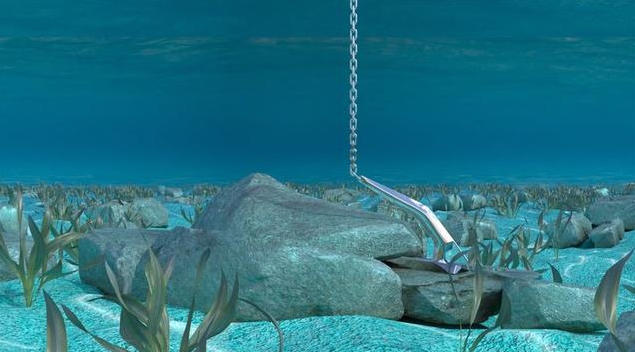
Seabeds vary widely, ranging from soft mud and sand to hard rock and coral. Each type presents unique challenges.
| Seabed Type | Key Characteristics | Anchoring Challenges |
| Soft Mud | Very fine particles, low shear strength | Anchor may sink too deep without proper holding |
| Sand | Medium to coarse grains, good compaction | Requires proper penetration for strong holding |
| Gravel and Pebbles | Loose, uneven particles | Difficult for anchors to fully embed |
| Rocky Bottom | Hard, solid surface | No penetration; risk of anchor slipping |
| Coral | Fragile, irregular formations | Risk of environmental damage, poor embedding |
| Mixed Seabed | Combination of sand, mud, rock, or gravel | Inconsistent holding conditions |
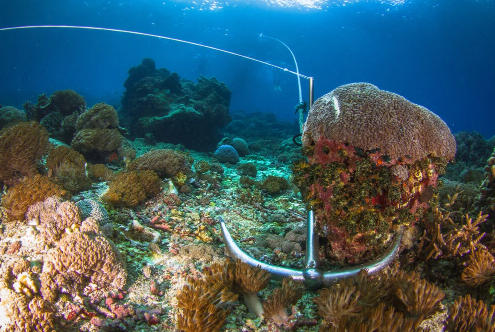
Marine Anchor Types and Their Suitability
| Anchor Type | Best Suited Seabed | Key Characteristics | Advantages | Limitations |
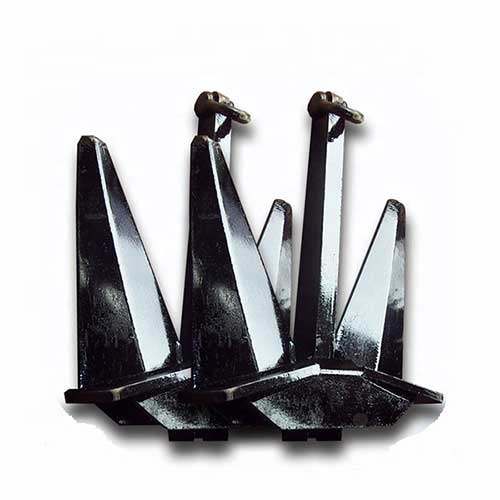
| Stockless Anchor | Sand, Mud | Common on large commercial vessels; no stock (crossbar); easy to handle | Easy storage; quick deployment; widely used in merchant shipping | Lower holding power in soft or weedy seabeds |
| Admiralty Anchor | Rock, Coral, Hard Seabeds | Traditional design with a stock; excellent penetration in hard or uneven terrain | Strong holding in rocky conditions; reliable in difficult seabeds | Bulky; difficult to stow; less efficient in soft seabeds |
| Plow Anchor | Sand, Mud, Clay | Shaped like a plow; digs into seabed under tension | Good holding power; self-aligning; suitable for changing wind/tide conditions | Can struggle in very hard or rocky seabeds |
| Fluke Anchor (Danforth) | Soft Mud, Sand | Lightweight with large flukes; designed to dig deeply into soft seabeds | High holding power-to-weight ratio; easy handling | Poor performance in rocky or grassy seabeds |
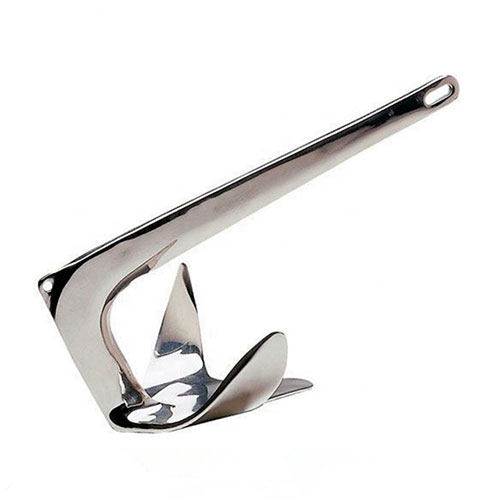
| Bruce Claw Anchor | Sand, Mud, Gravel | Three-claw design; self-righting; stable under shifting loads | Easy setting; reliable in mixed seabeds | Lower holding power compared to fluke anchors in soft mud |
| Screw Anchor | Soft Mud, Sand | Helical design screwed into seabed; often used for mooring systems | Extremely high holding strength; ideal for permanent installations | Requires specialized installation equipment |
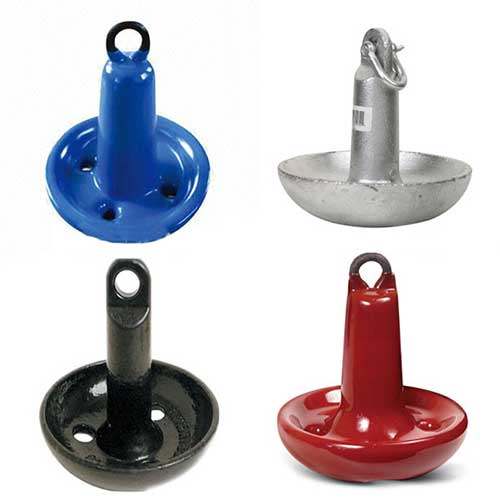
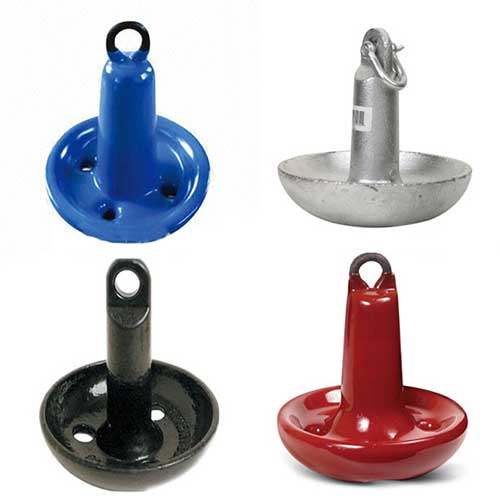
| Mushroom Anchor | Soft Mud, Silt | Dome-shaped; sinks and embeds over time | Excellent for long-term mooring; increases holding over time | Poor initial holding; not suitable for temporary anchoring |
| High Holding Power (HHP) Anchor | Sand, Mud | Advanced design with superior penetration and holding capacity | Higher efficiency; lighter weight for same holding power | More expensive; may require careful handling |
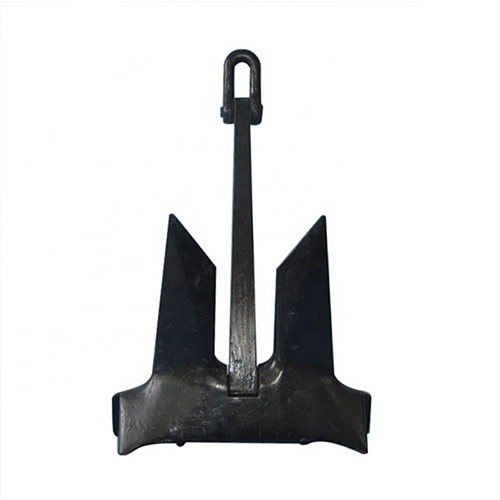
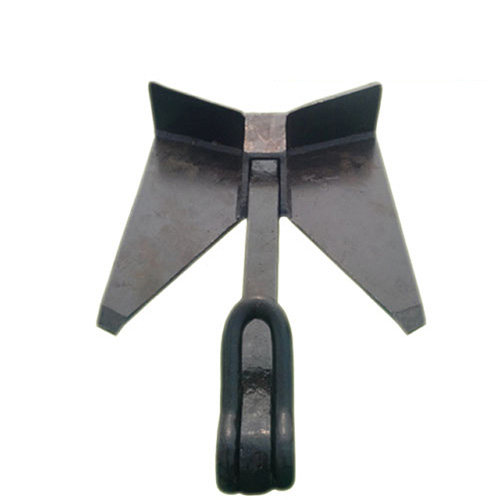
| Delta Anchor | Sand, Mud | Fixed shank plow-type anchor; fast setting | Strong and reliable; quick penetration | Less effective in rocky or heavily vegetated seabeds |
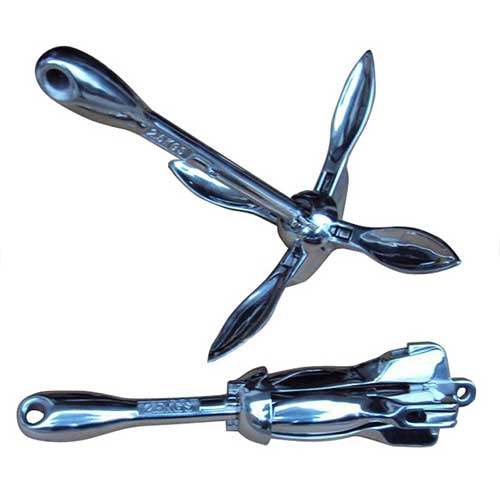
| Grapnel Anchor | Rock, Coral | Multiple hooks designed to grab onto irregular surfaces | Ideal for small boats in rocky bottoms | Limited holding in sand or mud; can be difficult to retrieve |
Key Factors to Consider for Choosing the Right Anchor for Different Seabed Conditions
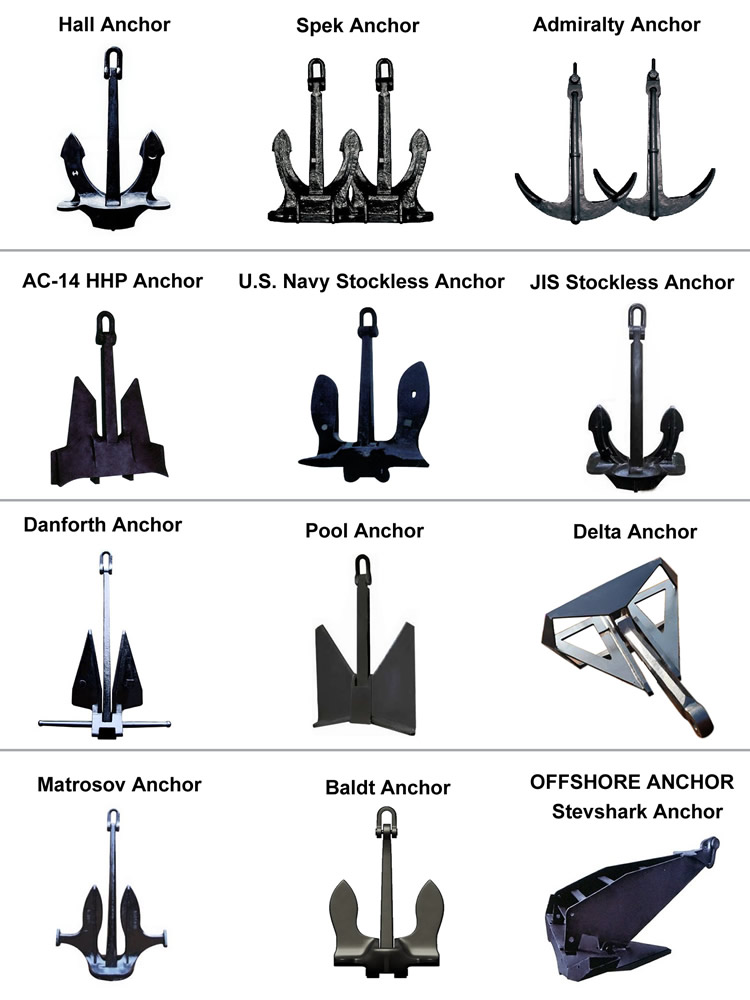
Selection of the right marine anchor is not just size and weight but in fact involves knowledge of how different anchor designs interact with conditions responsible to make the seabed and environmental loads. An inappropriate selection may lead to drags and even vessel damage, while the appropriate marine anchor ensures safety, efficiency and ease of operation.
1. The Influence of Seabed Composition on Anchor Performance
The nature of seabed largely determines the degree to which an anchor can maintain a vessel in place easily. For example, in mud one would use an anchor with a broad surface that could prevent excessive penetration to really dig in and make up resistance. For sand seabeds that resistance is nice, because it can allow many types of anchors to penetrate deeply once they are set. Contrarywise, when rocky or coral conditions are present, anchors need to resort to hooking or wedging into cracks instead of burrowing. Extreme complexity arises with areas that consist of mixed sandy bottoms, requiring anchors that mould or adapt themselves to varying texture and densities.
2. Matching Anchor Design to Seabed Conditions
Anchor geometry and structure contribute directly to performance directly corresponding to various seabed conditions. Fluke-style anchors present optimum operation in soft soils mainly due to high affinity fluked blades. The plow and delta anchors will operate more safely in sandy soils where their burrowing under load is best accompanied by excellent holding power. Claw and grapnel-style anchors have a higher level of operability in more granitic terrains and will hold in areas where full penetration is not possible. Determining that the anchor should go with the seabed rather than against it is crucial to maximize holding efficiency in the anchor design itself.
3. Anchor Weight and Holding Power
Although heavy anchors standardly have higher holding capacity, weight in itself cannot be conclusive of effective quality. Rather, current anchor designs concentrate on increasing success based on shape and material rather than sheer mass. Consequently, holding-power anchors outperform weight in terms of improved fluke angles and penetration efficiency. Thus, anchor selection lies in balancing weight and design effectiveness as applied for vessel size and seabed conditions.
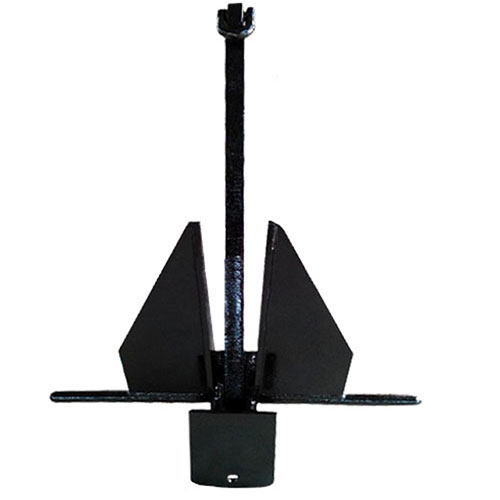
4. Scope of Ratio and Rode Configuration
The importance of ensuring the anchor was at an appropriate angle, to increase holding power, kindly culminated in the length ratio-the weight of the anchor line vs. the water depth. Longer lines gave an anchor enhanced intimacy with the seabed due to resting on the bottom thus providing an extraordinary grip upon bedding. Configurational effects are double-choosing chain, rope, or a combination rode, whose respective arrangement will have a direct effect upon the anchor performance. A chain will help maintain the anchor at a very low pull angle and offer a considerable extension of weight, adding all stability, especially in rough conditions.
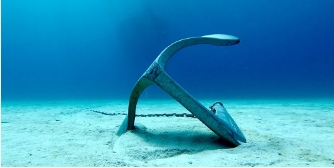
5. Environmental and Operational Conditions
Anchor performance is substantially affected by external forces such as water current, sea waves, and wind. Even the best-selected anchors can fail if the environment is not matching. If you have experience with strong currents and changing winds, then anchors capable of resetting quickly and holding their grip products should be selected. Similarly, tidal variations and bottom erosion can alter anchorabillties over time, thereby making it imperative to regard both current and future environmental factors when proceeding with the selection.
6. Durability, Material and Maintenance Considerations
Anchors will be introduced to an aqueous body. This implies that marine anchors would resist harsh environmental conditioning subjected to them, including constraints such as salt-water corrosion, abrasion, and mechanical stress. Material attributes such as galvanized or stainless steel must be targeted at for extended life before selecting anchors. Regular inspection and maintenance are required in order to keep anchors healthy and well renewed to work satisfactorily in diverse seabeds.
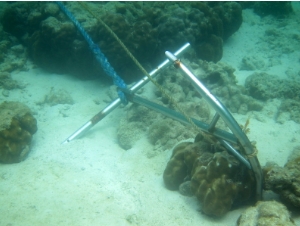
7. Environmentally Responsibility
In addition to their performance, environmental impacts are getting more and more consideration. Anchoring in areas with sensitive resources such as coral reefs might lead to serious environmental damage. Picking anchors that cause minimal disturbance to the seabed or alternatives such as mooring systems would go a long way in safeguarding marine ecosystems alongside ensuring vessel safety.
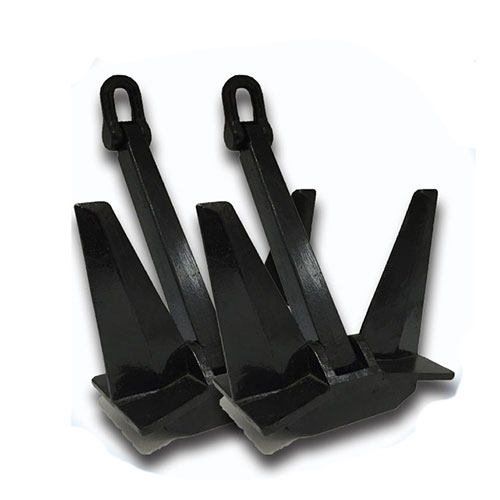
Key Steps for Selecting the Right Marine Anchor for Different Seabed Conditions
| Step | Description | Outcome |
| 1. Identify Seabed Type | Determine whether the seabed is sand, mud, rock, coral, gravel, or mixed | Accurate understanding of seabed conditions |
| 2. Assess Vessel Specifications | Evaluate vessel size, weight, and operational requirements | Proper anchor size and strength selection |
| 3. Define Anchoring Purpose | Identify whether anchoring is temporary, long-term mooring, or emergency use | Ensures anchor matches operational needs |
| 4. Match Anchor Type to Seabed | Select marine anchor type suited for the identified seabed type | Optimal holding performance |
| 5. Evaluate Holding Power Requirements | Calculate required holding force based on environmental conditions | Prevents anchor dragging or failure |
| 6. Consider Anchor Weight and Size | Choose appropriate anchor weight relative to vessel and seabed conditions | Balanced performance and practicality |
| 7. Review Material and Durability | Check corrosion resistance and build quality | Longer lifespan and reduced maintenance |
| 8. Analyze Deployment and Retrieval | Ensure ease of handling, storage, and deployment mechanisms | Efficient and safe anchoring operations |
| 9. Account for Environmental Factors | Consider weather patterns and seabed variability | Increased anchoring reliability in real-world conditions |
| 10. Verify Compliance and Standards | Ensure anchor meets maritime regulations and classification society standards | Safe, legal, and reliable anchoring system |
Future Trends in Marine Anchoring
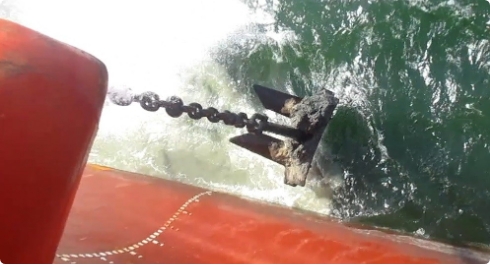
The advancements in marine engineering are guiding the way to anchoring solutions that are smarter and more efficient, which include high holding power anchors, automated anchoring systems and materials that prevent increased corrosion resistance and provide durability. Environmental consciousness has also led to the development of the eco-friendly anchoring methods that lessen the disturbance of the seabed.
Summary
It is very important to choose the right marine anchor for different seabed conditions so as to ensure the safety of the vessel and the operational success. Through understanding of the seabed features and the adaptation of suitable anchor. During these designs to achieve optimal holding performance and mitigation of risk. In the future, advancement in anchoring will focus on efficiency, adaptability, and sustainability.