Ship Anchor Types: How Different Anchors Work and Where They Are Used
Even if there have been significant advancements in propulsion, navigation, and dynamic positioning systems, anchors are still considered the most important safety features on ships. They not only ensure stability while anchoring but also provide the capability for the ship to stop in emergencies, and the ability to stay in a position in ports, offshore areas, and coastal waters. Hence, selecting the right type of anchor has a direct impact on the operational safety of the ship, adherence to the classification rules, and the long-term maintenance costs.
The current maritime industry has a good variety of anchor designs, and each one is made for a different type of ship, seabed conditions, and operational requirements. It is important for the ship owners, naval architects, port authorities, and procurement professionals to understand the different types of anchors and their roles in ship operations.
In the article, we will take a closer look at the common types of anchors in ship, how different anchor designs function, and also discuss modern trends like high pulling power anchors and intelligent anchoring systems.
Overview of Common Ship Anchor Types
Anchors for ships can be categorized in terms of their structure, mechanism of holding, and application they are meant for. Although all types of anchors have the same main function of holding the seafloor, their efficiency is highly influenced by the design.
Key Factors Influencing Anchor Performance
- Seabed condition: sand, mud, clay, rock, or seaweed
- Anchor geometry: fluke size, angle, and penetration behavior
- Weight and holding power ratio
- Vessel size and wind, wave, and current loads
Modern anchor selection focuses not only on weight but also on efficiency, reliability, and regulatory approval.
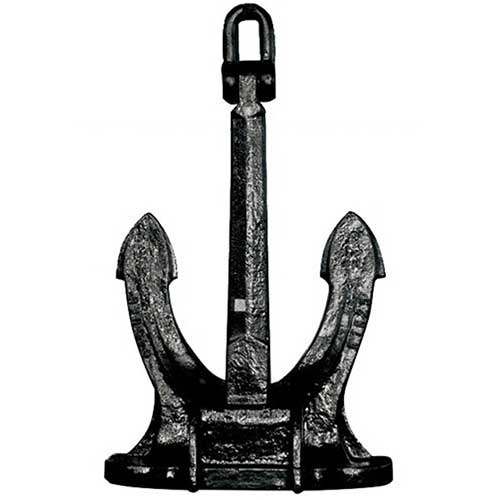
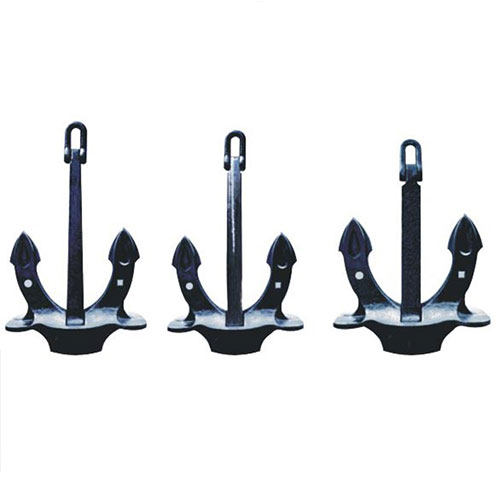
Stockless Anchor: The Standard Choice for Commercial Vessels
The stockless anchor has become a very popular anchor type and the one that is most commonly used in today’s shipping industry, especially among commercial ships. Its widespread use is attributed to its uncomplicated design, ease in managing, and compatibility with hawse pipes.
Design Characteristics
A stockless anchor features two pivoting flukes attached to a central shank, without a transverse stock. This design allows the anchor to self-align and embed into the seabed when tension is applied through the anchor chain.
Typical Applications
Container ships
Bulk carriers
Oil and chemical tankers
General cargo vessels
Advantages
- Easy stowage inside the hull
- Smooth deployment and recovery
- Low maintenance requirements
Limitations
- Moderate holding power compared to high holding power anchor designs
- Less effective in very soft mud or weed-covered seabeds
Even with these restraints, the stockless anchor still prevails as the go-to solution for many big boats thanks to its reliability and ease of use that have been confirmed over time.
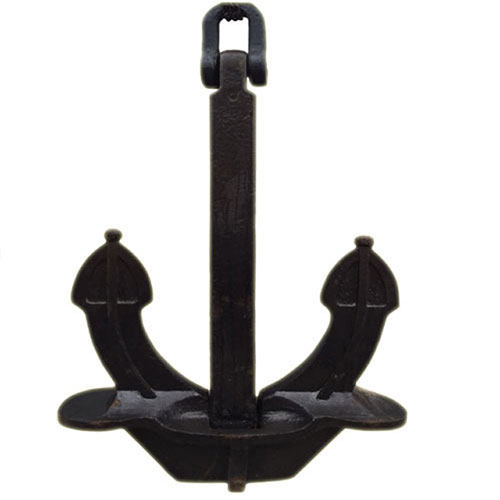
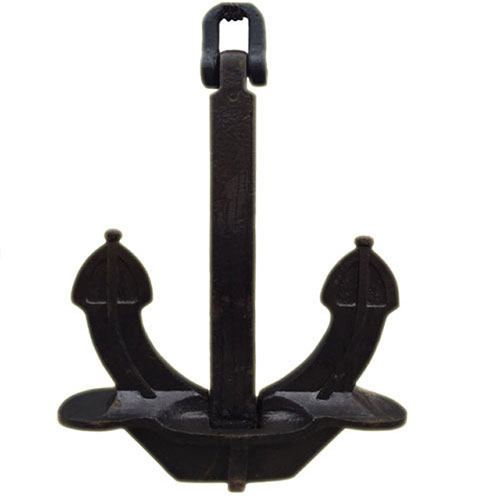
Spek Anchor: Improved Performance over Traditional Hall Anchors
The new Spek anchor originated from the conventional Hall anchor; it is intended to maintain uniform penetration in order to reduce operational glitches.
Structural Improvements
Compared with a standard Hall anchor, the Spek anchor features optimized fluke geometry and improved weight distribution. These changes help ensure that at least one fluke reliably penetrates the seabed upon deployment.
Performance in Various Seabeds
Spek anchors perform particularly well in:
- Sandy seabeds
- Soft mud
- Mixed harbor bottoms
Their design reduces the likelihood of unstable seating or dragging, which can occur with older anchor designs.
Why Spek Anchors Are Gaining Popularity
Many shipyards and fleet operators prefer Spek anchors because they:
- Offer more predictable setting behavior
- Reduce damage to hull plating during recovery
- Provide improved holding reliability without significantly increasing weight

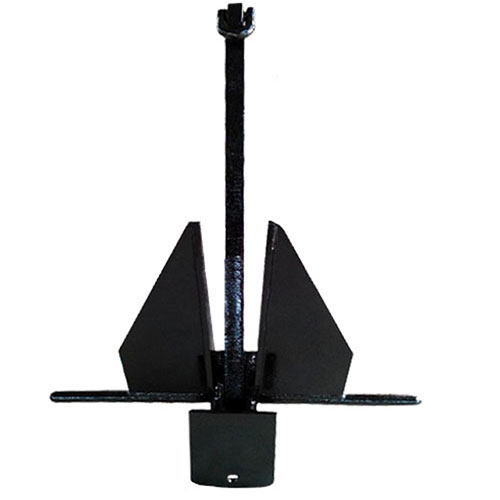
High Holding Power Anchor: Maximizing Safety with Reduced Weight
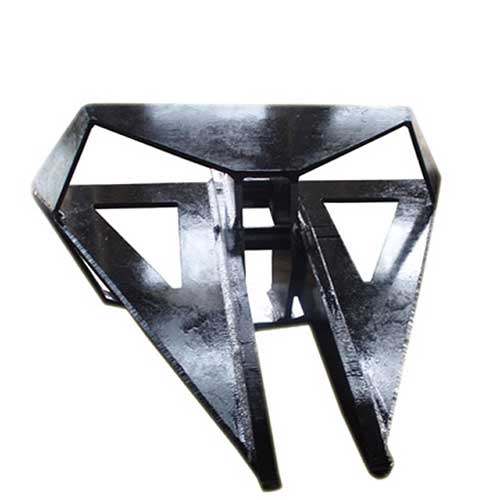
The high holding power anchor (HHP anchor) represents one of the most important developments in modern anchoring technology.
What Defines a High Holding Power Anchor?
A high holding power anchor is certified by classification societies to provide significantly greater holding force than conventional anchors of the same weight. In many cases, an HHP anchor can deliver equivalent holding power with up to 25% less mass.
Technical and Economic Benefits
- Reduced anchor weight and chain load
- Lower structural stress on the bow and windlass
- Improved safety in adverse weather conditions
- Potential cost savings in steel and installation
Common HHP Anchor Designs
Popular HHP anchor types include:
- AC-14 anchors
- Stevpris anchors
- Delta and Bruce-style anchors (depending on certification)
Due to their efficiency, high holding power anchors are increasingly specified for offshore vessels, large merchant ships, and harsh-environment operations.
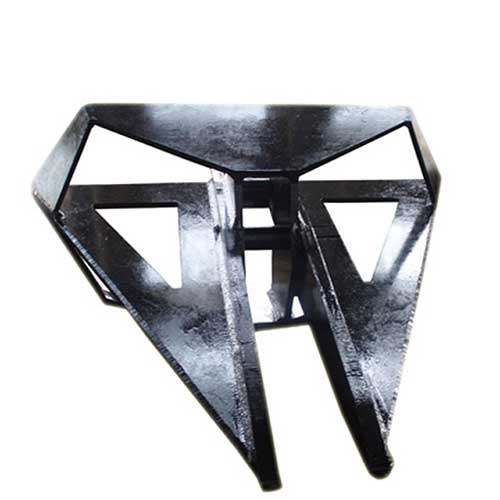
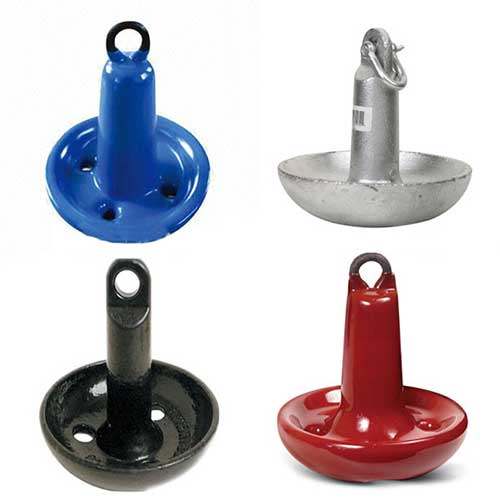
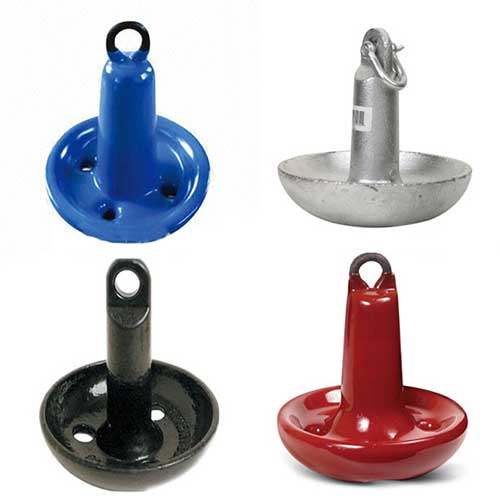
Mushroom Mooring Anchor: Designed for Permanent Mooring Systems
The mushroom mooring anchor is, in essence, a whole new generation of ship anchoring methods. It does not depend on the flukes’ penetration of the seabed, but mainly on the anchor’s weight and the long-term embedment into the seabed.
Working Principle
When a mushroom anchor is placed on the bottom, it will slowly penetrate the soft seabed of mud or clay. After a while, the sediment on top of it will increase the resistance, which will, in turn, make the anchor super stable.
Typical Applications
- Buoys and navigation markers
- Floating docks
- Offshore platforms and mooring points
Advantages
- Excellent long-term holding capacity
- Minimal movement once fully embedded
Disadvantages
- Not suitable for temporary anchoring
- Difficult to retrieve
- Ineffective on hard or rocky seabeds
Mushroom anchors are therefore reserved for permanent or semi-permanent mooring systems rather than shipboard use.
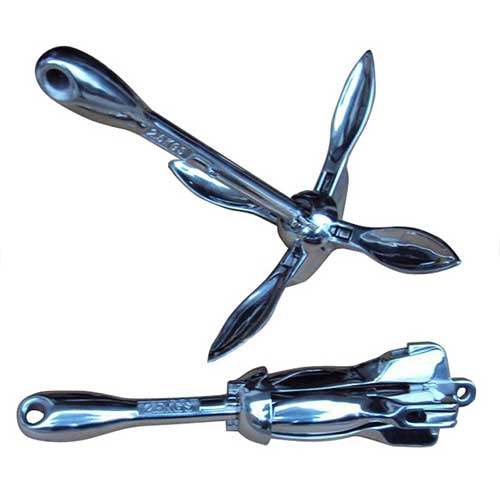
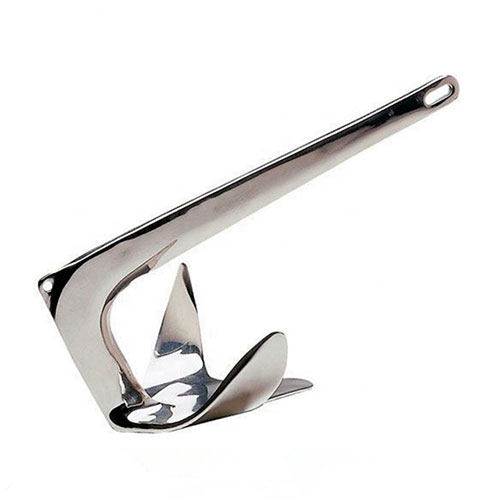
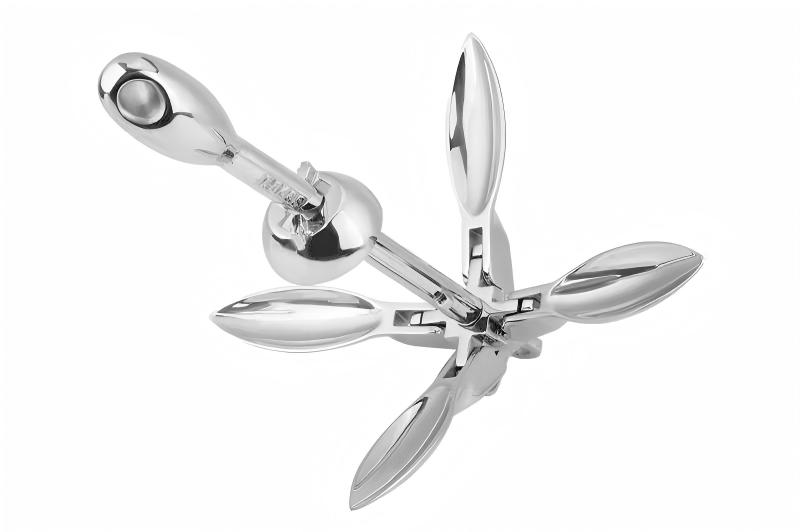
Folding Anchor: Compact Solutions for Small and Special Vessels
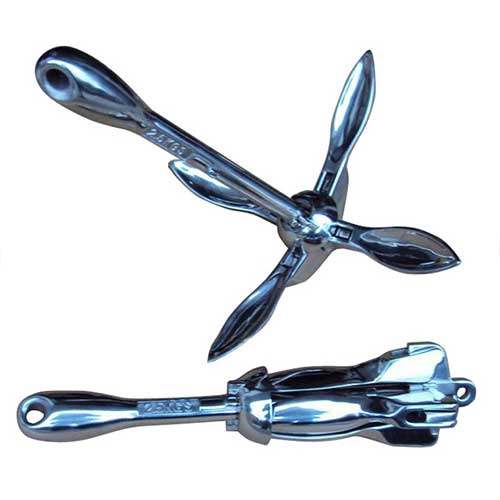
The folding anchor is designed for convenience rather than maximum holding power. Its collapsible flukes make it easy to store and deploy on small vessels.
Structural Features
- Foldable arms or flukes
- Lightweight construction
- Compact storage profile
Typical Applications
- Recreational boats and yachts
- Small fishing vessels
- Lifeboats and emergency craft
Performance Considerations
While folding anchors are convenient, they:
- Offer limited holding capacity
- Are unsuitable for large ships or rough conditions
- Are best used as auxiliary or emergency anchors
How to Choose the Right Anchor Type for Your Vessel
Selecting the correct anchor requires balancing operational needs, regulatory requirements, and environmental conditions.
Selection by Vessel Type
- Large commercial vessels: stockless or high holding power anchors
- Offshore and harsh-environment vessels: certified HHP anchors
- Permanent moorings: mushroom mooring anchors
- Small craft: folding or lightweight fluke anchors
Selection by Seabed Condition
- Sand and mud: stockless, Spek, or HHP anchors
- Soft clay: mushroom anchors for permanent use
- Rocky seabeds: specialized anchoring systems or mooring solutions
Regulatory Considerations
All anchors must meet classification society standards and be approved for the vessel’s size and service area.
Emerging Trends in Ship Anchor Design
Smarter Anchoring Systems
The advent of increasing automation and digital management in ships has paved the way for anchoring systems to transform from basic mechanical devices to smart solutions powered by data. Current ships are using the sophistication of technology in monitoring and control to not only enhance anchoring safety but also accuracy and operational efficiency.
Anchor chain tension monitoring is one of the most impressive innovations that has come up, allowing the continuous measurement of forces impacting the anchor and chain throughout the anchoring period. The variations in tension are continuously monitored so that the crewmembers can already be informed about the possible instances of anchor dragging, over yawing, or sudden increases in load due to weather or current changes.
Moreover, at significant locations within the anchoring system, such as windlasses and chain lockers, load sensors and embedded measurement devices are being installed. The data generated by these sensors is essential for condition-based maintenance, which aids the operators in minimizing unplanned outages and in setting inspection periods in a more efficient manner.
On top of that, automatic anchoring help systems are becoming popular, especially in the case of big commercial ships and offshore vessels. Such systems will assist in the deployment of the best anchor, will suggest the right length of chain depending on the ground conditions, and will also be able to connect with the navigation and weather data to make the anchoring more precise and safer.
Material and Coating Innovations
Material science is accompanying digitalization to significantly change the design of ship anchors of today. Superior metallurgy for high-strength steel is making it possible for anchors to have high holding power with lower weight, thus boosting efficiency and safety simultaneously.
Moreover, the usage of state-of-the-art corrosion-resistant coatings—like improved galvanizing, epoxy systems, and hybrid protective layers—is a major factor in increasing the lifetime of anchors significantly. These coatings keep the wear in extremely harsh marine conditions at a minimum, cut down maintenance needs over the long run, and allow ship owners to keep their operating costs under control while continuing to meet the requirements set by the classification society.
FAQ: Ship Anchors and Their Applications
Q1: Which type of anchor is primarily used by the shipping industry?
The stockless anchor is the most commonly used type on ships and has the advantage of modern hull designs compatibility and simplicity.
Q2: How do stockless anchor and high holding power anchor differ?
The high holding power anchor wins on the score of holding force per unit weight and consequently allows a lighter anchor mass to be used and safety assured.
Q3: When is the mushroom mooring anchor recommended?
Mushroom mooring anchors are ideal for permanent or long-term mooring systems such as buoys and floating platforms.
Q4: Are folding anchors suitable for large ships?
No, folding anchors are designed for small vessels and emergency use, not for large commercial ships.
Q5: How do I choose the right anchor for different seabed conditions?
Consider seabed type, vessel size, environmental loads, and classification requirements when selecting an anchor.