
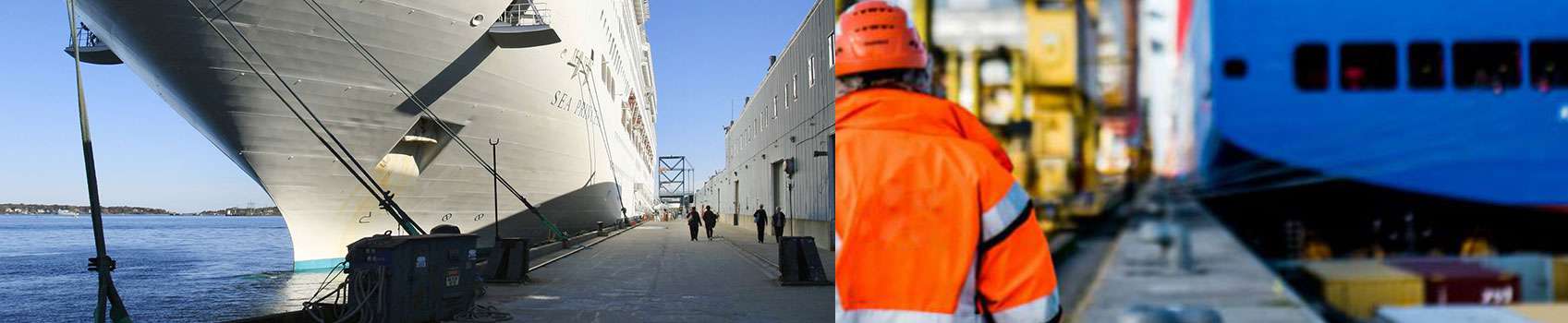
How to Choose the Right Anchor Chain in Marine Operations
The choice of the right anchor chain is critical in ship and offshore structures that substantially influences safety, stability, and speed. Marine anchor chains is beyond mere connectivity, and it functions as an absorber of forces influencing anchor holding power and moves with changes in environmental conditions. A comprehensive understanding in materials, environmental factors, vessel requirements, regulatory standards, etc, is required to select the suitable anchor chain.
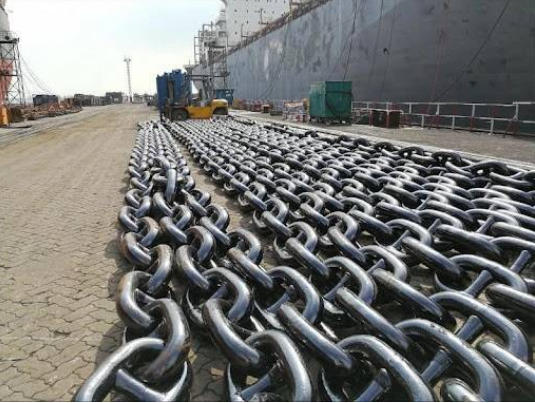
Table of Contents
Understanding the Role of Anchor Chains
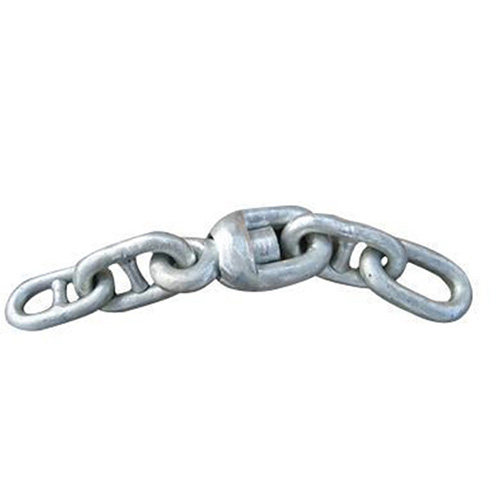
The anchor chain has more functions than just holding the anchor to the vessel. The weight of the chain forms a natural curve downward along the seabed, forming a catenary. This catenary acts as a buffer against sudden loads from wind, waves, and currents, which makes the pulling force on the anchor and the chain horizontal. The necessity of this horizontal pull is that only then can the anchor be held in place in the seabed. If loaded vertically, the upward forces would pull the disembedded. It also assists in stability maintaining, reducing jerky motions in the diminishing marine conditions and distributing stresses evenly, thereby protecting the marine anchors and the vessel’s mooring system.
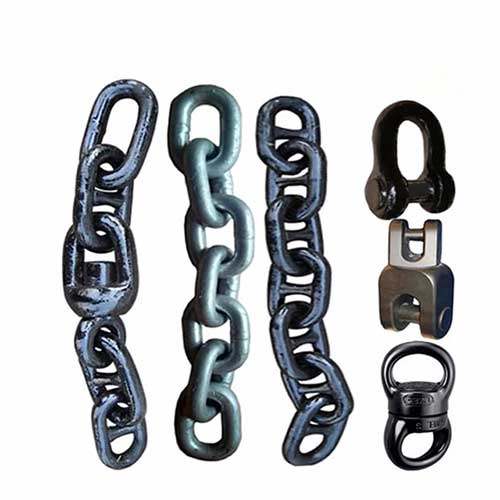
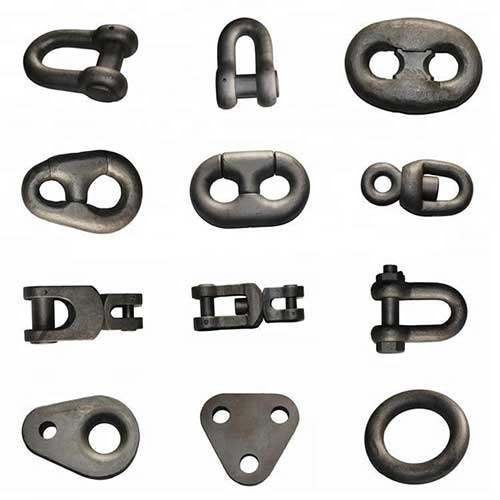
Types of Anchor Chains
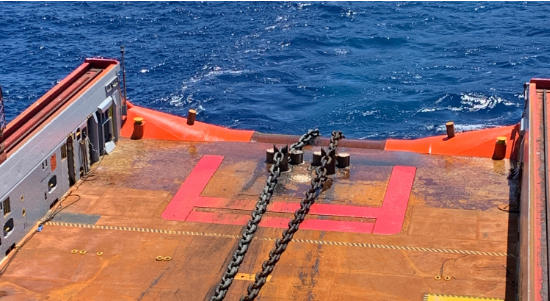
| Type of Anchor Chain | Structural Features | Advantages | Limitations | Typical Applications |
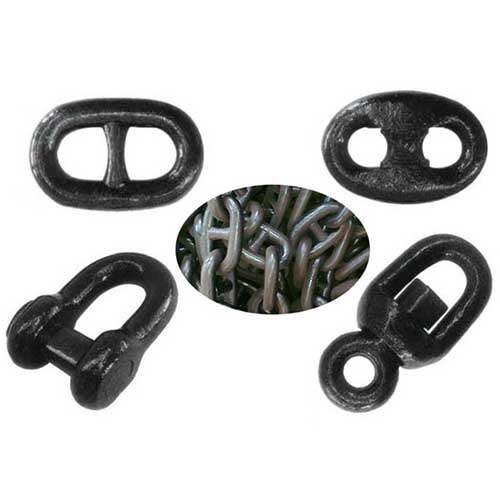
| Stud Link Chain | Links include a central stud for reinforcement | High strength, resists deformation, prevents twisting and kinking | Heavier and more expensive than studless chains | Commercial ships, offshore platforms, large vessels |
| Studless Chain | Smooth links without internal studs | Lighter weight, easier handling and storage | More prone to deformation under heavy loads | Small vessels, temporary moorings, specialized applications |
| Proof Coil Chain (Grade 2) | Basic welded steel chain with lower strength rating | Cost-effective, suitable for light-duty use | Limited load capacity, not ideal for harsh marine environments | Small boats, recreational anchoring |
| High Test Chain (Grade 3) | Heat-treated steel with improved strength over proof coil | Stronger and more durable, moderate cost | Still not suitable for extreme offshore conditions | Medium-sized vessels, coastal operations |
| High Strength Chain (R3 / R4 / R5) | Advanced alloy steel with high tensile strength | Excellent load capacity, reduced diameter for same strength, high fatigue resistance | Higher cost, requires strict quality control | Offshore mooring systems, oil rigs, deepwater applications |
| Open Link Chain | Traditional chain with wider, less compact links | Flexible and easy to repair | Lower strength and durability | Light-duty or historical/traditional marine uses |
| Short Link Chain | Compact links with shorter pitch | Better weight distribution, smoother handling on windlass | Heavier per unit length | Anchor windlass systems, modern vessels |
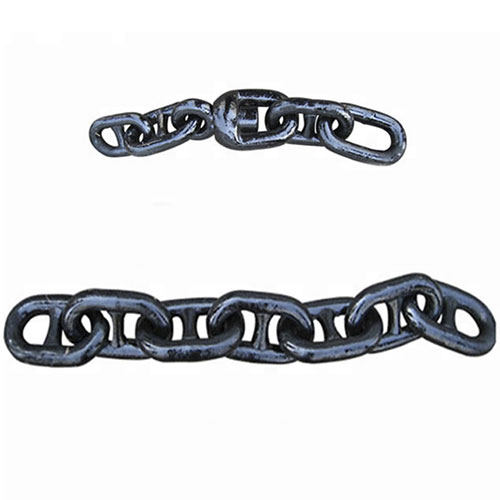
Key Factors to Consider for Choosing the Right Anchor Chain
A selection process for the right anchor chain, requires a deep understanding of several interrelated factors, each contributing to the overall performance and reliability of the anchoring system.
1. Understanding Load Requirements and Vessel Characteristics
This chart summarizes how anchor chain selection varies depending on vessel type and load requirements, ensuring that each application achieves optimal safety, performance and durability.
| Vessel Type | Typical Load Characteristics | Recommended Chain Type | Recommended Chain Grade | Key Selection Considerations |
| Small Recreational Boats | Light loads, low windage, minimal dynamic forces | Studless Chain | Grade 2 (Proof Coil) or Grade 3 | Ease of handling, cost-effectiveness, sufficient for light loads |
| Fishing Vessels | Moderate loads, variable forces from waves and gear | Stud Link Chain | Grade 3 or Grade 4 | Durability, resistance to repeated loading and corrosion |
| Tugboats | High dynamic loads due to towing operations | Stud Link Chain | Grade 4 or Grade 5 | High tensile strength, shock load absorption |
| Cargo Ships | Heavy static loads with moderate dynamic forces | Stud Link Chain | Grade 4 or Grade 5 | Load stability, fatigue resistance, reliable long-term performance |
| Container Ships | Very high loads, significant wind forces | Stud Link Chain | Grade 5 | High strength-to-weight ratio, minimal elongation |
| Oil Tankers | Extremely heavy loads, high inertia and wind exposure | Stud Link Chain | Grade 5 | Maximum strength, corrosion resistance, safety compliance |
| Cruise Ships | High loads with strong wind influence | Stud Link Chain | Grade 5 | Passenger safety, high reliability, smooth load distribution |
| Offshore Platforms | Continuous heavy loads with extreme dynamic forces | High Strength Chain (Stud Link) | R3 / R4 / R5 | Fatigue resistance, long service life under cyclic loading |
| Floating Production Units (FPSO/FSO) | Very high and constant mooring loads | High Strength Chain | R4 / R5 | Resistance to long-term stress, deepwater suitability |
| Naval Vessels | High loads with rapid deployment and maneuvering | Stud Link Chain | Grade 4 or Grade 5 | Strength, reliability, and operational flexibility |
| Luxury Yachts | Moderate loads with emphasis on weight control | Studless or Stud Link | Grade 3 or Grade 4 | Balance between aesthetics, weight, and sufficient strength |
2. Evaluating Material Strength and Grade
Anchor chains come in various strength grades, in each case tailored to a specific application. Higher grade chains will have higher tensile strength, enabling smaller diameters to support heavier loads. That is, particularly in situations where constraints on weight or space are immediately and significantly essential.
Additionally, simply put, the composition of materials plays a crucial role in regard to their behavior. Though high-strength carbon steel is extensively used for the purpose, additional treatments or alloying can be provided to increase wear and fatigue resistance. Choosing the right grade ensures that the chain can withstand both immediate stress and ongoing wear.
3. Considering Corrosion Resistance and Environmental Conditions
And finally, fourth in the line, it’s very important to work out whatever application-specific environmental conditions and general recommendations might imperatively require consideration. The marine environment is essentially corrosive, especially in saltwater conditions. As a consequence, these conditions act as weaknesses in the chain, increasing the potential for load-bearing and fracture, leading to the need for the chain with appropriate decor and protection measures.
The freezing/boiling point of salt steel and other coatings has been traditional methods for rust protection. In instances of particularly aggressive service conditions, more advanced coatings or special materials may be required. Factors such as water salinity, temperature, and exposure to chemicals should all be taken into account when corrosion resistance is being evaluated.
Corrosive environmental considerations do not end there. Seabed composition, wave intensity, and current strength may be determinants of how the chain behaves. Chains operating in rocky or highly abrasive seabeds will need higher wear resistance, while those operating in deep waters or high-energy environments may require even more strength and fatigue resistance.
4. Determining Chain Size and Length
This chart provides the essential parameters related to the size and length of anchor chains, helping ensure proper selection for safe, efficient, and reliable anchoring operations across different marine applications.
| Parameter | Description | Typical Range | Impact on Performance | Key Considerations |
| Chain Diameter (Size) | Thickness of each chain link, directly related to strength | 6 mm – 150 mm (depending on vessel size) | Determines load capacity and resistance to tension and wear | Must match vessel displacement and expected loads |
| Chain Length (Total) | Total length of chain carried onboard | 30 m – 12+ shackles (1 shackle ≈ 27.5 m) | Affects anchoring flexibility and maximum deployment depth | Should comply with vessel class and operational requirements |
| Scope Ratio | Ratio of chain length deployed to water depth | 3:1 (calm) to 10:1 (rough conditions) | Controls holding power and stability of anchoring system | Higher scope improves holding but requires more space |
| Shackle Length Unit | Standard unit used to measure anchor chains | 1 shackle ≈ 27.5 m (90 feet) | Simplifies chain handling and measurement | Common in commercial and naval vessels |
| Chain Weight per Meter | Mass of chain per unit length | Increases with diameter | Heavier chains improve catenary effect and shock absorption | Excess weight affects vessel handling and storage |
| Working Load Limit (WLL) | Maximum safe load the chain can handle | Varies by grade and diameter | Ensures safe operation under expected loads | Must exceed calculated maximum load with safety margin |
| Proof Load / Breaking Load | Test load and ultimate failure load of the chain | Defined by standards (Grade 2, 3, R3, R4, R5, etc.) | Indicates strength reliability and safety margin | Certification and compliance with standards are essential |
| Chain Length per Depth | Chain deployed relative to anchoring depth | 4–6× depth (general use), up to 8–10× (harsh conditions) | Influences anchor holding efficiency and load distribution | Depends on seabed type, wind, and current conditions |
| Storage Capacity | Space available in chain locker | Vessel-specific | Limits maximum chain length that can be carried | Must ensure proper stowage and smooth deployment |
5. Compliance with Standards and Certification Requirements
The anchor chains have to adhere to relevant international marine standards for the safety and feasibility of the operator. Classification societies and legislative bodies have laid down for rigorous manufacturing, testing designs, and quality-assurance standards for safety and seamanship.
These certified chains are subjected to various testing procedures, which eventually include proof loading and breaking strength tests by independent bodies for marine application. In many cases, they are legal binding, and observation of safety and performance standards minimizes operational risk. Choosing such products assures the buyer that the chain meets accepted safety norms.
6. Maintenance, Inspection, and Lifecycle Considerations
The performance of the type of anchor chain is heavily dependent on the maintenance and regular inspection of these chains. Over a period of time, chains are subject to wear, corrosion, and mechanical stress due to fatigue.
Regular inspections can identify things like link distortion, surface rot, and corrosion before they have the potential to cause a total collapse. Maintenance activities including washing and protection treatments can prolong the useful life of the chain. Viewing the chain’s life cycle from the inception up to a time period of replacement helps better handle costs and organize operations.
7. Balancing Cost with Performance and Reliability
While the cost is a major factor to consider in any procurement decision-making, its view should not override considerations on performance and safety. Chains procured at relatively lower prices might appear attractive initially but increase maintenance costs over time thus increasing risk.
If the anchor chain is chosen right, with regard to the intended application, a good investment will be made for long-term results. Standards consideration, reliability, and corrosion durability must be taken as the basic priorities for the anchoring station to work under all conditions.
Summary
Choosing the right type of anchor chain lies in a careful balance that concerns the chain’s strength, sturdy construction, environmental suitability, and standard regulations. Chain selection is characterized by the need to follow functional operational requirements together with operating conditions. Hence, with minimal safety risk, long-term anchoring and safe operation, anchor chains can perform their job with reliability.