AC-14 vs Pool Anchors: Choosing the Best HHP Anchor for Modern Vessels
Table of Contents
The shipping industry needs to choose the appropriate anchor for vessels to maintain safe operations and stable performance at sea. The increasing size of ships and their need to operate on difficult underwater terrain has created a demand for high holding power anchors (HHP anchors). The AC 14 anchor and the pool TW type anchor have become two of the most widely used anchoring systems in contemporary maritime operations.
The AC 14 can sustain its weight because its strong construction and powerful grip make it suitable to handle bulk materials on ships that operate in very difficult underwater environments. The TW type of pool anchor serves as the primary choice for container ships and cruise liners because of its small size and efficient storage features. Ship owners and operators and procurement managers need to learn about anchor types because this knowledge will help them choose the best options for safety and performance.
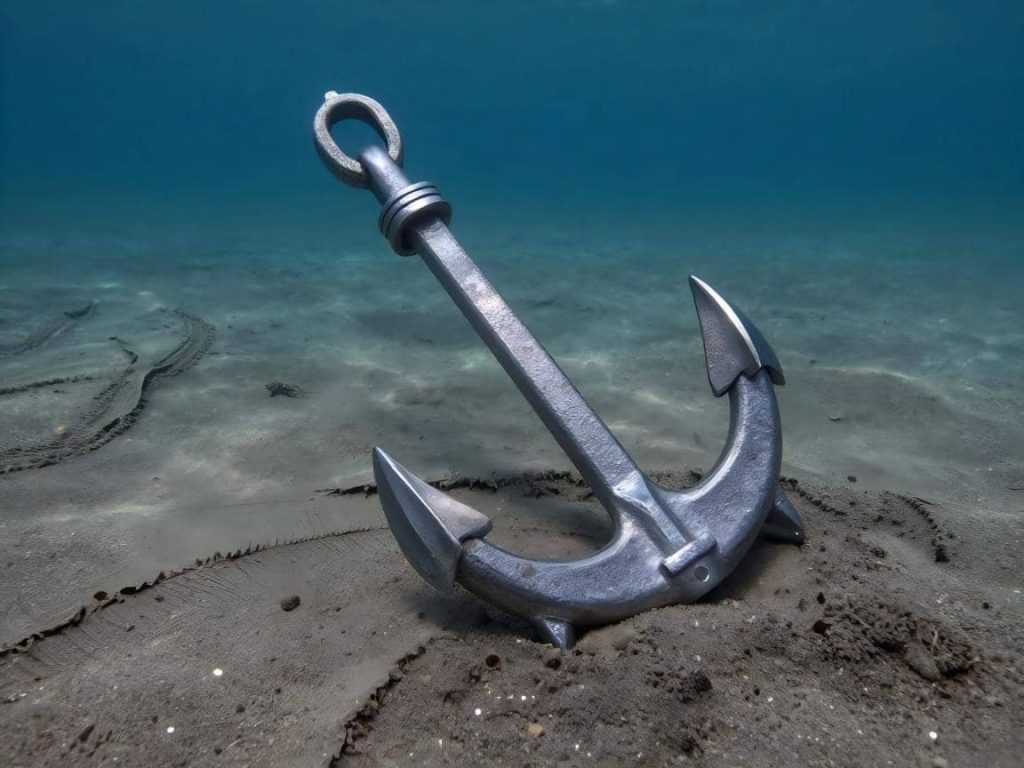
AC-14 Anchor – High Holding Power for Bulk Carriers
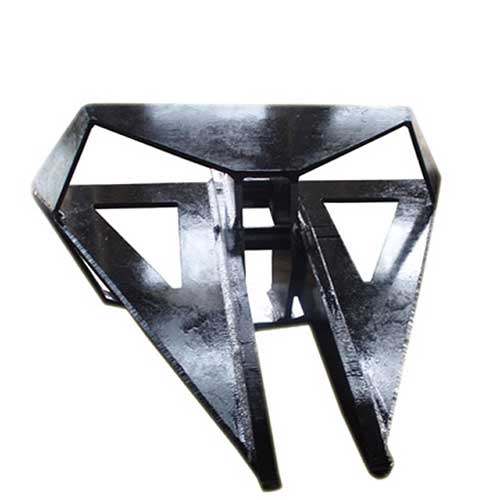
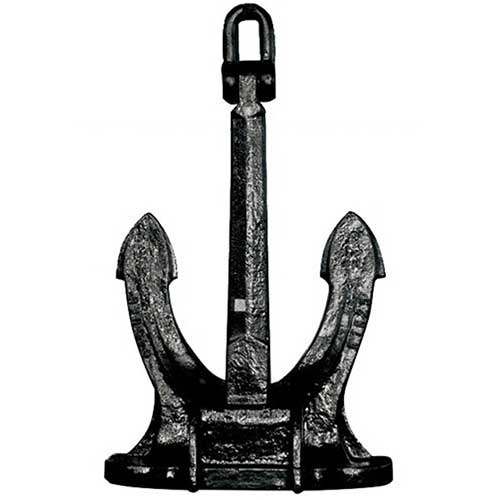
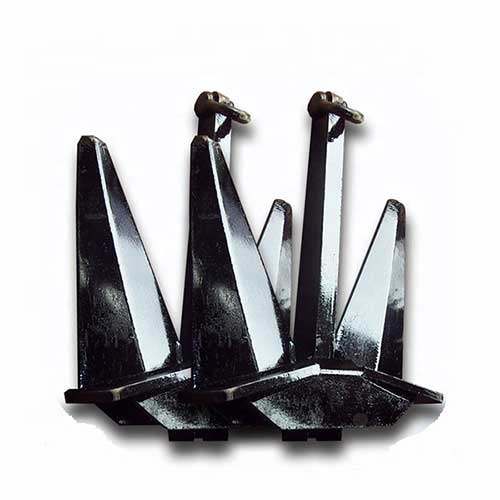
The AC 14 anchor uses a thick lateral “fluke” design, which enables the anchor to penetrate the seabed and maintain a strong grip. The anchor remains stable after it engages because its low center of gravity prevents tipping during complex bottom conditions. The AC-14 design provides exceptional reliability and holding power for bulk carriers that operate in mud and sand and rocky seabeds.
The AC-14 has become the preferred option for large cargo ships because of its ability to handle strong currents and severe weather conditions. The anchor’s robust structure minimizes slippage, which allows vessels to stay securely moored during difficult weather conditions. The AC-14 provides continuous high holding power, which decreases operational hazards while improving maritime security.
Advantages of AC-14 anchor:
- Heavy-duty construction with large lateral flukes for superior seabed grip.
- Low center of gravity prevents anchor rollover in mixed seabed conditions.
- High reliability in strong currents, storms, and rough weather.
Pool Anchors – Compact and Efficient
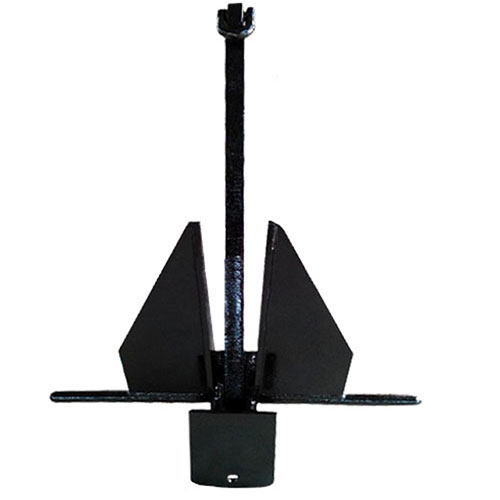
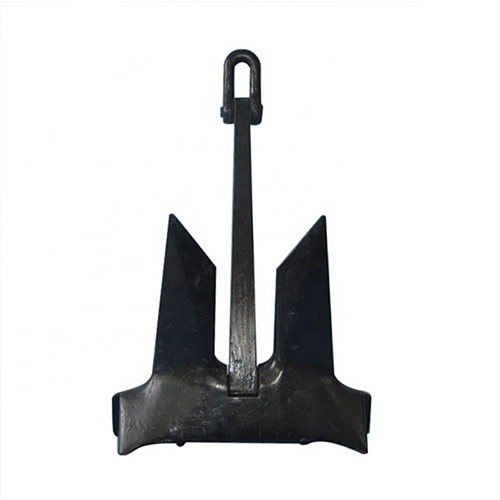
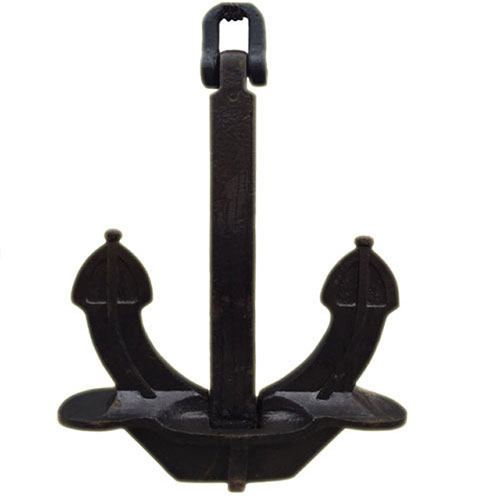
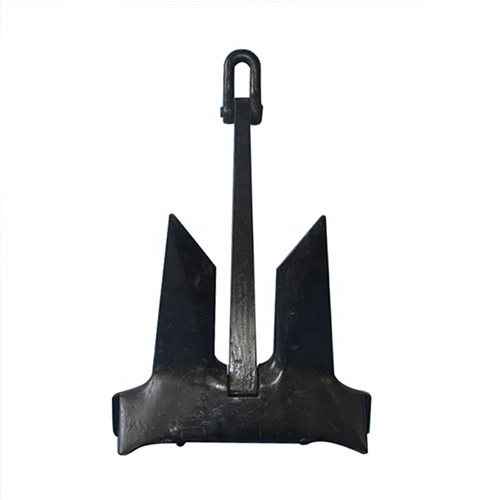
The TW type pool anchor uses a flat fluke design, which lacks lateral bars, while the AC-14 uses a different design. The anchor’s compact design enables it to fit into the ship’s anchor pocket because it prevents any part of the anchor from extending beyond the ship’s hull. The anchor operates without affecting the ship’s aerodynamic performance because it does not create additional wind resistance, which is essential for fast-moving ships like container vessels and cruise ships.
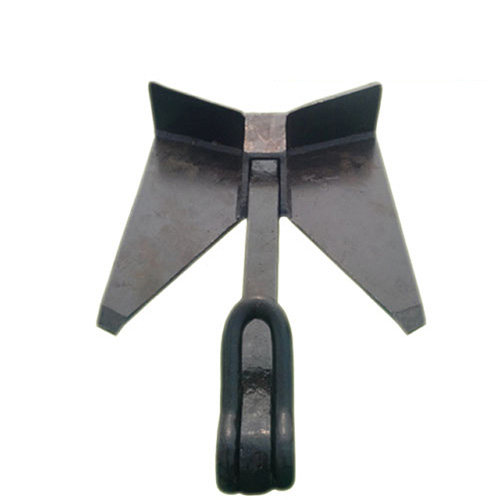
The pool anchor’s tight design also simplifies anchor handling and storage. When hoisted, the anchor lies flush with the hull, minimizing the risk of fluke collision with the ship’s bow or deck fittings. This is why the Pool anchor, along with N type anchor and spek anchor variants, is highly popular among operators of modern, high-speed vessels.
Advantages of Pool TW type anchor:
- Compact and flat design for easy storage in anchor pockets.
- Smooth fluke surface reduces wind resistance and prevents ship hull impact.
- Suitable for container ships, cruise liners, and other fast vessels.
AC-14 vs Pool Anchors – Comparative Analysis
Choosing between an AC-14 anchor and a Pool anchor depends on several factors, including vessel type, seabed conditions, and operational requirements. Here’s a detailed comparison:
| Feature / Aspect | AC-14 Anchor | Pool TW / N / Spek Anchor |
| Holding Performance | Excellent in muddy, sandy, or rocky seabeds; high grip and stability | Good on uniform or flat seabeds; moderate grip on complex bottoms |
| Vessel Compatibility | Bulk carriers, large cargo ships | Container ships, cruise liners, fast vessels |
| Design & Handling | Heavy flukes, low center of gravity; requires more handling effort | Compact, flat design; easy hoisting and storage; minimal hull interference |
| Storage | Requires more space due to large lateral flukes | Fits perfectly in anchor pockets; flush with hull |
| Wind Resistance / Aerodynamics | Higher drag due to protruding flukes | Low drag; flat design reduces wind resistance |
| Maintenance & Durability | Very durable, but heavier and more maintenance-intensive | Durable with simpler design; easier maintenance |
| Operational Use | Ideal for rough conditions and complex seabeds | Ideal for high-speed vessels in ports or calm seabeds |
Choosing the Right Anchor for Your Vessel
The selection process for an anchor requires multiple essential factors to determine the proper choice.
- Vessel Type & Size: Bulk carriers benefit from the AC-14’s heavy-duty holding power, while container ships and cruise liners prefer the compact Pool TW type for streamlined storage.
- Seabed Condition: AC-14 anchors excel in mixed or challenging seabeds, whereas Pool anchors are optimized for flat or uniform bottom conditions.
- Operational Efficiency: Consider wind resistance, anchor handling, and storage convenience. Pool anchors reduce aerodynamic drag and simplify hoisting.
- Maintenance & Durability: Both AC-14 and Pool anchors are highly durable HHP anchors, but Pool anchors may require less maintenance due to their simpler structure.
Summary Recommendation:
Bulk Carriers: AC-14 anchor
Container Ships & Cruise Liners: Pool TW type, N type, or spek anchor
FAQs
Q1: What is the main difference between AC-14 anchors and Pool TW type anchors?
A1: AC-14 anchors use their heavy lateral flukes and low center of gravity design to achieve high holding power in complex seabeds. The Pool TW type anchors have a compact design, which includes a flat shape that enables efficient storage in anchor pockets.
Q2: Which anchor type offers higher holding power in muddy seabeds?
A2: The stably designed large flukes of the AC-14 anchor bestow great holding abilities in muddy, sandy, or mixed ground.
Q3: Can pool anchors be used on bulk carriers?
A3: The technical design of Pool anchors allows their use for all ships, but their design makes them ideal for container ships and cruise vessels. The AC-14 anchors provide the best stability and safety protection for bulk carriers.
Q4: What does HHP anchor mean?
A4: The HHP anchor system functions as a High Holding Power anchor, which delivers enhanced underwater grip strength to maintain vessel security during severe weather conditions.